












Profile view of a bearded man wearing a dark baseball cap and a dark gray T-shirt against a plain off-white background.

What a heat pump tune-up covers in South Carolina

Tune-up, service, or cleaningHeat PumpSouth Carolina
Step 1 of 2

What ZIP code is the job in?

A heat pump tune-up covers the same system twice, because it runs your heat in January and your air conditioning in July. A technician checks refrigerant charge, cleans the outdoor coil, tests the reversing valve that switches it between heating and cooling, and checks the electrical connections and capacitor. In South Carolina the outdoor unit works hard through a muggy summer and still has to carry the heat load come winter, since most homes here run on electric heat with no furnace to back it up. A tune-up is the point where a technician catches a reversing valve sticking or a coil caked with pollen before it fails on the coldest or hottest week of the year. Since the unit never really gets a season off, skipping a year means twice the wear shows up before anyone looks at it.

An older woman with gray hair in a cream knit sweater sits under a blanket on a sofa by a window, looking outside toward yellow-leaved trees, with a lamp, shelves and an armchair in the room behind her.
A gray-haired woman in a chunky knit sweater sits in an armchair with a blanket, looking out a window at yellow autumn foliage, with bookshelves and a potted plant behind her.
A gray-haired woman in a navy sweater sits in an armchair with a knit blanket beside a window, looking out at yellow autumn foliage, with a dining table and houseplant in the room behind her.
A gray-haired woman in a gray cowl-neck sweater sits in an armchair with a blanket, looking out a dark-framed window toward yellow autumn trees.

What Actually Happens During Service

  • A technician checks refrigerant charge by measuring suction and discharge pressure against the manufacturer's chart.
  • The reversing valve gets cycled both directions to confirm it fully shifts between heating and cooling.
  • Outdoor coil fins get cleaned so the unit can pull heat from the air even on a cold January morning.
  • The defrost cycle gets tested, since a heat pump has to melt frost off the outdoor coil through the winter.
  • Electrical connections and capacitors get checked, since a weak capacitor can stop the compressor from starting.
  • Indoor airflow gets measured at the air handler, because low airflow cuts into both heating and cooling output.

A heat pump works harder than a regular air conditioner because it has to pull heat out of cold outdoor air all winter, not just move heat out of your house in summer. That reversing valve is what makes the switch possible, and it's one part a straight AC doesn't have. A technician runs it both ways during a tune-up, not just one, because a valve that sticks in cooling mode will leave you without heat on the first cold morning you need it. The defrost cycle gets the same attention. Outdoor coils pick up frost in winter, and the system has to sense that, briefly reverse itself, and melt it off before it builds up enough to block airflow. If that cycle isn't working right, the coil can ice over and the unit loses its ability to pull heat from the air at all. Refrigerant charge gets checked against the manufacturer's numbers rather than guessed at, since too little or too much pressure affects both heating and cooling capacity. Capacitors get tested too. A weak one won't always fail outright, but it can make the compressor struggle to start, which shows up as higher power draw long before it shows up as a breakdown. Airflow at the air handler matters just as much as anything happening outside, since a system can have perfect refrigerant pressure and still underperform if the blower isn't moving enough air through the house.

A gray outdoor condenser unit on a concrete pad beside a light-green sided house, surrounded by mulch, ornamental grasses and a shrub, with mowed lawn in the foreground.
A clean outdoor coil and full refrigerant charge let the unit shift between heating and cooling without strain.
An outdoor condenser unit on a concrete pad beside a horizontal-sided house, with insulated refrigerant lines running to a wall-mounted box, surrounded by bare dirt.
A weathered unit with a corroded disconnect box often means a reversing valve or coil problem a tune-up catches early.
  1. Technician checks refrigerant pressure against the manufacturer's chart

  2. Outdoor coil fins get cleaned of dirt and debris

  3. Reversing valve gets cycled to confirm it switches both ways

  4. Electrical connections and the disconnect box get checked for corrosion

What does the technician actually check on the indoor unit?

The outdoor unit gets most of the attention since it sits out in the weather, but the indoor half of the system does its own work moving air through the house. If that side gets skipped, you can end up with weak airflow or a frozen coil even when the outdoor unit checks out fine.

The indoor coil, blower wheel, and filter get checked and cleaned

A technician pulls the access panel and looks at the indoor coil for dirt buildup, since a coated coil blocks heat transfer and can cause the system to run long without actually warming or cooling the house. The blower wheel gets checked too. Dust collects on the blades over time and throws off how much air moves through your ducts. The filter gets inspected and usually swapped. A clogged filter starves the system of airflow, which in a heat pump can lead to ice forming on the indoor coil during summer or the unit short cycling in winter. The condensate drain line gets checked for clogs as well, since a blocked line backs up and can shut the system down or leak into the house.

A woman in a cream knit sweater sits in an armchair with her eyes closed near a window showing yellow autumn foliage, with a mug on a round wooden side table beside her.
A gray-haired man with a beard in a blue button-placket shirt reclines on a couch with his eyes closed, beside a sunlit window with a green plant.

A local pro for your heat pump maintenance

Your heat pump works harder in South Carolina than it would almost anywhere else, switching from cooling through the muggy months to heating through the colder ones without the break other systems get. That back and forth wears on the reversing valve and the outdoor coil in ways a one-season system never deals with, and most of the damage shows up slow, as a few extra dollars on the power bill before it shows up as a breakdown. Finding a contractor who deals with heat pumps specifically, not just standard AC units, matters more here than in places that only cool. A local contractor who services this equipment every season has seen how coastal air and summer humidity wear on a disconnect box or a coil, and what that looks like before it fails. Request a match and one contractor who knows this equipment reaches out, instead of your number going out to several at once.

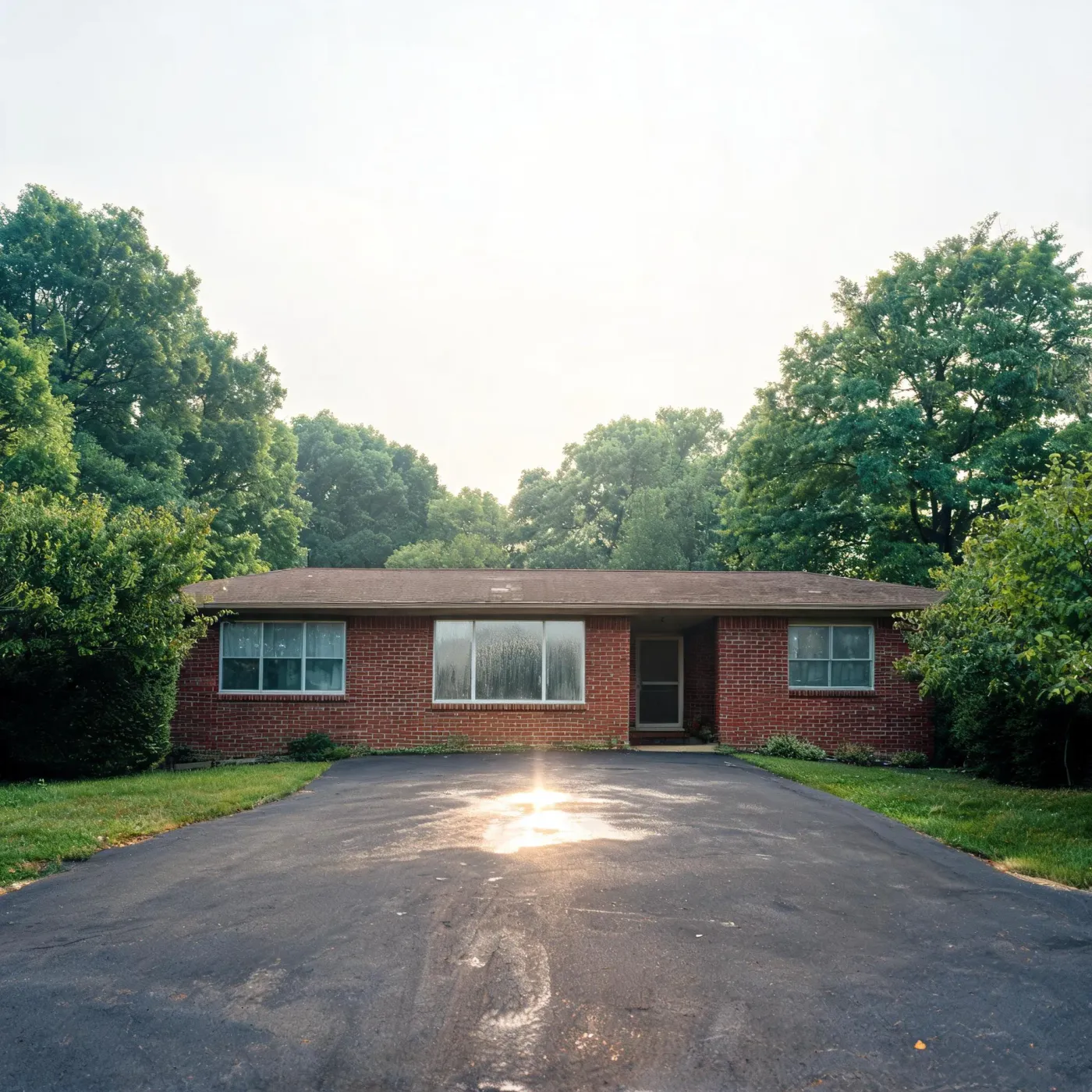
A single-story red brick ranch house with a low-pitched roof, large picture window and centered front door, fronted by a wide asphalt driveway and flanked by green deciduous trees and shrubs under a bright overcast sky.

Summer air here holds a dew point around 69°F, the number that tells you how heavy it feels outside, according to NOAA climate data. That kind of moisture load means your heat pump isn't just cooling the air, it's wringing water out of it for most of June, July and August. The indoor coil stays wet longer to do that, and a coil that's already dirty or low on charge struggles more under that load, often leaving the house feeling damp even when the thermostat says it's cold enough. A tune-up checks that the system still pulls that moisture out the way it did when it was new.

NASA POWER T2MDEW county cells weighted by homes

An outdoor air conditioner condenser unit on a concrete pad beside a house with horizontal siding above a concrete block foundation, with insulated refrigerant lines and a vertical white pipe on the wall.
Before you get your heat pump maintenance
A gray outdoor heat pump unit on a concrete pad beside a house with horizontal lap siding, connected by conduit and a flexible line to a wall-mounted disconnect box, with low shrubs and mulch nearby.
After you get your heat pump maintenance
A gray outdoor heat pump unit on a concrete pad beside a house with horizontal lap siding, with a conduit running to a wall-mounted disconnect box and a green shrub to the left.

Running clean

A unit like this cycles between heating and cooling without extra strain. The pad is clear, the disconnect box is intact, and the coil has enough airflow around it to shed heat in July and pull heat in January. This is what a tune-up aims to keep.


An outdoor air conditioning condenser unit with dusty coils sits on a concrete pad against light horizontal siding, with an electrical disconnect box and refrigerant lines on the wall and a shrub and mulch at left.

Worn and neglected

Years of dirt on the coil fins and bare soil kicked up around the pad choke off airflow the unit needs. A heat pump left like this works harder to hit the same temperature, and the reversing valve and coil are usually the first parts a tune-up finds in trouble.

Power costs 15.12 cents per kilowatt-hour statewide

At 15.12 cents a kilowatt-hour, a heat pump running below its rated charge or fighting a dirty coil costs you more every month it goes unchecked, since it has to pull more power to move the same heat. A unit tuned up to spec just moves that heat for less.

EIA-861 2025 statewide residential average

A woman stands in the open doorway of a white stucco house holding the dark door, facing a man in a black cap and shirt seen from behind in the blurred foreground, with a potted flowering plant beside the entry.

What a heat pump tune-up covers, in short

A tune-up means the refrigerant charge gets checked, the outdoor coil gets cleaned, the reversing valve gets tested in both directions, and the electrical connections get looked over before the next season leans on them. That's the system your heat pump will ask for again in a few months, whichever direction it's running.

Getting matched with a contractor puts you in touch with someone who works on heat pumps in South Carolina all year, through the switch from cooling to heating and back, and who knows which part on a unit like yours tends to go first. You'll hear from one contractor, not a handful of them competing for the job, and the call comes from someone local who already knows what the season ahead is going to ask of your system.

A speckled beige ceramic vase holding thin dried branches sits on a round wooden table near a window with sheer curtains, with a dark upholstered chair and draped blanket blurred in the background.
Corner of a house with light horizontal lap siding, a white gutter and downspout, and a window, beside a mulched bed with small shrubs, a lawn, wooden fence and trees in the background.
Close-up of a white gutter along an asphalt-shingle roof edge with dry brown leaves collected in it, a downspout and lap siding below, and blurred autumn trees in the background.
Exterior corner of a house with horizontal lap siding above a stone veneer base and a dark-framed window, with ornamental grasses and shrubs in the foreground and trees in low sunlight behind.
A white horizontal-siding house with a steep gray shingled gable roof, fronted by trimmed shrubs, a brick walkway, and a lawn scattered with fallen autumn leaves.
Corner of a house with cream horizontal lap siding, a black-framed window, asphalt shingle roof with dark fascia, white hydrangea blooms and green shrubs below, and a leafy tree and wood fence to the right.

Get the right pro for your heat pump

Your request goes to one pro, not a list of companies.

Get a local pro

It costs nothing to send, and you don't have to hire anyone.





