
AC Maintenance in South Carolina
Across the counties where its people live, South Carolina recorded more severe weather from 2015 to 2024 than 36 of the other 49 states.
Tell us about the job
Takes about a minute. No obligation.
- 89°Fsummer afternoon high where people live
- 5 monthsof cooling, May through September
- 14.23¢ per kWhwhat homes paid for power in 2024 (kWh means kilowatt hours, the unit on an electric bill)
- 1,126hail events from 2015 to 2024
What does an AC in South Carolina face?
How hot do summer afternoons get?
89°Faverage afternoon high where people live
Alaska66°F
Arizona101°F
How many months does the cooling run?
5 monthsof cooling a year
Alaska0 months
Hawaii12 months
What does electricity cost?
14.23¢per kWh, what homes paid in 2024
North Dakota11.51¢
Hawaii42.86¢
How often do storms hit?
245severe weather events per county from 2015 to 2024
Alaska5
Wyoming1,057
How many homes lost power for a day or more?
45%of homes in 2024
Arizona7%
Maine54%
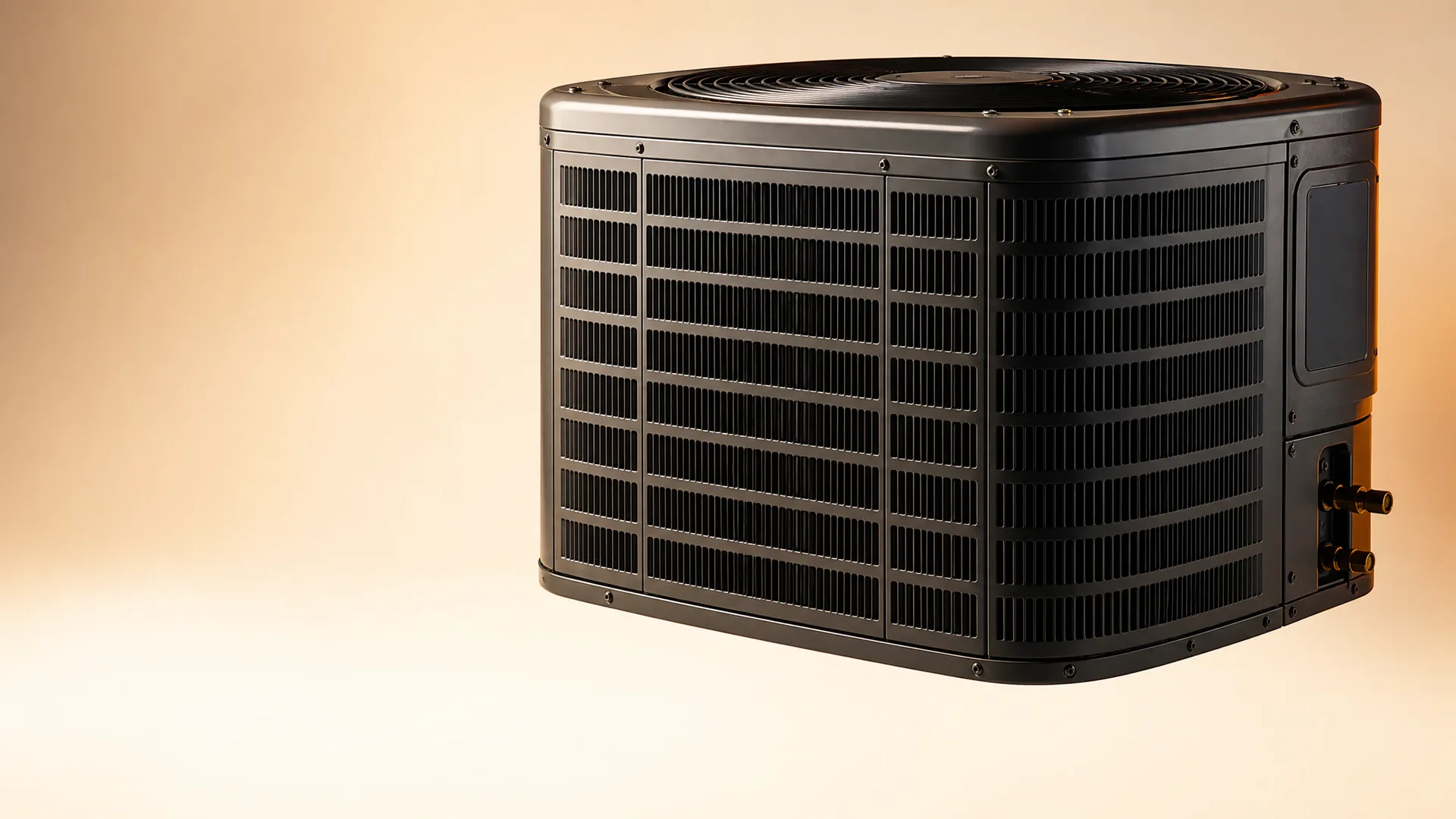
Keeping cooling costs down in South Carolina
A neglected air conditioner draws more power to do the same job, and electricity here isn't cheap enough to waste on it. South Carolina homes that use air conditioning put an average of 10.4 million Btu (British thermal units, a measure of heat) of electricity toward cooling in a year. A dirty coil or a low refrigerant charge makes the system run longer to reach the same temperature, and every extra hour shows up on the bill. A tune-up catches the coil, the charge and the airflow before summer asks the system to work harder than it should.
South Carolina runs its air conditioning about five months a year, and afternoons average 89°F through June, July and August.
A system working that hard all summer needs its coil, charge and airflow checked before the season puts a worn part to the test.

Long summers, and storms on top of them
Get ahead of both before June
South Carolina runs its AC longer than most of the country, and the afternoons it's running against average 89°F through June, July and August. On top of that, tropical storms and hurricanes have hit the state 279 times in the last ten years, which means outages are part of the season here, not a rare exception. A system that's been running hard since May has less room left to handle a power cut on top of everything else. Getting it checked before summer starts means a weak part gets caught while there's still time to deal with it, instead of in the middle of a storm.
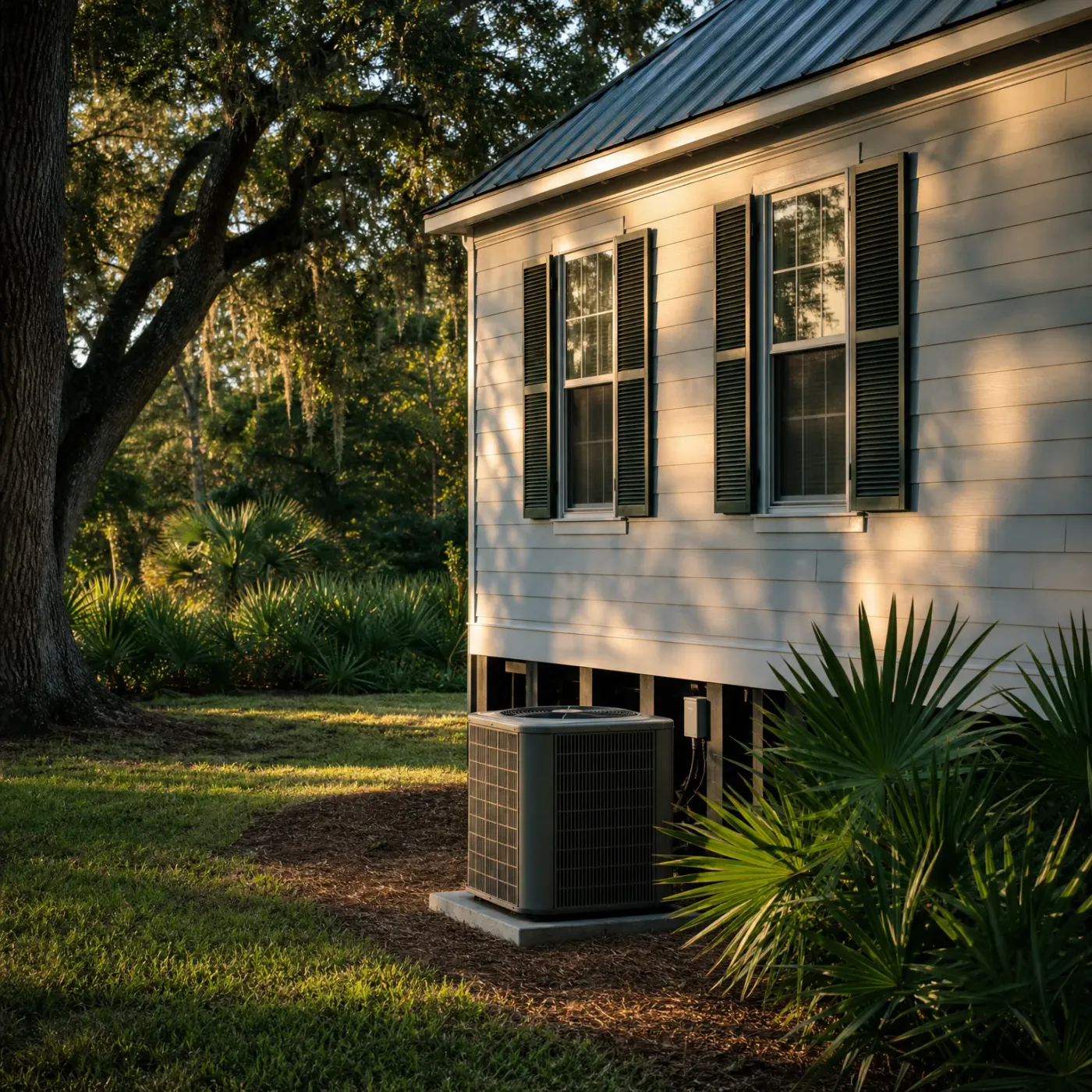
South Carolina's cooling need isn't the same from one end of the state to the other. Homes in the southern counties need about 29% more cooling over a year than homes in the northern counties. A system in the south is working harder every summer than one further north, and the check should happen earlier where that load starts sooner.
Beaufort County sits at one end of that range. Homes there need about 70% more cooling over a year than homes in Pickens County, where the state's cooling need is lowest. Two systems doing the same job, one working much harder every summer than the other.
Statewide, South Carolina runs cooling for more months of the year than 34 of the other 49 states, and its summer afternoons run hotter than 40 of them. That's what every system here is working against, before accounting for where in the state it sits.
None of this says a home near Pickens can skip the check. It says the season starts asking more of the system sooner in Beaufort and the rest of the southern counties, and keeps asking for longer.
Storms here are hard on outdoor units Check the condenser before hurricane season builds
- Southern counties need about 29% more cooling than northern ones
- Summer afternoons average 89°F where people live
- Cooling runs May through September
- 1,126 hail events from 2015 to 2024
- 5,808 damaging wind events from 2015 to 2024
- 45% of homes lost power a day or more in 2024

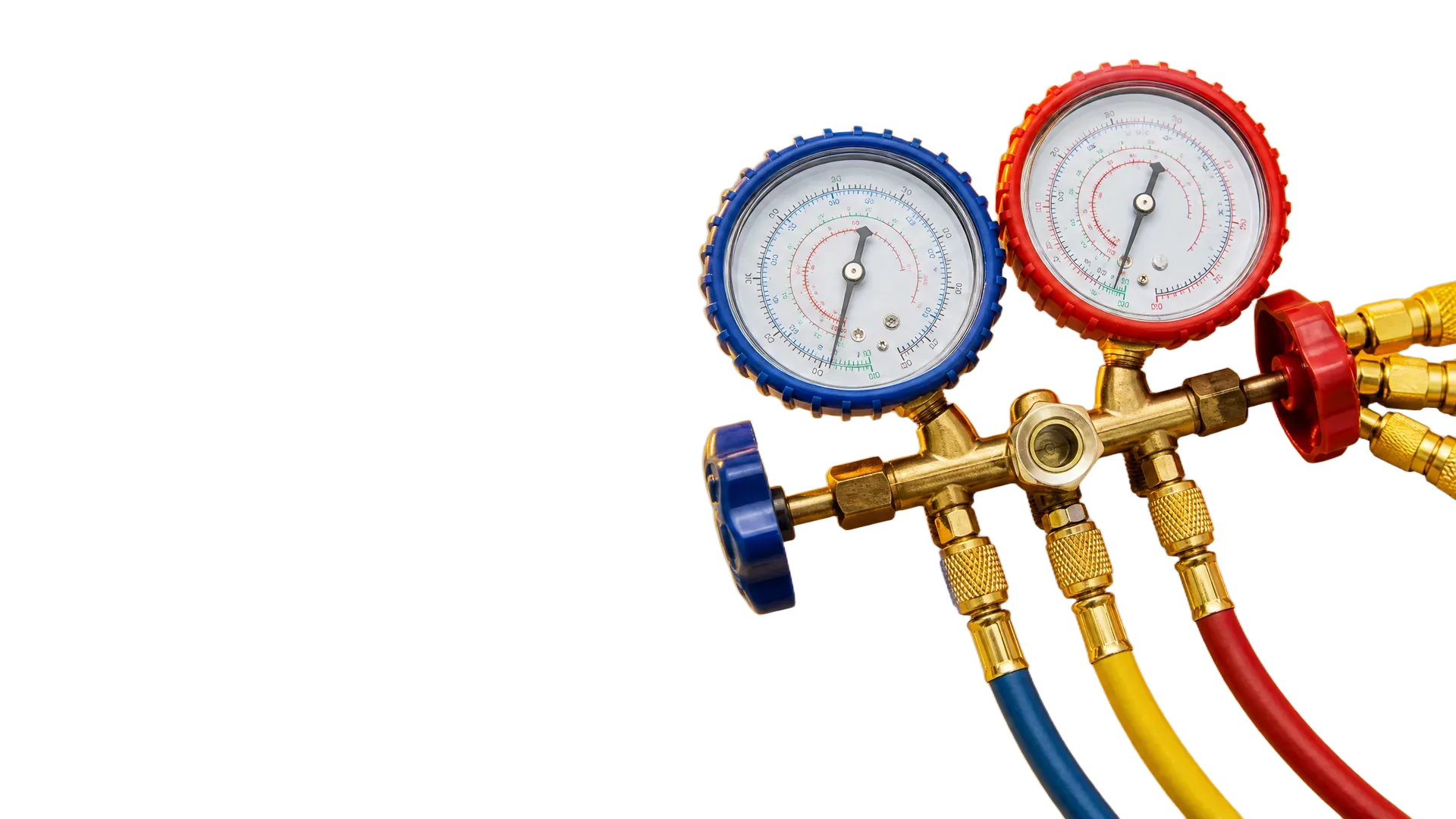
What gets checked that you can't see from the thermostat
A tune-up starts with gauges and a multimeter, not a glance at the unit. The refrigerant charge gets checked against the system's spec. A system can run low on charge and still blow cold air, still turn on every time the thermostat calls for it, while losing capacity nobody notices from inside the house. The capacitor gets tested under load, not just looked at, because a weak one can still start the compressor most mornings right up until the one it doesn't. The contactor points get checked for pitting. The condenser coil gets checked for the kind of buildup that packs in between the fins where a hose or a glance never reaches. The blower wheel gets checked for a film that builds up slow enough that nobody in the house ever connects it to the drop in airflow. None of that shows up from the thermostat. The system can look fine and still be a month from a part giving out, and finding that part now is the whole point of checking before the heat sets in.

A few signs are easy to catch if you know what to listen for. The system cycling on and off more than it used to, short runs instead of long steady ones, often means the compressor is struggling against low charge or a failing capacitor. Warm air mixed in with cold, or air that never feels as cold as it used to, points the same direction. A hissing or bubbling sound near the lines usually means refrigerant escaping somewhere it shouldn't. Ice on the copper line or the coil itself means airflow or charge is off, and running it that way much longer can damage the compressor.
Some signs show up outside at the condenser rather than at the thermostat. A unit that's noticeably louder than it used to be, a rattle or a grinding sound, often means a fan motor bearing or a loose part working its way toward failure. Water pooling near the indoor unit, or a musty smell from the vents, usually traces back to a condensate drain that's clogged or a coil growing mold. The outdoor fan not spinning at all while the compressor still hums is another one worth catching early, since the compressor can overheat running that way. None of these mean the system is about to quit, but each one is worth having looked at before it becomes the reason it does.
Cooling starts in May, so get the check done in April, before the heat puts real load on the system.
Tell us about the job
Takes about a minute. No obligation.
Filling out the form connects you with a licensed South Carolina contractor who can get the tune-up booked.