
Heat Pump Repair in South Carolina
Across the counties where its people live, South Carolina recorded more severe weather from 2015 to 2024 than 36 of the other 49 states.
Tell us about the job
Takes about a minute. No obligation.
- 36°Fwinter overnight low where people live
- 5 monthsof heat, November through March
- 89°Fsummer afternoon high where people live
- 5 monthsof cooling, May through September
South Carolina storms batter outdoor units Hail and wind, year after year
- Northern counties need about 32% more heat than southern ones
- Winter nights average 36°F where people live
- Summer afternoons average 89°F where people live
- Heat runs November through March
- Cooling runs May through September
- 95 winter storms from 2015 to 2024


Your heat pump is probably younger than you think
Half the homes in South Carolina were built in 1992 or later. That's a lot of heat pumps still well within their working life. If yours came with a newer house, a breakdown is more likely a bad capacitor, a low charge, or a control board than a system that's simply worn out. Most of the state is single-family houses, the kind of home a heat pump was built to serve, so repair is usually the right first call before anyone talks about replacing it.
It barely gets a break
A heat pump in South Carolina runs cooling about five months a year and heat about five months a year, and that cooling stretch runs longer than in 34 other states. There's no real off season where the system sits idle. That steady use is usually what's behind a repair call, more than age or a bad install. If yours is cycling constantly or struggling to keep up, a contractor can check the charge and the capacitor before assuming anything bigger is wrong.

What's wearing out depends on where you are in South Carolina
The upstate asks more of a heat pump's heating side than the coast ever does
Cherokee County needs about 78% more heat over a year than Beaufort County, the lowest in the state, and homes across the northern counties need about 32% more heat than homes in the south. A heat pump up near the state line is leaning on its heat strip and reversing valve more than one down on the coast ever will. Further south, the compressor spends more of its life cooling the house than heating it. A contractor who knows which end of the state you're in already has a shorter list of what to check first.
What does a heat pump in South Carolina face?
How hot do summer afternoons get?
89°Faverage afternoon high where people live
Alaska66°F
Arizona101°F
How cold do winter nights get?
36°Faverage overnight low where people live
North Dakota4°F
Hawaii65°F
How many months does the heat run?
5 monthsof heating a year
Hawaii0 months
Alaska12 months
What does electricity cost?
14.23¢per kWh (kilowatt hours, the unit on an electric bill), what homes paid in 2024
North Dakota11.51¢
Hawaii42.86¢
How often do storms hit?
245severe weather events per county from 2015 to 2024
Alaska5
Wyoming1,057
How many homes lost power for a day or more?
45%of homes in 2024
Arizona7%
Maine54%
The first hot week or the first cold snap is when it breaks
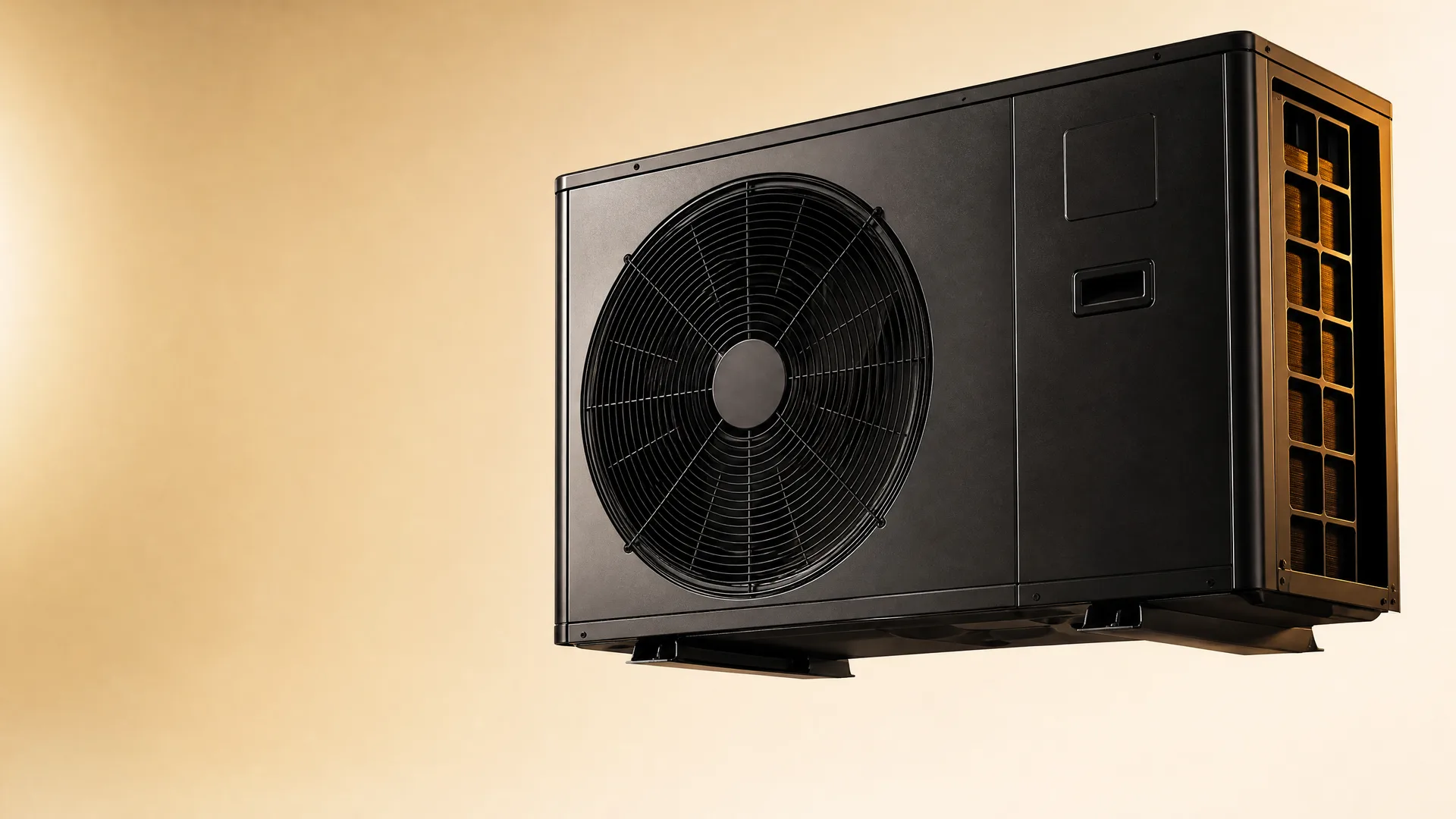
May and November are when service calls spike. The heat pump that idled through the mild shoulder weeks suddenly has to run flat out, and whatever was marginal, a weak capacitor, a low charge from a slow leak, a contactor with pitted contacts, gives out under the new load. Switching into heat mode in November puts the reversing valve and heat strips to work after months of sitting unused, and that's often where a problem first shows up. Getting a system checked in April or October, before the load hits, catches most of this early.
What a tech actually checks
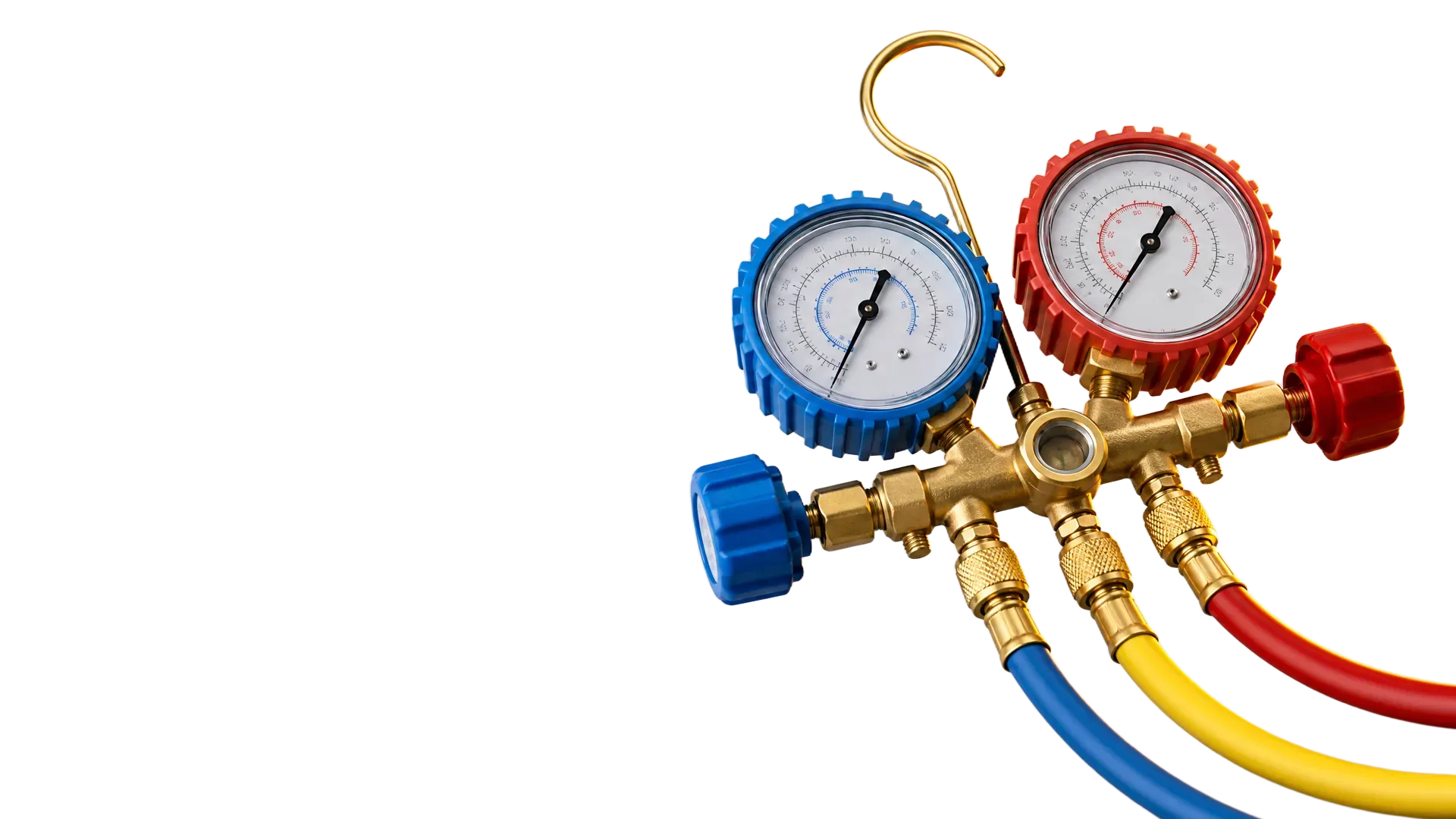
A tech starts by asking what the system is doing. Short cycling, running nonstop, blowing air that isn't warm or cool enough, making a noise it didn't used to make. Then it's gauges on the refrigerant lines to check the charge, a meter on the capacitor and contactor to see if they're holding up, and a look at the reversing valve, since that's the part that tells a heat pump to switch between heating and cooling. If it's stuck, you get heat when you wanted cooling or the other way around. The outdoor unit gets checked for anything restricting airflow around the coil. A heat pump that can't move air across that coil struggles no matter what else is right. Inside, the tech checks the air handler, the blower motor and the filter. A reading on the charge tells you fast whether it's low, and if it is, the next question is where it's leaking from, not just topping it off. A weak capacitor either holds what a meter expects or it doesn't. There's no guessing with either one. By the end of the visit you should know which part failed, why, and whether it's a repair or a sign the system's done.

South Carolina needs heat for fewer months of the year than most states, but that's not where the strain is. Cooling runs longer here than in 34 other states. A compressor working that much of the year has less downtime to coast through a weak capacitor or a slow refrigerant leak before it shows up as a breakdown.
Heat and cooling split the year almost evenly here, about five months each. In a lot of states one side of the system carries most of the load and the other mostly sits there. Here the reversing valve is earning its keep both ways, switching the system over rather than running one direction for months at a stretch. A valve that's stuck or sticking tends to show up right at that switch.
Your heat pump runs nearly year round here, and that's usually what's behind a breakdown.
Tell us about the job
Takes about a minute. No obligation.
Fill out the form and a licensed South Carolina contractor will reach out to schedule a visit.