
AC Repair in South Carolina
Across the counties where its people live, South Carolina recorded more severe weather from 2015 to 2024 than 36 of the other 49 states.
Tell us about the job
Takes about a minute. No obligation.
- 89°Fsummer afternoon high where people live
- 5 monthsof cooling, May through September
- 14.23¢ per kWhwhat homes paid for power in 2024 (kWh means kilowatt hours, the unit on an electric bill)
- 1,126hail events from 2015 to 2024
What does an AC in South Carolina face?
How hot do summer afternoons get?
89°Faverage afternoon high where people live
Alaska66°F
Arizona101°F
How many months does the cooling run?
5 monthsof cooling a year
Alaska0 months
Hawaii12 months
What does electricity cost?
14.23¢per kWh, what homes paid in 2024
North Dakota11.51¢
Hawaii42.86¢
How often do storms hit?
245severe weather events per county from 2015 to 2024
Alaska5
Wyoming1,057
How many homes lost power for a day or more?
45%of homes in 2024
Arizona7%
Maine54%
Signs your AC needs a repair
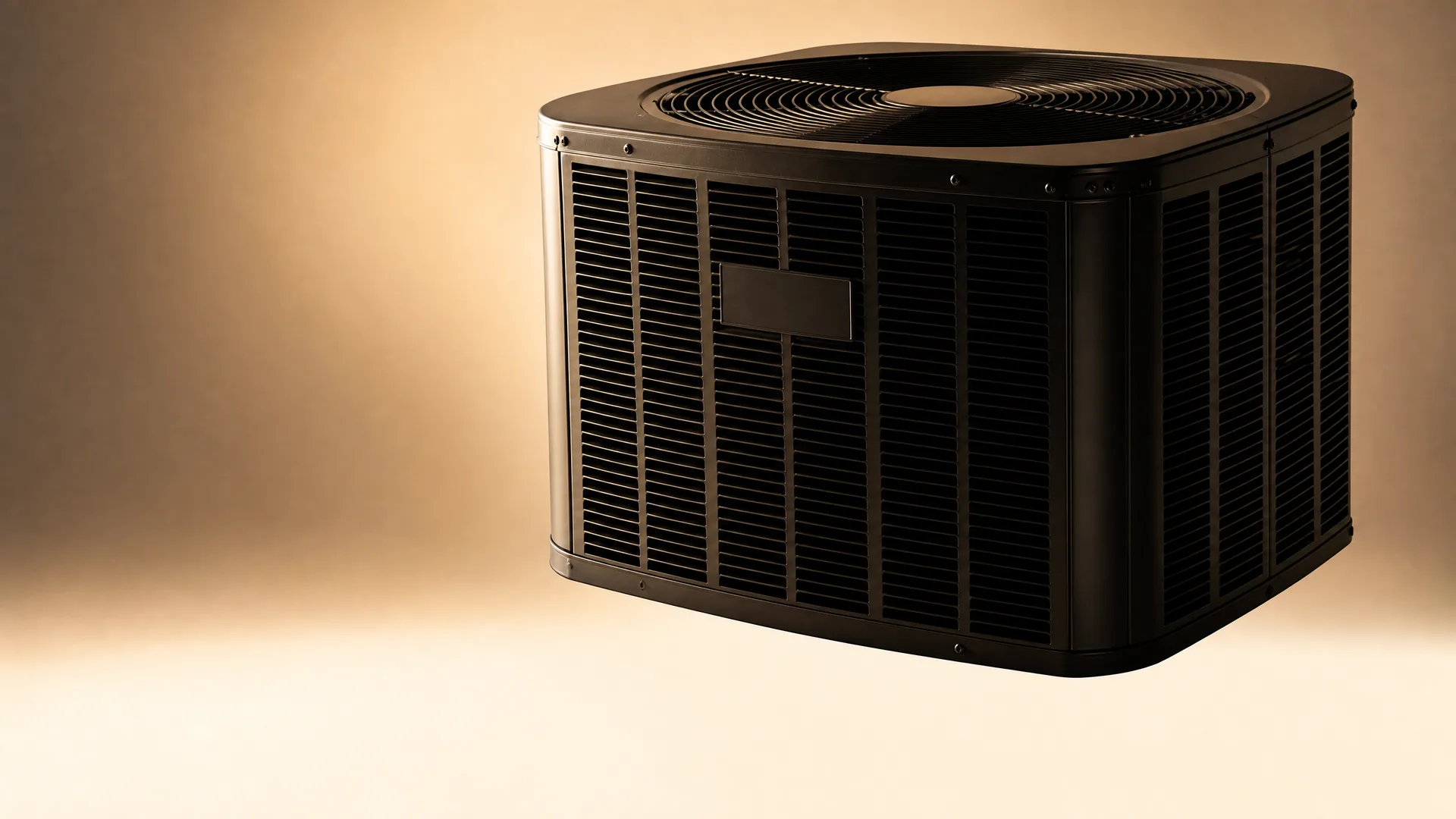
Warm air coming out of the vents is the one people notice first. Sometimes it means the system is low on refrigerant, sometimes the compressor is wearing out, and sometimes the thermostat is just telling it the wrong thing. Short cycling is another one worth paying attention to, where the unit kicks on, runs for a short while, and shuts off again before the house cools at all. That pattern wears on the compressor fast. A hissing or bubbling sound near the lines usually points to a refrigerant leak, and that's not something to leave alone since the system needs the right charge to cool properly. Water pooling around the indoor unit often means the condensate drain is clogged, and if it backs up far enough it trips a safety switch and shuts the whole system down. A burning or musty smell from the vents is worth calling about right away. If the outdoor fan isn't spinning but the unit is making noise, that's usually the capacitor, and it's a part that fails all at once rather than giving much warning.
South Carolina logged 7,748 severe weather events between 2015 and 2024, more than most other states see.
If the outdoor unit has taken hail or wind-blown debris, get it checked even if it's still running.
What happens during an AC repair visit
A straight look at how a technician finds out what's wrong with your system
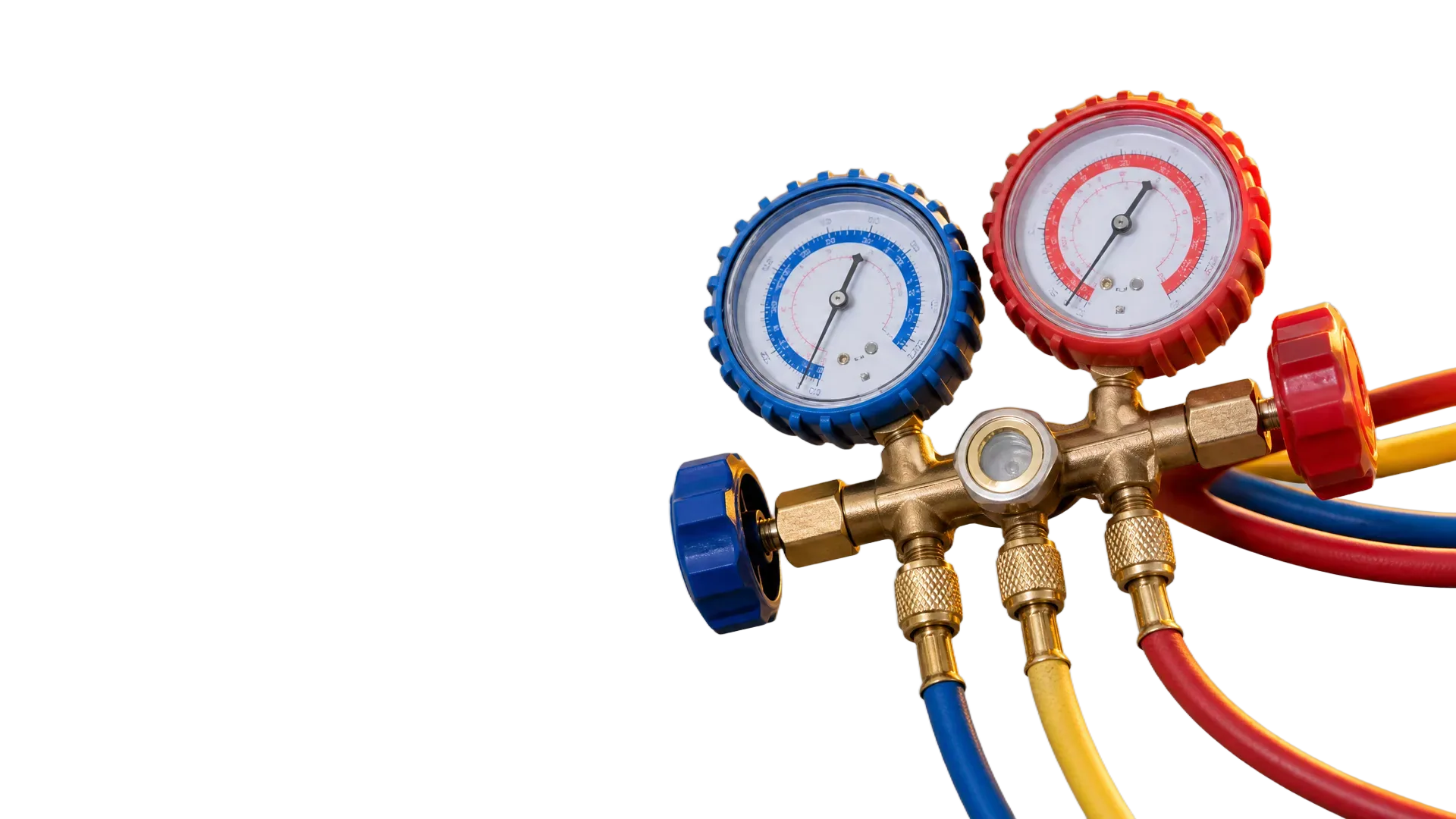
A tech starts outside, checking the compressor and the condenser coil before anything gets opened up. Refrigerant pressures get checked against what the system is supposed to run on both the low side and the high side. That tells a tech whether the charge is right or whether something's leaking out. Electrical parts come next. The capacitor, the contactor, the wiring at the disconnect all get tested rather than just looked at. Inside, the evaporator coil gets checked along with the condensate drain and the blower. A tech will also run the thermostat through its paces to rule out a control problem before blaming the equipment itself. The goal is to find the one thing actually causing the problem instead of swapping parts and hoping one of them helps. Once that part is found, the tech can tell you what it takes to fix it and whether the system is worth fixing at all.
Running your AC costs more here than in most states
- Southern counties need about 29% more cooling than northern ones
- Summer afternoons average 89°F where people live
- Cooling runs May through September
- 1,126 hail events from 2015 to 2024
- 5,808 damaging wind events from 2015 to 2024
- 45% of homes lost power a day or more in 2024


- Cool air at the vents again, matching what the thermostat is set to
- A compressor that runs full cycles instead of short ones that wear it down
- The condensate drain cleared, so water stops pooling by the indoor unit
- Refrigerant brought back to the charge the system is built to run on
- A confirmed cause, so you know if the fix is worth it
Why AC systems break down
Most AC failures trace back to a handful of parts, and they tend to go for the same reasons every time. The capacitor wears down from the heat cycles it goes through every time the system starts up, and when it finally gives out, the compressor or fan motor it was supposed to start won't turn over. Contactors pit and burn from arcing every time they close, until one day they stick or stop making contact at all. Refrigerant doesn't get used up the way fuel does. If a system is low, it's because it's leaking somewhere, usually at a coil or a fitting, and it'll keep leaking until that spot gets found and sealed. Evaporator coils ice up when airflow across them is restricted, whether that's a dirty filter, a failing blower motor, or a duct that's closed off somewhere it shouldn't be. Condensate drains clog with algae and dirt over time, and once they do, the water has nowhere to go but back into the system or out onto the floor. Fan motor bearings wear out from years of spinning, and a motor that's starting to go will often sound rough or run slower than it should before it quits for good.

Cooling need here isn't the same from one end of the state to the other. Homes in the southern counties need about 29% more cooling over a year than homes up north. Beaufort County runs about 70% more cooling than Pickens County, which has the lowest cooling need in the state.
A system that runs that much harder every year puts more hours on the compressor and more heat cycles on the capacitor, so those parts tend to wear sooner in the counties that run hottest. Where the cooling load is lighter, a system can go longer before the same parts show their age. Worth telling a tech where in the state you are, since it points to where to look first.
Summers here beat 40 of the other 49 states, and your AC has been working against that all season.
Tell us about the job
Takes about a minute. No obligation.
Fill out the form and a licensed contractor will track down what's actually wrong.