
Mini Split Installation in South Carolina
Across the counties where its people live, South Carolina recorded more severe weather from 2015 to 2024 than 36 of the other 49 states.
Tell us about the job
Takes about a minute. No obligation.
- 89°Fsummer afternoon high where people live
- 5 monthsof cooling, May through September
- 36°Fwinter overnight low where people live
- 5 monthsof heat, November through March
What does a mini split in South Carolina face?
How hot do summer afternoons get?
89°Faverage afternoon high where people live
Alaska66°F
Arizona101°F
How cold do winter nights get?
36°Faverage overnight low where people live
North Dakota4°F
Hawaii65°F
How many months does the cooling run?
5 monthsof cooling a year
Alaska0 months
Hawaii12 months
What does electricity cost?
14.23¢per kWh (kilowatt hours, the unit on an electric bill), what homes paid in 2024
North Dakota11.51¢
Hawaii42.86¢
How often do storms hit?
245severe weather events per county from 2015 to 2024
Alaska5
Wyoming1,057
How many homes lost power for a day or more?
45%of homes in 2024
Arizona7%
Maine54%
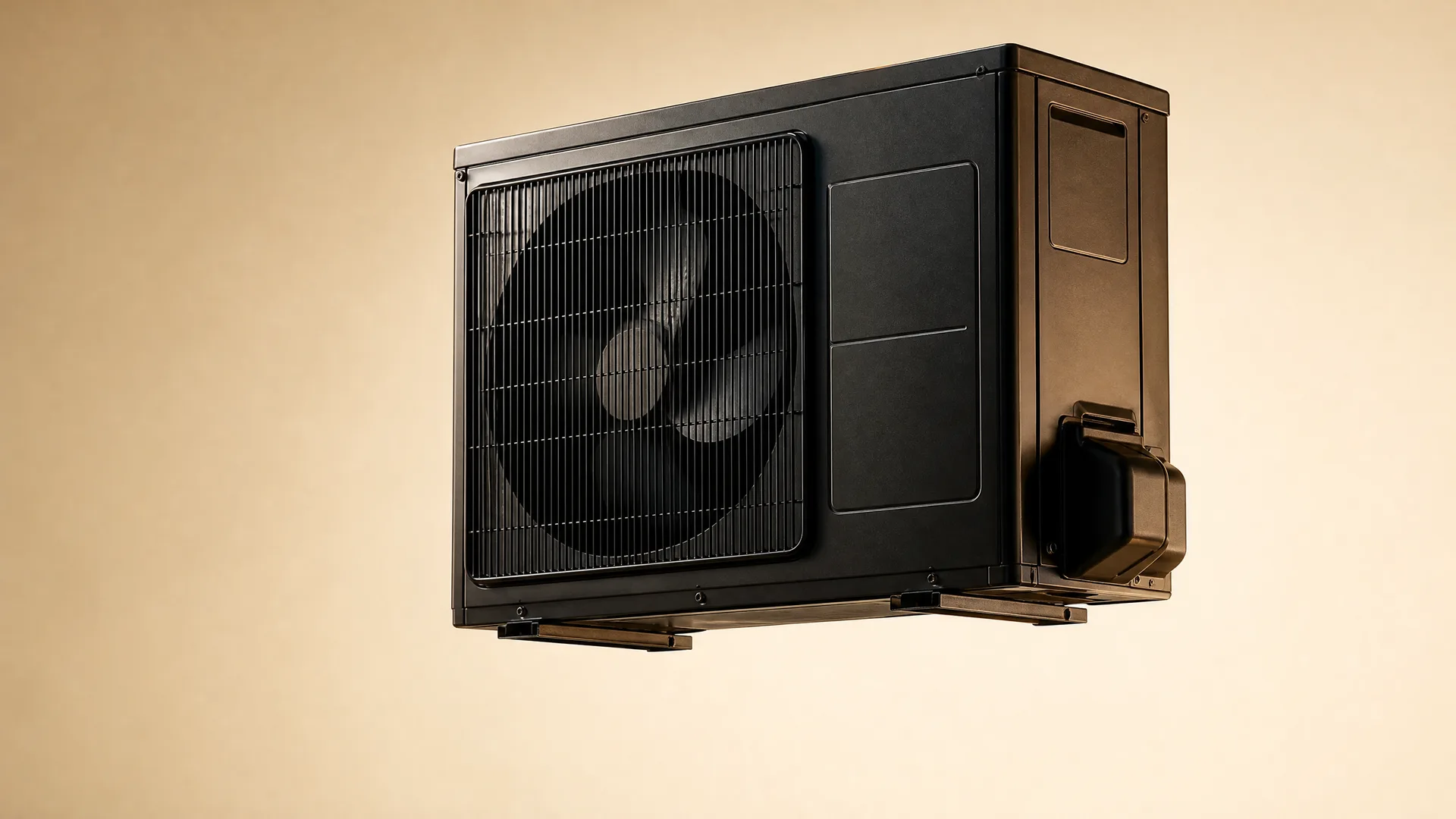
Built for what South Carolina pays to stay cool
A mini split moves heat instead of burning fuel for it, and it skips the duct losses that slow down a central system. South Carolina homes paid 14.23 cents per kilowatt-hour for electricity in 2024, more than in most states. Every kilowatt-hour a mini split saves you on cooling matters more here than it would somewhere power is cheap. No ductwork also means no loss to a leaky return or a run through a hot attic, so more of what it pulls goes straight into cooling the room.
Cooling runs May through September here, and June through August afternoons average 89°F, hotter than 40 of the other 49 states.
A mini split sized for a milder climate will fall behind on the hottest afternoons, so matching it to what South Carolina actually throws at it matters more than matching it to the smallest unit that might do.

Get it installed before South Carolina needs it
April is the month to do this on your terms, not the heat's
Cooling starts here in May. April is the month to get a mini split put in, while you still have time to pick the right contractor and the right unit instead of taking whoever answers the phone in a heat wave. A system going in under pressure, because the old one just quit, gets whatever size and whatever schedule is open that week. One going in ahead of the season gets measured against the room it's cooling and the heat South Carolina actually brings. That difference sits with you every afternoon from May through September.
South Carolina doesn't ask the same amount of every county. Homes across the southern counties need about 29% more cooling over a year than homes up north, and the gap between specific counties runs wider still. Beaufort County needs about 70% more cooling than Pickens County, where the state's cooling need is lowest. A mini split sized by someone going on state averages alone is sizing for a place that doesn't quite exist.
Pickens County sits at the low end of the state's cooling need, so a system there is working a different year than one in Beaufort. Beaufort's cooling load is the heavier one, and a mini split going into a home there should be sized against that, not against what works fine over near Pickens.
Cooling runs May through September across South Carolina, and that doesn't shift county to county. Homes here run cooling for more months of the year than in 34 of the other 49 states. That's what every county in the state is working from before you even get to how much harder the southern counties push.
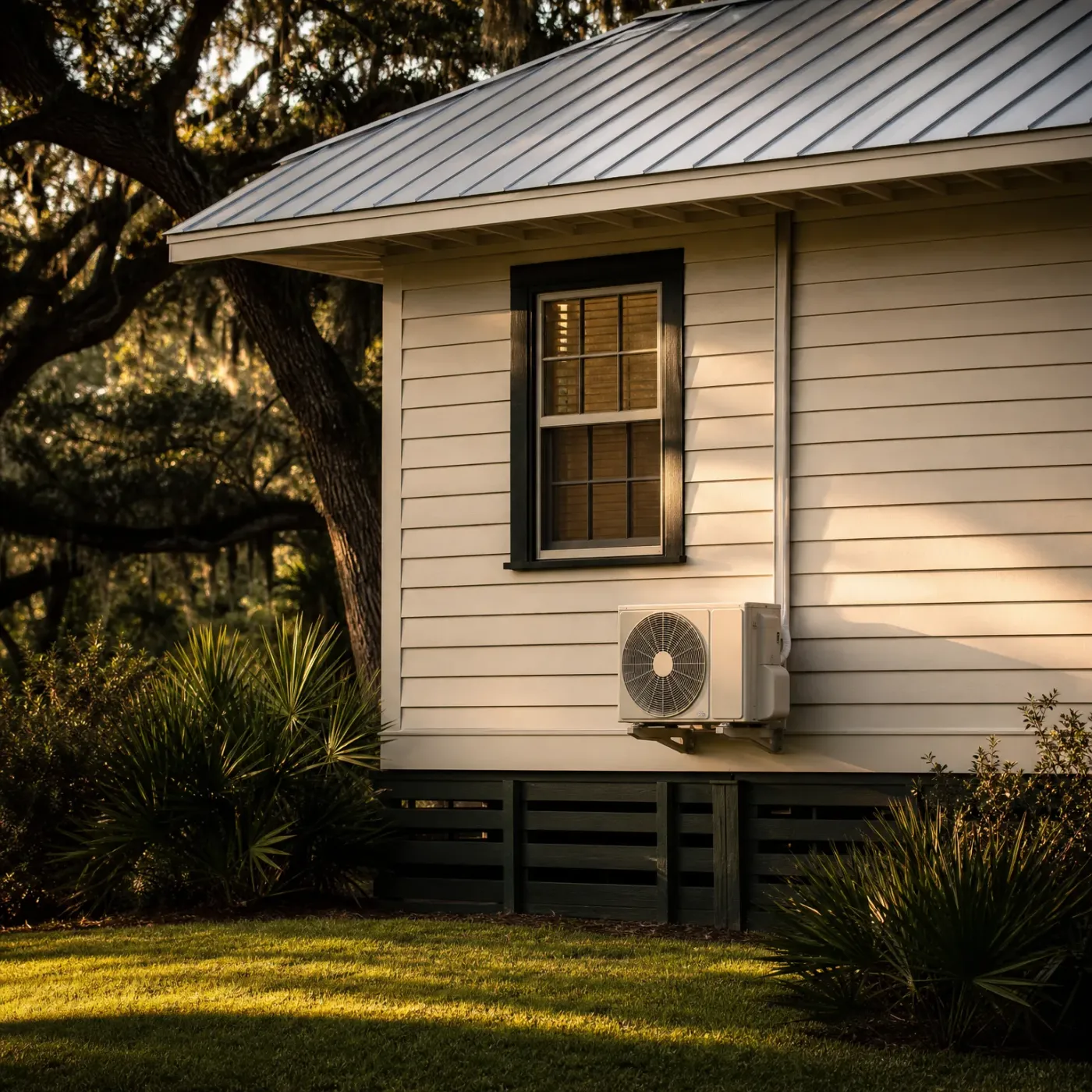
South Carolina also takes weather most states don't plan a cooling system around. Tropical storms and hurricanes affected the state 279 times between 2015 and 2024. A mini split's outdoor unit gets sited and mounted with that in mind, whether the home sits in a high-load county or a low one.
The southern counties and places like Beaufort run hotter loads than the northern counties and Pickens. Getting a mini split sized to the county it's actually going into, rather than to the state as a whole, is what keeps it matched to the summer it has to get through.
South Carolina asks more of a mini split Five months of cooling, storms on top
- Southern counties need about 29% more cooling than northern ones
- Summer afternoons average 89°F where people live
- Winter nights average 36°F where people live
- Cooling runs May through September
- 5,808 damaging wind events from 2015 to 2024
- 45% of homes lost power a day or more in 2024


- Each room gets its own indoor head, so the room you're using is the one that gets cooled
- No ducts to cut into walls or ceilings, just a refrigerant line to each head
- Every head runs off its own thermostat, so one room can sit cooler than the rest
- A unit sized right pulls moisture out of the air, so rooms don't feel damp
- Where the head gets mounted decides whether the airflow reaches where you sit
Built for a state that already runs on electricity
Most homes in South Carolina heat with electricity, 70.8% of them. Utility gas covers another 23.6%, with propane and fuel oil making up the rest. Where electric heat is already running the furnace or the heat pump, a mini split fits into a home that's already wired for it. There's no gas line to work around and no question of a second fuel to plan for. That's one less thing standing between deciding on a mini split and getting it in the wall.
Storms and long outages hit South Carolina more than most states, so plan now for where the outdoor unit sits.
Tell us about the job
Takes about a minute. No obligation.
Fill out the form and a licensed contractor will size the mini split to your home.