
AC Installation in South Carolina
Across the counties where its people live, South Carolina recorded more severe weather from 2015 to 2024 than 36 of the other 49 states.
Tell us about the job
Takes about a minute. No obligation.
- 89°Fsummer afternoon high where people live
- 5 monthsof cooling, May through September
- 14.23¢ per kWhwhat homes paid for power in 2024 (kWh means kilowatt hours, the unit on an electric bill)
- 1,126hail events from 2015 to 2024
What does an AC in South Carolina face?
How hot do summer afternoons get?
89°Faverage afternoon high where people live
Alaska66°F
Arizona101°F
How many months does the cooling run?
5 monthsof cooling a year
Alaska0 months
Hawaii12 months
What does electricity cost?
14.23¢per kWh, what homes paid in 2024
North Dakota11.51¢
Hawaii42.86¢
How often do storms hit?
245severe weather events per county from 2015 to 2024
Alaska5
Wyoming1,057
How many homes lost power for a day or more?
45%of homes in 2024
Arizona7%
Maine54%
Why April is the month to do this
Cooling here runs May through September, about five months. That's more of the year than 34 other states see. April is the month before it starts, and that makes it the month to put a new system in. The crew has time to do the job right, without a hot house pushing them to rush. Wait too long and you're replacing a failing system in the middle of summer, picking from whatever's on hand on whatever day someone can get to you. Install it in April and it's running fine, tested and ready, before the heat sets in.
South Carolina afternoons average 89°F across June, July and August, hotter than in 40 of the other 49 states.
Size the new system for that heat. A unit that's too small will run constantly and still fall behind on the worst afternoons.

Get a system that earns back what it costs to run
Power here isn't cheap, so efficiency matters more
South Carolina homes that use air conditioning put an average of 10.4 million Btu (British thermal units, a measure of heat) of electricity into it in a year, and electricity costs less here than in 28 other states but still adds up against that kind of use. A system sized right for this heat doesn't run longer than it has to just to keep the house comfortable. Installed clean, with the charge and airflow set the way the manufacturer calls for, it holds that efficiency for years instead of losing it in the first summer.
Cooling need isn't the same everywhere in South Carolina. Homes in the state's southern counties need about 29% more cooling over a year than homes up north. A system sized for a northern county would come up short on a southern coast.
Beaufort County sits at the top. Homes there need about 70% more cooling over a year than homes in Pickens County, where the state's cooling need is lowest. Two systems built for those two counties would look different, and sizing one for the other leaves the homeowner stuck with the wrong unit.
South Carolina also sits in the path of tropical storms and hurricanes, which affected the state 279 times between 2015 and 2024. That kind of weather brings power cuts, and a new system should go in with that in mind, since what happens when the power comes back matters as much as what happens when it's running.
Summers here push a system hard Hurricane season adds power cuts to the load
- Southern counties need about 29% more cooling than northern ones
- Summer afternoons average 89°F where people live
- Cooling runs May through September
- 1,126 hail events from 2015 to 2024
- 5,808 damaging wind events from 2015 to 2024
- 45% of homes lost power a day or more in 2024


South Carolina storms knock out power more than almost anywhere else
What to ask when comparing systems
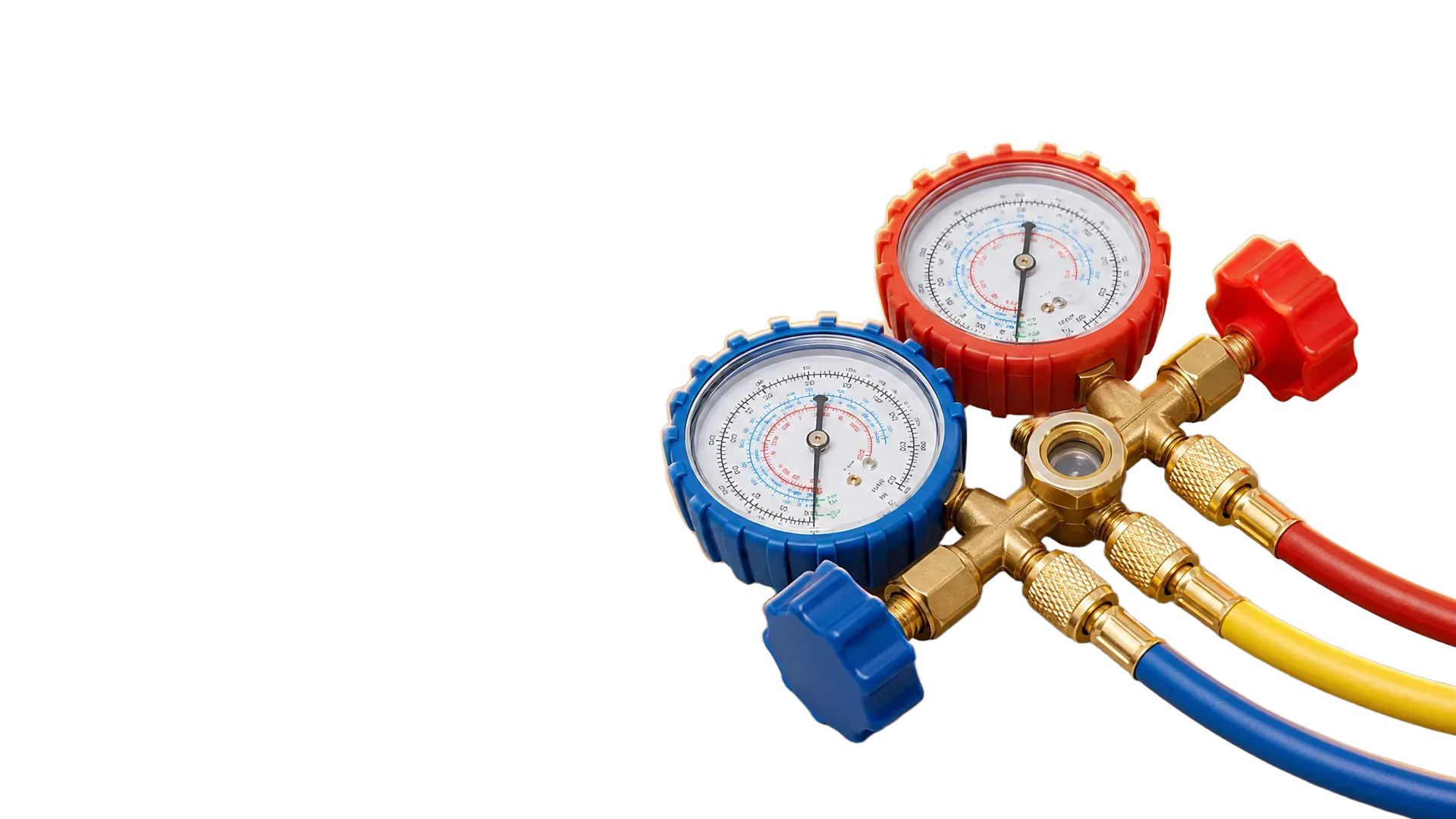
A manual J load calculation should come before any quote. It looks at the square footage, the windows, the insulation, the layout, and tells the contractor what size system the house actually needs. Skip it and you're trusting a guess, usually based on the old system's size, which may have been wrong to begin with. Ask what SEER2 (seasonal energy efficiency ratio under the 2023 test, an AC's cooling efficiency over a season) rating each system carries, since that number tells you how efficiently it turns electricity into cooling, and ask whether the ductwork was ever tested rather than assumed to be sized right for the new equipment. Ask how the contractor sets the refrigerant charge, because a system can be the right size on paper and still run inefficiently if the charge is off. And ask what happens to the system when the power goes out and comes back, since not every setup resumes cooling on its own without someone checking it.
Electricity runs most homes here
Electricity heats 70.8% of homes in South Carolina, more than any other fuel by a wide margin. Utility gas comes in a distant second at 23.6%, with bottled or LP gas and fuel oil making up a small remainder. That means most of the houses this new AC goes into already run on electric service built for it, and the air handler or coil being replaced is almost always paired with an existing electric furnace or heat pump setup. Matching that is usually the straightforward choice, since the home's wiring and equipment were already set up for it.
Summers here run long and hot, so size the new system for the heat it will actually meet.
Tell us about the job
Takes about a minute. No obligation.
Fill out the form and a licensed South Carolina contractor will reach out to quote the job.