
What temperature to set your AC in South Carolina summers
78 degrees is the usual recommendation for a South Carolina summer, with a few degrees higher when nobody is home. That number isn't a rule, it's a balance point. Set it lower and the compressor runs longer to chase a temperature the air can't easily reach, because humidity here makes the house feel warmer than the thermostat reads. Your AC also pulls moisture out of the air as it cools, so a house held at 78 with low humidity can feel as comfortable as one held at 74 with the air thick and wet. Running the system harder than it needs to doesn't just show up on the power bill. It puts more hours on the compressor and the coil, and that's where small problems start, a coil that stays dirty longer, a system that short cycles because it's working against a setting it can't hold. A thermostat setting that matches what the system can actually do keeps it running the way it's built to run.




Your thermostat only knows the temperature where it hangs. If it's in the hallway, a back bedroom can sit several degrees warmer and you'd never see it on the display. That's one reason chasing a lower number doesn't always make the house feel better. The compressor runs at one speed, so dropping the setting ten degrees doesn't speed anything up, it just keeps the system running longer to reach a point it was already heading toward. What that extra runtime buys you is moisture control. A central air conditioner pulls humidity out of the air as it moves across the coil, and it needs a steady stretch of runtime to do that well. Short bursts of cooling barely touch the humidity, which is why a house can feel damp even when the number on the wall looks fine. That's also why 78 feels different depending on the day. Warm air carries more moisture than cool air, so a well-run system at 78 can feel drier and more comfortable than a poorly run one at 74. A smart or programmable thermostat handles some of this automatically, easing the temperature up while you're out and bringing it back down before you walk in.
How the thermostat actually behaves
- The thermostat reads the air near itself, not the air in every room, so a hallway unit can let bedrooms run warmer than the number shown.
- A central air conditioner cools by pulling humidity out of the air as it runs, and short cycles never run long enough to pull much out.
- Setting the thermostat far below the actual indoor temperature does not cool the house faster, it just runs the compressor longer at the same rate.
- Every degree closer to the outdoor temperature outside cuts down on how long the compressor has to run to hold it.
- A programmable or smart thermostat can step the temperature up a few degrees automatically while you're out and bring it back down before you're home.
- Warm air holds more moisture than cool air, which is why a South Carolina home can feel sticky at 74 degrees and comfortable at 78.


Every degree you push below 78 asks the compressor to run longer against outdoor air that's often near 90 with heavy humidity. The unit doesn't cool faster at a lower setting, it just runs more.
That extra runtime shows up on your power bill, not in a colder house any sooner. A system that's kept up with maintenance holds 78 comfortably; one that hasn't will struggle at any setting.


A pro who works on air conditioners
A thermostat setting only does so much if the system behind it is struggling to keep up. A dirty coil or a low charge makes your air conditioner run longer at any setting, and that's the extra runtime you're paying for. Maintenance is where someone checks the refrigerant charge, cleans the coil and makes sure the system is actually capable of reaching 78 without straining through a Carolina afternoon. Finding that help yourself means searching for a contractor, calling a few, explaining the same thing more than once, then comparing quotes before you even get someone out to the house. Handing that off means one contractor who serves your area gets your request and follows up with you directly. Your system still has a humid summer ahead of it. What changes is whether it's working harder than it needs to while you're out finding someone to look at it.
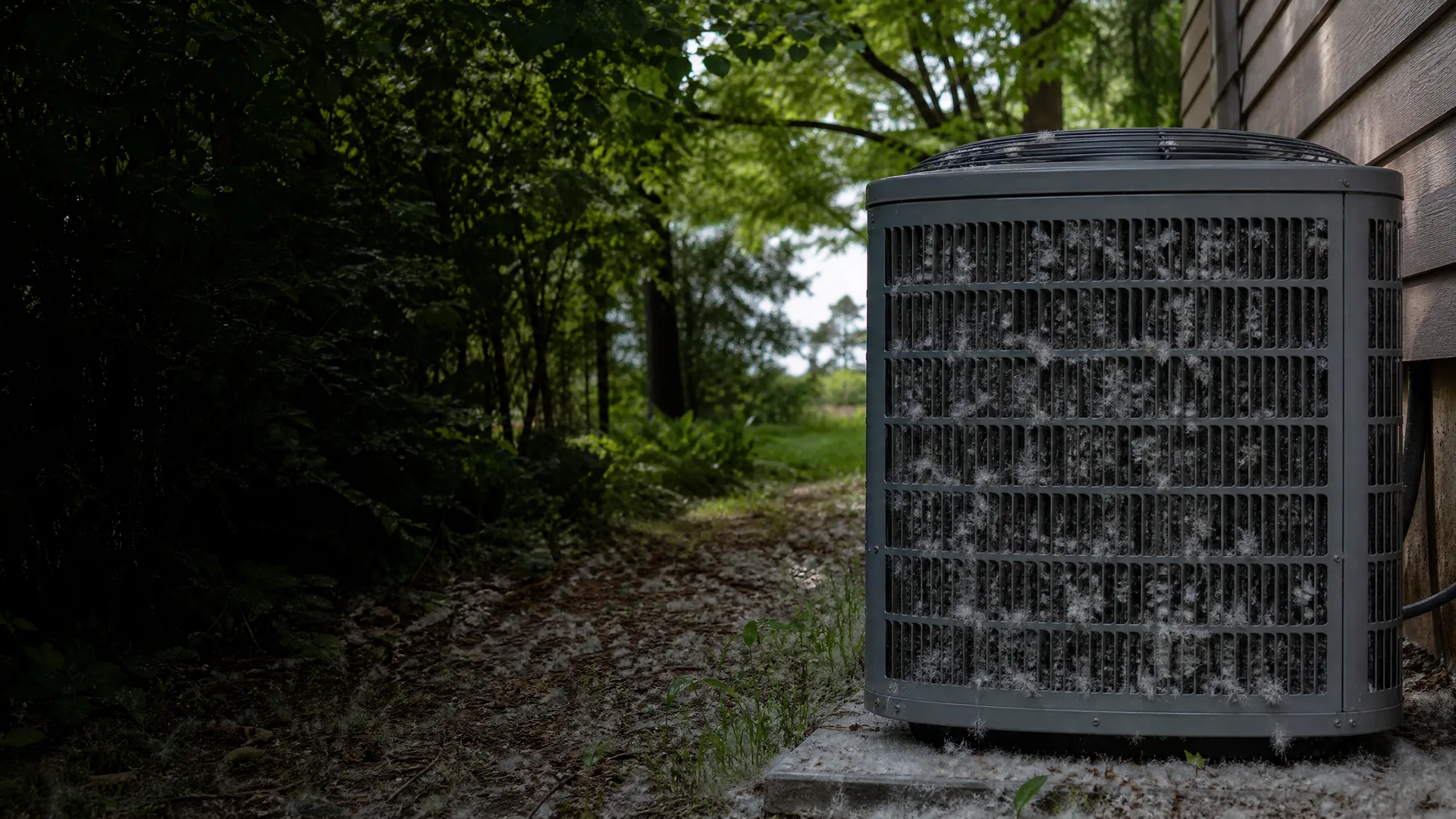
You're out in the side yard in late May, grass still wet from morning, and you walk past the condenser on your way to the garbage cans. Something about the sound catches you, a little labored, not the usual hum. You crouch down and see the fins packed with white fluff, drifted off the cottonwood trees and stuck on like snow. You run a finger along it and it comes away in a soft clump, more underneath. The unit's working through that before it ever touches the hot air behind it. You think about the thermostat set to 78 like it's supposed to be, and how little that number means right now.


Power costs 15.12 cents per kilowatt-hour statewide
At 15.12 cents per kilowatt-hour, every extra degree you push below 78 costs you real money over a South Carolina summer, since that's what you're paying for each hour the compressor keeps running. Keeping the setting steady and the system maintained is what keeps that rate from adding up.
EIA-861 2025 statewide residential average
78 Degrees, Held Steady
- 78 degrees stays the right target whether the system is new or old, because the number depends on your climate, not your equipment.
- A unit that's maintained holds 78 without strain, while a neglected one struggles at any setting you choose.
- The compressor's runtime, not the number on the thermostat, is what drives your power bill each summer.
- Checking the coil, the charge, and the airflow catches the problems that make 78 feel impossible to hold.
- Finding someone to do that checking is the part you can hand off instead of calling around and explaining your system more than once.
- Once you're matched with a contractor, comparing quotes and repeating the same details to different companies stops being your problem.
78 degrees is where most homes in South Carolina land for summer, and that doesn't change because your system is five years old or fifteen. What changes is whether the unit can hold it without strain. A system that's been checked over, coil clean, charge correct, airflow where it should be, settles at 78 and shuts off like it's supposed to. One that's fallen behind runs long no matter what number you pick, and that runtime is what shows up on your bill, not the thermostat setting itself.
That's the part maintenance covers. Not the number you choose, but whether the equipment behind it can reach that number without working twice as hard to get there.
Finding someone to look at it is its own task, separate from the thermostat question. It means searching for a contractor, calling a few, explaining the same thing about your system to each one, then sitting with quotes trying to figure out who actually answered what you asked. That part isn't something you have to carry. Once you're matched with a contractor who handles this kind of work, the back and forth of finding them stops being something you have to manage. The setting stays simple. What takes the effort is making sure the system behind it still earns that setting, and that's the part worth handing to someone who can check it.





Get your air conditioner to the right pro
Fill out one form instead of calling around for an air conditioner tune-up.
No charge to send it. You decide if you hire them.