





An overhead view of a residential air conditioning condenser unit mounted on a concrete pad next to a house with vinyl siding.

AC Installation in Goose Creek, SC

Tell us about the job

Takes about a minute. No obligation.

New system or replacementCentral ACBerkeley County, SC
Step 1 of 2

What ZIP code is the job in?

A system sized by square footage alone is a guess, and a guess gets it wrong in both directions. One that's too big cools the air fast and shuts off before it pulls the moisture out of the house, so the place feels clammy even at the right temperature. One that's too small runs constantly in the hottest stretch and never quite catches up. The right way to size a system is a load calculation, which looks at the square footage but also the windows, their orientation, how much shade the house gets, the insulation, and the ceiling height. Houses that look alike from the street can need different sized systems once those factors are weighed. A contractor who sizes off the old unit or a quick walkthrough is skipping the part that actually determines comfort.

6 months
May through October, your air conditioner is on duty
91°F
the average summer afternoon it cools against
61 hail events
in ten years, and hail bends the fins on outdoor coils
13.4 SEER2
the federal minimum any new unit must meet
Isometric line illustration of a cutaway house showing interior rooms with furniture, ductwork leading to an indoor air handler, and an outdoor condenser unit connected by a line set.
Your air conditioner works hardest from June through September.

NOAA nClimDiv, 1991–2020 normals

Electricity in South Carolina ran 14.23 cents per kilowatt-hour in 2024.

A system sized and installed right costs less to run every month it's on.

Most homes near Goose Creek run on electric heat, and AC installs follow the same line

77.2% of homes heat with electricity
Cooling runs May through October
Summer afternoons average 91°F

Goose Creek is in climate zone 3A, which means summers that run long and humid, with only a short mild winter. Any new split system installed here has to meet 14.3 SEER2 if it's rated below 45,000 Btu/h, or 13.8 SEER2 at or above that. That's the Southeast minimum, higher than what's required in cooler parts of the country. It narrows the field some, but every unit going in here has to clear that bar regardless of brand or size. A federal tax credit is available for qualifying high-efficiency equipment, worth checking into before you settle on a system.

Put the new system in before May, not after

Cooling runs here from May through October, six months a year. Get a new system in during April and it's set before that first hot stretch, tested and running right instead of pushed into service on the worst day of the year.

Find a contractor
A gray cylindrical air conditioning condenser unit mounted on a concrete pad next to a light-colored vinyl-sided house exterior.

The label tells you what it costs to run, not just what it costs to buy

The SEER2 number on the label tells you how much cooling a system delivers for the power it draws, averaged over a season of starting, running, and cycling off. It's not something you'll ever see printed on a power bill, it's a rating earned in testing. A higher rated system uses less electricity to produce the same cooling as a lower rated one, month after month. That gap matters on this kind of machine because it isn't on for a few hours and then done, it cycles on and off for as long as the heat holds. The rating also assumes the system is sized and installed right. An efficient unit that's oversized still short-cycles and never settles into the steady run that earned it the rating. An efficient unit with a low charge or a restricted coil won't hit the number on its own label either. The label describes what the equipment is capable of, not what it will actually do once it's set in a particular house.

The equipment is only part of what you're buying

Systems with the same rating on the box can carry different prices, because the compressor, the coil, and the parts inside the cabinet aren't all built the same. Ductwork is usually the bigger factor. If the existing ducts are the wrong size, leak at the joints, or weren't laid out to reach every room, swapping the unit alone won't fix that, and bringing the ducts up to par is its own job on top of the equipment.

The harder the job is to reach, the more it costs to do right

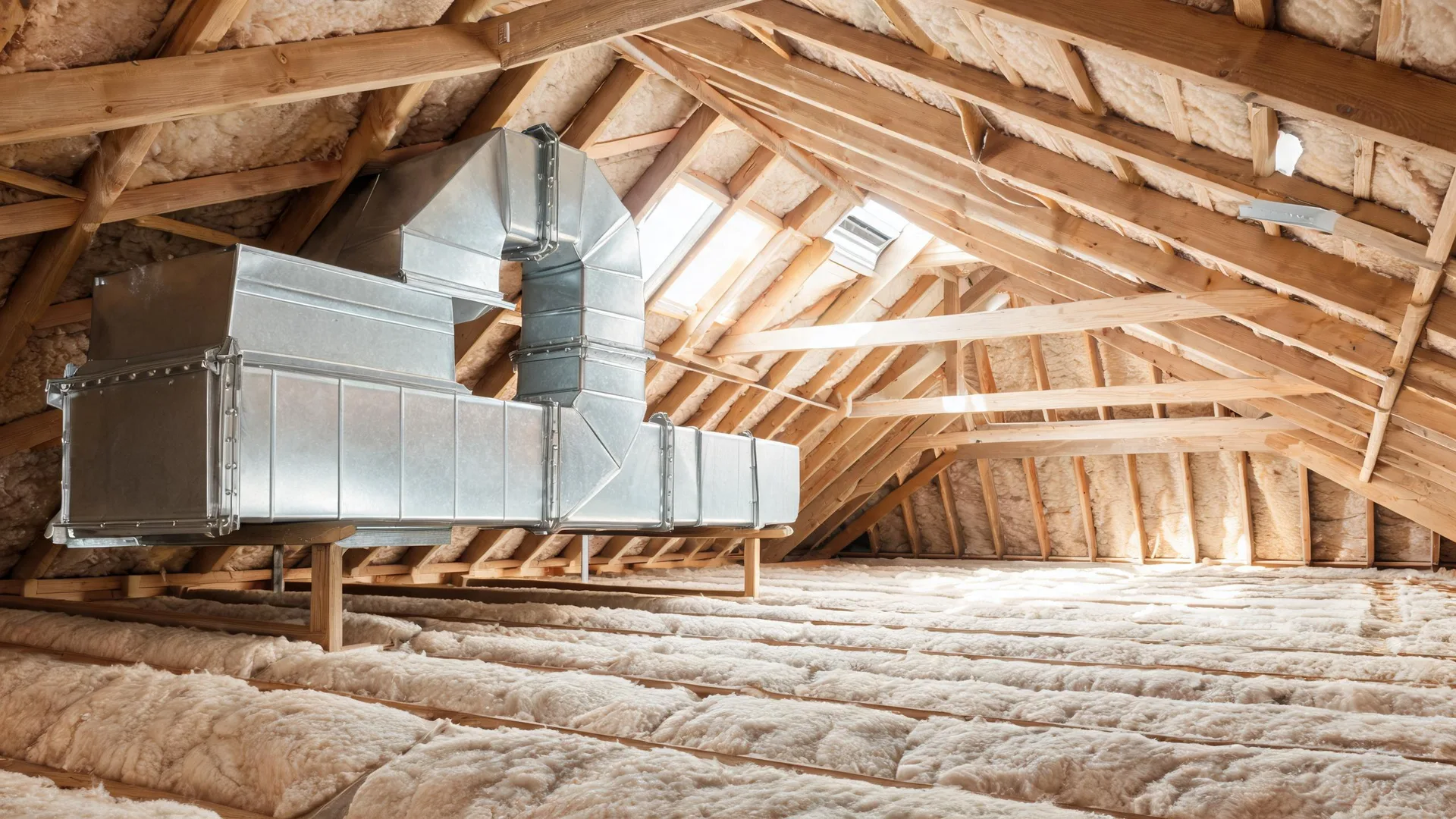
Where the old unit sits, how the new one gets carried in, and whether the electrical panel can take the new load all change what the install actually takes. A straight swap in an easy spot goes quickly. A system that needs new line sets run, a disconnect moved, or panel work done before it can even be hooked up takes longer, and none of that shows up on the equipment's price tag.

An outdoor air conditioning condenser unit on a concrete pad next to the gray vinyl siding of a residential home.

A higher-efficiency unit would save about $30 a year to run in Berkeley County compared with a new unit at the federal minimum.

  • A higher-efficiency unit$410 a year
  • A new unit at the federal minimum, 14.3 SEER2$440 a year

Estimates for a typical Berkeley County home, from EIA household energy data, South Carolina fuel prices and NOAA climate normals. Your home will differ.

Install day starts with the old system coming out. The refrigerant gets recovered from the line set before anything is disconnected, since it can't legally be vented into the air. After that, the work is mostly carpentry and plumbing. The new pad or bracket goes in outside, the air handler or coil gets mounted where the old one sat, and new line set gets run between them if the existing lines aren't being reused. That line set gets pressure tested before it's charged. A joint that leaks slowly won't fail on day one, it shows up as weak cooling months later. Once everything's connected, the system gets charged to the weight the manufacturer specifies for that line length, checked against the gauges rather than guessed at. Last comes startup, airflow checked at the vents, the thermostat tested through a full cooling cycle, the system walked through before anyone leaves. A job that skips that last step can look finished and still not be done.