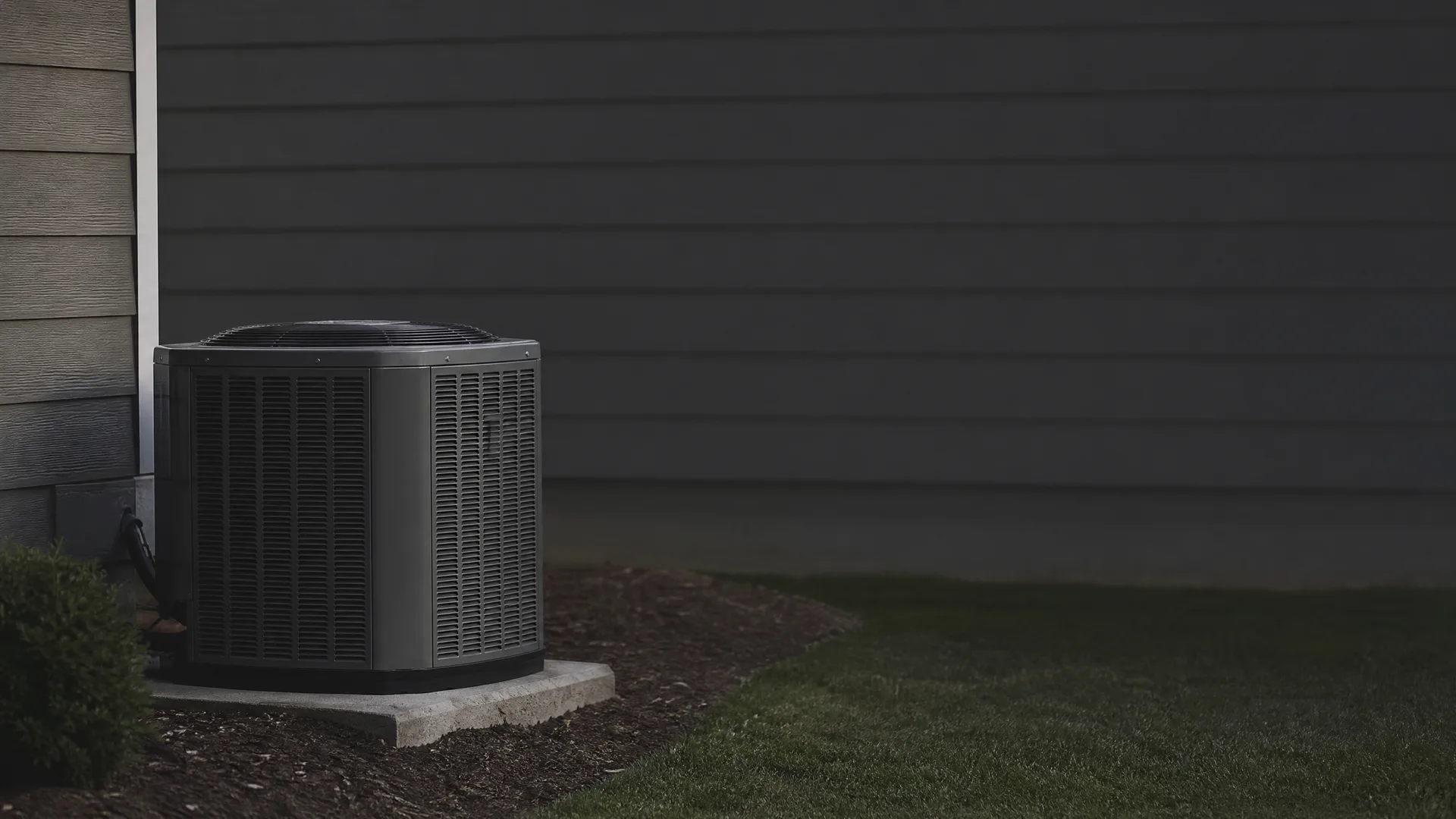
What's actually burning in there
- A burning smell usually traces to the blower motor, a failing capacitor, or wiring at the contactor in the outdoor unit.
- An acrid, plasticky odor points to overheated motor windings or melting wire insulation, not dust.
- A sharp electrical smell near the indoor air handler often means the blower motor bearings are seizing up and the motor is straining.
- If the smell comes with the breaker tripping, the system is pulling more current than the wiring was built to carry.
- A burnt-dust smell that doesn't fade after a few minutes of runtime means something is scorching, not just burning off.
- Running the system after a burning smell shows up can push a small electrical fault into a bigger repair or a fire risk.
The smell is coming from one of two places: the outdoor condenser or the indoor air handler, and where you notice it narrows things down. Outside, the usual culprit is the contactor, the switch that energizes the compressor and condenser fan every time the thermostat calls for cooling. Years of that switching pits the contacts, and a pitted contact arcs and heats up instead of closing clean. That arcing is what you're smelling. A failing capacitor can do something similar, since it forces the compressor or fan motor to draw more current than the wiring expects, and that extra current heats the insulation on the windings. Indoors, the blower motor is the more common source. Its bearings wear over thousands of hours of runtime, and as they go, the motor has to work harder to keep the fan spinning at the right speed. That extra strain shows up as heat, and heat on motor windings smells sharp and plasticky, not like dust. None of this clears up by waiting it out. A contactor that's arcing or a motor that's straining keeps doing both every time the system runs, and each cycle adds a little more damage to the wiring or the windings until something fails outright, sometimes as a tripped breaker, sometimes as a motor that won't start at all.