





Single-story houses with beige siding and a brick building set on a mown lawn behind a trimmed hedge, framed by large oak branches draped with Spanish moss.

AC Installation in Greenville, SC

Tell us about the job

Takes about a minute. No obligation.

New system or replacementCentral ACGreenville County, SC
Step 1 of 2

What ZIP code is the job in?

Ask what size unit they're proposing and how they got that number. A contractor should walk the house and check the windows, the insulation, the layout, not just measure square footage and guess. An oversized unit cools the air fast and shuts off before it pulls the moisture out, so the house feels clammy even when the thermostat says it's cool. An undersized one runs constantly and never quite catches up on the hottest days. Ask too whether the ductwork was inspected or just reused as is, since new equipment connected to leaky or undersized ducts will never perform the way the brochure says it should. And get the warranty terms in writing, both the parts and the labor, because those often come from different places and expire on different schedules.

5 months
May through September, your air conditioner is on duty
87°F
the average summer afternoon it cools against
78 hail events
in ten years, and hail bends the fins on outdoor coils
13.4 SEER2
the federal minimum any new unit must meet
Isometric line illustration of a cutaway house showing interior rooms, ceiling ductwork connected to an indoor air handler, and an outdoor condenser unit linked by refrigerant lines.
Your air conditioner works hardest from June through August.

NOAA nClimDiv, 1991–2020 normals

Electricity in South Carolina ran 14.23 cents per kilowatt-hour in 2024.

An efficient AC costs less to run every month it's installed, so the SEER rating on the quote is worth comparing line by line.

Five months of 87 degree afternoons, every year, is what a new system here has to handle

Cooling runs May through September
Summer afternoons average 87°F
122 damaging wind events from 2015 to 2024
Before May, Not During ItCooling runs May through September here, so April is the month to get a new system in.

Electricity heats 56.9% of homes in Greenville County, more than any other fuel. A lot of those are heat pumps, which already have an outdoor unit doing the cooling work in summer. If that's your setup, installing new AC often means replacing one system that handles both heating and cooling, not adding a separate one. Utility gas heats 38.4% of homes here, and those houses usually pair a furnace with its own AC condenser outside. Ask the contractor which setup your house has before they quote the job, since that decides whether this is a straight swap or more work than that.

A new system here starts at 14.3 SEER2

Any system installed here now has to meet 14.3 SEER2, the regional minimum for the Southeast and higher than the national floor. That's a fixed point to measure quotes against, not just one more spec on the page. A system that clears it may also qualify for a federal tax credit.

Find a contractor
An outdoor air conditioning condenser unit mounted on a concrete pad beside a house, with electrical conduit running to a wall-mounted disconnect box.

A system that has to take a hit

Five months of running also means five months of exposure to whatever the weather throws at the outdoor unit. Greenville County has seen damaging wind and hail come through regularly, not as a once-in-a-decade event. That's worth asking about before the install, not after. The outdoor unit needs a pad that keeps it level and a clear spot away from fencing or anything that could come loose in a storm. Ask the contractor where they plan to place it and whether the disconnect is easy to reach, since that matters when something needs a reset or a repair after a bad afternoon.

Taking out the old unit is part of the job

The old condenser has refrigerant in it, and that refrigerant has to be recovered before the unit comes apart. A licensed contractor uses a recovery machine to pull it out and store it, rather than letting it vent into the air. Ask whether removal and disposal are included in the quote, since some contractors haul the old equipment away and others leave that to the homeowner.

The new unit may not fit the old spot

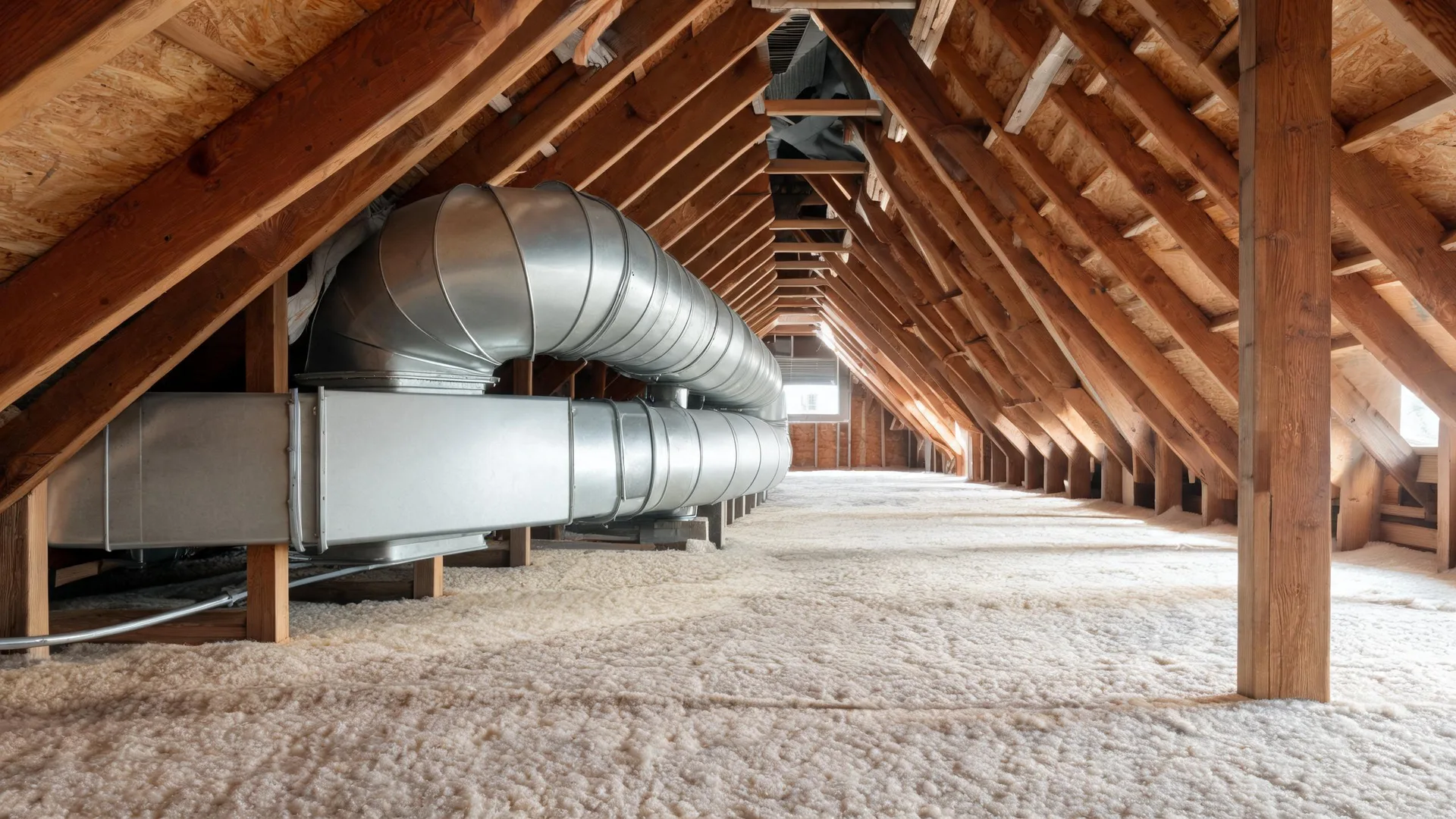
A new condenser often has a different footprint than the one it replaces, so the existing pad may not be the right size anymore. The line set connecting the indoor and outdoor units usually gets replaced too rather than reused, since old line sets can hold contamination that shortens the life of new equipment. Ask whether the quote includes a new pad and line set or assumes the old ones will work.

An outdoor air conditioning condenser unit positioned beside a blue-sided house at sunset.

Going above the federal minimum saves little here, about $10 a year.

  • A higher-efficiency unit$280 a year
  • A new unit at the federal minimum, 14.3 SEER2$290 a year

Estimates for a typical Greenville County home, from EIA household energy data, South Carolina fuel prices and NOAA climate normals. Your home will differ.

Installation day starts with the old system coming out and the new one going in, but most of the day actually goes to the parts you don't see. The line set gets run and brazed, then the whole system gets pulled down to a vacuum. That clears out the air and moisture before any refrigerant goes in. Skip that step or rush it and the compressor is working against moisture from day one, which shortens its life no matter how good the equipment is. Once it's charged, a contractor checks the refrigerant level against the manufacturer's spec for that exact line set length, not just a gauge reading that looks close enough. The last thing to check is airflow, whether the system is actually moving the amount of air it's rated for through the ducts that are already there. A condenser can be perfectly installed and still underperform if nobody checks that the ducts can keep up with it.