
How long an AC unit lasts in Greenville, SC
Your new air conditioner project goes to an installer who works in Greenville County.
Match me with a proHow long does an AC unit last in Greenville, SC?
Your AC has been running for a while, maybe it's starting to act up, or maybe you're just doing the math on when to plan for a new one. Either way you want a real number, not a vague range pulled from somewhere that isn't Greenville. Summers here are long and sticky, and the unit runs hard for most of the year, so it's fair to wonder if that shortens things compared to what the box says it should last.
Most AC units in Greenville last 12 to 15 years
That's a few years shorter than the 15 to 20 years you'll see quoted nationally, and the reason comes down to how much the unit runs. Summer here stretches from April into October, so the compressor and the outdoor fan are working six or seven months a year instead of three or four. That extra runtime adds up over a decade faster than it does in a cooler climate. If your system gets regular maintenance and the refrigerant charge stays correct, it can hold closer to 15 years. One that's been neglected, or that's undersized for the house, tends to wear out sooner, often needing major repairs well before then.
Why the heat matters more here
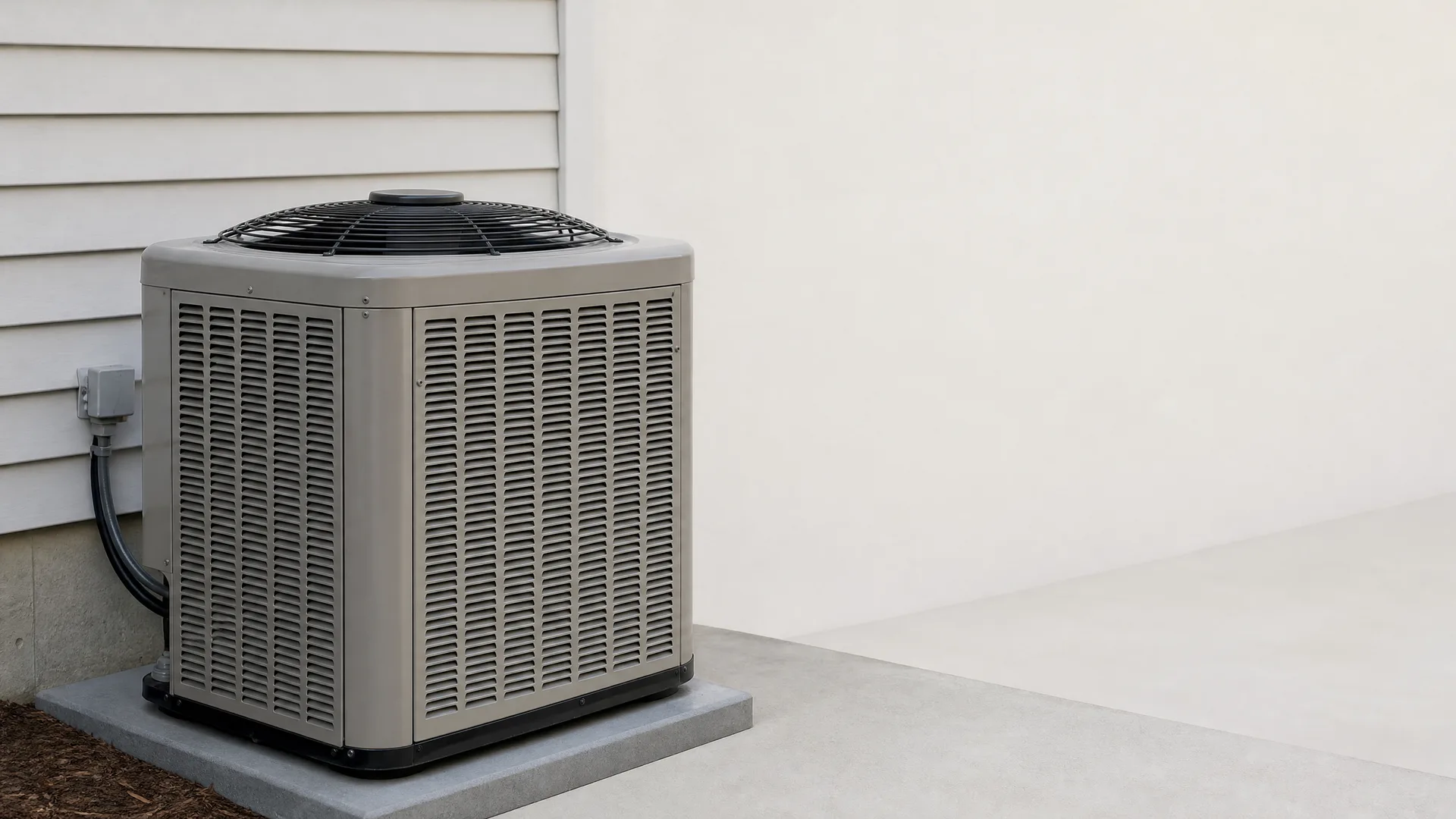
Your compressor sits outside and runs for long stretches once summer settles in around Greenville, cycling on and off less than it should because the heat barely lets up. That steady workload wears on the compressor and the fan motor faster than it would somewhere with a shorter, milder summer. A unit pushed hard for that many months a year simply logs more run hours over its life than the same equipment would up north.
What shortens the life further
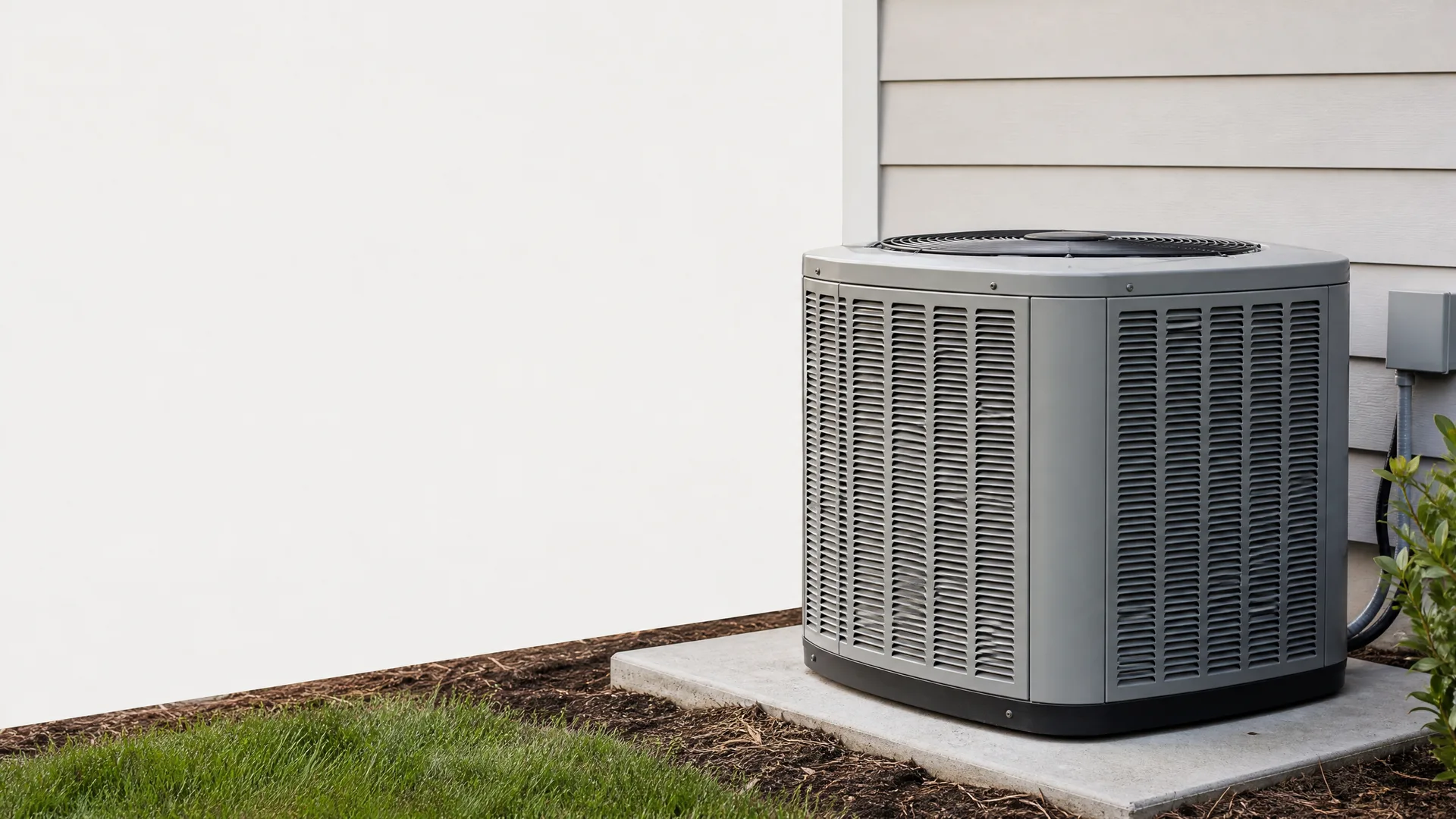
A unit that's undersized for the house, or one that was never quite charged right at install, works harder than it should on every single hot afternoon. So does a system with a dirty coil or a clogged filter, since both make the compressor strain to move the same amount of air. None of that shows up as a sudden breakdown. It shows up as a system that gives out a few years before it should have.
Cooling runs May through September
Five months of cooling is a long stretch for one machine to carry every year. That compressor outside your house gets a real break only from October to April, so the wear it takes each summer adds up faster here than it would somewhere with a shorter season.
NOAA nClimDiv 1991-2020
Keeping the old one going
A unit that's past twelve or thirteen years can still run fine through a Greenville summer if it's been taken care of. Regular maintenance, filters changed on schedule, coil kept clean, refrigerant charge correct, lets a system hang on longer than the number on its age tag suggests. Repairs get more frequent as parts wear, and R-22 systems cost more to service since that refrigerant is no longer made. If the compressor is still sound and the repairs stay small, there's a real case for riding it out another season rather than replacing on a schedule. The tradeoff is the electric bill. An older unit pulls more power to do the same job, and that difference shows up every month from April through October.
Replacing before it fails
A new system installed before the old one quits means you're not choosing a contractor in a hurry during the hottest week of July with no cooling in the house. It also means newer equipment going into summer at full capacity instead of limping through on a weakening compressor or a low charge. A working AC that gets replaced ahead of a breakdown can be sized and matched to the house properly, rather than swapped out fast for whatever's in stock. The cost comes due on your terms instead of an emergency's. For a homeowner who's kept up with the house all along, planning the replacement is the same habit as the maintenance that got the old unit this far.




Get matched with an air conditioner pro in Greenville County
If your AC is getting up there in years and you're tired of wondering whether the next hot stretch is the one that breaks it, you don't have to figure out the rest on your own. Getting quotes on a new system usually means calling a handful of companies, explaining your setup to each one, waiting on callbacks, and then trying to compare bids that are never quite apples to apples. That's the part worth skipping. Once you know roughly where your unit stands, the next step is just getting someone out to look at it and tell you what it actually needs, whether that's a few more summers of maintenance or a full replacement before next season hits. Greenville summers don't leave much room for a system to fail at the wrong time, so if you're already thinking about it, it's worth having someone qualified take a look now rather than waiting for the unit to decide for you.
How the outdoor unit actually works
- Refrigerant pulls heat from inside the house and the compressor outside pumps it into the outdoor air.
- A failing capacitor is one of the most common reasons a compressor won't start on a hot afternoon.
- The condenser coil has to stay clean, because dirt or grass clippings packed into the fins trap heat the system needs to release.
- Low refrigerant doesn't just cool worse, it makes the compressor run harder and shortens its life.
- The fan motor on top of the outdoor unit moves air across the coil, and a weak motor leaves the coil working against trapped heat.
- A system that short cycles, turning on and off in quick bursts, puts more wear on the compressor than one that runs in long steady stretches.
Your outdoor unit has one job: get the heat that refrigerant picked up inside the house out into the air outside. That exchange happens at the condenser coil, and everything that shortens a compressor's life traces back to something making that exchange harder than it should be. Grass clippings or cottonwood fluff packed into the coil fins trap heat against the unit instead of letting it release, so the compressor has to run longer to move the same amount of heat. The fan motor on top is what pushes air across that coil in the first place, and if it's weakening, the coil stays hotter than it's built to run even when it's clean. Refrigerant matters just as much. A system low on charge isn't just cooling worse, it's forcing the compressor to work harder for less effect, and that extra strain adds up over a summer like Greenville's. The capacitor is a smaller part but it's the one that decides whether the compressor starts at all. When it weakens, you'll often hear the unit hum and try, then quit, right when it's hottest outside. And a system that short cycles, kicking on and off in quick bursts instead of running in long steady stretches, puts more wear on that compressor over a season than one that's sized and charged right and just runs. None of these are rare failures. They're the ordinary ways an outdoor unit gets pushed past what it's built to handle, especially across a long Greenville summer.


You notice it in small ways before the unit quits outright. The house takes longer to cool off after you get home. The bill creeps up in July and August even though nobody's changed how they use the thermostat. Walk from room to room and one feels right while another still feels warm, a sign the system can't push air the way it used to. None of that is a reason to panic, but it's worth paying attention to, especially once a unit is past the ten or twelve year mark common here. The real risk is timing. A compressor that's been struggling to start on the hard days doesn't usually wait for a convenient moment to fail. It gives out during the stretch in July or August when Greenville is at its worst, and that leaves you without cooling while you sort out what to do next. A system that's needed a few repairs already in its last couple of years is telling you something about how much longer it has.
What an aging AC costs you
- A unit nearing the end of its life often runs longer cycles to hit the same temperature you used to get in half the time.
- A higher summer power bill without any other change in the house usually means the system is working harder to do the same job.
- A compressor that struggles to start on the hottest afternoons is more likely to fail on the day you need it most.
- Warm air from some vents and cold from others points to a system losing the capacity it once had.
- If the unit fails in July or August, you're looking at days without cooling while you sort out repair or replacement, not a quick fix.
- A system held together by repeated repairs in its last few years tends to fail at the worst possible time, not a convenient one.


The air here doesn't just get hot, it gets heavy. Summer dew points in Greenville County average 65°F across June, July and August, according to NOAA climate data, and that's the kind of air your AC has to wring the moisture out of before it can even start cooling the room. The compressor and coil both do more work per degree than they would in a drier climate. That's why a system here can run long stretches on a humid afternoon and still leave the house feeling only half cool. Over a summer, that extra load is part of what shortens a unit's life.
NASA POWER T2MDEW
Most AC units in Greenville last somewhere between twelve and fifteen years, and where yours falls in that range comes down to how it's been run and maintained, not just the date on the install sticker. A unit that's been serviced every year and kept clean can stretch past that window. One that's been neglected, or that's spent summer after summer straining through the heavy, humid air here, can wear out sooner. If yours is getting up there and starting to show the signs, longer cycles, a higher bill, more repairs than last year, you don't have to spend your weekend calling around to different companies, repeating the same details about your system to each one, and then sitting with a stack of quotes trying to figure out which one actually makes sense. You can get matched with a contractor who knows what a Greenville summer does to a system like yours, and let them take it from there.
A local pro for your air conditioner installation
One form replaces the calls you'd make to find an air conditioner pro.