





Overhead view of an outdoor AC condenser unit on a concrete pad next to a house with a dark shingle roof.

AC Maintenance in Bennettsville, SC

Tell us about the job

Takes about a minute. No obligation.

Tune-up, service, or cleaningCentral ACMarlboro County, SC
Step 1 of 2

What ZIP code is the job in?

Electricity in South Carolina ran 14.23 cents per kilowatthour in 2024. A dirty coil or a low refrigerant charge makes the compressor work harder to cool the same house, and that extra draw shows up on the bill every month it goes unfixed. A tune-up catches the dirty coil, the weak capacitor, the low charge, before the unit has to fight through a whole summer like that. The cost of letting it run rough adds up faster here than in a place with cheaper power.

5 months
May through September, your air conditioner is on duty
90°F
the average summer afternoon it cools against
4 hail events
in ten years, and hail bends the fins on outdoor coils
69 wind events
in ten years, and wind drives debris into outdoor units
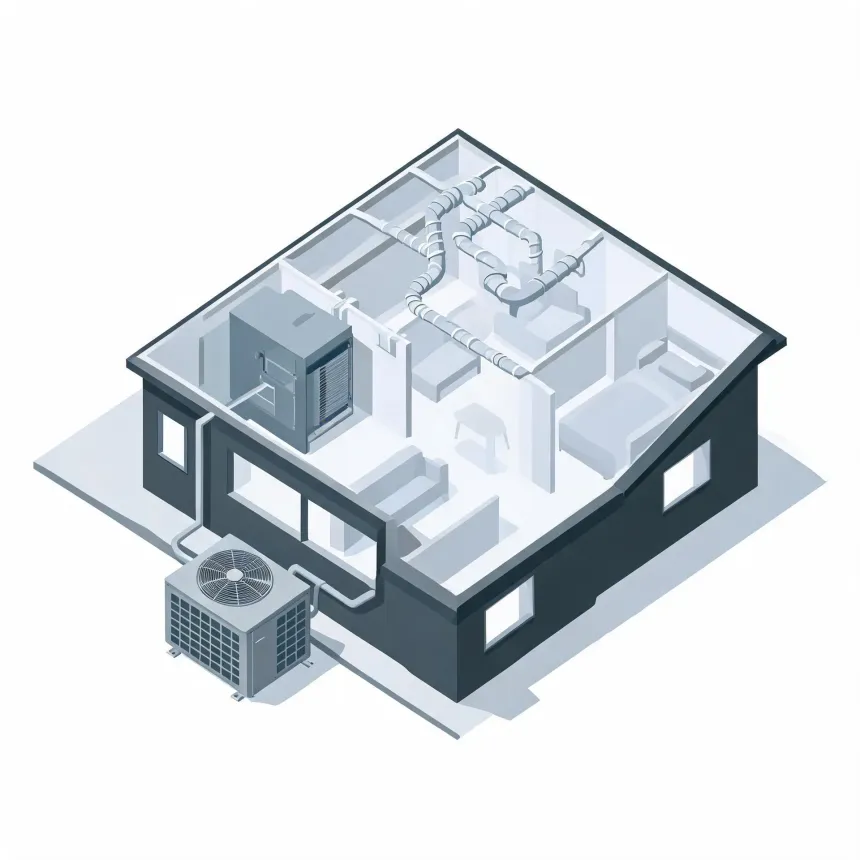
Isometric cutaway illustration of a small house showing interior rooms with furniture, ceiling ductwork and an air handler, plus an outdoor condenser unit connected by refrigerant lines beside the building.
Your air conditioner works hardest from June through September.

NOAA nClimDiv, 1991–2020 normals

A quick visit checks if the system turns on and blows cold air.

A thorough one pulls the capacitor readings, checks the refrigerant charge against the manufacturer spec, and washes down the condenser coil.

Half the homes here are old enough that nobody's checked this system in years

Half the homes here were built by 1977
Cooling runs May through September
Summer afternoons average 90°F

Five months of cooling here, with afternoon highs averaging 90 all through June, July and August. That's a long stretch of the compressor running flat out just to keep a house comfortable. A capacitor or a contactor that's wearing thin usually makes it through spring without any sign. Then July hits and it has to work every day, all day, and that's when it quits. Getting the system checked before the heat sets in catches the weak part while it's still just weak, not failed.

A tune-up pays for itself here

A neglected system uses more power, and power costs more here. A tune-up pays for itself.

Find a contractor
A man in a gray work shirt and tan pants carries a canvas tool bag up wooden porch steps toward a dark green front door, with a potted shrub to the right.
A gray cylindrical air conditioning condenser unit mounted on a concrete pad next to a light-colored vinyl-sided house exterior.

Get it checked once a year, every year

A yearly check is what catches a weak part before it fails. The tech tests the capacitor and the contactor, checks the charge, and tells you what's wearing thin. If your system came with the house, that's worth asking about at the first visit, since nobody may have looked at it since.

A dirty coil doesn't announce itself

The condenser coil collects dust and grass clippings over a season of running, and nothing on the thermostat tells you it happened. Heat transfer just gets worse a little at a time. The compressor ends up working harder to do the same job, and it keeps doing that until something gives out.

What fails is usually what nobody looked at

A capacitor loses its charge slowly, not all at once. A contactor pits and wears from switching on and off all season. Left alone, either one goes from weak to failed with no warning in between, usually on the hottest day it has to work.

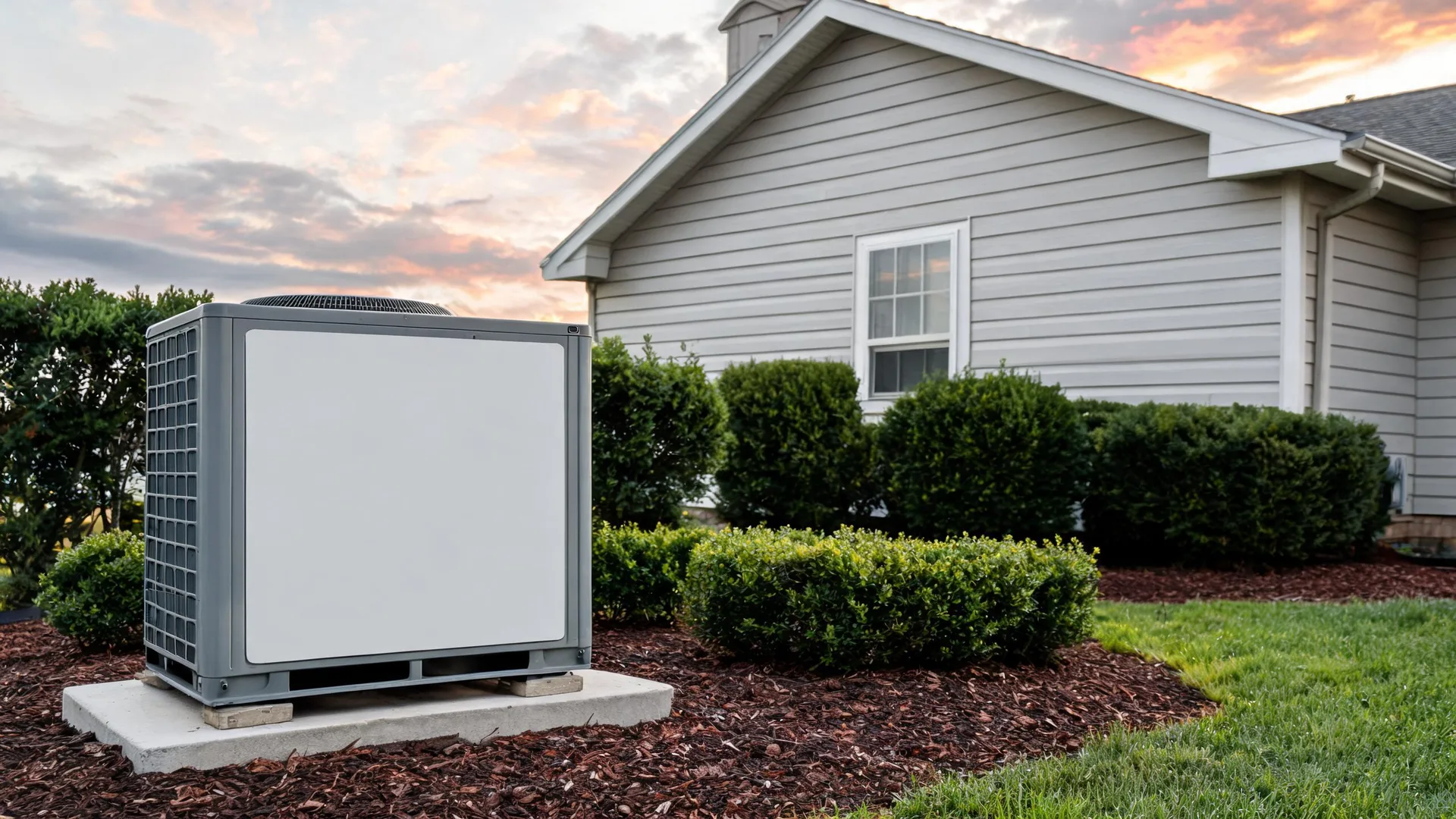
Aerial view of a gray central air conditioning condenser unit on a concrete pad next to a house with vinyl siding.

Book your AC tune-up in April, before homes here start needing cooling in May.

  1. Jan
  2. Feb
  3. Mar
  4. Apr
  5. May
  6. Jun
  7. Jul
  8. Aug
  9. Sep
  10. Oct
  11. Nov
  12. Dec

A tune-up checks the refrigerant charge, cleans the coils, tests the capacitor and tightens the electrical connections.

A proper tune-up starts outside at the condenser. The tech cuts power, pulls the panel, and checks the capacitor and contactor before touching anything else, since those are the parts most likely to be weak without showing it. The coil gets washed down if it's caked with dust or grass, because airflow across it is what lets the system dump heat outside at all. Refrigerant charge gets checked against the manufacturer spec, not just topped off by feel. Inside, the evaporator coil and the drain line get a look too, since a clogged drain backs up and trips the float switch, shutting the system down on its own. The tech also checks the blower wheel and the electrical connections at the air handler, since a loose wire causes the same breakdown as a worn part.