





Aerial view of a gray outdoor air conditioning condenser unit mounted on a concrete pad next to a house with vinyl siding.

AC Maintenance in Edgefield, SC

Tell us about the job

Takes about a minute. No obligation.

Tune-up, service, or cleaningCentral ACEdgefield County, SC
Step 1 of 2

What ZIP code is the job in?

A dirty coil or a weak capacitor makes the system run longer to cool the same house, and here that difference shows up on the bill. South Carolina electricity ran 14.23 cents per kilowatthour in 2024, and an AC that's losing efficiency doesn't use a little more power, it uses more every single hour it runs. A tune-up catches the coil that needs cleaning or the capacitor that's starting to weaken before it costs you all summer. That's the whole case for doing it before anything breaks.

5 months
May through September, your air conditioner is on duty
91°F
the average summer afternoon it cools against
19 hail events
in ten years, and hail bends the fins on outdoor coils
73 wind events
in ten years, and wind drives debris into outdoor units
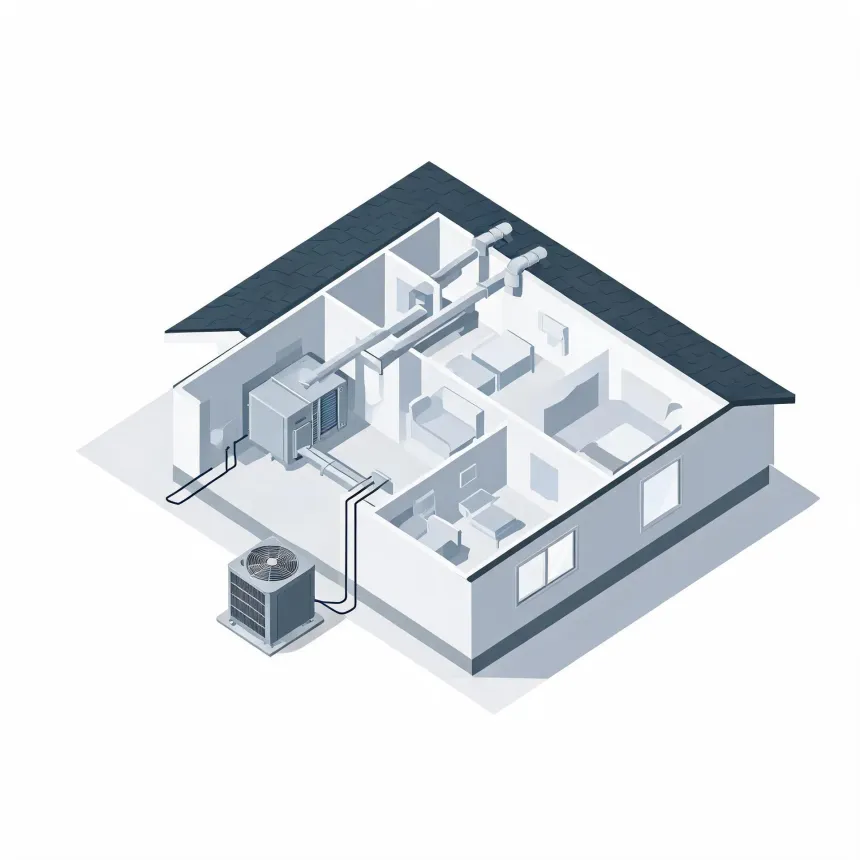
Isometric cutaway illustration of a single-story house showing interior rooms, ceiling ductwork, an indoor air handler, and an outdoor condenser unit connected by lines, in gray and white tones on a white background.
Your air conditioner works hardest from June through September.

NOAA nClimDiv, 1991–2020 normals

One visit a year is enough, even with the system running hard all summer.

Skip it and a weak part just keeps running the way it is until someone checks it.

May is when it starts working. April is when to get it checked.

Cooling runs May through September
Summer afternoons average 91°F
Power costs 14.23 cents a kWh statewide

Five months of cooling here, May through September, with afternoon highs averaging 91 in June, July and August. That's a long stretch of hard running, and it doesn't let up in the evening the way it does in milder places. A capacitor or a contactor that's starting to go will often make it through spring without any sign. Then the heat sets in for good and it gives out. Get the system checked before that stretch starts, while there's still time to find the weak part instead of waiting for it to fail.

A tune-up pays for itself here

A neglected system uses more power, and power costs more here. A tune-up pays for itself.

Find a contractor
A man in a dark long-sleeved shirt and tan pants, seen from behind, carries a worn canvas tote bag as he climbs wooden steps toward a dark green front door flanked by a potted shrub.
A gray metal air conditioning condenser unit mounted on a concrete pad in a flat grassy field under a partly cloudy sky.

What's wrong doesn't show from outside the cabinet

Everything in the outdoor cabinet is sealed up and out of sight, so the system can look fine from the outside while something inside is already on its way out. A refrigerant line can develop a slow leak that takes a whole season to become a real problem. A capacitor can read weak under load long before it quits outright. Corrosion can build on a connection inside the disconnect box where nobody ever looks. The system keeps running through all of it, just not the way it should, until the day it doesn't run at all.

The filter is the first line of defense

Air has to pass through the filter before it reaches the coil, and a filter clogged with dust forces the system to work harder to pull air through. Airflow drops, the evaporator coil runs colder than it should, and ice can start to form on it. A filter is the cheapest part in the whole system and the easiest one to check yourself.

The coil and drain fail quietly

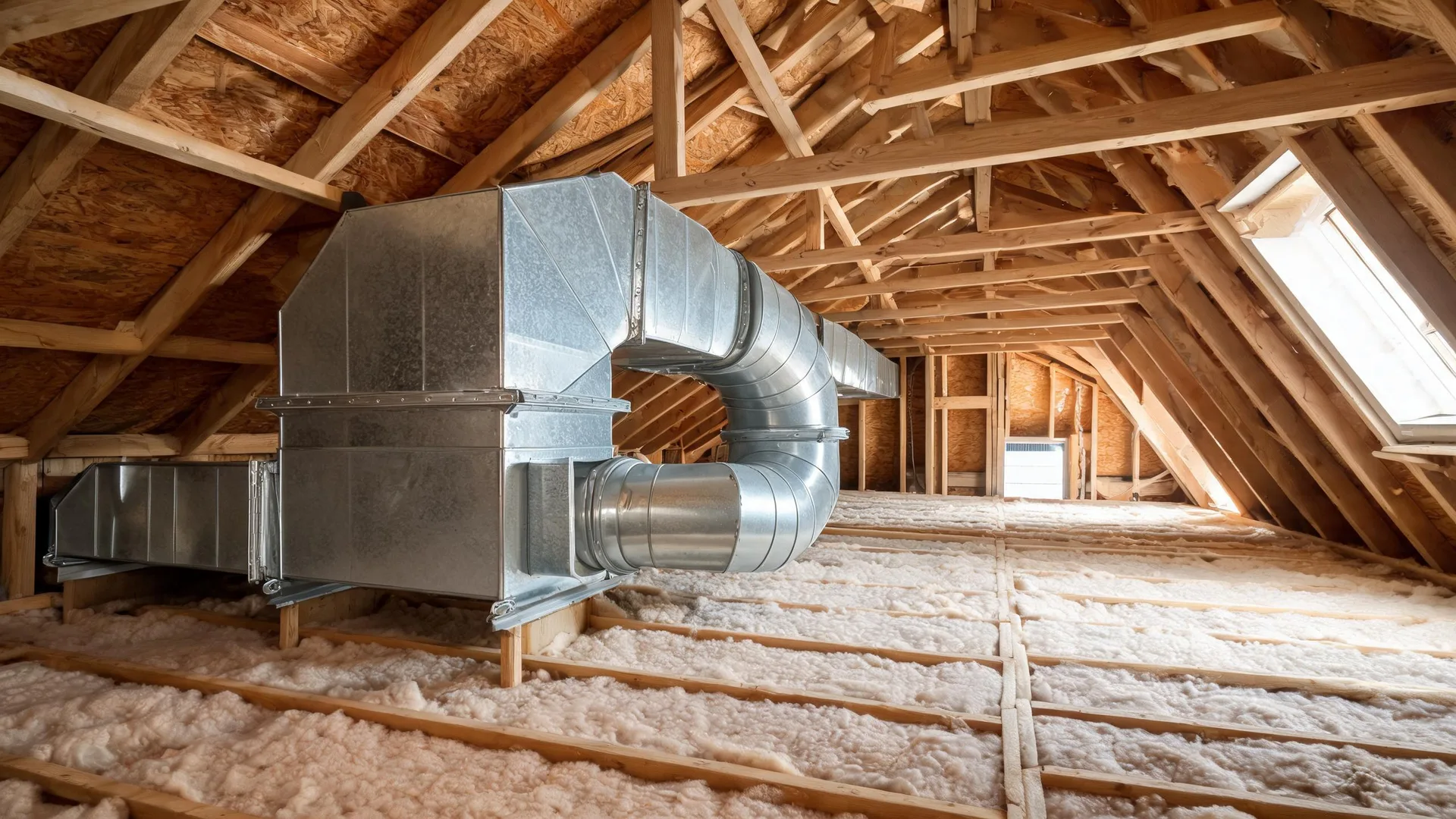
The evaporator coil has to stay clean to absorb heat from the air, and a layer of dust or grime on it makes the whole system work harder to do the same job. The condensate drain line carries off the water that coil pulls from the air, and when it clogs with algae or debris, that water backs up and spills into the house instead. Neither one shows a warning sign until the damage is already done.

Aerial view of a gray central air conditioning condenser unit on a concrete pad next to a house with vinyl siding.

Book your AC tune-up in April, before homes here start needing cooling in May.

  1. Jan
  2. Feb
  3. Mar
  4. Apr
  5. May
  6. Jun
  7. Jul
  8. Aug
  9. Sep
  10. Oct
  11. Nov
  12. Dec

A tune-up checks the refrigerant charge, cleans the coils, tests the capacitor and tightens the electrical connections.

A tune-up is the one time a year someone opens the cabinet and looks at the parts that never get checked otherwise. The refrigerant charge gets checked against what the system calls for, since too little and the system can't pull heat out of the air the way it should, and too much makes it work just as hard in a different way. The capacitor gets tested under load, not just looked at, because a capacitor can measure fine sitting still and still fail the first hot afternoon it has to start the compressor. Electrical connections get tightened, since a loose one builds heat and that heat is what burns a wire or a terminal. The condenser fan motor gets checked for play in the bearing, and the blower wheel gets checked for the dust buildup that throws it out of balance. None of this shows up from outside the unit. It only shows up when someone opens it and checks.