





An outdoor air conditioning condenser unit mounted on a concrete pad next to a blue-sided residential house at sunset.

AC Maintenance in Kingstree, SC

Tell us about the job

Takes about a minute. No obligation.

Tune-up, service, or cleaningCentral ACWilliamsburg County, SC
Step 1 of 2

What ZIP code is the job in?

Electricity in South Carolina ran 14.23 cents per kilowatthour in 2024. A dirty coil or a weak capacitor makes the compressor work harder to do the same job, and that extra work shows up on the meter every month the system runs. A tune-up catches the dirty coil, the low refrigerant charge, the clogged filter, before any of it turns into a breakdown. It also keeps the unit from quietly costing more to run than it should.

5 months
May through September, your air conditioner is on duty
90°F
the average summer afternoon it cools against
5 hail events
in ten years, and hail bends the fins on outdoor coils
36 wind events
in ten years, and wind drives debris into outdoor units
Isometric cutaway illustration of a house showing interior ductwork, an air handler, and an outdoor condenser unit connected by lines, with simple furniture in the rooms.
Your air conditioner works hardest from June through September.

NOAA nClimDiv, 1991–2020 normals

Williamsburg County saw 36 damaging wind events between 2015 and 2024.

A once-a-year tune-up catches a loose connection or worn mount before the next storm finds it.

May shows up fast here. Have it looked at in April.

Cooling runs May through September
Summer afternoons average 90°F
Power costs 14.23 cents a kWh statewide

One visit a year is enough for most AC systems, and that holds true here too. About half the homes in Williamsburg County were built in 1985 or earlier, half in 1985 or later, so a tech might be working on an older condenser or a newer one depending on the address. Either way the yearly visit covers the same ground. Clean the coil, check the refrigerant charge, test the capacitor, look over the electrical connections. Mobile homes are a large share of the housing stock in this county, and the AC units serving them get the same once-a-year visit as any other home. The schedule does not change. What a tech finds when they get there does.

A tune-up pays for itself here

A neglected system uses more power, and power costs more here. A tune-up pays for itself.

Find a contractor
An outdoor air conditioning condenser unit mounted on a concrete pad beside a house, with electrical conduit running to a wall-mounted disconnect box.

Book it before the heat sets in

Get the system looked at before May, not after. A capacitor or contactor that's already weak won't announce itself until the heat is steady and the compressor is running most of the day. By then it's a breakdown call instead of a tune-up.

A gauge set tells you more than a glance

A quick visit gets a filter swap and a look at the outside unit. A thorough one puts gauges on the lines and checks the refrigerant charge against what the system actually calls for, not just whether the air coming out feels cold. A system can blow cold and still be low on charge, and that shortage is what burns out a compressor early.

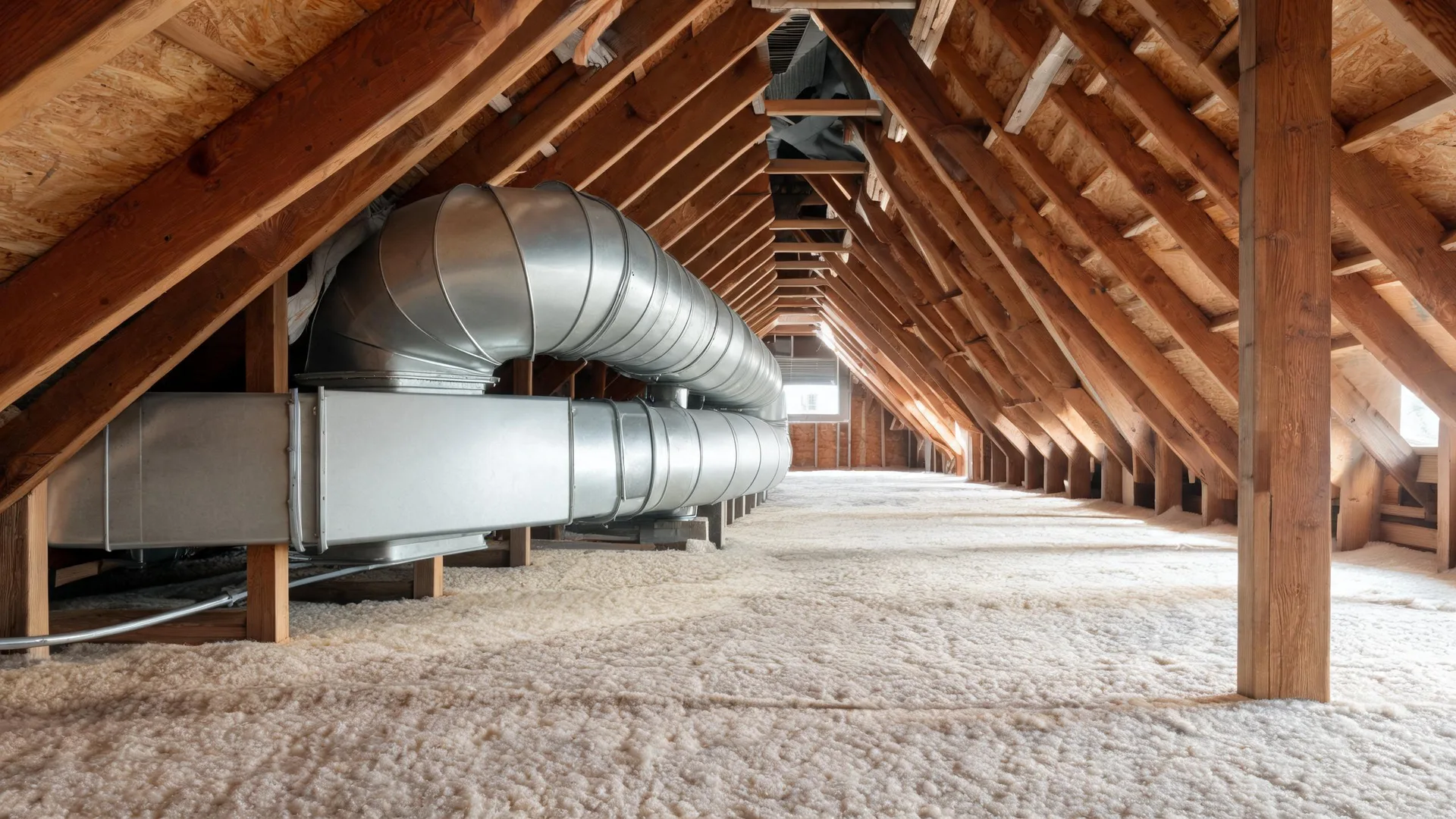
The capacitor gets tested, not guessed at

A capacitor can look fine and still be weak. A real tune-up checks it with a meter against its rated value, because a capacitor that's drifted out of range makes the compressor and fan motor strain every time the system cycles on. Skip that test and the first sign of trouble is a unit that won't start.

An outdoor air conditioning condenser unit positioned beside a blue-sided house at sunset.

Book your AC tune-up in April, before homes here start needing cooling in May.

  1. Jan
  2. Feb
  3. Mar
  4. Apr
  5. May
  6. Jun
  7. Jul
  8. Aug
  9. Sep
  10. Oct
  11. Nov
  12. Dec

A tune-up checks the refrigerant charge, cleans the coils, tests the capacitor and tightens the electrical connections.

A proper tune-up starts outside at the condenser. The coil gets washed clean of the dirt and grass clippings that build up over a season, because a dirty coil can't shed heat the way it's supposed to and the compressor runs longer to make up for it. The fan motor and blades get checked for wobble or noise. Refrigerant lines get inspected for rubbing or chafing where they pass through the wall. Inside, the evaporator coil gets a look too, since it collects dust the same way and restricts airflow when it's caked up. The condensate drain gets flushed, because a clogged drain backs up and can shut the whole system down or let water damage the space around it. Electrical connections at the disconnect box and inside the unit get tightened, since a loose connection heats up and burns over time. None of this takes long when the system is healthy. It takes longer, and matters more, on a system that hasn't been touched in a while.