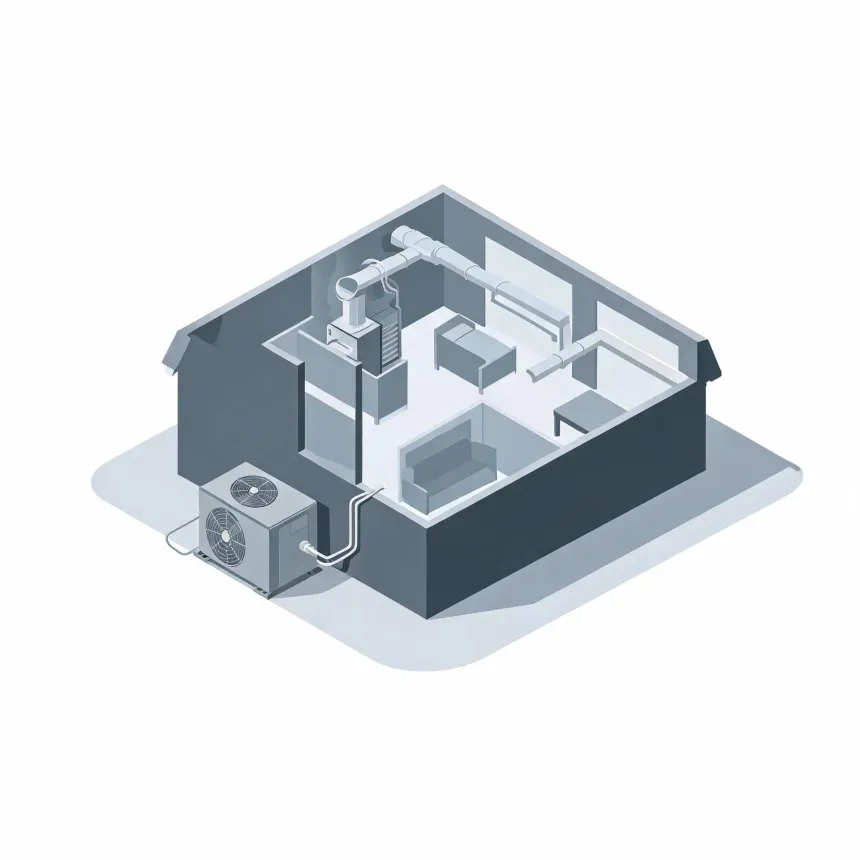
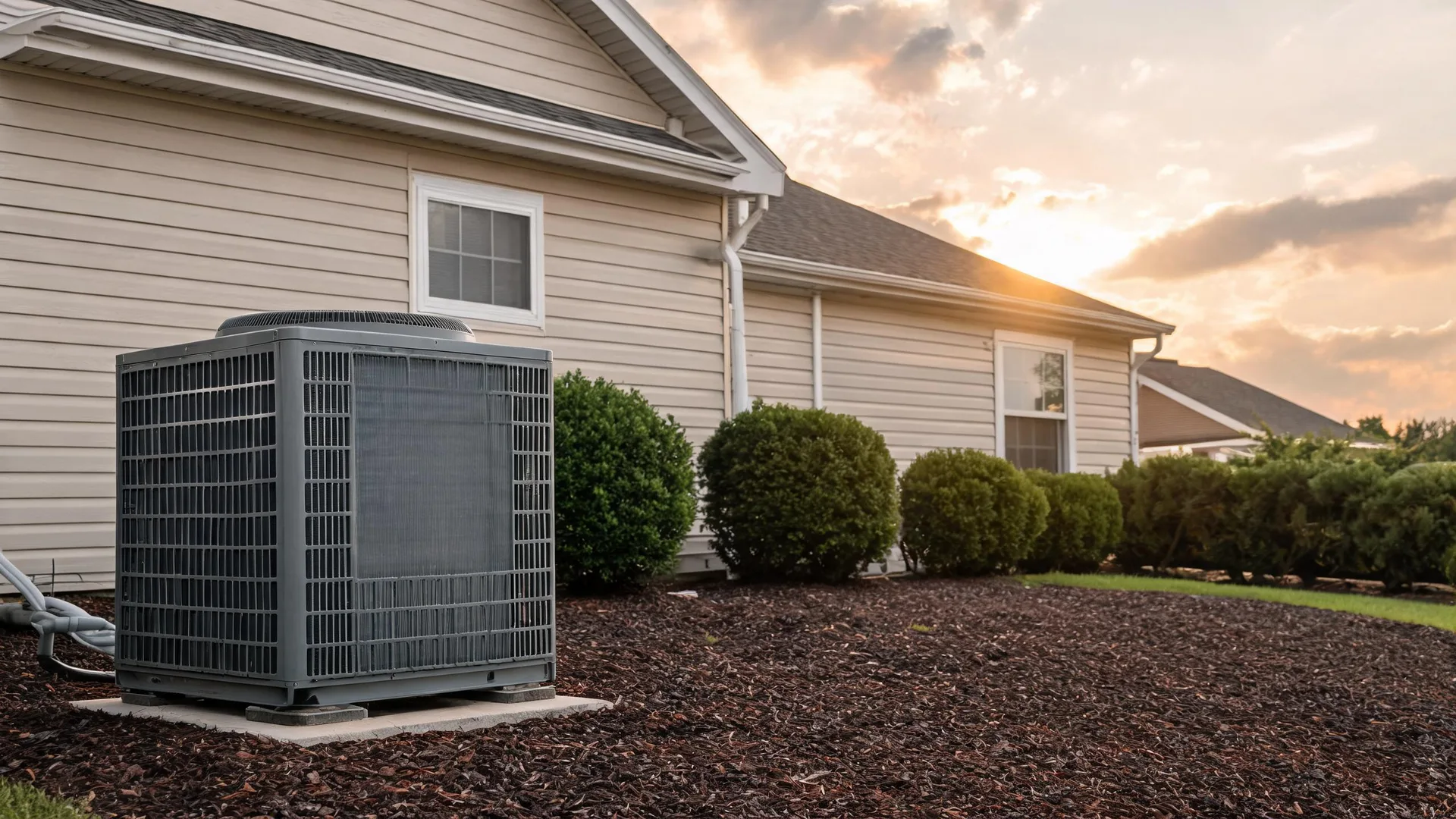
A dirty condenser coil can't shed heat the way it should, so the compressor runs longer and hotter to hit the same temperature. Airflow drops when the filter and blower wheel load up with dust, and the system starts working harder for less cooling. None of this trips a breaker or throws a code. It just wears the compressor down a little more each season until the day it doesn't start.
A tune-up catches what you can't see
A technician checks refrigerant charge, tightens electrical connections, and tests capacitor strength, things that fail quietly long before the system quits on you. Loose connections overheat and burn. A weak capacitor makes the compressor strain on startup. Catching those during a routine visit means a repair now instead of a breakdown later, usually on the hottest day of the year when you need the system most.
5 months
May through September, your air conditioner is on duty
89°F
the average summer afternoon it cools against
12 hail events
in ten years, and hail bends the fins on outdoor coils
59 wind events
in ten years, and wind drives debris into outdoor units
Your air conditioner works hardest from June through September.
Jan
Feb
Mar
Apr
May
Jun
Jul
Aug
Sep
Oct
Nov
Dec
NOAA nClimDiv, 1991–2020 normals
Half the homes in Laurens County were built in 1985 or earlier.
An older system still gets through the summer fine if it's checked once a year.
May is the first full month of cooling here, so April is the month to get it checked
Cooling runs May through SeptemberSummer afternoons average 89°FPower costs 14.23 cents a kWh statewide
Power here costs more, so waste costs moreSouth Carolina homes paid 14.23 cents per kilowatt-hour in 2024.
Getting the system checked before May means a weak capacitor gets found and swapped out while the system is sitting idle. Wait until it fails in June or July and the house has no cooling until someone can get out to you, right when the afternoons are sitting near 89 degrees. A refrigerant leak behaves the same way. Caught early it's a small top-off. Left alone through a summer of long runs, the compressor works on a low charge for months, and that is what wears it down, not the leak by itself. None of this calls for more than the yearly visit already on the schedule. It just means doing it before the heat sets in instead of after.
Get the system looked at before May. A capacitor or a low charge found before the season starts is a quick fix. The same problem found in July or August, in the middle of a run of 89 degree afternoons, means the system is either down or straining to keep up while you wait on a repair.
The filter decides what the coil sees
A clogged filter does not just cut airflow. It lets dust slip past and settle on the evaporator coil, and once that coil is coated it cannot absorb heat the way it should. The system ends up running longer to move the same amount of heat, and everything downstream works harder because of one part going unchanged.
A blocked drain backs up into the house
The evaporator coil pulls moisture out of the air all summer, and that water has to leave through the condensate drain. Algae and dust build up in that line the same way they do in any drain that stays wet. When it clogs, the water backs up into the drain pan and from there into the ductwork or through the ceiling below, which is a water problem that started as a maintenance problem.
Book your AC tune-up in April, before homes here start needing cooling in May.
Jan
Feb
Mar
Apr
May
Jun
Jul
Aug
Sep
Oct
Nov
Dec
A tune-up checks the refrigerant charge, cleans the coils, tests the capacitor and tightens the electrical connections.
A tune-up is more than a filter swap. The technician pulls the panel and checks the capacitor and contactor, the parts that get the compressor started and keep it running without drawing more current than it should. Refrigerant charge gets checked against what the system calls for, since even a small leak changes how well it cools. The condenser coil outside gets cleaned so it can shed heat properly, and the evaporator coil inside gets looked at for the same reason. The condensate drain gets cleared before it has a chance to back up. Blower wheel, electrical connections, thermostat response, all of it gets checked while the system is apart, not after something fails.