




Low-angle view across a lawn with pine straw in the foreground toward a single-story brick house with a dark shingled roof and covered porch, beside a large moss-draped oak and pine trees under an overcast sky.

AC Maintenance in Saluda, SC

Tell us about the job

Takes about a minute. No obligation.

Tune-up, service, or cleaningCentral ACSaluda County, SC
Step 1 of 2

What ZIP code is the job in?

South Carolina homes paid 14.23 cents per kilowatthour in 2024. A dirty coil or a low refrigerant charge makes the compressor work harder to hit the same temperature, and that extra work shows up on the meter every month the problem goes unfixed. A tune-up catches the dirty coil, the weak capacitor, the low charge, before any of it turns into a bigger repair. At that rate per kilowatthour, a system running clean costs less to own than one left alone.

5 months
May through September, your air conditioner is on duty
91°F
the average summer afternoon it cools against
19 hail events
in ten years, and hail bends the fins on outdoor coils
74 wind events
in ten years, and wind drives debris into outdoor units
Isometric line illustration of a cutaway house showing interior rooms with ductwork, an air handler and furnace, connected by lines to an outdoor condenser unit on the ground outside.
Your air conditioner works hardest from June through September.

NOAA nClimDiv, 1991–2020 normals

Saluda County logged 74 damaging wind events and 19 hail events in the last ten years.

Your outdoor unit sits outside through all of it, so have it checked for bent fins and debris before summer runs it hard.

May is the first full month of cooling here, so get the check done in April

Cooling runs May through September
Summer afternoons average 91°F
Power costs 14.23 cents a kWh statewide

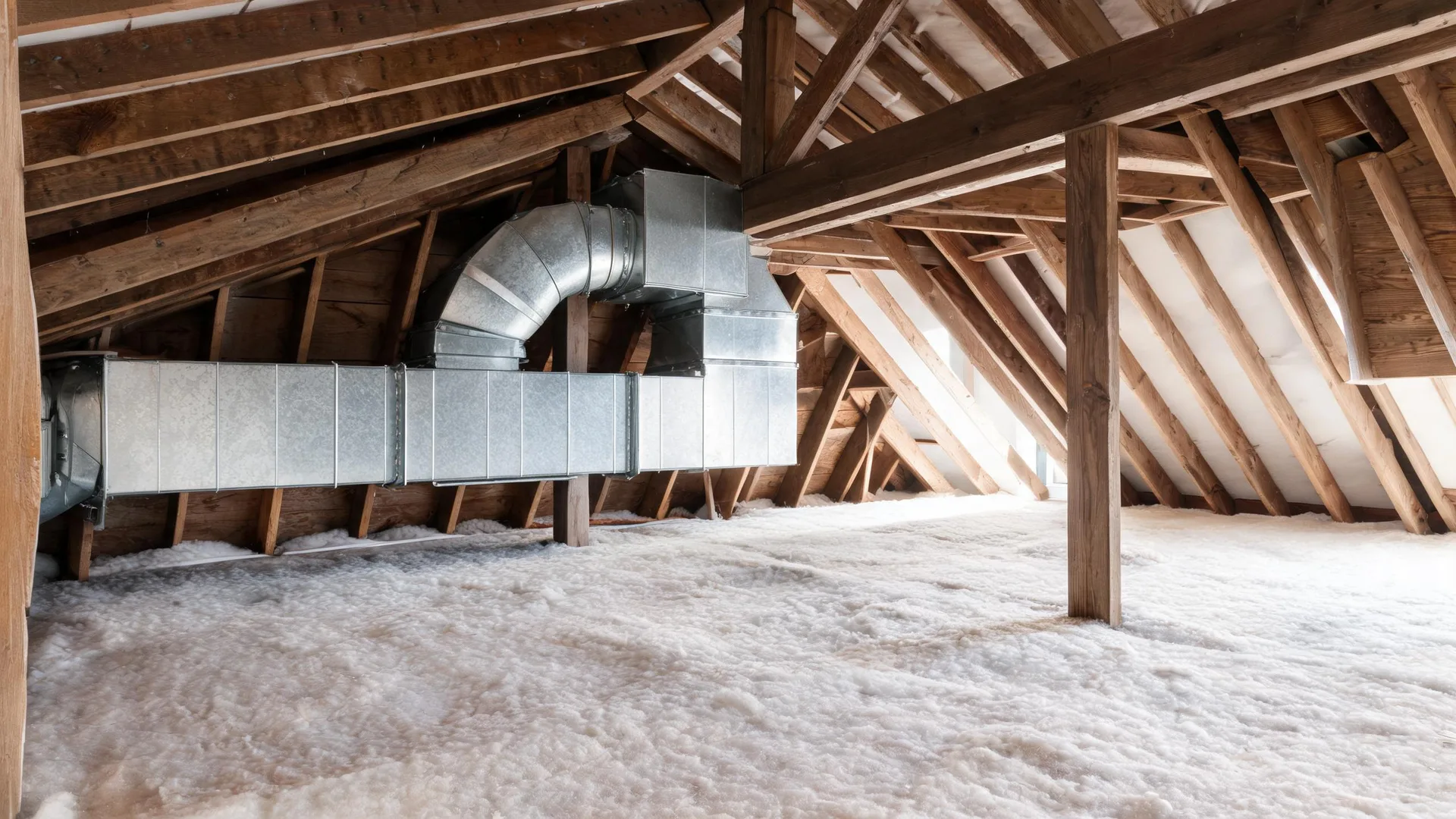
The filter is the cheapest part of this system and the one most people ignore. A clogged filter starves the indoor coil of airflow, and that coil needs steady airflow to pull heat out of the air. Starve it long enough and it can ice over, right there in the middle of summer, and ice on the coil means no cooling until it thaws. The outdoor coil has its own job, shedding that heat back outside, and it can't do that through a layer of dirt or cut grass packed into the fins. The drain line matters just as much, even though nobody thinks about it. That line carries away the condensation the system pulls out of the air, and when it clogs, the water has nowhere to go but back into the house.

Five months of 91 degree afternoons wear this system fast

Cooling runs May through September here, and June, July and August push the afternoon high to 91°F on average. That is five straight months with the compressor working to hit temperature on the hottest part of the day. Parts under that kind of load wear sooner, and a worn capacitor or a coil losing airflow tends to show itself right after the season starts, not before.

Find a contractor
A gray residential air conditioning condenser unit mounted on a concrete pad outdoors, surrounded by green grass under a partly cloudy blue sky.

Have it checked before the season, not during it

Get the capacitor and the coil looked at before the season starts. A tune-up catches a worn capacitor on the bench, not in your driveway in July when the unit won't start. The same goes for a coil that's lost airflow. Find it in the spring and there's still time to fix it before the system has to run flat out.

A skipped tune-up doesn't show up right away

A capacitor losing strength still starts the compressor most days. A coil with a little dirt on it still cools the house. None of it announces itself. The system just quietly loses the margin that was keeping it reliable, and that margin is what maintenance was protecting.

The breakdown happens on the worst day, not a random one

A weak part fails under load, not at rest. That means the capacitor that was going to give out picks the hottest afternoon of the year to do it, because that's when the compressor is working hardest. Skipped maintenance doesn't just raise the odds of a breakdown. It times it badly.

Overhead view of an outdoor AC condenser unit on a concrete pad next to a house with a dark shingle roof.

Book your AC tune-up in April, before homes here start needing cooling in May.

  1. Jan
  2. Feb
  3. Mar
  4. Apr
  5. May
  6. Jun
  7. Jul
  8. Aug
  9. Sep
  10. Oct
  11. Nov
  12. Dec

A tune-up checks the refrigerant charge, cleans the coils, tests the capacitor and tightens the electrical connections.

A tune-up means someone opens the cabinet and actually tests things, not just looks at them. The capacitor gets checked under load, since a capacitor can read fine sitting still and still fail the moment the compressor asks something of it. The refrigerant charge gets measured against what the system is supposed to hold, because too little and the compressor overworks, too much and it does the same for a different reason. The coil gets inspected and cleaned if it needs it, both the one outside and the one in the air handler. Electrical connections get checked for corrosion and looseness, since a loose connection generates its own heat and that heat damages whatever it touches. The condensate line gets cleared so it can still carry water out when the system starts pulling humidity out of the air in earnest. None of this is guesswork. It's the same handful of parts checked the same way, because those are the parts that fail.