

A white wall-mounted mini-split air conditioner on a dark blue-gray interior wall, with a dim adjacent room containing a lit table lamp, framed artwork, curtains and a window, and a houseplant blurred in the foreground.

Stop chasing a mini split pro

Can a mini split cool a whole house in Goose Creek, SC

A single mini split can carry a room or two. Whether it can carry your whole house in Goose Creek depends on how many zones you have, how the house is laid out, and the size of the unit against your square footage. This page gets into what makes that work and what it takes to get there. Instead of sorting through installers yourself, you can send one form and let a contractor sort out whether your house is a fit.

Hand off the search

A single mini split usually cannot cool a whole house on its own. Most units are built to carry one or two rooms, and a house in Goose Creek with central hallways, a second floor, or rooms closed off from the indoor unit will have areas the airflow never reaches. Whole house coverage takes a multi-zone system, with an outdoor unit sized to run several indoor heads, one in each main room or wing, so cooling reaches every part of the house instead of just the room where the unit hangs. Summers here run long and humid, so a single undersized unit will struggle to pull moisture out of rooms it cannot directly cool, and those rooms will feel damp even when the one with the unit feels fine. Whether your house can be covered depends on its layout and square footage against how many zones you install. A contractor who sizes the system room by room can tell you what your house actually needs.

  1. A contractor measures each room to find its heat load.

  2. That load decides how many indoor heads the house needs.

  3. Each indoor head runs its own line back to the outdoor unit.

  4. The outdoor unit splits its capacity across every zone at once.

What does that mean for cooling a whole house here

  • Cooling runs May through October

    Six months of cooling means every room a mini split can't reach stays uncomfortable for most of the year, not just a few weeks.

  • Heat runs November through March

    Five months of heat puts the same strain on zones the system misses, since most homes here rely on electric heat to cover them.

  • Power here costs 15.58 cents per kilowatt-hour

    At 15.58 cents per kilowatt-hour, a single overworked head trying to cover rooms it wasn't sized for runs up the bill for half the year.

NOAA nClimDiv 1991-2020 · EIA-861 2025

A white wall-mounted mini-split air conditioner installed high on a beige interior wall near the ceiling, with a white-framed window at the left edge.

One zone, carrying the load it was sized for

This is what a mini split looks like when it's covering the room it was matched to. The unit sits high on the wall, pulling air in and sending it back out at the temperature you set. A single zone like this can hold a bedroom or a living room steady through a Goose Creek summer without strain.

A dusty, stained wall-mounted mini-split air conditioner indoor unit near the ceiling on a plain beige wall, with visible lint buildup at its intake grille.

A zone asked to do more than it can

Dust and grime like this build up when a unit runs long hours against a load it wasn't sized for, pulling air through the filter nonstop trying to cover ground beyond its zone. A mini split stretched past its room this way struggles for months instead of weeks, and the grime is a sign of that strain, not just a cleaning problem.

A closed laptop and a stoneware mug on a wooden table, with a kitchen counter, wood cabinets, white tile backsplash, potted plants and a window behind.

What an uncovered room costs you in Goose Creek

If your mini split only reaches part of the house, the rooms it misses show it fast. A back bedroom or a bonus room over the garage sits warm from April through September, and whoever sleeps there runs a window unit or a fan just to get through the night. Humidity is the part people don't expect. A room with no airflow holds onto moisture even if the hallway outside it feels fine, and that's what leads to musty closets and damp drywall in a house like yours in Berkeley County.

Figuring out whether your system can be extended, or whether it was undersized from the start, means getting a contractor out to measure the rooms and check the outdoor unit's capacity against what's actually installed. That's normally a few calls, a wait for quotes, and explaining the same layout to each contractor who walks through. Sending one form here does that part for you, and the legwork of finding someone qualified to look at it stops being yours to carry.

A mug and a small round vase sit on a wooden windowsill beside sheer and heavier curtains, with blurred autumn trees seen through the rain-speckled window and a sofa with cushions and a throw in the foreground.
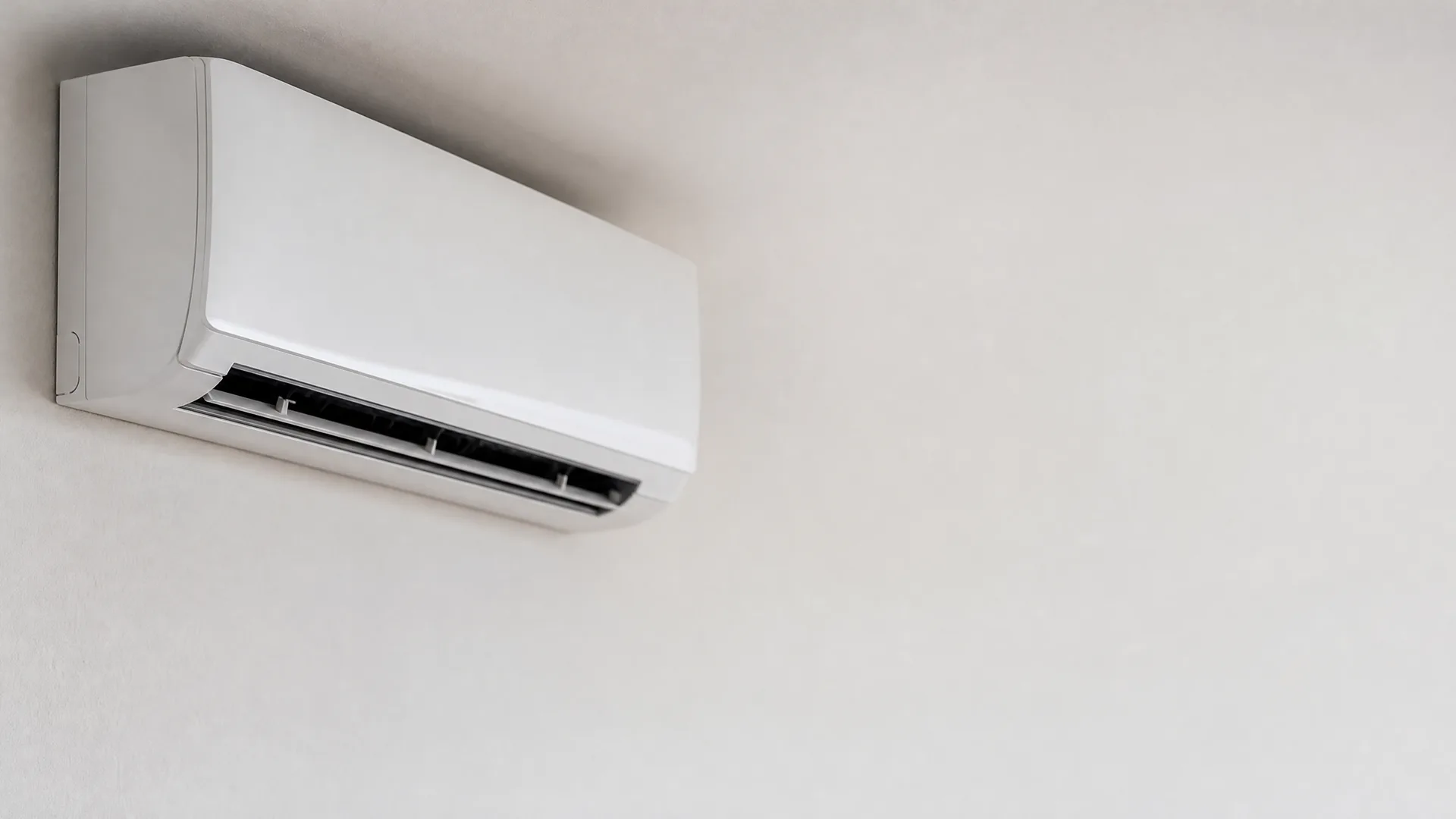
A white wall-mounted mini-split air conditioner indoor unit on a plain light-colored wall, with empty space to the right.

Sizing by tonnage and zones

A whole-house system is sized by tonnage, the amount of heat it can move per hour, and that tonnage gets split across every indoor head running at once. A 3-ton outdoor unit feeding four zones doesn't give each room a full 3 tons. It divides that capacity by what each room's heat load calls for. A contractor's measurements decide how many tons the house needs and how many zones that unit can actually carry before a room gets shorted.

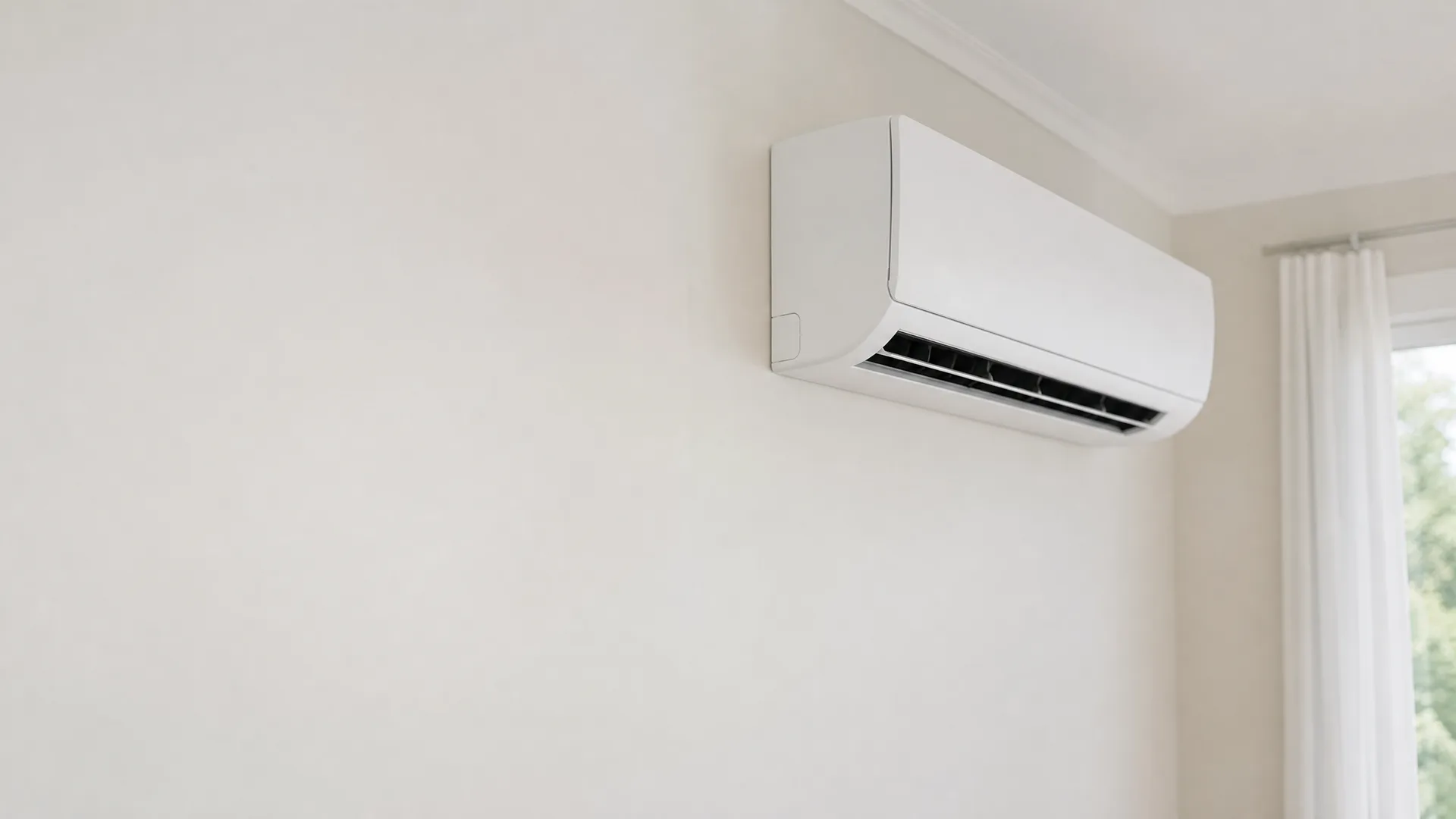
A white wall-mounted mini-split air conditioner on a plain light-colored interior wall, with a sheer white curtain and window with green foliage at the right edge.

Line length and outdoor unit limits

Every indoor head needs its own refrigerant line run back to the outdoor unit, and most outdoor units have a limit on total line length and on how many zones they can serve at once. A single-story house in Goose Creek with rooms spread far from where the outdoor unit sits may hit that limit before every room gets a head. That's part of why a contractor plans the zone count before picking the unit.

One Zone or Whole House

Single zone, part of the house

  • One indoor head covers the room it was matched to, usually the living room or the main bedroom.
  • Install goes faster and the line set run is shorter, since there's only one indoor unit to place.
  • Rooms down the hall or upstairs rely on open doors and hallway airflow to get any cooling at all.
  • A closed door in July turns that room into the hottest spot in the house within an hour.
  • Cost stays lower upfront, but you're still running window units or portable fans somewhere in the house.
  • Works well if you're only trying to cool a converted garage, a sunroom, or one problem room.

Multi-zone, whole house

  • Each room gets its own indoor head, sized and placed for that room's heat load.
  • The outdoor unit has to be sized for every zone running together, not just one room at a time.
  • A bonus room over the garage or a back bedroom gets the same coverage as the main living space.
  • More indoor heads means more wall space used and more line sets run back to the outdoor unit.
  • You set each room's temperature on its own, so an empty guest room doesn't need to run as hard.
  • Installation takes longer and costs more, since a contractor is wiring and mounting multiple units instead of one.
A white wall-mounted mini-split air conditioner indoor unit installed near a textured ceiling on a plain beige wall, with visible dust and discoloration on its casing and vent.
Before you get your mini split installation
A white wall-mounted mini-split air conditioner indoor unit on a light gray wall above a white baseboard and wood-look floor.
After you get your mini split installation

Cooling runs May through October

Six months of that is a long stretch for any room your mini split doesn't reach well. If a zone is undersized or missing, you'll feel it from the first warm week in May clear through October, not just on the worst days.

NOAA nClimDiv 1991-2020

An older man with gray hair in a navy quarter-zip fleece reclines on a light upholstered sofa with his eyes closed, beside a potted plant and large sunlit windows.
A woman in a cream knit sweater sits with eyes closed in an armchair beside an open window showing orange and yellow autumn foliage, with a mug and books on a small side table.

Send one request and you're done looking

Describe the project once instead of to every installer.

It costs nothing to send, and you don't have to hire anyone.

A white wall-mounted mini-split air conditioner installed near the ceiling on a beige interior wall, with a window and bamboo blind at the left edge showing green foliage outside.

Covering the room right

This is a mini split sized and placed to carry the room it's in. It sits high on the wall, pulls air in, and sends it back out at the temperature you set, steady through a Goose Creek summer. Nothing about the unit changes to do that. It just has to be matched to the space.

A wall-mounted mini-split air conditioner indoor unit with discolored casing and dusty vents, installed near the ceiling on a plain light-colored wall.

Carrying more than it can

Dust and grime built up like this on the panel and louvers usually mean the unit has been running hard for a long time without a break. A mini split asked to cover more square footage than it was sized for runs longer hours to try to keep up, and the buildup shows it.

Is one room always warmer than the rest of the house

You already know which room it is. Maybe it's the bonus room over the garage, or the bedroom at the end of the hall, farthest from where the indoor unit sits. The air comes on everywhere else, but that room lags behind, sometimes by several degrees. You might notice it as a room nobody wants to sit in after lunch, or a bedroom that only cools off once the sun goes down. A closed door or a nearby wall can be enough to keep the airflow from reaching it. Left alone through a Goose Creek summer, that room stays the one everyone avoids, and the window unit or box fan someone drags in to help is doing the job the mini split was supposed to do.

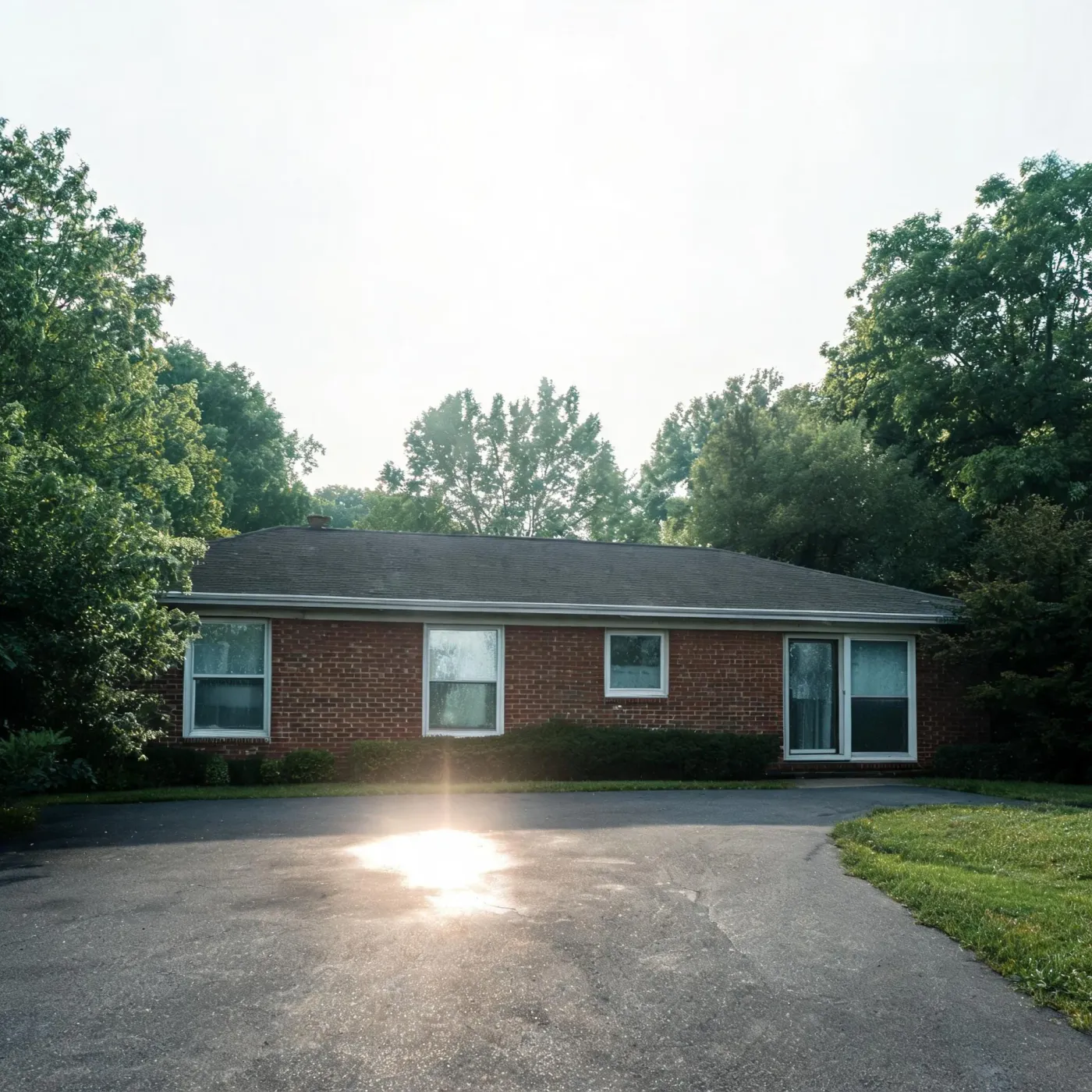
A single-story red brick ranch house with a shingled roof and white-framed windows, fronted by a large paved driveway with sun glare, surrounded by green deciduous trees under a bright hazy sky.

The weather service puts the summer dew point here at 72°F, averaged across June, July and August. That's the number that tells you how heavy the air feels on top of the heat, and it's why a mini split doing the job right pulls real moisture out of a room, not just cool air. A zone that's sized and placed well handles both at once. A zone that's undersized or missing will feel damp even when the thermostat says it's cool, since the air moving through it never gets dried out properly.

NASA POWER T2MDEW

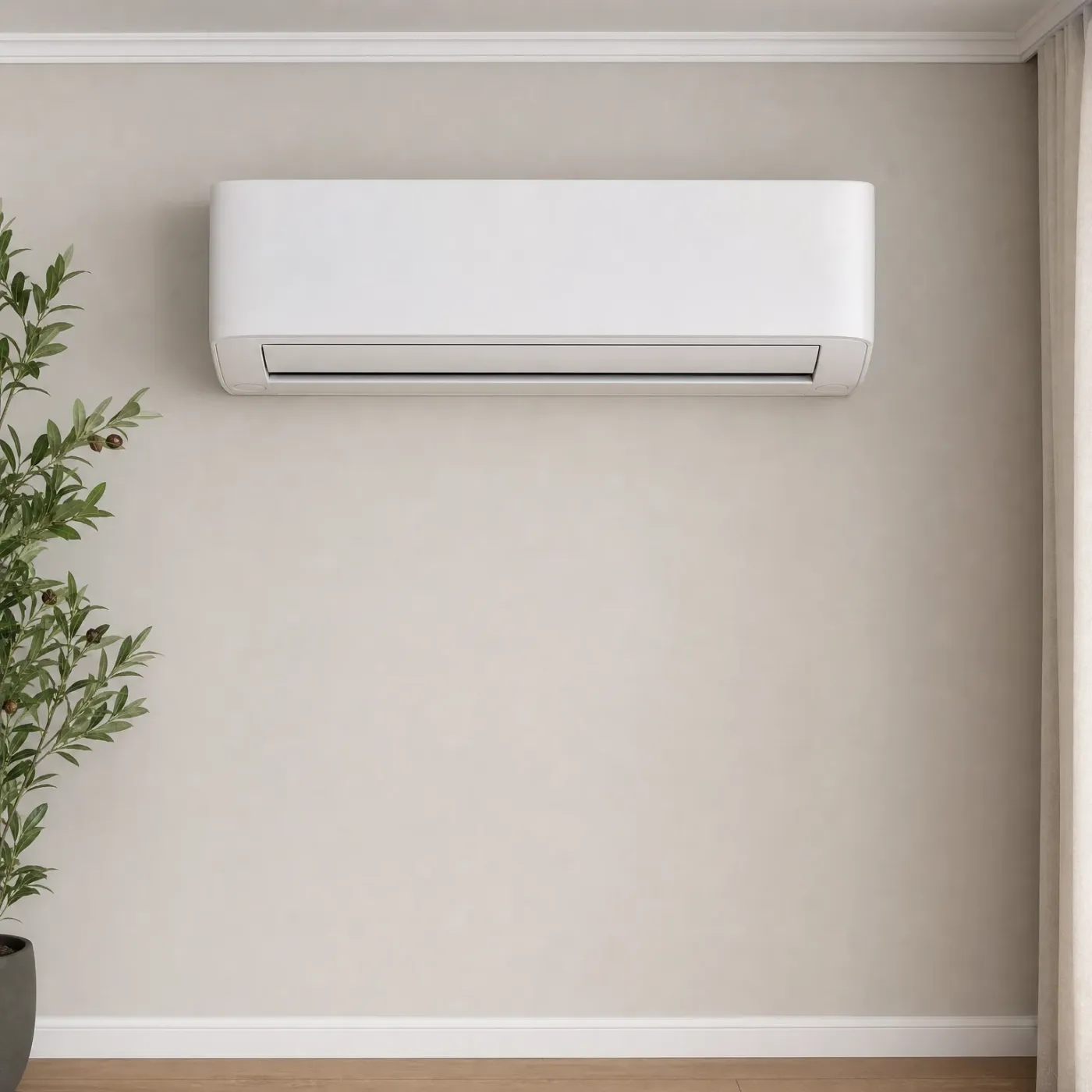
A white wall-mounted mini-split indoor unit on a beige interior wall, with a potted leafy plant at the left and a curtain edge at the right.
A clean mini split like this pulls air in and sends it back cool and dry, with nothing blocking the vents to slow it down.
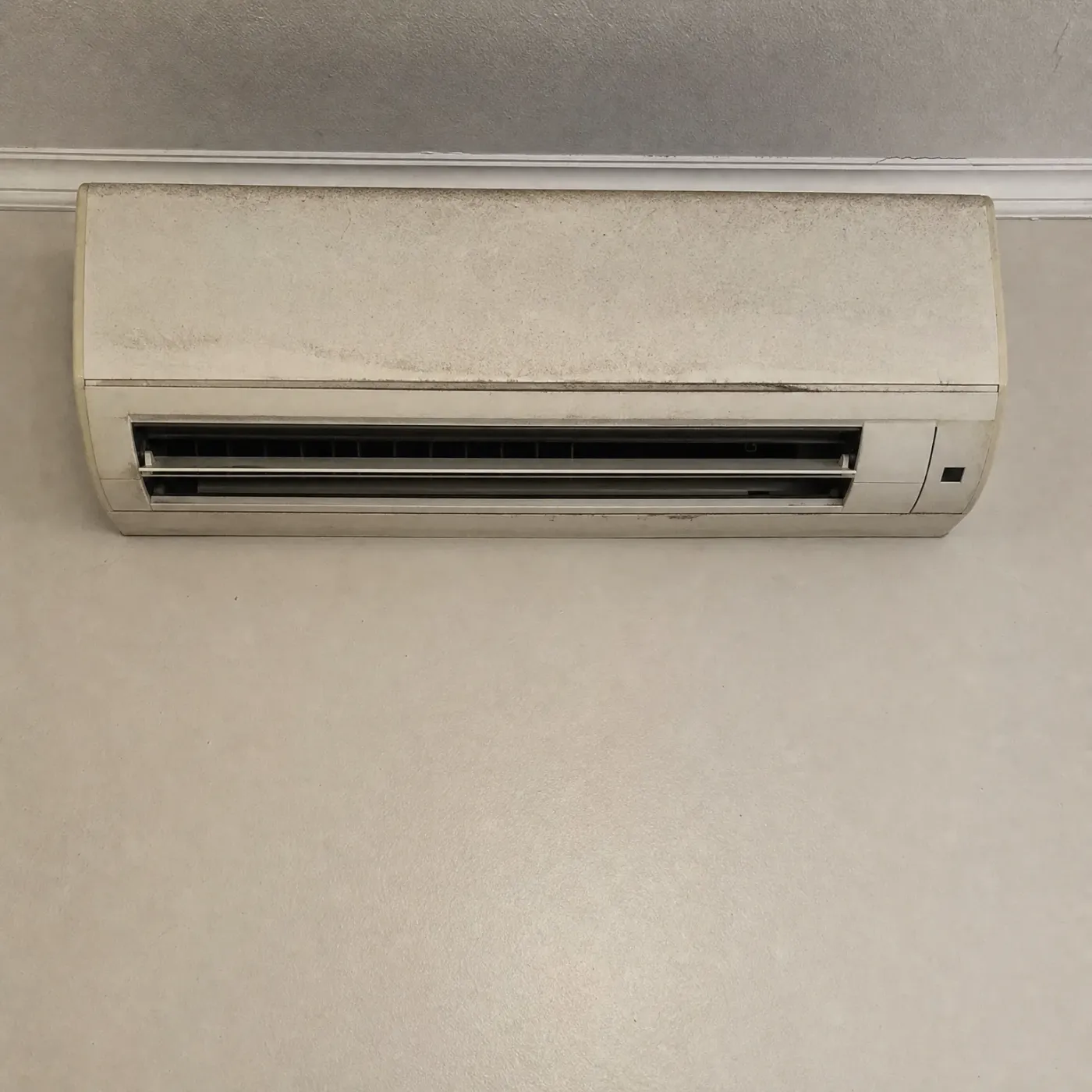
A dusty, discolored wall-mounted mini-split air conditioner indoor unit near the top of a plain light-colored interior wall below a white molding strip.
Dust packed into the vents like this makes the unit work harder for less air, and a zone running dirty is one more room the system can't carry.

So, Can It Cool The Whole House

  • A single mini split can cool a whole house in Goose Creek only when enough zones are installed and sized to match each room's load.
  • One indoor head covers one or two rooms well, so a house with a second floor or closed-off rooms needs more than one head to reach everywhere.
  • An undersized or missing zone shows up fast here, since summer runs April through September and winter rarely gives the system a break.
  • A contractor sizing the job room by room, not just by total square footage, is what decides whether every part of the house actually gets covered.
  • Dirty vents or a unit placed wrong can leave a room uncovered even when the zone count and sizing were right to begin with.
  • Whether your home can be fully covered comes down to layout and zone count, not the brand or size of the outdoor unit alone.

The answer comes down to zones and sizing, not the mini split itself. One indoor head does right by the room or two it was matched to, and it will do that well through a Goose Creek summer. Ask it to carry a second floor, a closed-off bedroom, or a bonus room over the garage, and it falls short, because the airflow from one head only reaches so far. Covering a whole house means a contractor worked out the heat load for each room on its own, not just the total square footage, and placed a head where each load called for one. Get that part right and every room stays even, April through September and on into the mild winters here. Get it wrong, skip a room, undersize a zone, place a head where it fights the layout of the house, and that room shows the gap fast. Summer here runs long enough that an uncovered room is not a once-in-a-while problem. It is most of the year. Even a system sized correctly can lose ground to something as simple as a dirty vent or a head mounted where it cannot move air through the space. So the question is never really about the mini split as a piece of equipment. It is about whether the installation matched the house, room by room, before the first unit went on the wall.

A bearded man in a dark sweater leans back in a black leather armchair with his eyes closed, with a bookshelf, potted plant, window and a sofa holding a folded newspaper behind him.
A man in a blue sweater sits in an armchair with his eyes closed, beside a window and a side table holding a mug and a folded newspaper, with a dark bookshelf behind him.
A man in a gray knit sweater leans back on a brown leather sofa with his eyes closed, in a room with bookshelves, a lamp, plants, and a side table holding a folded newspaper and a dark mug.
A man in a dark gray sweater reclines in a brown leather armchair with his eyes closed, beside a wooden table holding a striped mug and folded newspapers, in a living room with a sofa, bookshelf, lamp, and window blinds.

Mini Split Installation

Finding a pro stops being your job

Skip collecting and comparing quotes for the new mini split.

A black smartphone standing upright against a plain light gray background, its screen filled with solid green.
New system or replacementMini-splitBerkeley County, SC
Step 1 of 2

What ZIP code is the job in?