A pro who works on air conditioners
How long a central air conditioner lasts in South Carolina
A central air conditioner running through South Carolina summers year after year wears differently than one in a milder climate. This page covers the typical lifespan, what shortens it, and the signs yours is nearing the end. If it's getting there, you can get matched with a contractor who'll size up your system and reach out.
Get a local proA central air conditioner in South Carolina typically lasts 10 to 15 years, often toward the shorter end of that range. The unit runs hard here. Summers are muggy and long, so the compressor cycles on for months at a stretch instead of a few weeks a year, and that steady load wears the parts that cool and move the air faster than it would in a drier or cooler state. Humidity adds another strain, since the system is pulling moisture out of the air on top of cooling it, which keeps the coil and compressor working even on days that aren't the hottest. A unit that's 12 years old or more and already needs repairs most summers is closer to the end than the middle. That doesn't mean it fails on a schedule. Two systems installed the same year can age differently depending on how well they were sized and maintained. But if yours is in that range and struggling to keep up, it's worth finding out whether repair still makes sense or whether replacement is the better call.




Age on paper means less than hours of run time. The compressor is the part doing the real work, and in South Carolina it's cycling on for months straight through summer rather than running in short bursts a few weeks a year. That's what shortens a unit's life here more than the calendar does. Sizing matters too. A system matched to the house runs in steady, even stretches, but an oversized one short cycles, switching on and off more often without cooling any better, and that extra starting and stopping adds wear. Inside, the coil can corrode or collect debris over time, and once airflow is restricted the compressor has to push harder to hit the same temperature. Refrigerant doesn't get used up. If the charge is low, it's low because it's leaking out somewhere in the lines. Small parts fail too. Capacitors wear from the load of starting the compressor and fan motor each cycle, and a weak one shows up as a hard start or a unit that hums but won't kick on. Even something as simple as pollen packed into the outdoor fins slows down how fast the unit sheds heat, which means longer run times for the same result.
How your AC actually wears out
- The compressor, the outdoor unit's main component, works hardest on the hottest days and wears according to total run hours, not calendar age.
- A unit sized correctly for the house cycles off and on in regular stretches; one that's oversized short cycles, which adds wear without adding comfort.
- The indoor coil can corrode or clog with debris over the years, and once it restricts airflow the compressor has to work harder to make up for it.
- Refrigerant charge stays fixed from installation unless there's a leak, so a system low on charge is losing refrigerant somewhere in the lines, not using it up normally.
- Capacitors wear down from the electrical load of starting the compressor and fan motor each cycle, and a weak one shows up as hard starts or a unit that hums but doesn't start.
- Outdoor condenser fins that stay packed with grass clippings or pollen make the unit reject heat more slowly, so the compressor runs longer to hit the same temperature.


Repair the Unit You Have, or Replace It
Repair
- A repair makes sense if the unit is under 10 years old and the problem is a single part like a capacitor or a contactor.
- The compressor and coil are still sound, so the cost fixes one failure instead of chasing a unit that keeps breaking.
- Your electric bill stays close to where it's been, since the rest of the system still runs at its original efficiency.
- A repair buys time if you're not ready to replace, but it won't reset how many hours the compressor has already logged.
- If the unit has run clean with regular filter changes and coil cleaning, a repair is likely to hold for another summer or two.
Replace
- Replacement makes sense once the compressor itself fails, since that repair alone often costs close to a new system.
- A unit past 10 to 15 years has already absorbed years of South Carolina summers, and the parts around the compressor are aging at the same rate.
- A new unit sized correctly for your house runs fewer hours a day to hold the same temperature, which shows up on your electric bill.
- If you're repairing the same unit more than once a summer, each new fix is money spent on a system still working against its age.
- Installation lets you correct a sizing problem from the start, so the new unit cycles normally instead of short cycling like an oversized one might have.

Refrigerant absorbs heat from indoor air as it passes over the evaporator coil.
The compressor squeezes that refrigerant into a hot, high-pressure gas.
The outdoor condenser coil releases that heat into the air outside.
The refrigerant cools and expands, then cycles back inside to start over.


Get your air conditioner to the right pro

Send the request and finding a pro stops being your problem.
No fee to send it, and nothing to sign.


Why does my AC only last 10 years when the warranty says longer?
A parts warranty might run 10 years or longer, but that covers replacing a failed compressor or coil, not keeping the whole system running. Homeowners see that number on the paperwork and expect the unit to last at least that long, then wonder why it's struggling well before the warranty runs out, especially after a few hard South Carolina summers.
The warranty covers parts, not how long the system holds up under heavy use
A warranty promises a replacement part if the compressor or coil fails within the covered years. It says nothing about wear from long runtimes. In South Carolina, the compressor cycles on for months at a stretch through a muggy summer, racking up run hours a unit in a milder state wouldn't see at the same age. That wear adds up regardless of what the paperwork promises. A manufacturer sets the warranty length based on typical use across the country, not the load a South Carolina summer puts on the unit. So a system can outlast its warranty in a cooler climate and fall short of it here, because the warranty was never a lifespan estimate to begin with.
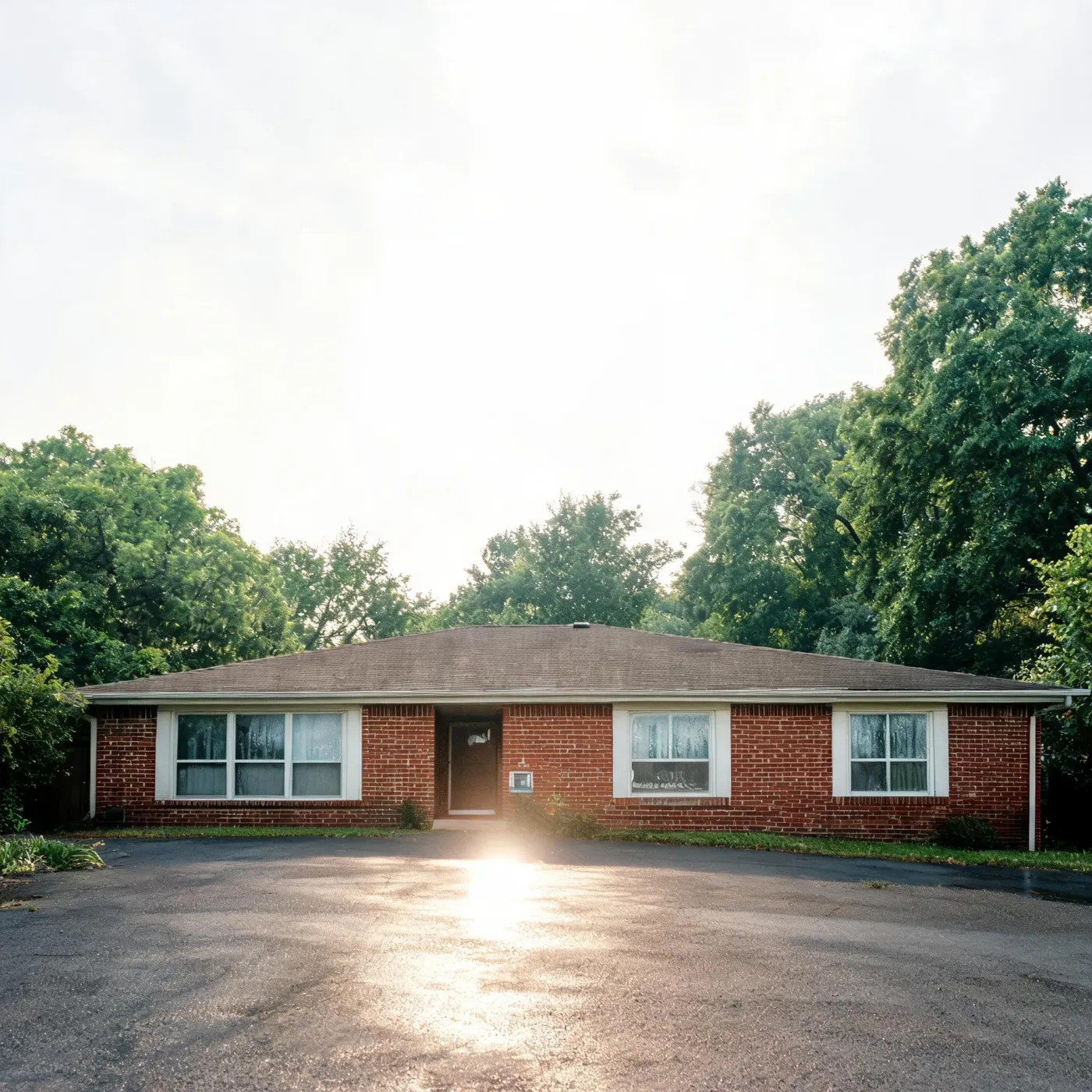
A dew point averaging 69°F across June, July and August means the air stays heavy all summer, not just on the worst days. Your air conditioner has to pull more moisture out of the air to make a room feel cool, and that's separate work from just lowering the temperature. The compressor runs longer per cycle to do it, and the coil stays wetter longer after each run. You'll notice the unit cycling on again sooner than it seems like it should, even with the thermostat set the same as always. Source: NOAA climate normals for South Carolina.
NASA POWER T2MDEW county cells weighted by homes

10 to 15 years, often less in South Carolina's heat
Most of what shortens a central air conditioner's life in South Carolina comes down to run hours, and run hours come down to how many muggy days the unit has to work through. A system that's sized right, stays charged, and gets looked at regularly tends to land near the top of that range. One that's been patched together or worked harder than it should, because it's undersized or the coil stays dirty, tends to land near the bottom.
If yours is showing its age, that doesn't mean guessing at whether to repair or replace it on your own. Getting matched with a contractor who knows the unit, the house, and what South Carolina summers do to a system means someone looks at the actual equipment before any decision gets made. That's one call, and the rest stops being something you have to figure out alone.


Air Conditioner Installation
The right pro for this job

- A local pro who knows air conditioners gets your details and gets in touch.
- Describe your air conditioner job, and a local pro who handles it gets in touch.

- Send the form and stop researching installers for the new air conditioner.
- One request ends the search for an air conditioner installer.

- Skip the round of in-home estimates for a new air conditioner.
- Describe the project once instead of to every installer.

- One installer gets your project, so there's no bidding war over it.
- The pro who reaches out is licensed in South Carolina.