



How often to clean a mini split in Columbia, SC

Let a pro reach out

A mini split works harder here than almost anywhere else. Richland County summers stretch long and muggy, and that indoor coil and filter pull moisture out of the air for months at a stretch. Skip the cleaning and the coil gets a film of dust and mold that cuts airflow, and the unit draws more power to do the same job. With electric rates what they are around Columbia, a dirty mini split shows up on the bill before it shows up as a breakdown. You don't need to track down who does this kind of work or wait on hold while someone figures out if they even service your area. Send the request and a local contractor who handles mini splits all season, the kind who knows what wears out first on these units in this climate, gets matched to you. One contractor, not a stack of calls to sort through. From there it's off your plate.

How often should I clean my mini split in Columbia, SC?

Your mini split runs almost nonstop from spring through fall in Columbia, pulling moisture out of thick, muggy air for months on end. You've noticed the filter looks dusty faster than you expected, or maybe the airflow seems weaker than it used to be. You want a straight answer on how often it actually needs cleaning, not a vague seasonal reminder, so you can stay ahead of a problem instead of catching it after the system is already struggling.

Wipe down the filters every two to four weeks and have the indoor coil professionally cleaned once a year

The filters catch the dust and pollen first, and in Richland County they load up fast because the unit is running so much of the year. Rinsing or wiping them every two to four weeks keeps air moving through the coil the way it should. The coil itself needs more than that. It stays wet for hours after the unit cycles off, pulling humidity out of long summer air, and that dampness is what lets mold and mineral film build up on the fins. A professional cleaning once a year, before the heavy humidity sets in each spring, clears that off before it cuts into airflow or efficiency. Skip the filters and the coil gets dirty faster. Skip the coil and the filters won't save it.

A smiling man in a green long-sleeve shirt stands at a dark kitchen counter with a ceramic mug, with wood cabinets, white tile backsplash, and a window and dining table behind him.
A smiling man with wavy dark hair and a beard, wearing a navy sweater, sits at a kitchen counter with a gray mug, with a dining table, potted plant and windows behind him.
A bearded man in a dark green sweater smiles and looks to his right while seated at a white kitchen counter with a gray mug, with windows and greenery behind him.
A smiling man in a dark navy sweater stands in a home interior beside a counter with a white mug, with a kitchen, hallway and potted plant in the background.

Why does my mini split need cleaning so often here?

  • Cooling runs May through September

    Five months of cooling, May through September, means five months of the indoor coil pulling moisture out of muggy air and the filter catching whatever rides along with it.

  • Heat runs November through March

    Five months of heat, November through March, run through the same coil and filter, so there's barely a break between the two seasons for either one to sit clean.

  • Power here costs 16.47 cents per kilowatt-hour

    At 16.47 cents per kilowatt-hour, a dirty coil or clogged filter making the system work harder shows up fast on your power bill.

NOAA nClimDiv 1991-2020 · EIA-861 2025

Washing the filters yourself

You can slide the filters out and rinse them every few weeks through the summer, which is the part most owners can handle without help. It keeps air moving through the unit and takes pressure off the coil in between visits. What it doesn't reach is the coil itself, the blower wheel, or the condensate drain, and in a humid place like this those are exactly where mold and buildup settle in. Filter washing stretches the time between real cleanings. It doesn't replace one.


Having the whole unit cleaned

A contractor opens the unit up and cleans the coil, the blower wheel, and the drain line, the parts that catch what a filter rinse never touches. With the cooling running from May through September here, that buildup has months to settle in before anyone looks at it. A clean coil also moves heat the way it's supposed to, so the unit isn't working harder than it needs to just to keep up. This is the visit that catches a clogged drain or a moldy coil before either one turns into a bigger repair.

A smiling man with short dark curly hair and stubble, wearing a navy T-shirt, sits on a beige sofa looking down toward a dark object in the foreground, with a living room, round mirror, lamp and bright window behind him.
A bearded man in a dark plaid flannel shirt stands indoors looking out a window at a snow-covered yard, with a dark gray mug on the windowsill and kitchen shelves behind him.
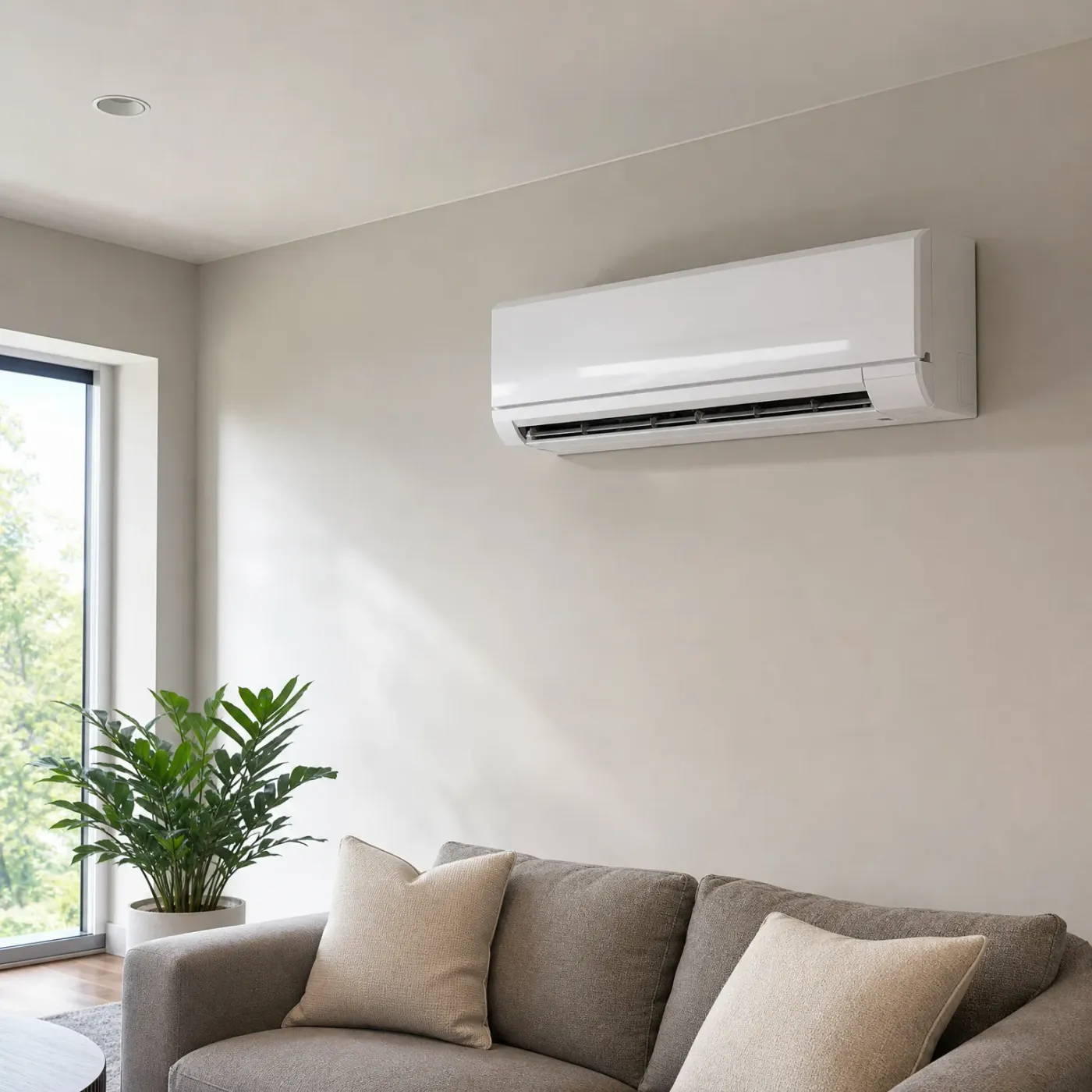
A white wall-mounted mini-split indoor unit high on a light beige interior wall above a gray sectional sofa with beige cushions, with a potted green plant and a window at left.

Let someone else find the pro

A licensed pro who works in Richland County gets your request.

Send the form, and lining up the mini split tune-up stops being yours to chase.

Get a licensed local pro

No fee to send it, and nothing to sign.

Rinse it yourself or call in help

Clean it yourself

  • Rinsing the filters every few weeks through the summer keeps air moving and takes some load off the coil between visits.
  • It costs you nothing but a few minutes, and you can do it as often as you notice the filter looking gray.
  • You won't reach the coil fins or the blower wheel this way, and that's where mold and dust actually build up over the summer.
  • The drain line stays out of reach too, and a clogged one is what leads to water dripping from the indoor unit.
  • Skipping this step entirely for months lets the filter choke down airflow right when the unit is running hardest.

Have it professionally cleaned

  • A local technician can get into the coil, the blower wheel and the drain line, the parts a filter rinse never touches.
  • Someone who services mini splits all over Richland County every summer knows which models here tend to clog first and why.
  • One cleaning visit covers what months of filter rinsing can't, since coil buildup doesn't wash out with a hose.
  • A technician checks the condensate line for the algae and buildup that cause leaks and water damage indoors.
  • Booking with one local contractor means you're working with someone who already knows the equipment common to this area, not fielding calls from several companies at once.
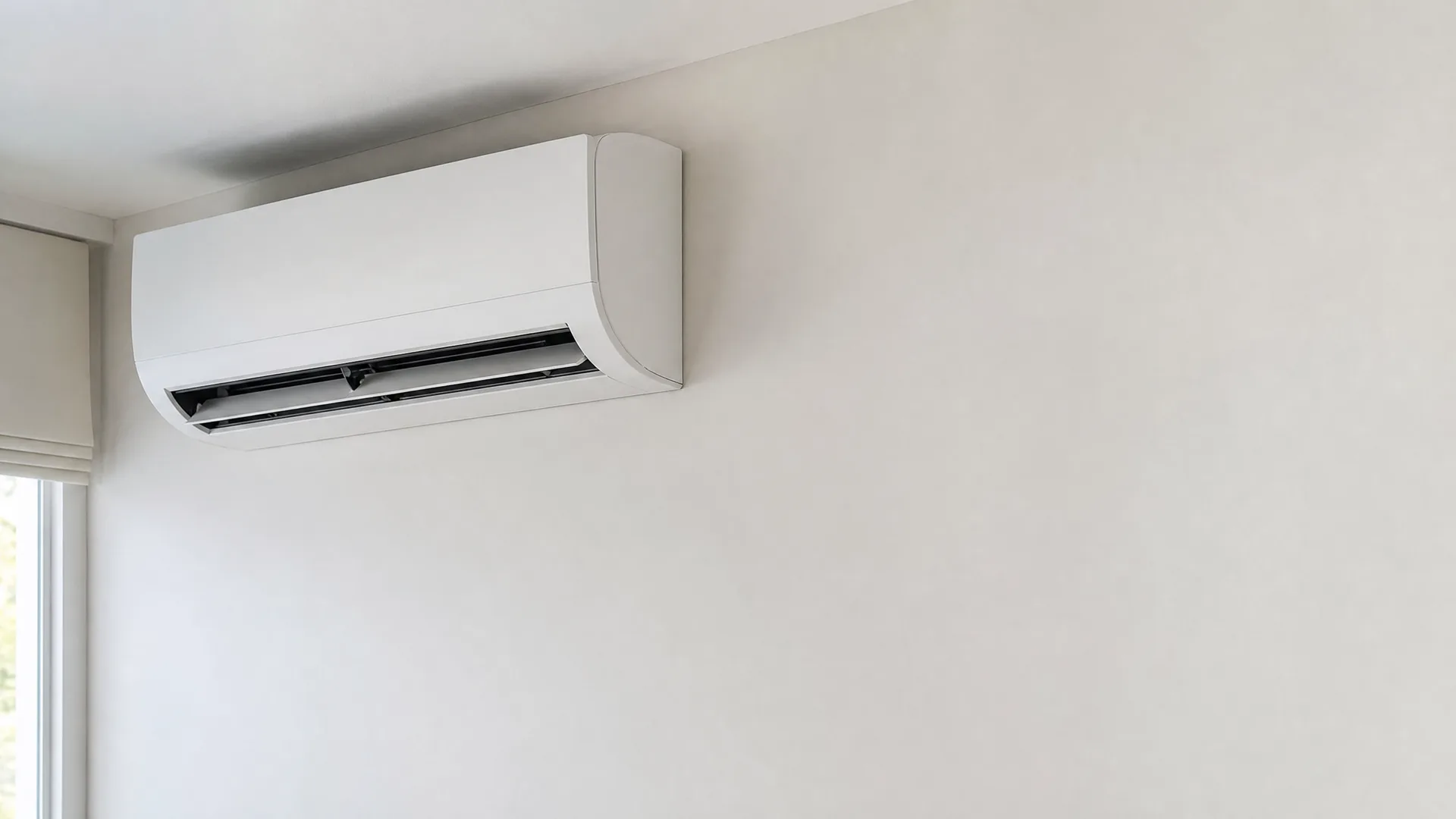
A white wall-mounted mini-split air conditioner unit installed near the ceiling on a plain light-colored interior wall, with a window edge at the far left.

What the filter actually catches

The filter in a mini split is a mesh screen, not a paper cartridge like the one in a furnace. It stops dust, hair and lint from reaching the coil behind it, but it does nothing to clean the air itself. In Columbia, pollen counts climb for months at a stretch, and that mesh loads up fast. A filter packed with debris blocks airflow, and the unit has to run longer to move the same amount of air through the room.

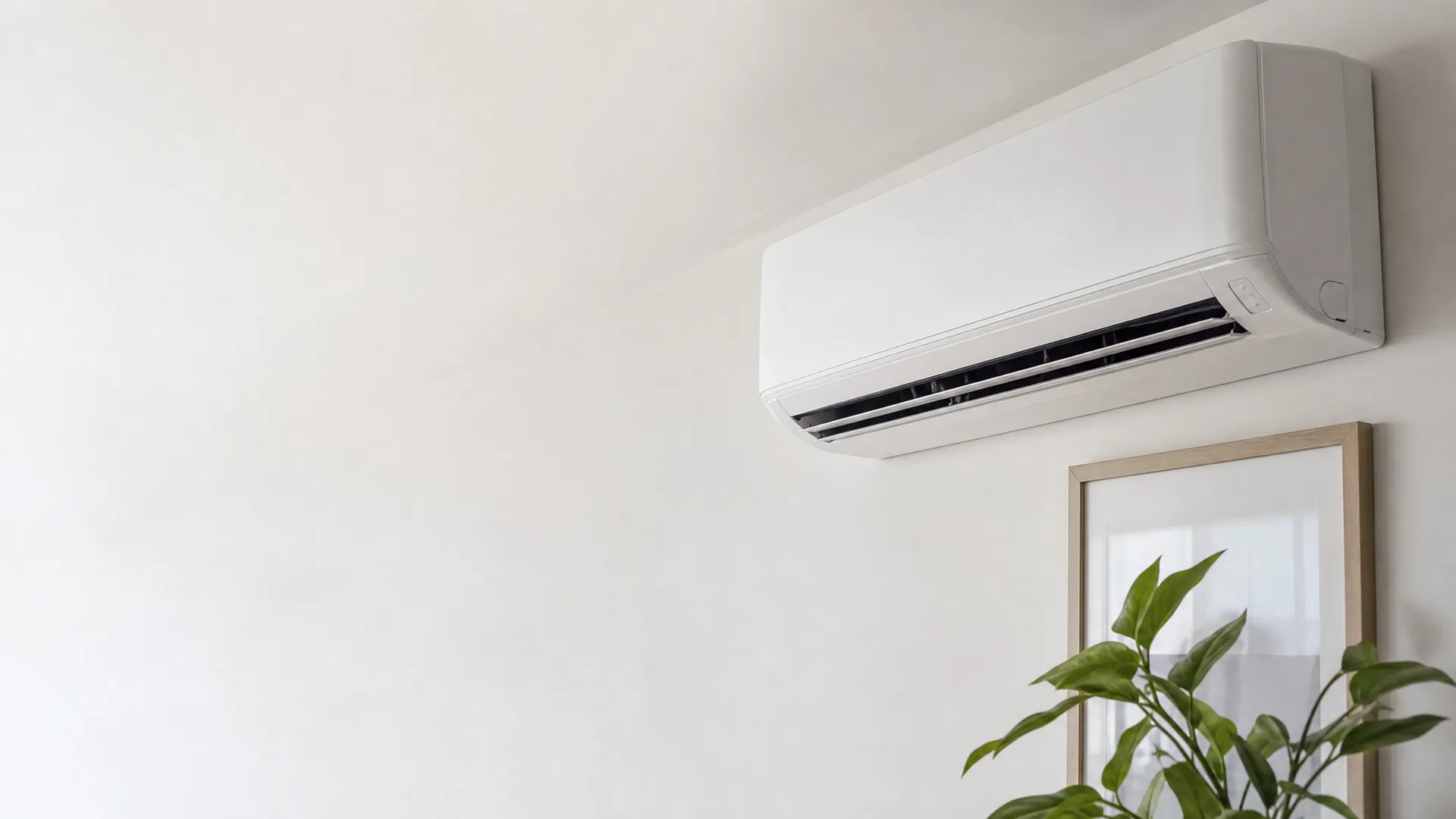
A white wall-mounted mini-split air conditioner near the ceiling of a white interior wall, with a framed picture and a green leafy houseplant in the lower right corner.

Why the coil is the real concern

Behind the filter sits the indoor coil, and that's where the moisture collects. Air conditioning works by condensing water out of the air onto a cold coil, and in Richland County that coil stays wet for most of the year. A wet coil with any dust on it is exactly what mold needs to take hold. Once mold is growing on the coil, rinsing the filter alone will not touch it, and the unit will start putting a musty smell into the room.

Is your mini split telling you it's overdue

Look at the unit before you decide it's fine. A head that's running but barely cooling the room, air that smells faintly musty when it kicks on, or a faster climb on your power bill than last summer are the usual signs. Sometimes you'll hear it too, a wheeze or rattle from the indoor fan straining to push air through a clogged filter. Water pooling near the indoor unit or dripping where it shouldn't means the drain line or coil has fallen behind. Left alone through another stretch of Columbia summer, a dirty coil keeps less efficient and mold can start growing on it, which means the air moving through your house carries it along.

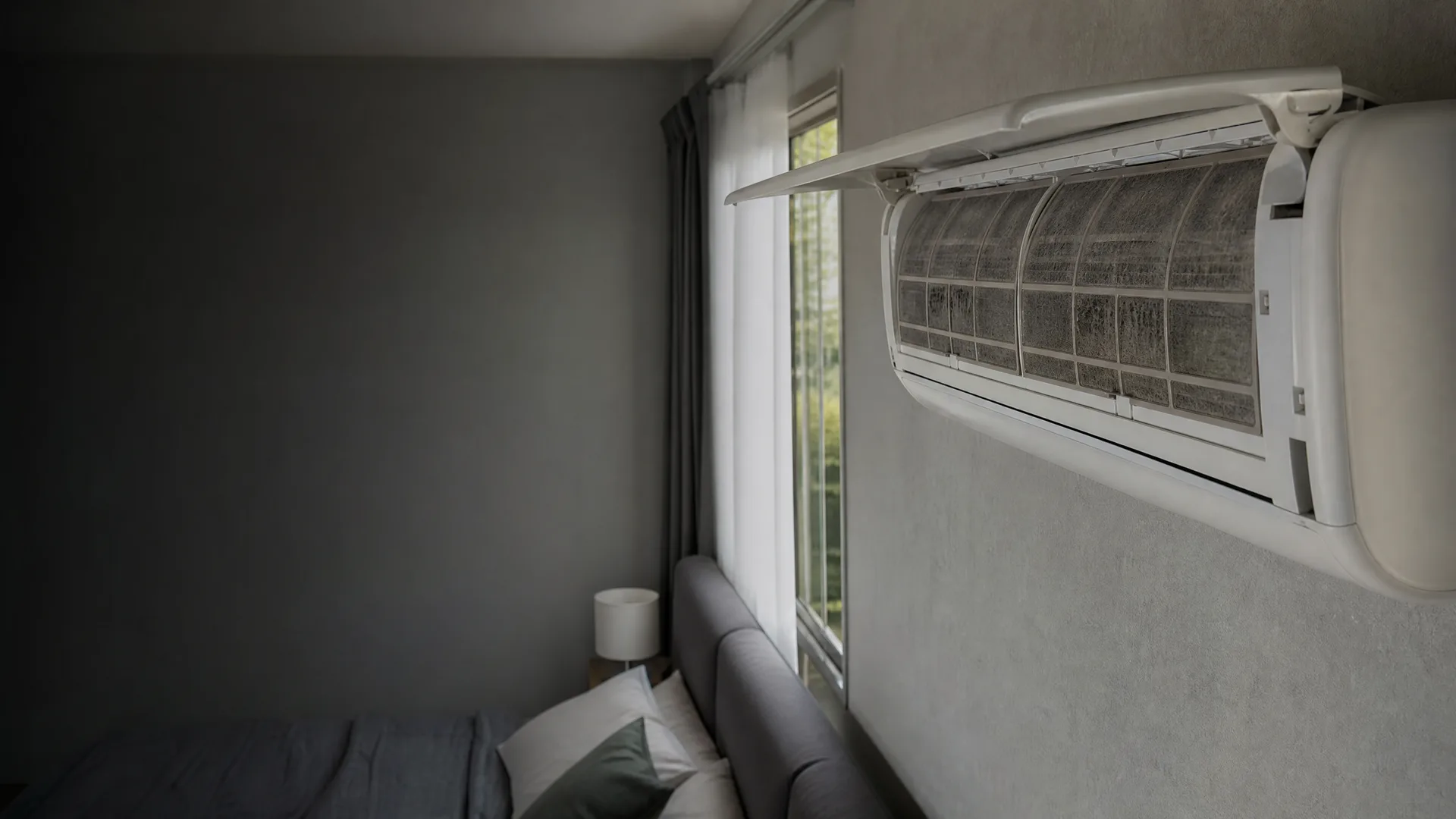
Interior room corner with a wall-mounted mini-split air conditioner, its front panel open to expose dusty coils, beside a curtained window and a gray sofa with pillows.

It is a Saturday morning in May, and the bedroom is already warm by nine. You pop the front cover off the indoor unit because the airflow has felt weak the last few nights, and there it is, the filter screen gray with dust, almost felted over. Behind it you can just make out the edge of the coil. You hadn't looked under there since last fall. Outside, Richland County is already muggy enough that the unit has been running most days this week, and you can tell from the dust alone it's been working for all of it. You set the cover down on the bed and go looking for the sink.

Cooling runs May through September

Five months is a full season of the coil pulling moisture out of the air and the filter catching what comes with it. By September that filter has had five months to load up, and a unit that ran that long without a rinse is working harder than it should be.

NOAA nClimDiv 1991-2020

A white wall-mounted mini-split air conditioner installed high on a beige interior wall below crown molding, with a window and light curtain on a black rod at right.

Running clean

This is what a mini split should look like after a rinse. Air moves off the coil freely, the room cools evenly, and the unit cycles off instead of running flat out. The white casing stays white because nothing is settling on it.

A wall-mounted mini-split air conditioner indoor unit with a dusty off-white casing and dark lower vent, installed high on a plain light-colored wall below a ceiling molding.

Running dirty

That gray film on the casing is on the filter and coil too. Air has to push through it to reach the room, so the unit runs longer for less cooling. Left alone through a Columbia summer, it only gets heavier.

Rinse the filters every few weeks through the cooling months and get the coil professionally cleaned once a year, before the heavy humidity sets in each spring. That's what keeps a mini split in Richland County running the way it should through five months of cooling and five months of heat. A unit that gets this isn't guessing why the power bill climbed or why a head is running without cooling the room. If the coil's already fouled or the drain line is slow, a technician who works on these systems every season in this area knows what to check first and what usually causes it. You'll be matched with one licensed contractor local to Columbia, not a handful of companies competing for the job, so the person who shows up already knows mini splits in this climate and isn't learning on your unit.

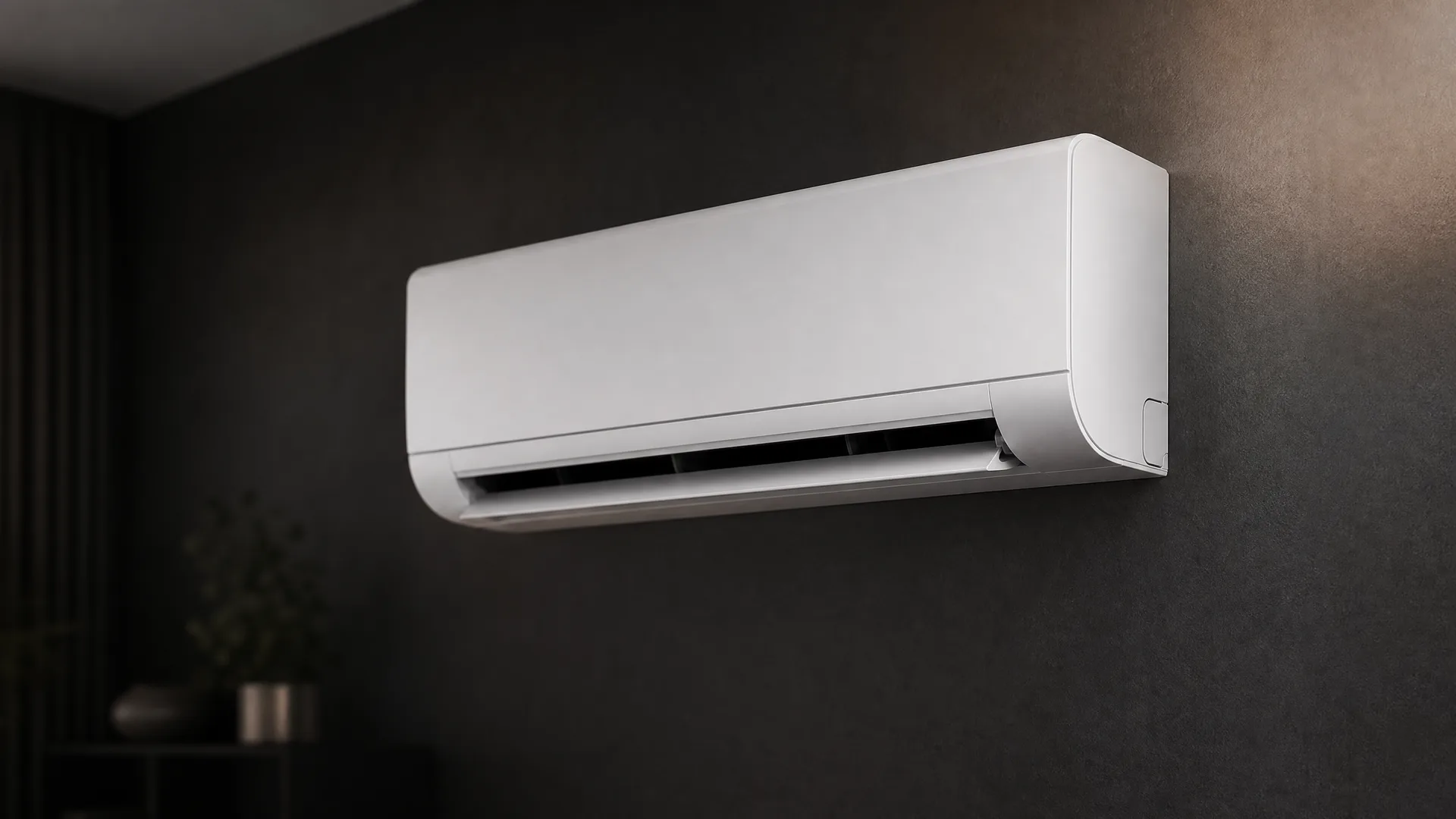
A white wall-mounted mini-split air conditioner on a dark gray interior wall, with a plant and low cabinet dimly visible at the lower left.

One request and it's handed off

Tune-up, service, or cleaningMini-splitRichland County, SC
Step 1 of 2

What ZIP code is the job in?