









Profile view of a bearded man wearing a black baseball cap and a dark gray t-shirt against a plain white background.

Is a cold-climate heat pump worth it in South Carolina

New system or replacementHeat PumpSouth Carolina
Step 1 of 2

What ZIP code is the job in?

A cold-climate heat pump is built to keep pulling heat out of outdoor air well below freezing, down to zero and sometimes lower, without leaning hard on backup electric heat. South Carolina winters don't ask that of a system. A standard heat pump already handles the cold here without much strain, since nights in the 20s and 30s are the exception, not the rule. Where a cold-climate model earns its keep is in places that sit near zero for weeks at a stretch. Here, the bigger question is how the system handles the muggy summers, since most homes run on electric heat and a heat pump is doing both jobs, warming the house in winter and pulling humidity out of it in summer. A properly sized standard or mid-efficiency heat pump installed for your home will likely serve you as well, for less money, than paying for cold-climate capability you won't use most years.

A woman wrapped in a thick fleece blanket sits on a sofa holding an open book, beside a lit table lamp and a frost-covered dark window.
A bearded man in a plaid flannel shirt stands indoors looking out a condensation-covered window at a snowy landscape, with a speckled mug on the sill and kitchen shelves behind him.

The question in a cold climate is whether the unit keeps working at 10 below zero. The question here is different: how little it has to lean on backup heat strips through a mild winter.

A cold-climate model still answers that second question better, because it's built to pull heat from the air efficiently at low temperatures, and South Carolina's coldest mornings sit well inside what it handles easily.

An older man with gray hair and a beard stands in a dimly lit entryway wearing a dark hooded coat dusted with snow, with a lit table lamp, framed picture, and front door with glass panels behind him.
An older man with gray hair and a beard, wearing a dark snow-dusted jacket and scarf, stands smiling in a dimly lit entry hall with a lamp, wooden front door and staircase behind him.
A gray-haired bearded man in a dark coat with snow flecks on the shoulders stands just inside a dimly lit home entryway, with a lamp, framed pictures, sofa and candle-style lights in the background.
An older man with gray hair and a beard, wearing a dark coat and scarf dusted with snow, stands in a warmly lit home entryway with an arched doorway, lamps, and a living room visible behind him.

What a standard heat pump already does here

South Carolina winters mostly sit in the 30s and 40s, with cold snaps into the 20s and teens a few nights a year. A standard heat pump handles that range on its own, pulling heat from outdoor air without much help from backup strips. Backup heat is electric resistance heat, and it costs more to run than the heat pump itself, so a system that avoids it most of the time is already doing its job. The cold-climate model's real advantage shows up below 20 degrees, when it keeps drawing heat efficiently instead of handing more of the load to those strips. South Carolina sees that kind of cold rarely, and only for short stretches, so the advantage has little room to matter.

Where the money actually goes

Since most homes here heat with electricity already, the comparison is between two electric systems, not electric against gas. Power in South Carolina runs at a typical rate, so the savings a cold-climate unit offers only show up on the handful of nights it actually gets cold enough to use them. A standard heat pump installed and sized correctly for the house will cover the other several months the same way. If keeping the home running efficiently year-round matters to you, that outcome comes from correct sizing and installation, not from the cold-climate rating. A contractor who knows the local winter can walk through what your house needs and what's worth paying for, and once that conversation starts, finding the right system stops being something you have to sort out alone.

An outdoor air conditioning condenser unit with a top fan grille sits on a concrete pad beside a house with horizontal siding and a concrete step.
Before you get your heat pump installation
A gray outdoor condenser unit on a concrete pad beside a house with horizontal lap siding, a conduit and disconnect box on the wall, a shrub with white flowers at right and evergreen foliage at left.
After you get your heat pump installation

Why does your heat pump run the strips so much on a cold morning

On a cold snap morning, you'll notice the air coming out of the vents feels cooler than usual, and the outdoor unit runs almost without stopping. Your electric bill that month is higher than the mild weeks around it. That's the backup heat strips carrying more of the load than they need to. If your heat pump is older or was sized for a smaller load, it leans on those strips earlier and harder, even on a 30 degree morning that shouldn't call for backup heat at all. Left alone, that pattern just means higher bills every time it turns cold. It isn't a safety risk, but it's money going out through strips instead of the compressor doing the work it's built for.

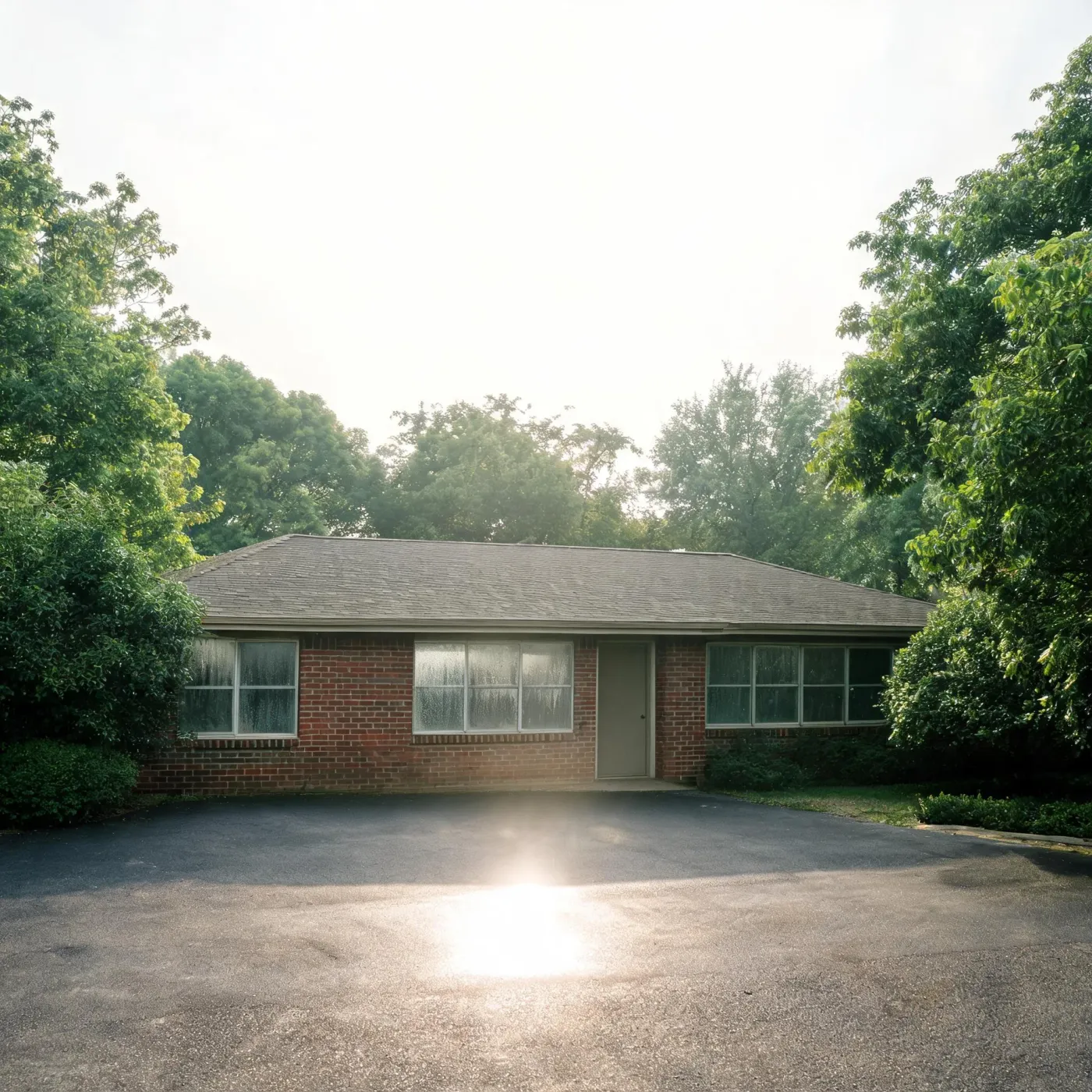
A single-story red brick house with a shingled hip roof, large windows and a central door, fronted by a wide asphalt parking area with sun glare, surrounded by green trees and shrubs.

A summer dew point averaging 69°F across June, July and August, per NOAA climate data, is what makes the air feel heavy even when the temperature itself seems manageable. That moisture load is what your heat pump is actually fighting in cooling mode, not just the heat. A cold-climate model's low-end performance doesn't change how it handles that job, since dehumidifying is about the compressor's ability to run long, steady cycles rather than its cold-weather range. If your system is struggling to keep the house feeling dry, that's worth having looked at directly. Send the form and the search for who does that work is off your plate.

NASA POWER T2MDEW county cells weighted by homes

A pro who works on heat pumps

Once you send the form, finding a pro is off your list.

Sending the form costs nothing.

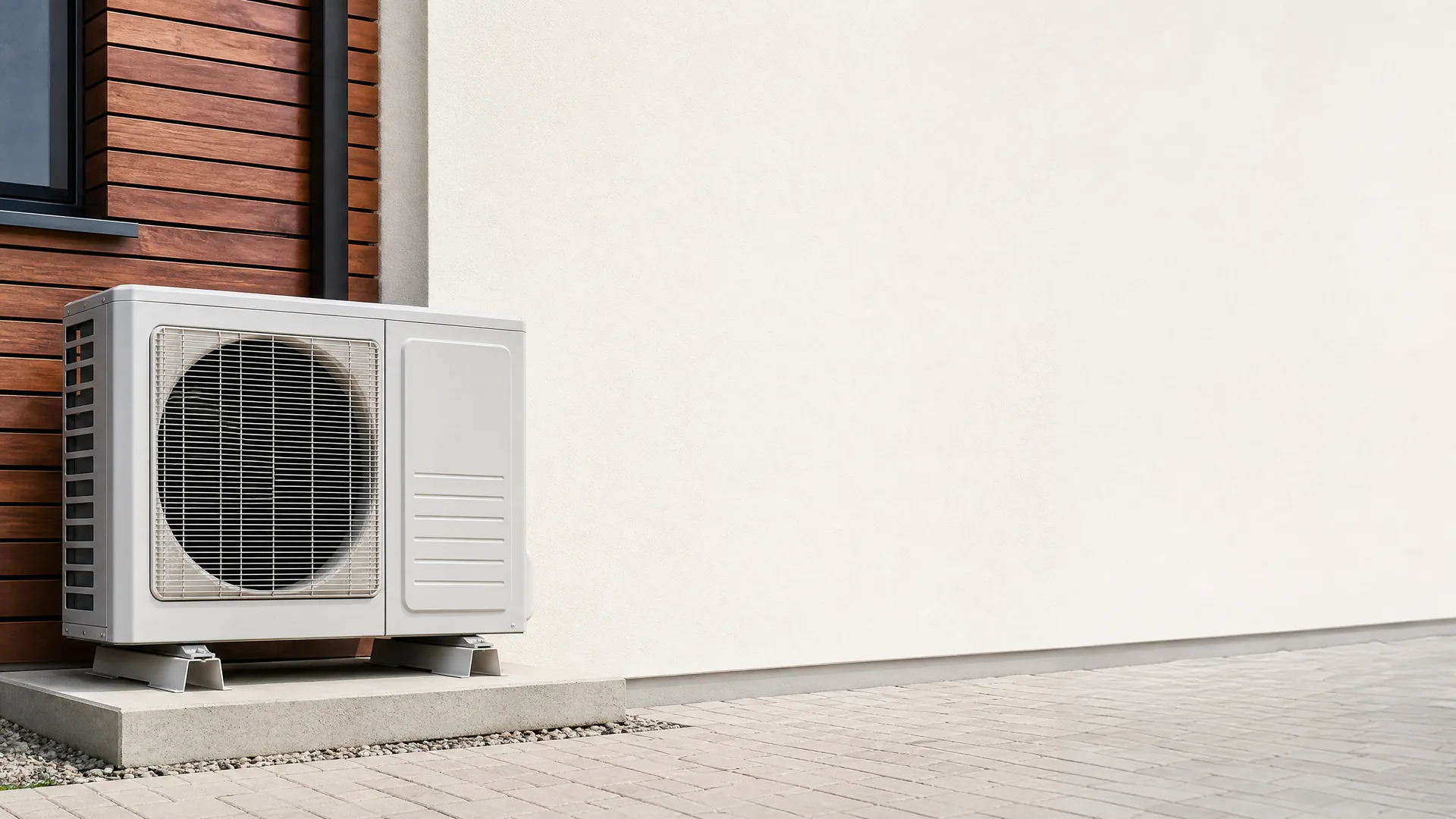
A white outdoor heat pump unit on a concrete pad beside a house with wood-slat siding and a large plain light-colored stucco wall, with paving stones in the foreground.

When a standard unit falls short

A standard heat pump in South Carolina can fall behind during a cold snap, when nights drop into the 20s and teens and stay there for a few hours. The strips pick up the rest of the load. You pay for that heat at a higher rate than the heat pump produces on its own, and it shows up on the bill for that month. A few nights a year, this is what your system is already doing.

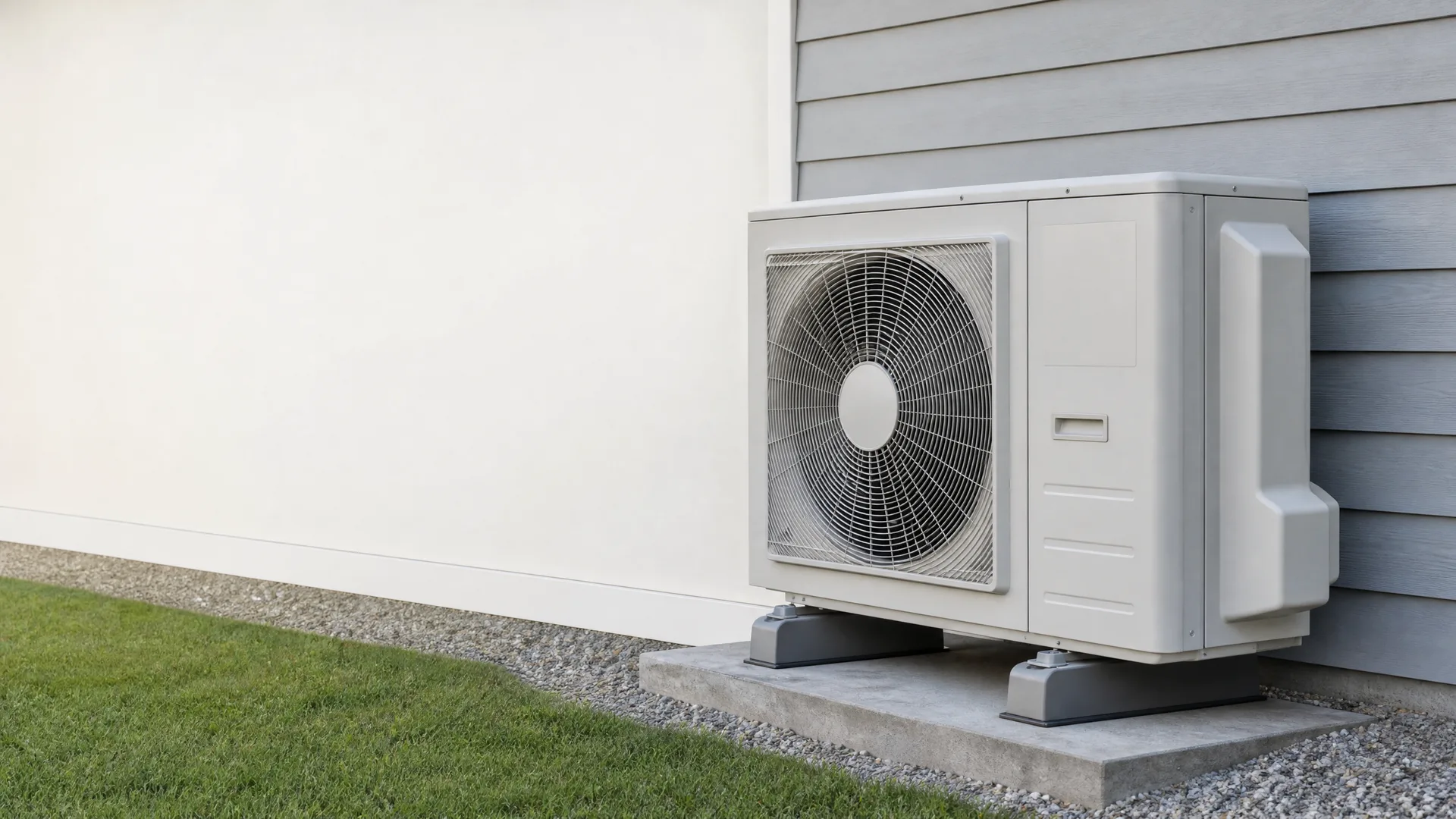
A white outdoor heat pump unit on rubber feet sits on a concrete pad beside a gray-sided house wall, next to a smooth light wall, gravel strip and lawn.

What a cold-climate unit changes

A cold-climate heat pump keeps pulling most of its heat from outdoor air at those same temperatures, instead of handing the job to the strips. It was built for weather colder than South Carolina sees, so a cold snap here is well within what it runs efficiently through. The difference shows up on the handful of cold mornings a year, not across the whole winter, since the rest of the season a standard unit already keeps up on its own.

Power costs 15.12 cents per kilowatt-hour statewide

At 15.12 cents a kilowatt-hour, every hour your heat pump leans on its backup strips instead of the compressor shows up on the bill. A cold-climate model keeps the compressor carrying the load longer into a cold snap, so less of your heat comes from the more expensive strips.

EIA-861 2025 statewide residential average

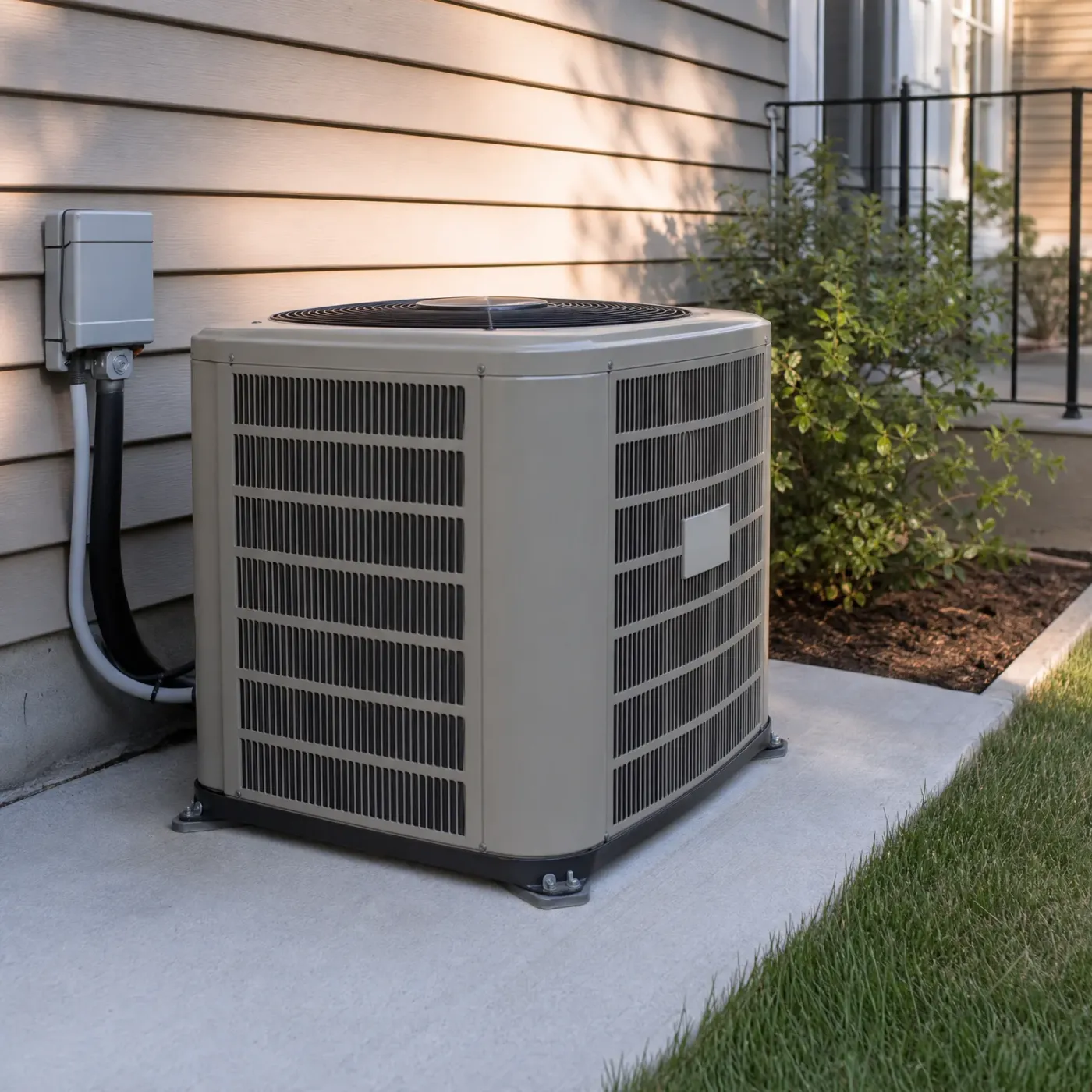
A beige outdoor air conditioning condenser unit on a concrete pad beside a house with horizontal vinyl siding, with refrigerant lines and a disconnect box on the wall, surrounded by dark mulch and a green shrub at left.

Running as it should

This is your heat pump most days of the year, compressor doing the work, drawing heat from outside air in winter and pulling moisture out of the house in summer. Power use stays close to what you'd expect for the month. No strips kicking on except on the coldest mornings.

An outdoor air conditioner condenser unit on a concrete pad beside a house with horizontal lap siding, with a shrub to the left, bare dirt in front, and conduit and a metal disconnect box on the wall.

Leaning on backup heat

This is what it looks like when the compressor can't keep up and the strips take over. It happens more on a cold snap night than you'd guess, and strip heat runs on resistance, not the refrigerant cycle, so it costs more per degree. A cold-climate model keeps the compressor carrying more of that load.

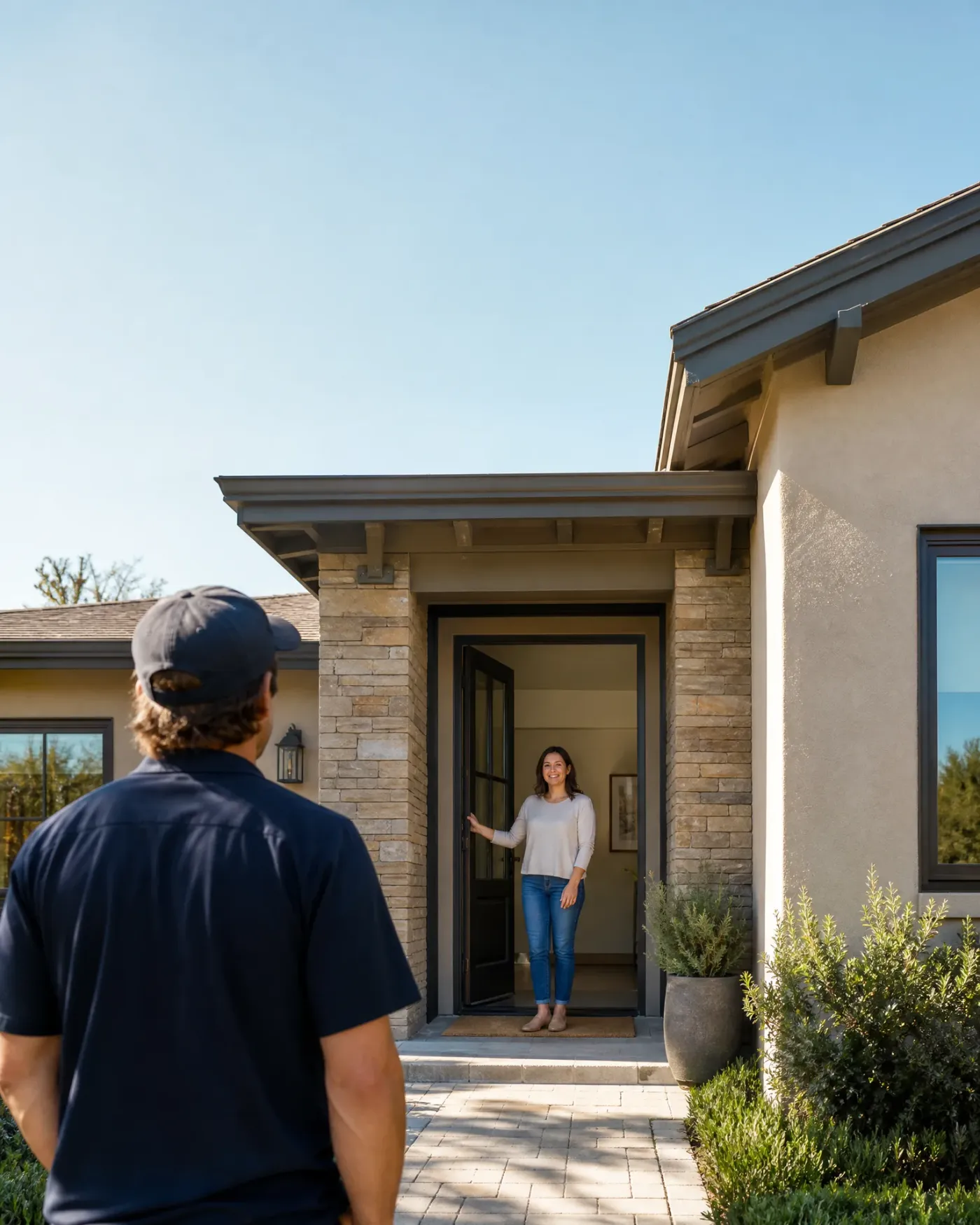
A man in a dark polo shirt and cap, seen from behind, walks up a paver path toward a woman standing in the open front doorway of a single-story stucco and stone house.

So is it worth it where you live

For most houses in South Carolina, a standard heat pump already does the job. Your winters don't drop low enough or stay there long enough to make the cold-climate model's real advantage, holding the compressor steady at zero and below, worth much here. The cases where it pays off are narrower: a house that runs its strips hard on the handful of cold mornings each winter, or a homeowner who wants the compressor carrying the load as much as possible and is willing to pay more upfront for that.

If you're not sure which one describes your house, that's worth sorting out before you decide anything. A contractor who knows your equipment and how it's been running can look at what you've got and tell you whether a cold-climate unit changes anything for you or whether your money is better spent elsewhere. Answer a few questions about your home and you'll be matched with someone who can walk through that with you directly.

Interior corner of a room with a window and sheer curtain at left, a gray upholstered sofa with a cushion at right, and a round wooden table holding stacked books and a round vase with an olive branch.
A beige outdoor air conditioner condenser unit on a concrete pad beside a house with horizontal lap siding, with a gray electrical disconnect box and refrigerant lines on the wall and a shrub and lawn nearby.

Get your heat pump to the right pro

Get a local pro

After you send the request, you're done searching.

You're not committing to anything by asking.