









Is a heat pump worth it with typical power in South Carolina

A local installer who puts in heat pumps gets your project.

Match me with a pro

Yes, a heat pump is worth it in South Carolina. Summers here are long and muggy, and a heat pump handles that humidity while cooling the house, the same job central air does. Where it earns its keep is winter. Most homes here heat with electricity, and a heat pump moves heat instead of generating it with resistance coils, so it uses less power to produce the same warmth. Power here runs at a typical rate, so the savings come from how the system works rather than from a cheap utility bill. South Carolina winters stay mild enough most days that a heat pump keeps up on its own without switching over to backup heat strips, which is where the cost difference really shows up. For a house heated and cooled electrically, a heat pump covers both jobs with one system instead of running separate heating and cooling equipment.

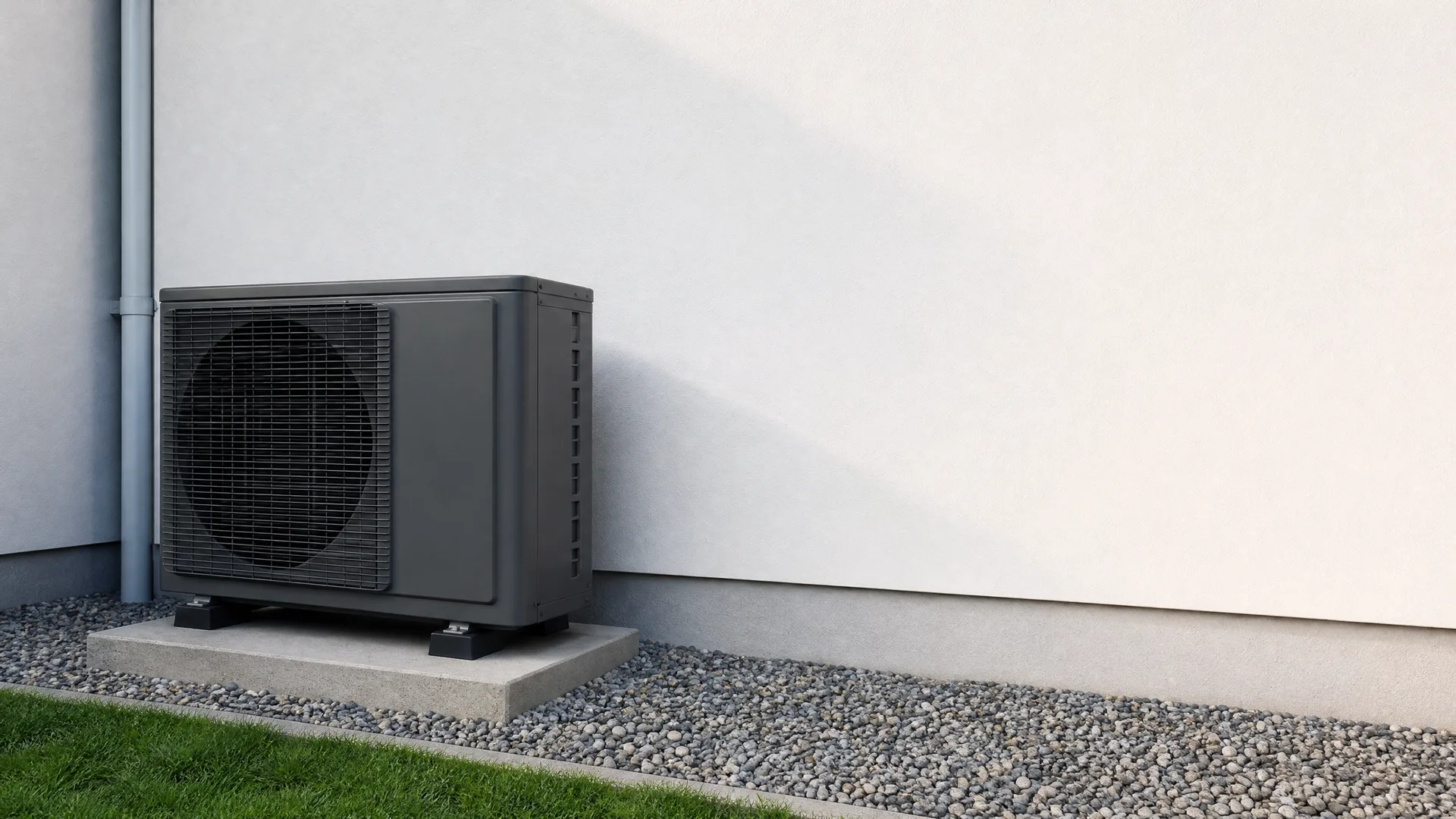
A dark grey air-source heat pump unit on a concrete pad beside a light-coloured rendered wall, surrounded by gravel with a strip of grass in the foreground and a downpipe at the left.

Moving heat instead of making it

A heat pump does not burn anything to warm the house. It pulls heat out of the outside air and moves it inside, even when that air feels cold to you. Moving heat takes less electricity than creating it, which is what a baseboard heater or an electric furnace does. That difference is where the savings over straight electric heat come from, and it holds through most of the winter temperatures South Carolina sees.

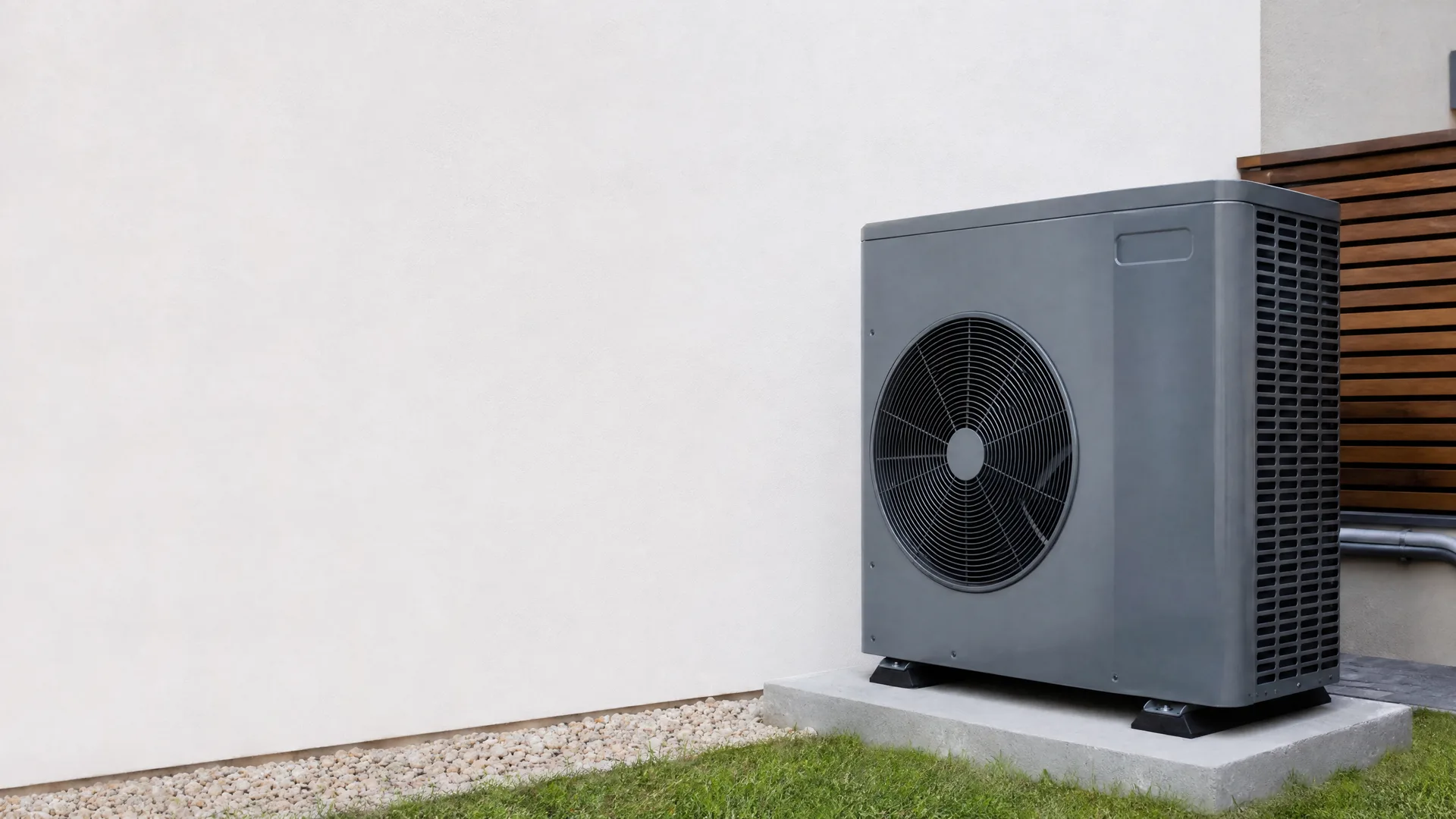
A gray outdoor heat pump unit on a concrete pad beside a white stuccoed wall, with gravel and grass in front and a wooden slat screen behind.

One system, two jobs

The same unit that heats your house in January cools it in July. In summer it runs in reverse, pulling heat out of the house and pulling moisture out of the air at the same time, which matters in a climate this muggy. You are not paying for a furnace and a separate air conditioner. You are paying for one outdoor unit and one indoor coil that switch jobs with the seasons, controlled by the thermostat.

How does a heat pump keep working when it's cold outside?

You've seen the cold snaps South Carolina gets in January, the kind that make you wonder if the heat pump outside is actually doing anything. It still feels wrong that a unit sitting in freezing air can warm your house, and you want to know what happens on those colder mornings before you trust it to keep everyone comfortable.

It keeps pulling heat from the outside air, down to well below freezing

A heat pump can still draw heat out of air that feels cold to you, because there is heat in that air until it drops to around minus 15 degrees Fahrenheit. South Carolina winters rarely get close to that. The colder the air gets, the harder the unit works to pull heat from it, so it runs longer on a cold morning than it does in November. Some units have a backup heat strip that kicks in on the coldest nights to help out. You might also see the outdoor unit frost over and then run a defrost cycle to clear itself, which can send a puff of cool air inside for a few minutes. That's the system working as it should, not a sign of trouble.

A woman with dark hair in a bun wearing a cream knit sweater sits on a gray sofa in a bright living room, looking off to the side.
A woman wrapped in a knit blanket sits on a gray sofa in a living room, looking toward a bright window with houseplants and an armchair in the background.
A woman in a gray cowl-neck sweater sits on a light sofa with cushions, smiling and looking to the side, with a kitchen and window visible behind her.
A woman with dark hair in a bun, wearing a light linen shirt, sits on a sofa and looks to the side, with a window, houseplants and a kitchen with pendant lights blurred behind her.

A local pro for your heat pump installation

Send the form and stop researching installers for the new heat pump.

Sending the form costs nothing.

Heat pump versus gas furnace

If your home has a gas line, a furnace will heat it on the coldest night without any drop in output, because it burns fuel directly instead of moving heat from outside air. A heat pump's output does fall some as the temperature drops, and it leans on backup electric heat strips during the hardest freezes, which costs more to run than the heat pump itself. But most homes in South Carolina don't have gas run to them, and installing a gas line where there isn't one adds real cost. Where electricity is already how a home heats, a heat pump does that job for less than electric resistance heat alone, since it moves heat rather than generating all of it from electricity.

Heat pump versus straight electric heat

Straight electric heat, the kind with coils that glow and heat the air directly, costs more to run than a heat pump every month it's used, because it makes all its heat from electricity instead of moving most of it from outside. A heat pump does the same job on less power across a typical South Carolina winter. The tradeoff shows up only in the coldest stretches, when a heat pump's backup strips kick on and it runs closer to what straight electric heat costs. For a home already wired for electric heat with no gas line to run, swapping in a heat pump instead of a new electric furnace is the straightforward upgrade, and it cools the house too, which a furnace alone never does.

A gray outdoor air conditioning condenser unit on a concrete pad beside a house with light vinyl siding, with a gray electrical disconnect box and conduit on the wall to the right.
Before you get your heat pump installation
A gray outdoor condenser unit on a concrete pad beside a house with horizontal lap siding, a conduit and disconnect box on the wall, a shrub with white flowers at right and evergreen foliage at left.
After you get your heat pump installation
A gray outdoor condenser unit on a concrete pad beside a house with horizontal lap siding, connected by conduit and lines to a wall-mounted disconnect box, with a shrub and gravel bed to the left.

Running the way it should

Heat pumps like this one run quiet for long stretches on a summer afternoon, pulling moisture out of the air as they cool. The outdoor unit cycles on and off evenly. No short cycling, no ice on the coil, no strain to keep the house at the temperature you set.


An outdoor air conditioner condenser unit on a concrete pad beside a light gray vinyl-sided house, with an electrical disconnect box and conduit on the wall and bare soil in the foreground.

Signs something is off

If the outdoor unit is icing over, short cycling, or running constantly without the house cooling down, it's working harder than it should. Weak airflow or warm air coming from the vents in summer points to a problem worth having a contractor look at.

Does your heat pump actually keep the house warm

You notice it most on the coldest mornings. The air coming out of the vents feels cooler than you expect, or the unit runs long stretches without the house feeling any warmer. Maybe you hear it click into a different sound, a backup heat strip kicking on, and the next power bill shows it. Ice building up on the outdoor unit that doesn't melt off on its own is another sign something's off. None of this means a heat pump is wrong for your house. It usually means the unit is undersized, aging, or losing refrigerant, and a system working against those problems will cost more to run and leave rooms further from the thermostat colder than the rest.

A gray outdoor condenser unit on a concrete pad beside a light-colored lap-sided house, with a wall-mounted disconnect box, refrigerant lines, mulch bed and shrubs, and a concrete walkway in the foreground.
The outdoor unit sits where it should, lines running clean to the disconnect, nothing iced over or straining in the heat.
An outdoor condenser unit sits on a concrete pad beside a house with horizontal vinyl siding, with a gray electrical disconnect box and conduit on the wall and a shrub at left.
A unit like this one running short cycles or caked in ice outside is working harder than it should to keep the house comfortable.

Power costs 15.12 cents per kilowatt-hour statewide

At 15.12 cents per kilowatt-hour, every bit of electricity your heat pump saves by moving heat instead of making it shows up on the bill. That's the math that makes it worth having here, since most homes around you are heating with electricity anyway.

EIA-861 2025 statewide residential average

A woman in a cream sweater and jeans stands in the open doorway of a white stucco house, holding the dark door, while a man in a dark quilted jacket seen from behind walks toward the entry past potted plants.

Worth having, if it's running right

A heat pump earns its keep in South Carolina. It handles the humidity all summer and it heats the house all winter at a lower cost than straight electric resistance, since most homes here are already on electric heat. That only holds if the unit is sized right for the house and installed so the outdoor unit isn't fighting ice or short cycling to keep up.

If you're not sure your current setup is doing that job, or you're ready to put one in, the next step is getting matched with a contractor who installs heat pumps suited to homes around you. They'll look at your house specifically and reach out from there. You won't be the one tracking down who to call.

Interior corner with a beige sofa holding a dark green and a light cushion and a textured throw, a potted small-leaved tree beside a white-framed window, and a dark shallow bowl on a wooden coffee table in the foreground.
An older woman with gray hair in a bun and glasses, wearing a beige knit sweater, smiles while looking to the side in a warmly lit kitchen, with a loaf of bread on the counter in the foreground and a snowy scene outside the window.
A woman and a child wrapped together in a thick knitted blanket on a sofa, both with eyes closed, with a lit table lamp and houseplant in the dim background.

Heat Pump Installation

A heat pump pro near you

Send the form and the search for an installer is over.

A black-framed smartphone standing upright against a plain light gray background, its screen filled with solid green.
New system or replacementHeat PumpSouth Carolina
Step 1 of 2

What ZIP code is the job in?





