
What auxiliary heat means on a South Carolina heat pump
What does "aux heat" mean on my heat pump thermostat?
You glance at the thermostat on a cold morning and it says "aux heat." The system kicks on strong and the house warms up fast, but you're not sure if that's normal or if something's working harder than it should. Since your heat pump is running your electric bill through the winter, you want to know what that label actually means before it becomes a habit you're paying for.
It means your heat pump switched on its backup electric heating strips
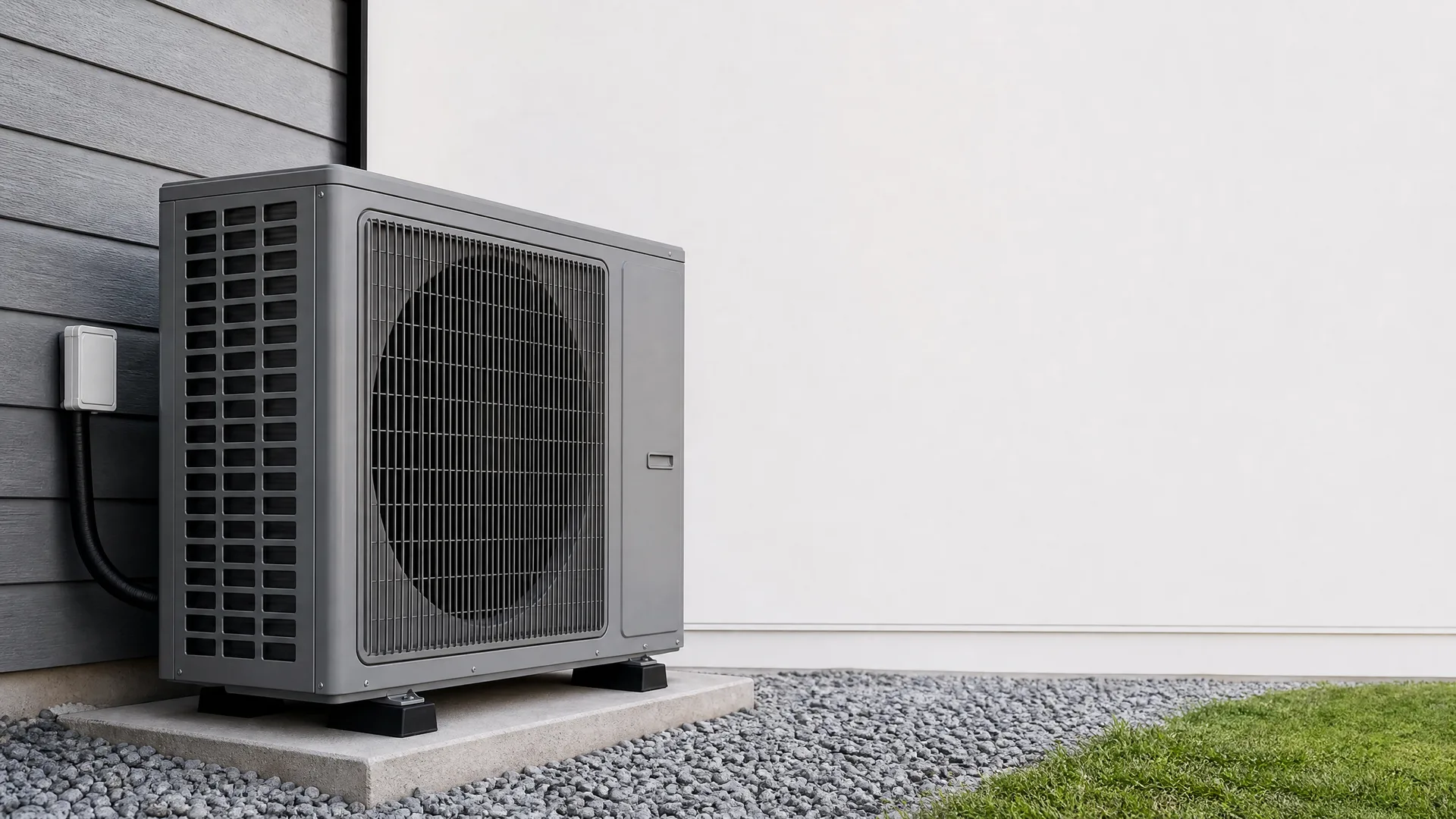
A heat pump moves warmth from the outside air into your house. When it's cold enough outside that the unit can't pull in heat fast enough on its own, or when the thermostat is set to jump several degrees at once, the system turns on electric resistance strips to help out. That's aux heat. It's built into the system on purpose, and seeing it once in a while during a cold snap isn't a problem. What matters is how often it comes on. Those strips use far more electricity than the heat pump running alone, so if aux heat is showing up most mornings, or staying on for long stretches, that's usually a sign the heat pump itself isn't keeping up the way it should.
Why the heat pump needs help
A heat pump moves heat from the outside air into your house. Below the mid 30s, there's less heat out there to grab, and the unit can't keep up on its own. That's when auxiliary heat switches on to make up the difference. In most South Carolina homes that backup is electric resistance heat, built right into the air handler. It isn't a separate system. It's a second stage of the same equipment, waiting for the thermostat to call for it.
When it should worry you
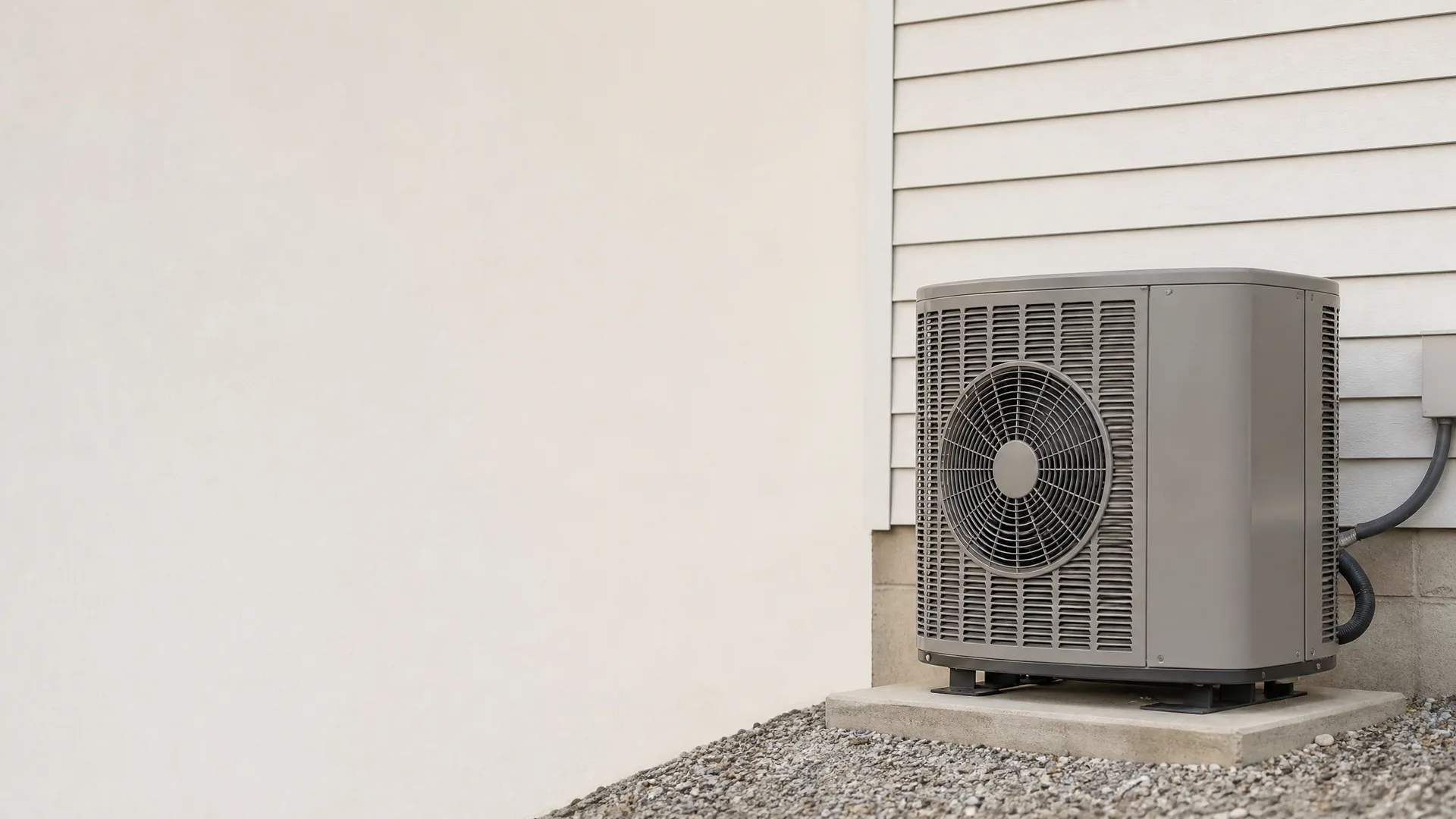
Seeing "aux heat" on a cold morning is normal. Seeing it run for hours on a 50 degree day in Columbia or Charleston is not. That usually means the heat pump itself isn't pulling its weight, maybe low refrigerant, a failing reversing valve, or a frozen outdoor coil, and the system is leaning on backup heat to cover for it. Backup heat costs more to run than the heat pump, so a unit that reaches for it too often is a sign worth having checked before the next cold snap.
Why does your heat pump run so much on cold nights?
If you notice the system running almost constantly once it gets cold, or the air coming out feels hotter than usual, that's aux heat doing its job. You might also hear it kick on with a bit more noise than the regular cycle. None of that means something's wrong by itself. But if aux heat is coming on when it's only in the 40s or 50s outside, or it never seems to shut off and go back to normal heating, that points to the heat pump itself struggling, maybe a low refrigerant charge or a failing part. Left alone, that means higher electric bills all winter and more strain on a system that's already working too hard to keep up.




Hand off the search today
Aux heat lighting up on a cold night tells you the heat pump needs backup, and most of the time that's fine. The trouble is knowing when it's pulling double duty because the weather asked for it, and when it's running constantly because something in the system isn't working the way it should. A heat pump that's low on charge or losing efficiency leans on aux heat far more than it needs to, and on electric heat in South Carolina that adds up fast on your bill. You shouldn't have to figure out on your own whether what you're seeing is normal strain or a real problem, then go find someone qualified to look at it, explain the thermostat readings and the noises all over again, and sort through who's actually worth calling. Send the request and that part is off your plate. Someone who knows these systems takes it from here.
When it's just the cold
South Carolina doesn't stay below freezing long, but when a front moves through and mornings sit in the 20s, your heat pump leans on aux heat for hours at a stretch. That's expected. The outdoor unit is pulling what little heat it can from the air, and the backup coil fills the rest of the gap. You'll see it on the thermostat, the house will stay warm, and the power bill for that stretch will run higher than a mild week. Once temperatures climb back into the 40s during the day, aux heat should drop off on its own and the heat pump should carry the house without it.
When it's the system, not the weather
Aux heat that runs on a 45 degree afternoon, or stays on for days without a cold snap to explain it, points to something else. A low refrigerant charge, a failing defrost control, or a stuck reversing valve can all force the heat pump to give up and hand the job to backup heat even when it shouldn't have to. The giveaway is the mismatch: mild weather outside, constant aux heat inside. Left alone, the heat pump keeps defaulting to the more expensive backup system instead of doing the job it's built for, and the bill keeps reflecting that.


Power costs 15.12 cents per kilowatt-hour statewide
At 15.12 cents per kilowatt-hour, aux heat isn't cheap to lean on. It's pure electric resistance heat, no help from the outdoor unit, so a night or two during a cold snap won't hurt you. If it's running that way for days, the bill will show it.
EIA-861 2025 statewide residential average
Aux heat, in plain terms
- Aux heat during a cold snap is the system working as designed, not a sign of trouble.
- Aux heat running for days with no cold weather to explain it usually points to a problem with the heat pump itself.
- A thermostat stuck on aux heat around 40 or 50 degrees outside is worth having checked rather than watched.
- The difference between normal and not comes down to whether the outdoor temperature actually calls for backup heat.
- Instead of calling around and explaining the thermostat reading to one contractor after another, you send the details once.
- Sorting through quotes and schedules on your own stops being the thing standing between you and an answer.
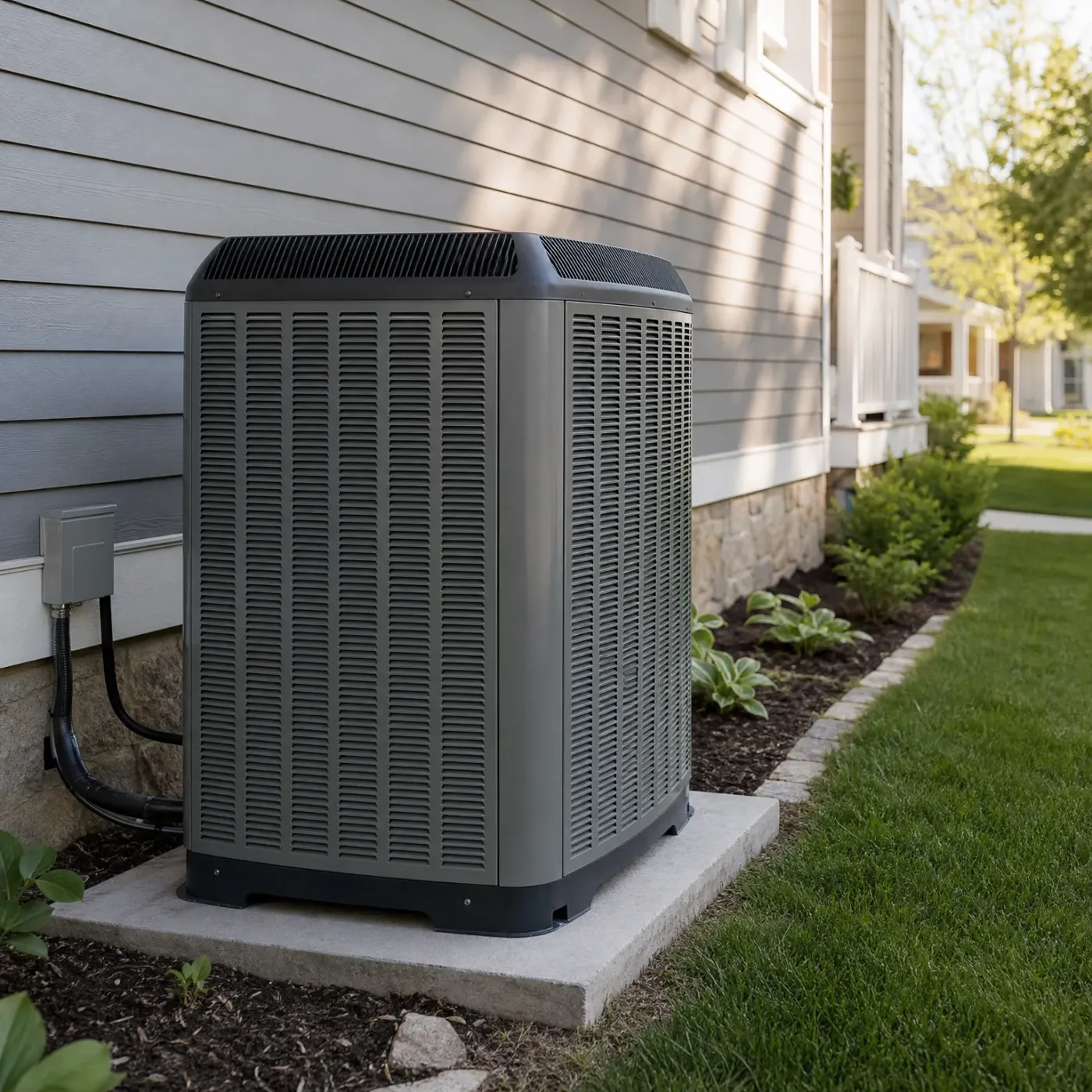
Aux heat on your thermostat just means the heat pump reached outside and found less heat than it needed, so the electric backup stepped in. On a cold morning in South Carolina, that's nothing to worry about. The outdoor unit is doing what it can, and the backup fills the gap until temperatures climb back up. Where it gets worth a second look is when aux heat shows up without the weather to explain it. If it's 45 or 50 degrees outside and the thermostat is still leaning on backup heat, something in the system isn't handling the load it should. A heat pump that's working right shouldn't need resistance heat except when it's genuinely cold out, since that backup draws straight electricity with none of the efficiency the heat pump is built for. Watching the outdoor temperature against what the thermostat is doing tells you most of what you need to know. If the two line up, the system is fine. If they don't, it's worth having someone look at it before a small issue turns into a bigger repair. Instead of tracking down a contractor yourself, describing the thermostat reading over and over, and weighing quotes against each other, you can send the details once and let someone qualified take it from there. The thermostat already told you what's happening. What's left is deciding whether it matches the weather outside your window.
Hand off the heat pump problem
Answer a few questions instead of calling shop after shop.
You only hire the pro if you want to.