











Why your heat pump blows cold air in a South Carolina winter

RepairHeat PumpSouth Carolina
Step 1 of 2

What ZIP code is the job in?

Why is my heat pump blowing cold air in winter?

You walk by the vent and feel air that's cool, not warm, while your heat pump is running on a cold South Carolina morning. It's unsettling when you're heating the house with electricity and expecting warm air. Before you assume something's broken, it helps to know what a heat pump is supposed to do in this weather and when the cool air is actually normal versus a sign something needs attention.

Often this is normal, but not always

A heat pump moves heat from the outside air into your house, and that air feels cooler than your body temperature even when the system is working right. So air coming out of the vent at 90 degrees can still feel cold on your hand, especially on a cold morning. It can also run a defrost cycle to clear frost off the outdoor unit, and during that short cycle it blows cold air on purpose. If the air stays cold for a long stretch, or the house won't warm up, that points to something else: low refrigerant, a failing compressor, or the backup heat not kicking in when it should. A licensed contractor can tell the difference in minutes with the right gauges.

A gray outdoor air conditioner condenser unit on a concrete pad beside a house with horizontal siding and an electrical disconnect box, surrounded by grass.

Why the air feels cool at first

A heat pump moves heat instead of burning fuel to make it, so the air coming out of the vent is warmer than outside but still cooler than your skin. On a cold morning that might be around 90 to 95 degrees, not the hot blast a furnace puts out. That's normal operation. It only points to a problem when the air stays cold the whole time the system runs, or never warms past room temperature.

A white outdoor heat pump unit on a concrete pad beside a house with horizontal lap siding, with a plain light wall and grass lawn to the left.

When backup heat should kick in

Below a certain outdoor temperature, most heat pumps in South Carolina lean on electric backup heat strips to keep up with the house. If those strips fail, the outdoor unit keeps running but the air at the vent stays lukewarm or cold on the coldest mornings. A thermostat set to emergency heat should force the strips on. If the air still doesn't warm up, the strips or the control board that fires them need a look.

Normal Cycle or a Problem?

Normal operation

  • The air at the vent sits around body temperature or a bit below, so your hand reads it as cool even though the thermostat is satisfied.
  • Defrost cycles run automatically on cold mornings, and for a few minutes the outdoor fan stops while the system clears frost off the coil.
  • During defrost some systems bring on a bit of cool air before the reversing valve switches back, then it warms up again within minutes.
  • If the house still reaches the set temperature and holds it, the system is doing its job even if the vent air feels cool to the touch.
  • Auxiliary heat kicking in during a cold snap and then cutting off once the house catches up is normal, not a sign of trouble.

Needs a look

  • Air that stays cool for more than a few minutes, through a full thermostat cycle, points to something not switching back the way it should.
  • A reversing valve stuck in cooling mode will keep sending cold air no matter how long the system runs or how cold it gets outside.
  • A low refrigerant charge shows up as weak heat output along with ice building up on the outdoor unit instead of melting off.
  • If the outdoor fan never stops and ice keeps building instead of clearing, the defrost control itself may have failed.
  • A thermostat set to emergency heat without the auxiliary strips actually working will leave you with blower air and no real heat.
  • Rising electric bills alongside a house that never quite feels warm often means the heat pump is running constantly to make up for a problem.
A smiling man in a blue denim shirt over a white tee sits at a light stone kitchen counter with a grey mug and a bowl of oranges and bananas, with pendant lights and shelving behind him.
A smiling bearded man in a grey long-sleeved shirt sits at a kitchen counter with a dark mug, with a dining table, pendant light and glass doors onto greenery behind him.
A bearded man in a dark green knit sweater smiles and looks off to the side while standing at a kitchen counter with a white mug of coffee, with open shelving, a potted tree, and a dining table near large windows behind him.
A man with dark curly hair in a dark green sweater stands smiling and looking to the side in a kitchen with white cabinets, a potted plant, a stone countertop with a ceramic mug, and a dining area with framed art in the background.

Let someone else find the pro

Your request goes to one pro, not a list of companies.

Asking costs nothing, and the choice to hire stays yours.

If the air stays cool for more than twenty or thirty minutes, or you notice the house slowly losing ground on a cold morning, that's not a defrost cycle anymore. That's a system running on backup heat alone, or not heating at all.

Electric heat is what most homes here run on, so a heat pump stuck in the wrong mode doesn't just feel cold. It shows up on the bill, and it leaves you without a working fix until someone who knows this equipment looks at it.

A smiling man in a dark blue T-shirt sits on a light gray sofa in a living room with a wooden shelf and window behind him, with a laptop edge visible in the foreground.
A bearded man in a plaid flannel shirt sits indoors looking out a window at snow-covered trees, with a steaming mug on the sill and wooden kitchen shelves behind him.

A heat pump doesn't burn anything to get warm. It runs refrigerant through a reversing valve that lets the same equipment cooling your house in July pull heat out of cold outside air in January. That outside coil does the hard work, and on a cold, damp morning it picks up frost the same way a glass of ice water sweats. Left alone, that frost would block the coil from grabbing any heat at all, so the defrost control board watches the coil temperature and the run time, and every so often it runs a short defrost cycle to melt it off. The indoor fan often keeps blowing during that cycle, even though no heat is being added right then, which is why you feel that cool air at the vent. Electric heat strips are built into the system to cover that gap, warming the air while the outdoor coil defrosts. If a relay or breaker tied to those strips fails, or if the system is low on refrigerant, the coil runs colder than it should and defrost cycles start more often and run longer than they're supposed to.

How a heat pump makes heat

  • A reversing valve switches the refrigerant flow so the same system that cools your house in July pulls heat from outside air in January.
  • Outdoor coils collect frost whenever the temperature sits near freezing with moisture in the air, and ice blocks the coil from absorbing heat.
  • The defrost control board checks coil temperature and run time, then reverses the cycle briefly to melt that frost off the coil.
  • During defrost the indoor fan may keep running while no heat is being added, which is why the vent feels cool for a few minutes.
  • Auxiliary electric heat strips are supposed to kick in during defrost to offset that cool air, and a failed relay or breaker will keep them from firing.
  • A low refrigerant charge makes the outdoor coil run colder than it should, so defrost cycles start more often and last longer than normal.
An outdoor air conditioner condenser unit on a concrete pad beside a house with beige horizontal siding, with conduit running from an electrical box on the wall.
Before you get your heat pump repair
A beige outdoor air conditioning condenser unit on a concrete pad beside a house with horizontal vinyl siding, with refrigerant lines and a disconnect box on the wall, surrounded by dark mulch and a green shrub at left.
After you get your heat pump repair
An outdoor condenser unit on a concrete pad beside a gray lap-sided house, with an electrical disconnect box and conduit on the wall and shrubs with mulch to the right.

Coils clean, running as it should

A clean condenser like this cycles through defrost without you noticing much. Coils bare, fan clear, lines routed neatly to the disconnect. Air out of the vent runs warm within a normal defrost window, and the house holds its temperature.


An outdoor air conditioner condenser unit on a concrete pad beside a house with horizontal vinyl siding, with refrigerant lines and an electrical disconnect box on the wall and dry leaves on the ground.

Coils caked, airflow choked

Dirty fins and leaves piled against the base block the airflow a heat pump needs to pull heat from outside air. A unit left like this struggles through defrost, runs longer than it should, and can leave you on backup heat more mornings than it needs to.

What are you noticing in your own house right now?

You keep checking the thermostat because the number looks right but the house doesn't feel right. Rooms farthest from the air handler feel chilly first. The system seems to run longer than it used to, and you can hear it kick on and off more through the night. Maybe you've bumped the thermostat up a degree or two just to feel something change. If backup heat is carrying the load, your electric bill will show it, since resistance heat uses more power than the heat pump does on its own. Left alone through a cold stretch, a system stuck on backup heat costs you more every month it runs that way, and if it isn't heating at all, pipes and anyone in the house are exposed to the cold.

  1. Thermostat calls for heat and the reversing valve stays in heating position.

  2. Outdoor coil pulls heat from the outside air into the refrigerant.

  3. Compressor pressurizes that refrigerant, raising it to a usable temperature.

  4. Indoor coil releases the heat into air moving across it.

Power costs 15.12 cents per kilowatt-hour statewide

At 15.12 cents per kilowatt-hour, running the backup heat strip isn't the same as running the heat pump itself. Backup heat uses far more electricity to produce the same warmth, so a system stuck on backup for hours shows up on the next bill, not just on the thermostat.

EIA-861 2025 statewide residential average

A heat pump blowing cool air for a few minutes on a cold morning is doing its job. One that stays cool past half an hour, or leaves your house losing ground while the thermostat says otherwise, needs a tech to look at the reversing valve, the defrost control, or the backup heat strip before your next bill shows it. A contractor who works on heat pumps all over South Carolina through the winter has seen which of those three usually gives out first, and can tell your system apart from a normal defrost cycle fast. Send in your request and you're matched with one licensed local contractor for your address, not a handful of companies competing for your callback. You stop hunting for someone to call, and the person who shows up already knows what tends to go wrong on a system like yours in weather like this.

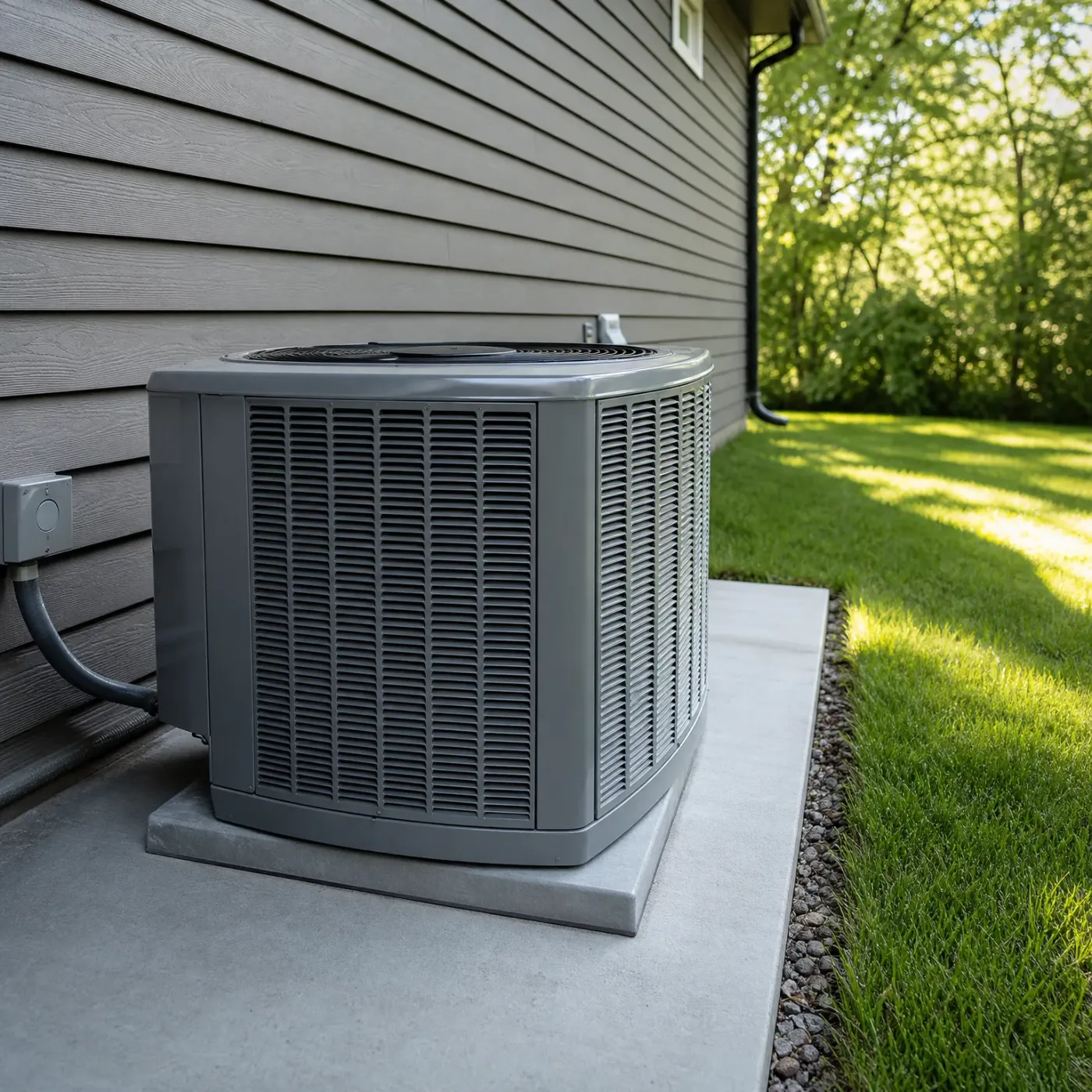
A gray outdoor air conditioner condenser unit on a concrete pad beside a house with horizontal lap siding, with an electrical disconnect box and conduit on the wall, a downspout, gravel edging and a green lawn with trees to the right.

One request and it's handed off

Find a licensed heat pump pro

The pro who reaches out is licensed in South Carolina.

No fee to send it, and nothing to sign.