
Why your mini split light is blinking in South Carolina

A white wall-mounted mini-split air conditioner indoor unit centered against a plain light gray background.
Get a local pro

Why is the light on my mini split blinking?

A blinking light on your mini split usually means the unit is trying to tell you something specific, not just flagging general trouble. With South Carolina summers running hot and humid and so many homes here relying on electric heat too, that indoor unit works hard most months of the year. When the light starts blinking, it's worth knowing whether it's something minor or a sign the system needs a repair tech before it quits on you.

A blinking light means the unit found a fault and is counting it out in flashes

Mini splits use the blink pattern as a built in error code. A certain number of flashes, sometimes a pause between groups, tells the unit's logic board which fault it caught, like a frozen coil, a blocked filter, a sensor reading out of range, or a problem with the outdoor unit. The exact count and what it means depends on the brand, so the same three blinks can mean different things on a Mitsubishi versus a Fujitsu. Some blinking is tied to a safety shutoff the system triggers on its own to protect the compressor. With how often these units run cooling through a South Carolina summer and heat through winter for electric-heat homes, that fault code is worth reading rather than ignoring, since the unit already did the work of narrowing down the problem.

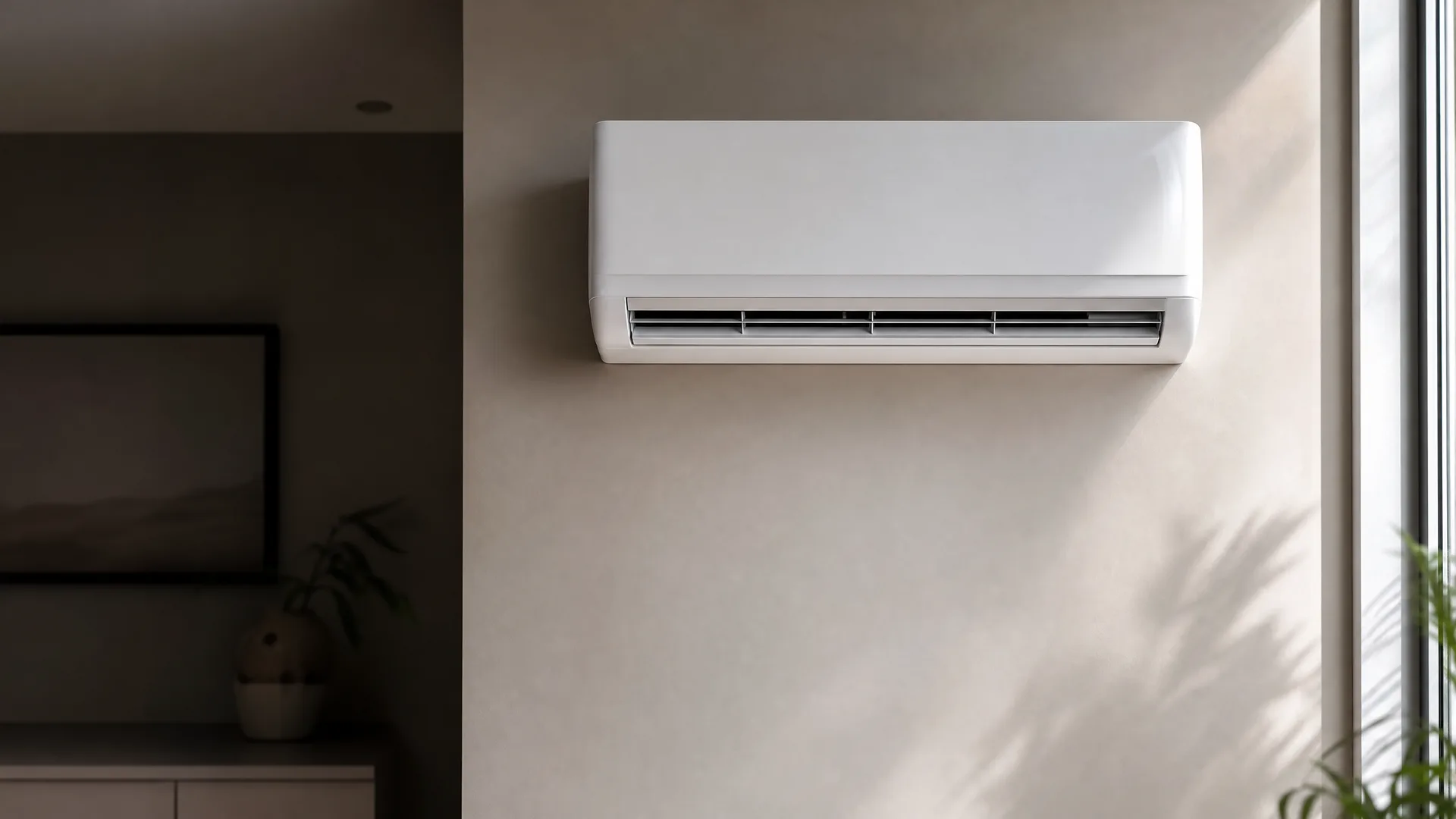
A white wall-mounted mini-split air conditioner on a beige interior wall, with a cream curtain and window at left, a potted plant on a ledge at right, and a wood floor below.

Steady light, normal run

A solid light means the mini split is doing its job. It's cycling on and off to hold the temperature you set, pulling the humidity down along with it. No blinking, no codes. The unit on the wall just hums along, keeping the room where you want it.


A dusty, discolored white wall-mounted mini-split air conditioner unit installed high on a plain interior wall below a white ceiling molding.

Blinking light, dust buildup

When the vents and coil get this coated, the unit can't pull in enough air, and the blinking starts. It may be a clogged filter tripping a sensor, or a frozen coil from restricted airflow. Either way, the mini split is working harder to do less.

A woman in a gray turtleneck sweater sits on a beige sofa in a living room, looking toward a curtained window with blurred greenery outside.
A woman in a brown knit sweater leans back on a sofa with her eyes closed and arms spread along the cushions, in a blurred indoor room with a window, potted plant and kitchen counter behind her.
A woman in a cream sweater sits on a gray sofa with textured cushions, smiling and looking off to the side, with a blurred living room, plants and a pendant lamp behind her.
A woman in a dark green sweater sits on a gray sofa in a living room with a large houseplant, a framed picture, a fireplace, and windows in the background.

What the Blink Pattern Means

  • The blink count is a code: count the flashes between pauses, since most brands use that number to point to one system.
  • A blinking light paired with a beep usually means the indoor unit's control board logged a fault and shut the compressor down.
  • Many units blink faster or in a different color for a refrigerant or sensor fault than for a simple filter reminder.
  • The pattern repeats in a set cycle, so watching two or three full cycles tells you more than catching one flash.
  • Some mini splits store the code even after you cut power, so a tech can pull the history instead of waiting for it to blink again.
  • A frozen coil from restricted airflow or low refrigerant often shows as a blink pattern before the unit ever stops cooling.

The control board inside the indoor unit watches the system constantly: coil temperature, refrigerant pressure, the signal from the fan motor. When something falls outside what it expects, it shuts the compressor down and starts flashing a code instead of just stopping with no explanation. That code is the blink count. Count the flashes, note the pause, count again. Most brands publish what each count means in the manual that came with the unit, and a quick search by model number usually turns up the same chart if the manual is long gone. A beep alongside the blinking usually confirms a fault got logged rather than a one-off glitch. Color matters too. Some units shift from a steady amber to a blinking red, or change the blink rate entirely, to separate something minor like a filter reminder from something that needs a tech, like a refrigerant leak or a failed sensor. Watch for at least two or three full cycles before deciding what the pattern is, since catching it mid-flash can make a four-blink code look like three. If the unit has already frozen over or stopped cooling, the blinking may have started well before that, back when airflow first got restricted or refrigerant first ran low. And if the power gets cut before anyone sees the code, many boards hold onto that fault in memory, so a tech can read the history directly instead of waiting around for it to happen again.

A white wall-mounted mini-split air conditioner near the ceiling of a room with light gray walls, white crown molding, and a beige curtain at the left edge.
A clean mini split runs quiet, with steady airflow and no stains on the wall around it.
A dusty beige wall-mounted mini-split air conditioner indoor unit installed high on a plain light-colored wall below the ceiling.
Dust caked on the coil and streaks on the wall point to a drainage or airflow problem behind that blinking light.

That blink is not cosmetic. Left through a muggy South Carolina stretch, it can shut the unit down mid-cycle on the next hot afternoon, right when the house needs it most. A clogged drain behind the code can back water up into the wall or send it dripping onto the floor below the indoor unit. If the fault points to refrigerant, the system keeps running but stops cooling well, so the room stays warm and the electric bill climbs anyway. A frozen coil is worse the longer it's ignored, since the ice keeps building until it melts and soaks the wall or the carpet underneath it. Some codes trace back to the outdoor unit, and those can leave the whole room without cooling for the rest of the day, not just a short dip while it resets. And a code that keeps repeating cycle after cycle is doing damage the whole time. What starts as one part failing can turn into a compressor problem, and that's a much bigger repair than catching it early would have been.

What that blink means for your house

  • A blinking light left alone through a humid South Carolina stretch can mean the unit shuts itself off mid-cycle on the next hot afternoon.
  • A clogged drain behind that blink can let water back up into the wall or drip onto the floor below the indoor unit.
  • If the blinking points to a refrigerant problem, the system keeps running without cooling well, so the room stays warm and the bill still climbs.
  • Ignoring a frozen coil fault lets ice build further, and once it melts it can soak the wall or the carpet underneath.
  • A fault tied to the outdoor unit can leave the whole room without cooling for the rest of the day, not just a short dip.
  • Letting a blinking code go through several cycles can turn a part replacement into a compressor problem, which is a bigger repair.
A white wall-mounted mini-split air conditioner indoor unit installed near the ceiling on a plain light-colored wall, with its horizontal outlet vent and louvers visible.
Before you get your mini split repair
A white wall-mounted mini-split air conditioner on a beige interior wall, with a curtained window on the left and wood flooring with a light rug below.
After you get your mini split repair

A pro who works on mini splits

After this form, you can stop searching for a mini split pro.

You only hire the pro if you want to.

Most mini split brands space the flashes in groups, then pause before repeating the pattern. Count the flashes in one group, because that number is the code, not the total blinks you see over a minute.

Get that number before a contractor arrives and the visit starts with an answer instead of a guess, which matters on a unit that has to keep running through a South Carolina summer.

An older woman in a cream knit sweater smiles while looking off-camera in a warmly lit kitchen, with a round loaf of bread on a wooden board in the foreground and a dark window behind her.
A woman holds a sleeping boy wrapped in a gray knit blanket on a couch, with a lit table lamp and houseplant blurred in the background.

Keep watching the blink

You wait out the pattern, log the count yourself, and hope it clears or stays simple enough to handle without anyone else looking at the unit.

Find my pro

Get matched with a contractor

You hand off the guesswork. A contractor who knows these units reaches out to you, and sorting out the blink stops being something you carry alone.

Find my pro

Power costs 15.12 cents per kilowatt-hour statewide

A blinking light that leads to a repair instead of a new unit is worth something here. Electricity in South Carolina runs 15.12 cents per kilowatt-hour, and a mini split left faulting over and over pulls harder to keep up, especially once it's fighting summer humidity on top of a real problem.

EIA-861 2025 statewide residential average

A white wall-mounted mini-split air conditioner on a beige interior wall, next to a window with sheer white curtains and green foliage outside.

What a working unit looks like

This is a mini split doing its job. It sits up near the ceiling, the wall around it clean, the light steady. Air moves through the room, the curtains barely stir, and nothing on the unit is asking for attention.

A dusty, discolored wall-mounted mini-split air conditioner indoor unit on a plain white wall, with its horizontal louvers and vent grille visible.

What trouble looks like

This one is caked with dust across the top and along the vents. That buildup blocks airflow across the coil, and a unit working that hard behind a dirty coil is a common reason the light starts blinking in the first place.

What are you noticing around the unit right now?

Look past the light for a second. Is the room actually cooling, or is warm air still coming through the vents while that light blinks away? Listen for a beep that repeats with it. Check the wall under the indoor unit for a damp spot or a drip, and look at the floor below it too. Some households notice a musty smell first, before anyone even sees the light. If the unit has cut out completely and won't start back up, that's worth treating as more urgent than a light that blinks while the room still cools. Left alone through a humid stretch, a small drainage or airflow problem behind that blink can turn into water damage or a unit that quits on the next hot afternoon.

  1. The control board senses a fault somewhere in the system.

  2. The board flashes the light in a counted pattern.

  3. The pattern repeats after a short pause, over and over.

  4. A contractor reads that count against the brand's fault chart.

A woman in a cream sweater and jeans stands in an open black front door of a white stucco house, viewed over the shoulder of a man in a navy jacket in the foreground.

What that blinking light means for your house

The room with the blinking unit is the one that stops cooling first. If that's where the people who need to stay comfortable spend their time, you'll feel it before anyone checks the light itself. A faulting mini split doesn't fail all at once. It struggles, shuts down mid-cycle, comes back, and struggles again, and that's harder on the room than a clean shutoff would be.

If the blink points to a drainage problem, the risk isn't just the unit. Water backing up behind the wall or dripping onto the floor below can do damage that has nothing to do with cooling. You don't have to figure out which fault it is or whether it's safe to wait. Send in what you've noticed, the blink count if you caught it, and get matched with a contractor who works on your unit's brand. From there it's their job to read the code and tell you what it means.

A gray upholstered sofa with a textured cushion sits beside a dark round side table holding a vase of green foliage, with a table lamp and sheer-curtained window behind.
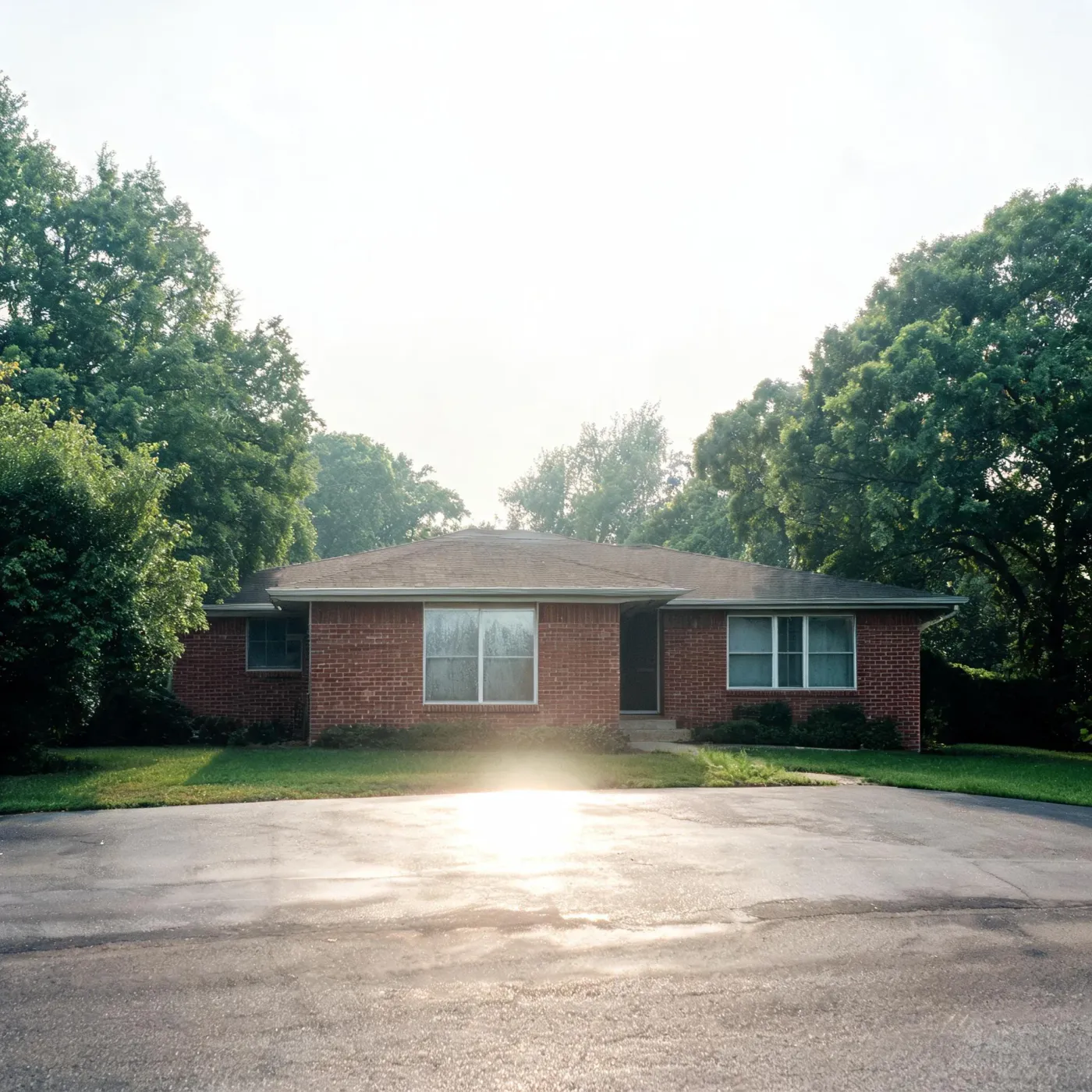
A single-story red brick ranch house with a shingled hip roof, large front window and recessed entry, surrounded by mown grass and mature deciduous trees, fronted by a wide asphalt driveway with sun glare in the foreground.

Summer air in South Carolina holds a dew point around 69°F, the number that tells you how heavy the air actually feels, not just the temperature on the thermostat. That's a lot of moisture for a mini split to pull out of the room on top of cooling it. When a fault trips the blinking light, the compressor stops and that moisture starts creeping back in. You'll notice it as a clammy feel in the room before the temperature even climbs, especially on the muggiest afternoons. Source: NOAA climate normals.

NASA POWER T2MDEW county cells weighted by homes

A blinking light on your mini split is the unit telling you where to look. Count the flashes, note whether it beeps, check whether the room is still cooling, and you already know more than most people do before a contractor ever walks in. Left alone through a South Carolina summer, that blink tends toward worse days, not better ones, especially in whichever room your household actually lives in. None of that means you have to sort it out yourself. Once you send the form, the work of finding someone who reads that code for a living is off your plate. You're not waiting on a diagnosis you have to manage. You're waiting on a call. The light will still be blinking when you finish reading this, and that's fine. What changes is that it stops being your problem to solve alone.

A white wall-mounted mini-split air conditioner on a plain beige interior wall, with a framed picture and potted plant in the dim left background and sunlit window with foliage at right.

The right pro for this job

RepairMini-splitSouth Carolina
Step 1 of 2

What ZIP code is the job in?