





A illuminated white antebellum-style house with a wraparound porch, white columns, and Spanish-moss-draped oak trees, photographed at dusk.

AC Installation in Abbeville, SC

Tell us about the job

Takes about a minute. No obligation.

New system or replacementCentral ACAbbeville County, SC
Step 1 of 2

What ZIP code is the job in?

Electricity in South Carolina ran 14.23 cents per kilowatthour in 2024. An AC unit sized wrong or aging past its prime runs longer to do the same job, and every one of those extra minutes shows up on your bill. A new system sized right for your house, with a SEER2 rating matched to how much you run it here, takes less power to cool the same rooms. The installer handling the job can walk you through what size and rating make sense for your house before anything gets put in.

5 months
May through September, your air conditioner is on duty
89°F
the average summer afternoon it cools against
4 hail events
in ten years, and hail bends the fins on outdoor coils
13.4 SEER2
the federal minimum any new unit must meet
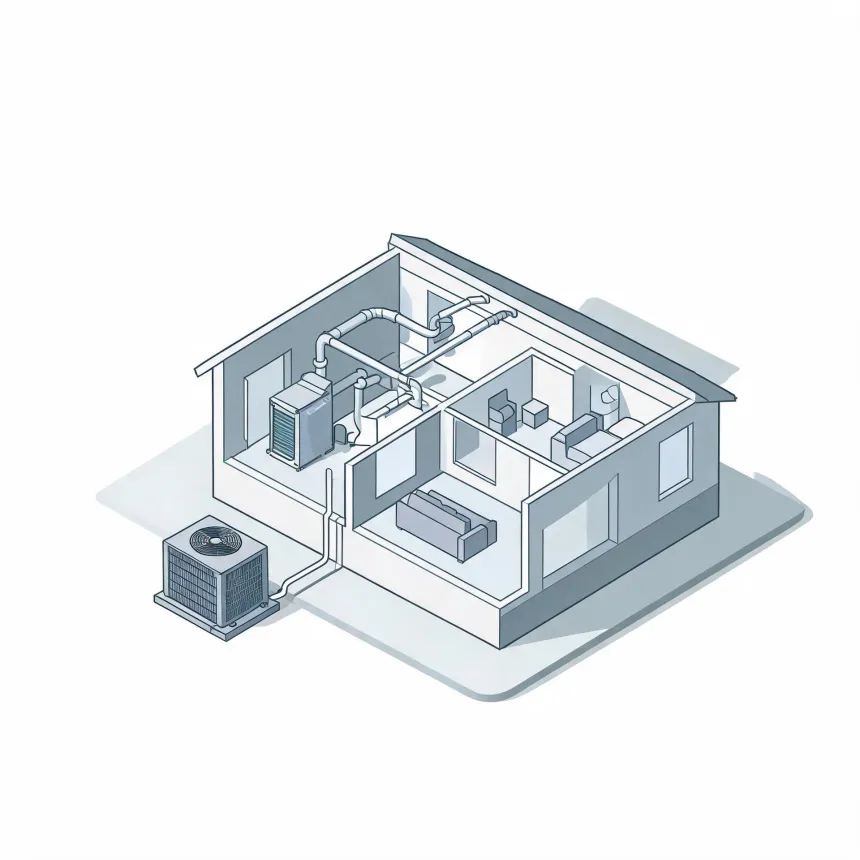
Isometric line illustration of a cutaway house showing interior rooms, a furnace or air handler with ductwork, and an outdoor condenser unit beside the building.
Your air conditioner works hardest from June through September.

NOAA nClimDiv, 1991–2020 normals

Half the homes in Abbeville County were built in 1980 or earlier, half in 1980 or later.

A system sized for your square footage and insulation works the same either way.

Most of Abbeville cools and heats with electricity, so a new AC will likely run on the same setup you have now

68.3% of homes heat with electricity
Cooling runs May through September
Summer afternoons average 89°F

April is the month to get this done here. Cooling starts in May and runs five months, through September, so an install in April means the system is broken in and running right before it's needed. Wait too long and you're scheduling the work while the old unit is already struggling to keep up. Spring also gives the installer time to do the job properly, checking duct connections and refrigerant charge without racing to get cold air back on.

A standard install, sized right, is what this county needs

Abbeville County has seen its share of severe weather, damaging wind, a few hail events, a couple of tornadoes and winter storms over the past decade. None of that changes what your AC needs. A system sized to your square footage and insulation, installed correctly, is the right call here, nothing bigger, nothing with extra features you won't use.

Find a contractor
A man in a dark long-sleeve shirt and tan work pants, seen from behind, steps onto a porch toward a dark green paneled door while carrying a canvas tool bag with tools in its outer pockets, with a potted shrub to the right.
A gray residential air conditioner condenser unit mounted on a concrete pad in an open grass field.

Five months a year of 89-degree afternoons

Five months of cooling here, May through September, with afternoon highs averaging 89°F across June, July and August. That's the stretch a new system has to handle every year, not just a few weeks of peak heat. A unit sized right for your square footage keeps up on those afternoons without running constantly to hold the temperature. One sized wrong, too small or too big, works harder than it should from the first summer on, and that shows up early in parts that wear sooner than they would somewhere milder.

Size drives the cost, not the brand name

Installers figure the right tonnage from your square footage, your insulation, how many windows you have and which way they face. A bigger unit costs more to buy, and going bigger than the house needs doesn't cool it any better. The load calculation is what the price is really built on.

The ductwork decides how much work the job is

If the existing ducts are sealed well and sized for the new system, the crew connects to them and moves on. If a duct run is too narrow, crushed, or leaking air into the attic, that gets fixed or replaced before the new unit can perform the way it's rated to. That work is part of what you're paying for, not an add-on.

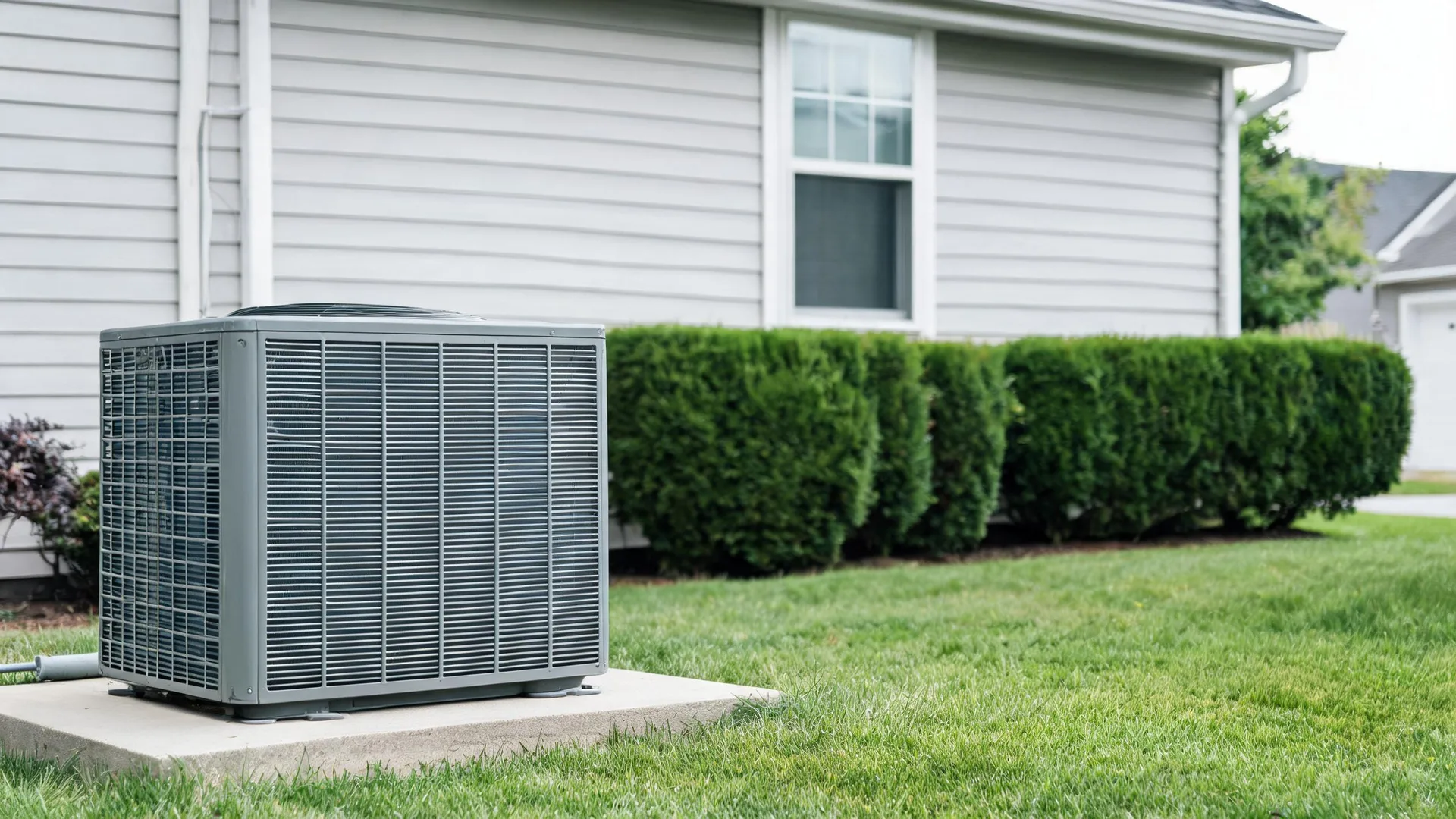
An outdoor air conditioning condenser unit on a concrete pad next to the gray vinyl siding of a residential home.

Going above the federal minimum saves little here, about $20 a year.

  • A higher-efficiency unit$340 a year
  • A new unit at the federal minimum, 14.3 SEER2$360 a year

Estimates for a typical Abbeville County home, from EIA household energy data, South Carolina fuel prices and NOAA climate normals. Your home will differ.

Install day starts with the old unit coming out, both the outdoor condenser and the indoor coil, along with the refrigerant lines running between them. The crew checks the line set before reusing it. If it's the wrong diameter for the new system or has any damage, it gets replaced rather than connected to equipment it wasn't sized for. The new condenser gets set on a pad outside, and the indoor coil goes in above or beside the furnace or air handler, wherever the old one sat. Electrical connections come next, then the refrigerant lines get connected and the whole system gets pressure tested for leaks before any refrigerant goes in. Once it holds pressure, the system gets charged to the exact amount the manufacturer specifies, and the crew checks airflow at the vents and the temperature split between the air going in and the air coming out. That last check tells them the system is actually doing its job, not just running.