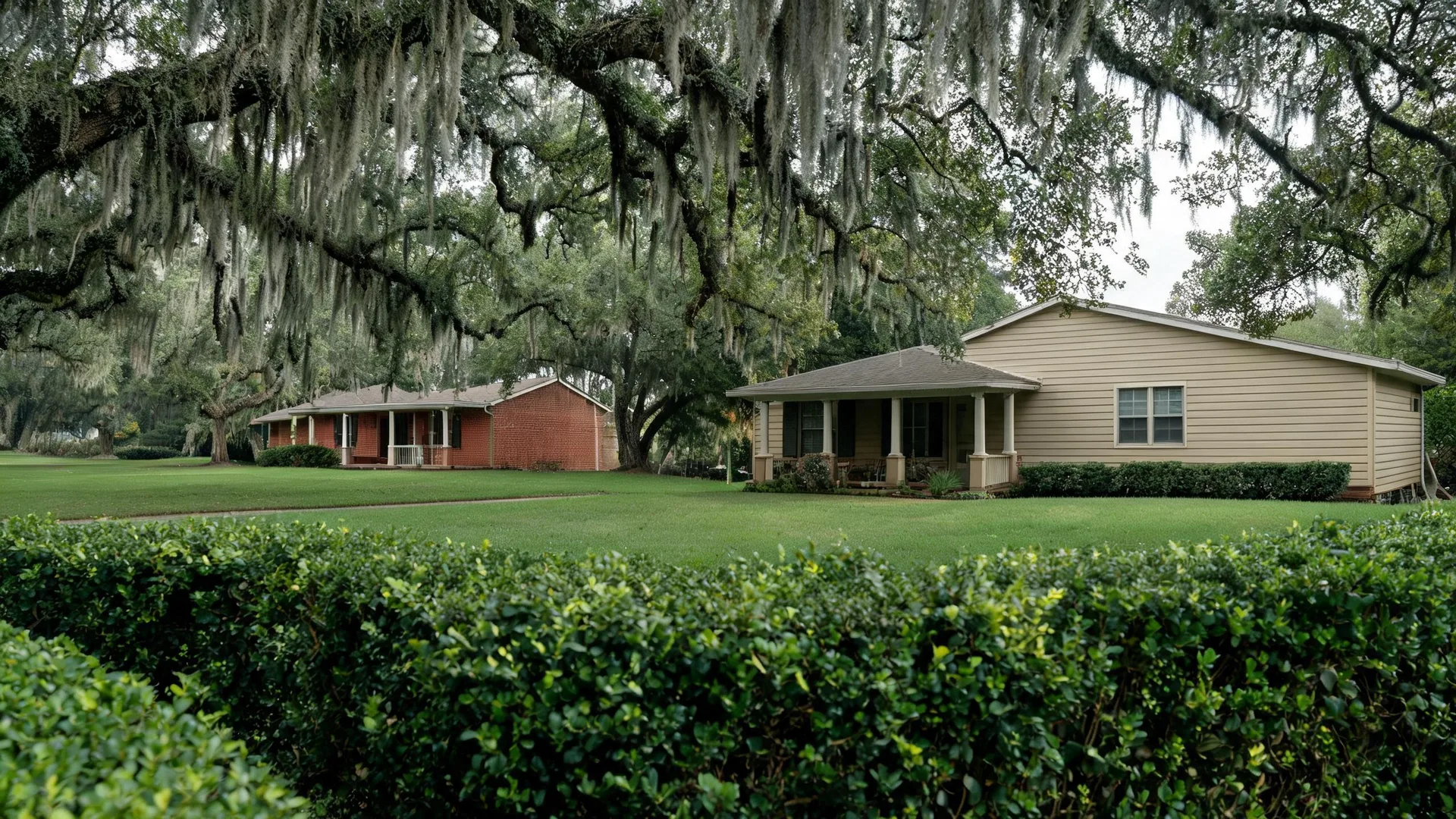





Single-story houses with beige siding and a brick building set on a mown lawn behind a trimmed hedge, framed by large oak branches draped with Spanish moss.

AC Installation in Aiken, SC

Tell us about the job

Takes about a minute. No obligation.

New system or replacementCentral ACAiken County, SC
Step 1 of 2

What ZIP code is the job in?

Electricity in South Carolina ran 14.23 cents per kilowatthour in 2024. An air conditioner that sits a notch or two below its rated efficiency draws that rate every time it cycles on, all summer. The difference shows up on the bill months before the unit shows any sign of wear. When you're picking a system for Aiken, the efficiency rating on the sticker is worth as much attention as the price tag on the install.

5 months
May through September, your air conditioner is on duty
91°F
the average summer afternoon it cools against
52 hail events
in ten years, and hail bends the fins on outdoor coils
13.4 SEER2
the federal minimum any new unit must meet
Isometric line illustration of a cutaway house showing interior rooms, ceiling ductwork connected to an indoor air handler, and an outdoor condenser unit linked by refrigerant lines.
Your air conditioner works hardest from June through September.

NOAA nClimDiv, 1991–2020 normals

Electricity heats 63.6% of homes in Aiken County, more than gas and propane combined.

If your house is already wired for electric heat, an electric AC system is the straightforward match for it.

April is the month to replace it, before May asks anything of it

Cooling runs May through September
Summer afternoons average 91°F
185 damaging wind events from 2015 to 2024

Cooling runs five months here, May through September, and the afternoon high averages 91°F across June, July and August. That's not a system cycling on for a few hours on the hottest days. It's running most of the day, most of the week, for a long stretch of the summer. A unit sized or chosen to just get by will spend that whole stretch working near its limit instead of below it. Size for the load this house actually has, not the one that looked right on a mild spring afternoon.

The system has to meet Aiken's minimum before it earns a spot in the running

Any system installed here has to meet 14.3 SEER2, the Southeast minimum for units under 45,000 Btu/h, which is higher than what the rest of the country requires. That narrows the field before price ever enters the conversation. A system that clears this bar may also qualify for the federal tax credit on efficient equipment, worth looking into while you're comparing options.

Find a contractor
An outdoor air conditioning condenser unit mounted on a concrete pad beside a house, with electrical conduit running to a wall-mounted disconnect box.

It runs for months, so ask what it's built to run on

A system that runs most of the day for months at a time earns out whatever extra it costs over one that just scrapes by. Ask what the compressor is rated to handle over a full season of that kind of duty, not just what it can do on a mild day. Ask what the warranty covers on the compressor specifically, since that's the part under the most load and the most expensive to replace. Ask how the contractor is sizing the system for your house rather than swapping in whatever size is already there. A unit sized right runs long, steady cycles that wear evenly. One sized wrong either short cycles and strains the parts that start and stop it, or runs constantly and never gets ahead of the heat.

The old unit doesn't get reused

Refrigerant has to be recovered from the old system before it comes apart, not vented. The coil, the compressor, the cabinet all get hauled off and scrapped for the metal. None of it carries over into the new install, even if it still runs. A new system means new line set connections and a new pad, not the old parts with a new label on them.

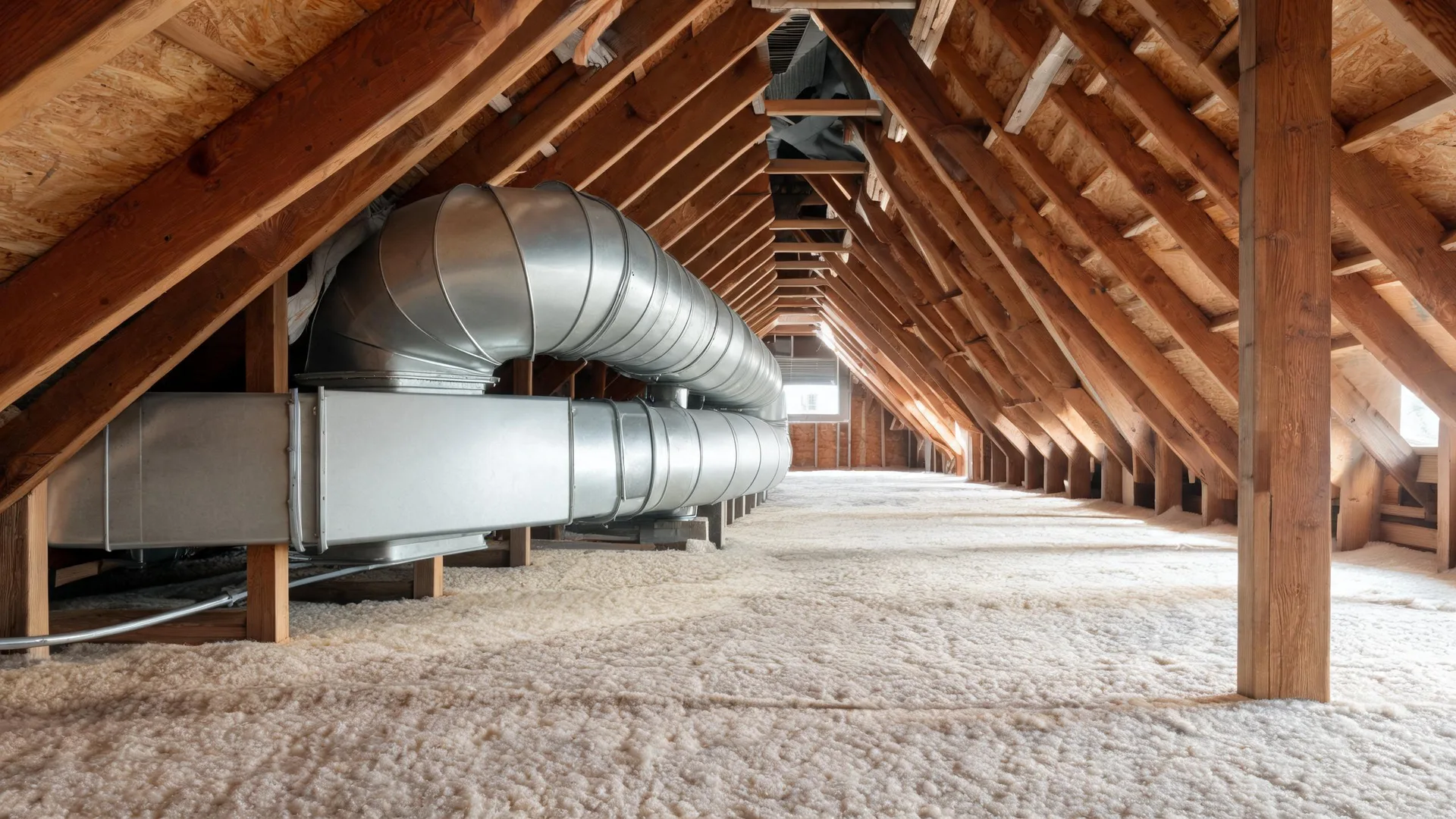
What's worth checking before the old one leaves

If the old system is still cooling at all, ask what's actually failed on it before signing off on full replacement. Sometimes it's the compressor or a cracked coil, and the rest of the system was fine. That matters less for the decision to replace than for understanding what you're paying to walk away from, and whether the ductwork and line set from the old setup can carry over or need work of their own.

An outdoor air conditioning condenser unit positioned beside a blue-sided house at sunset.

A higher-efficiency unit would save about $30 a year to run in Aiken County compared with a new unit at the federal minimum.

  • A higher-efficiency unit$380 a year
  • A new unit at the federal minimum, 14.3 SEER2$410 a year

Estimates for a typical Aiken County home, from EIA household energy data, South Carolina fuel prices and NOAA climate normals. Your home will differ.

The old system comes out before the new one goes in. Refrigerant gets recovered from the old lines, never vented to the air. The indoor coil, the outdoor unit, the old line set all come out, and the new ones go in clean rather than tying into what was already there. The outdoor unit sits on a pad, leveled, because a unit that sits crooked puts uneven strain on the compressor mounts as it runs. New line sets get pressure tested before any refrigerant goes in, so a bad joint shows up as a pressure drop instead of a slow leak months later. Once the system is charged and running, the installer checks the temperature difference between the air going into the system and the air coming out, and checks that the refrigerant charge matches what the manufacturer specifies for that line length. A system can look finished from the driveway and still not be done until that check happens.