





An overhead view of a residential air conditioning condenser unit mounted on a concrete pad next to a house with vinyl siding.

AC Installation in Camden, SC

Tell us about the job

Takes about a minute. No obligation.

New system or replacementCentral ACKershaw County, SC
Step 1 of 2

What ZIP code is the job in?

Camden sits in climate zone 3A, warm with a humid summer that runs long and a winter that stays mild. Any split-system AC installed here has to meet the Southeast's regional minimum, which is higher than what the rest of the country requires. Below 45,000 Btu/h that means at least 14.3 SEER2, and at or above it, 13.8 SEER2. That rule narrows what a contractor can legally install, so the system going in is already built for the load this county puts on it most months of the year. A federal tax credit is also available on qualifying high-efficiency equipment, worth checking against whatever unit you're considering.

5 months
May through September, your air conditioner is on duty
90°F
the average summer afternoon it cools against
24 hail events
in ten years, and hail bends the fins on outdoor coils
13.4 SEER2
the federal minimum any new unit must meet
Isometric line illustration of a cutaway house showing interior rooms with furniture, ductwork leading to an indoor air handler, and an outdoor condenser unit connected by a line set.
Your air conditioner works hardest from June through September.

NOAA nClimDiv, 1991–2020 normals

Cooling runs May through September in Kershaw County, with afternoon highs averaging 90°F through June, July and August.

A system built for five months of 90-degree afternoons has to be sized for this place, not chosen off a spec sheet.

At 14.23 cents a kWh, every SEER2 point you buy comes back on the bill

Power costs 14.23 cents a kWh statewide
Cooling runs May through September
Summer afternoons average 90°F

When you're comparing units, ask for the SEER2 number along with the price tag. A higher SEER2 unit uses less power to cool your home than a lower one, every month it runs. At 14.23 cents a kWh, that difference shows up on the bill, not just the one from the contractor. Ask what each unit costs to run, not just what it costs to buy, and have the contractor walk through both numbers for the size system your home needs.

Electric heat runs 71.5% of homes here, so AC fits right in

Most homes in Kershaw County run on electric heat, and central AC uses that same electrical service and the same ductwork. Replacing your system with another electric split system is the straightforward path, and it's what most of your neighbors already have.

Find a contractor
A gray cylindrical air conditioning condenser unit mounted on a concrete pad next to a light-colored vinyl-sided house exterior.

Sized wrong, it fails every afternoon from May to September

Get the sizing right before you sign anything. A unit too big for your home short-cycles, cooling the air fast and shutting off before it pulls the humidity down, so the house feels clammy even at the temperature you set. A unit too small runs flat out all afternoon and still can't keep up. Either way you paid for the wrong system. A contractor sizing this job should run a load calculation on your house, not just match the tonnage of what's coming out. Ask to see that number before you pick a unit.

The rating is a season average, not a promise

SEER2 gets measured across a range of outdoor temperatures and conditions, then averaged into one number. Your unit won't hold that exact efficiency on every single day. On a mild afternoon it'll run closer to that number or better. On the hottest, most humid days it works harder and the real efficiency drops. The rating tells you how the unit performs over a full season, not what it does on any one day.

A high rating on paper needs the rest of the system to match

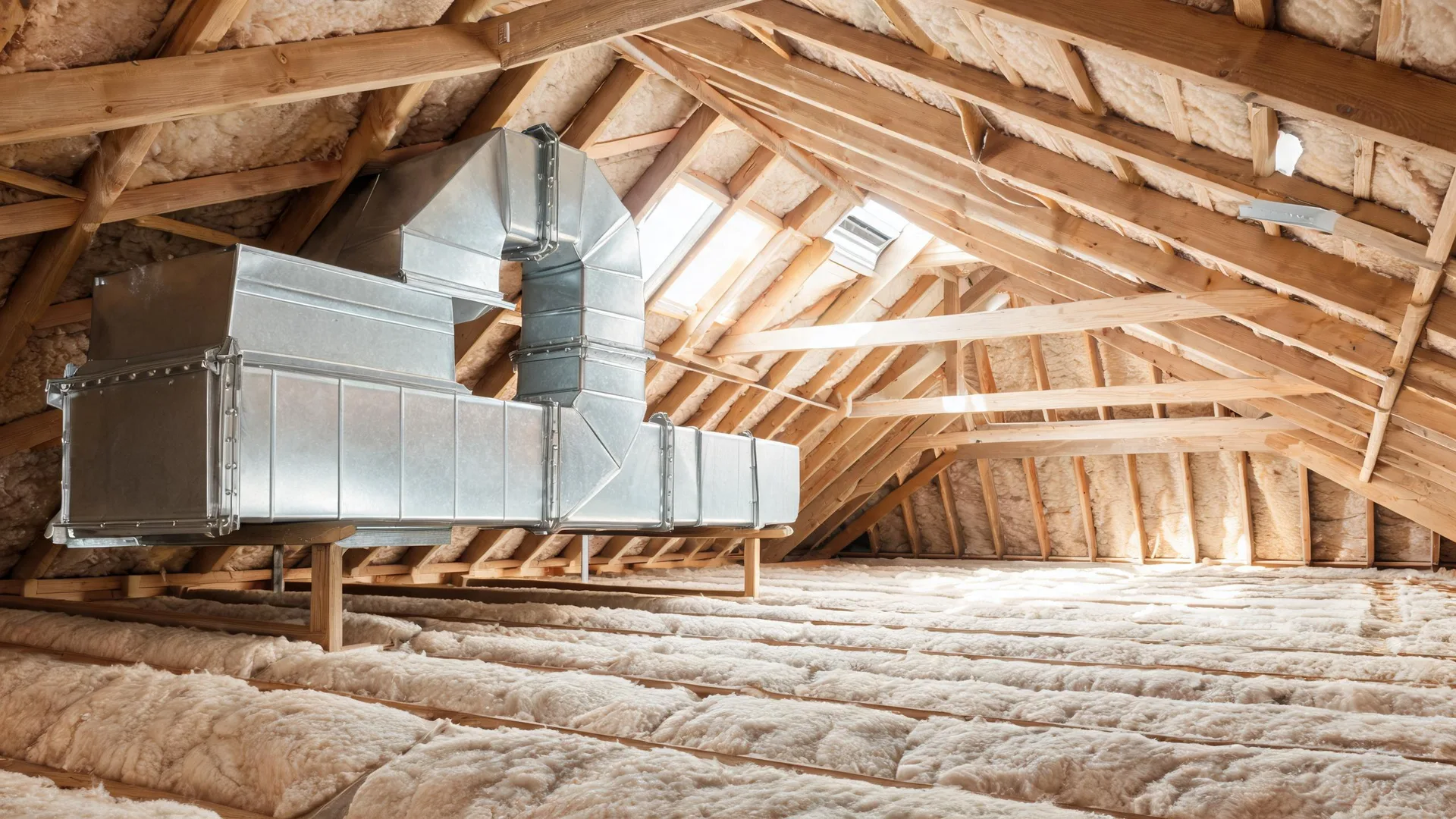
The condenser outside carries the SEER2 label, but it only hits that number paired with the right indoor coil and a duct system that moves enough air. Put a high-efficiency condenser on old, leaky ducts or the wrong coil and it won't deliver the rating on the sticker. Ask the contractor whether the whole matched system, not just the outdoor unit, carries that efficiency number.

An outdoor air conditioning condenser unit on a concrete pad next to the gray vinyl siding of a residential home.

A higher-efficiency unit would save about $30 a year to run in Kershaw County compared with a new unit at the federal minimum.

  • A higher-efficiency unit$340 a year
  • A new unit at the federal minimum, 14.3 SEER2$370 a year

Estimates for a typical Kershaw County home, from EIA household energy data, South Carolina fuel prices and NOAA climate normals. Your home will differ.

The unit itself is only one line on the invoice. What it takes to get it running right is the rest. Ductwork drives a lot of it. If the existing ducts are the wrong size or leaking at the joints, they need work before the new system can move the air it's rated for, and that's labor a straightforward swap doesn't need. The indoor coil has to match the outdoor condenser. If your line set or electrical whip doesn't fit the new equipment, that's more to replace rather than reuse. Where the condenser sits matters too, since a longer run of refrigerant line or a tricky spot to set the pad adds time on site. None of this shows up on the spec sheet for the unit. It shows up when a contractor actually looks at your house.