




White two-story houses with wraparound porches and Spanish moss-draped oak trees photographed along a residential street at night.

AC Installation in Cheraw, SC

Tell us about the job

Takes about a minute. No obligation.

New system or replacementCentral ACChesterfield County, SC
Step 1 of 2

What ZIP code is the job in?

Chesterfield County saw 111 damaging wind events and 43 hail events over the past decade. Hail dents a condenser's fins and bends the cabinet, and wind drives branches and debris into it, so where the installer sets the new unit and what they set it on is worth thinking through now, not after a storm. Nearly half of South Carolina households lost power for a day or more last year. A new AC won't run through that, no matter how well it's installed. If a generator or battery backup to keep even a few rooms conditioned matters to you, raise it during the installation, since wiring for backup power is easier to plan before the system goes in than to add after.

5 months
May through September, your air conditioner is on duty
90°F
the average summer afternoon it cools against
43 hail events
in ten years, and hail bends the fins on outdoor coils
13.4 SEER2
the federal minimum any new unit must meet
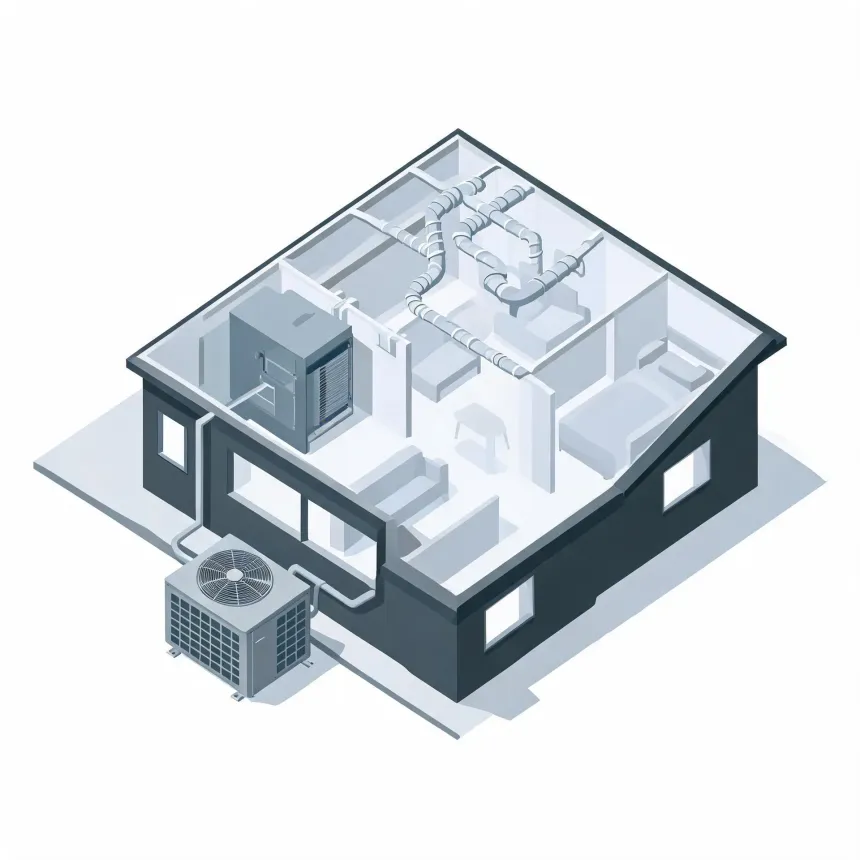
Isometric cutaway illustration of a small house showing interior rooms with furniture, ceiling ductwork and an air handler, plus an outdoor condenser unit connected by refrigerant lines beside the building.
Your air conditioner works hardest from June through September.

NOAA nClimDiv, 1991–2020 normals

Cooling runs May through September here.

April is the month to get the new system in, before the first storm of the season finds it mid-install.

Five months of 90 degree afternoons, every year

Cooling runs May through September
Summer afternoons average 90°F
111 damaging wind events from 2015 to 2024

Half the homes in Chesterfield County were built in 1986 or earlier, half in 1986 or later, and that split doesn't point an installer toward a bigger unit or a different kind of system. A properly sized standard system cools either one fine. What does matter here is that mobile homes make up more than a third of the housing stock in the county. If your AC is going on a mobile home, it needs equipment and ductwork rated for that kind of install, not a system sized for a site-built house. Ask the installer directly whether the unit and the ducts they're planning are matched to a mobile home before work starts.

Your new AC has to meet a higher bar here than in most of the country

Any new split system going into a home here has to hit at least 14.3 SEER2, the Southeast's minimum, higher than what's required elsewhere in the country. That rules out lower-tier equipment some installers might otherwise offer. A federal tax credit is available for qualifying high-efficiency systems, worth asking about when you're comparing quotes.

Find a contractor
A man in a cap, dark jacket and work pants carries a worn canvas tool bag up stone steps toward a dark green front door, with a shrub in a green planter beside the entry.
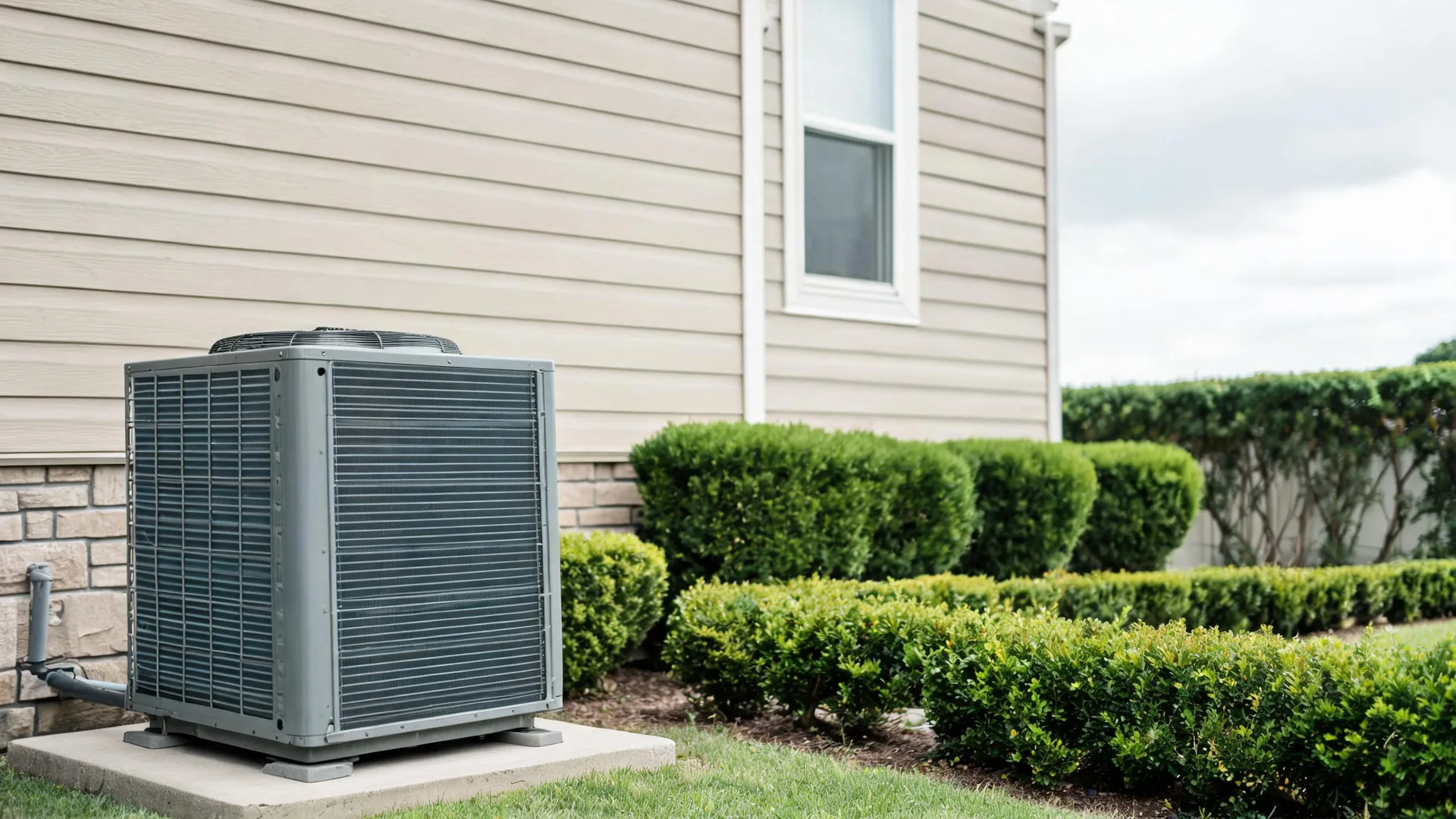
A gray cylindrical air conditioning condenser unit mounted on a concrete pad next to a light-colored vinyl-sided house exterior.

Size it for the load it will actually carry

Five months of 90 degree afternoons is the baseline load. Get the sizing wrong and the unit either short cycles or runs flat out trying to catch up, and either way it's working harder than it should from day one. Ask for a load calculation on the house itself, not a rule of thumb based on square footage. The cheapest quote is often the one that skipped this step.

The old unit gets disconnected, not just unplugged

An installer has to recover the refrigerant from the old system before touching it, since venting it into the air is against the law. The electrical disconnect gets pulled, and if the old condenser ran on its own circuit or breaker, that gets addressed too. None of this is optional, so it belongs in any honest install quote already.

The pad and line set get a second look, not a free pass

A new condenser can sit on the same pad as the old one, but only if the pad is still level and hasn't cracked or sunk. The copper line set running to the indoor coil can sometimes stay in place too, but only if it's the right diameter for the new system's refrigerant charge. The wrong size line set will cause problems no matter how well the rest of the install goes, so an installer planning to reuse either one should be able to say why it still fits.

An outdoor central air conditioning unit mounted on a concrete pad beside a blue-sided house at sunset.

Going above the federal minimum saves little here, about $20 a year.

  • A higher-efficiency unit$340 a year
  • A new unit at the federal minimum, 14.3 SEER2$360 a year

Estimates for a typical Chesterfield County home, from EIA household energy data, South Carolina fuel prices and NOAA climate normals. Your home will differ.

The SEER2 number on the label tells you how much cooling the unit produces for the power it draws, measured over a full season rather than at one instant. A higher number means it's pulling less power to deliver the same cooling, nothing about how big a house it can handle or whether it was sized right for one. Systems with the same rating can still behave differently in daily use, because the number comes from lab testing under set conditions, not the ductwork and layout it will actually be running in. A unit with variable-speed or multi-stage cooling tends to hold a steadier temperature and run quieter than a single-stage unit at the same rating, since it can ease into lower output instead of switching fully on and off. The rating matters for what the system costs to run over its life, but it says nothing about installation quality, and a high-rated system installed wrong will underperform a lower-rated one installed right.