





Aerial view of a residential air conditioning condenser unit mounted on a concrete pad next to a house with vinyl siding and a sliding glass door.

AC Installation in Dillon, SC

Tell us about the job

Takes about a minute. No obligation.

New system or replacementCentral ACDillon County, SC
Step 1 of 2

What ZIP code is the job in?

Electricity in South Carolina ran 14.23 cents per kilowatthour in 2024. An air conditioner here is going to run for months at a time once summer sets in, and every one of those hours gets billed at that rate. A unit sized wrong for the house, or one that's just old and worn down inside, pulls more power to do the same job. Installation is the one chance to put in a system that matches the house instead of fighting it. The SEER2 rating on a new system tells you how efficiently it turns electricity into cooling, and in a state with rates like these, that number keeps showing up on every bill after.

5 months
May through September, your air conditioner is on duty
90°F
the average summer afternoon it cools against
4 hail events
in ten years, and hail bends the fins on outdoor coils
13.4 SEER2
the federal minimum any new unit must meet
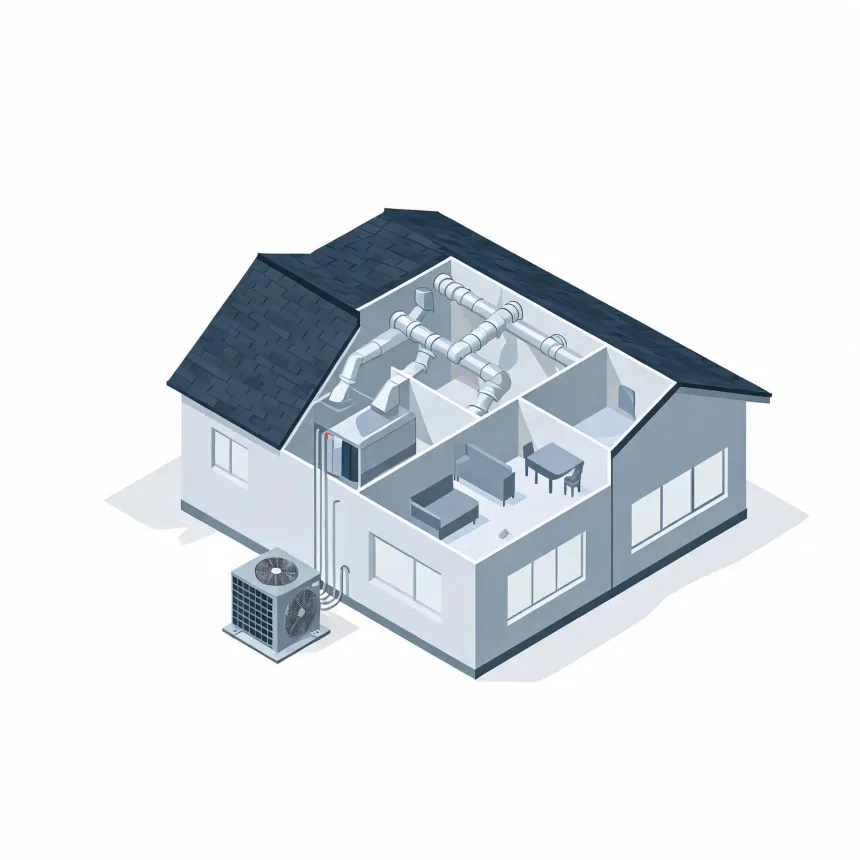
Isometric illustration of a cutaway single-story house showing attic ductwork, an indoor air handler, interior rooms with furniture, and an outdoor condenser unit connected by lines, on a white background.
Your air conditioner works hardest from June through September.

NOAA nClimDiv, 1991–2020 normals

Cooling runs May through September in Dillon County.

April is the month to put in a new system, before the first hot week makes that decision for you.

Five months of 90 degree afternoons, every year

Cooling runs May through September
Summer afternoons average 90°F
Power costs 14.23 cents a kWh statewide
A standard system fits most houses hereHalf the homes in Dillon County were built in 1984 or earlier, half in 1984 or later. Neither calls for anything out of the ordinary.

Dillon County sits in zone 3A, warm with a short mild winter and summer that runs long. That puts it under the Southeast's own efficiency rule for new air conditioners, not just the national one. A split system installed here has to hit at least 14.3 SEER2, higher than the 13.4 SEER2 floor manufacturers build to for the rest of the country. You don't need to track that number down yourself. Any system going in here already has to clear it.

Dillon County homes run on electricity, and your new system should too

Electricity heats 90.1% of homes in Dillon County. Gas barely registers here. That makes a heat pump or a straight electric AC with a furnace or air handler the standard setup, and a contractor sizing your install already knows what to plan around. Putting in the same kind of system the house already runs on keeps the job simple and avoids work the gas numbers alone tell you not to expect.

Find a contractor
An outdoor air conditioning condenser unit mounted on a concrete pad surrounded by gravel, photographed against a partly cloudy blue sky.

Five months of this a year, every year

Five months a year, that compressor is running most afternoons the sun is up. This is where sizing earns its keep. A system too big cools the house fast and shuts off before it pulls the moisture out of the air, so it short cycles and the parts that start and stop take the wear. One too small just runs the whole five months straight through, trying to keep up. Get a contractor to run a load calculation on the house instead of matching whatever size is already out there. The one sized to this stretch is the one still running it well a few summers from now.

The number compares systems, not your bill

SEER2 is measured under set lab conditions, the same for every unit tested. It tells you how one system stacks up against another, not what your power bill will look like once it's running in a real house with real ductwork and a real thermostat setting. A high rating on the label is a starting point, not a promise.

The rating only holds if the install matches it

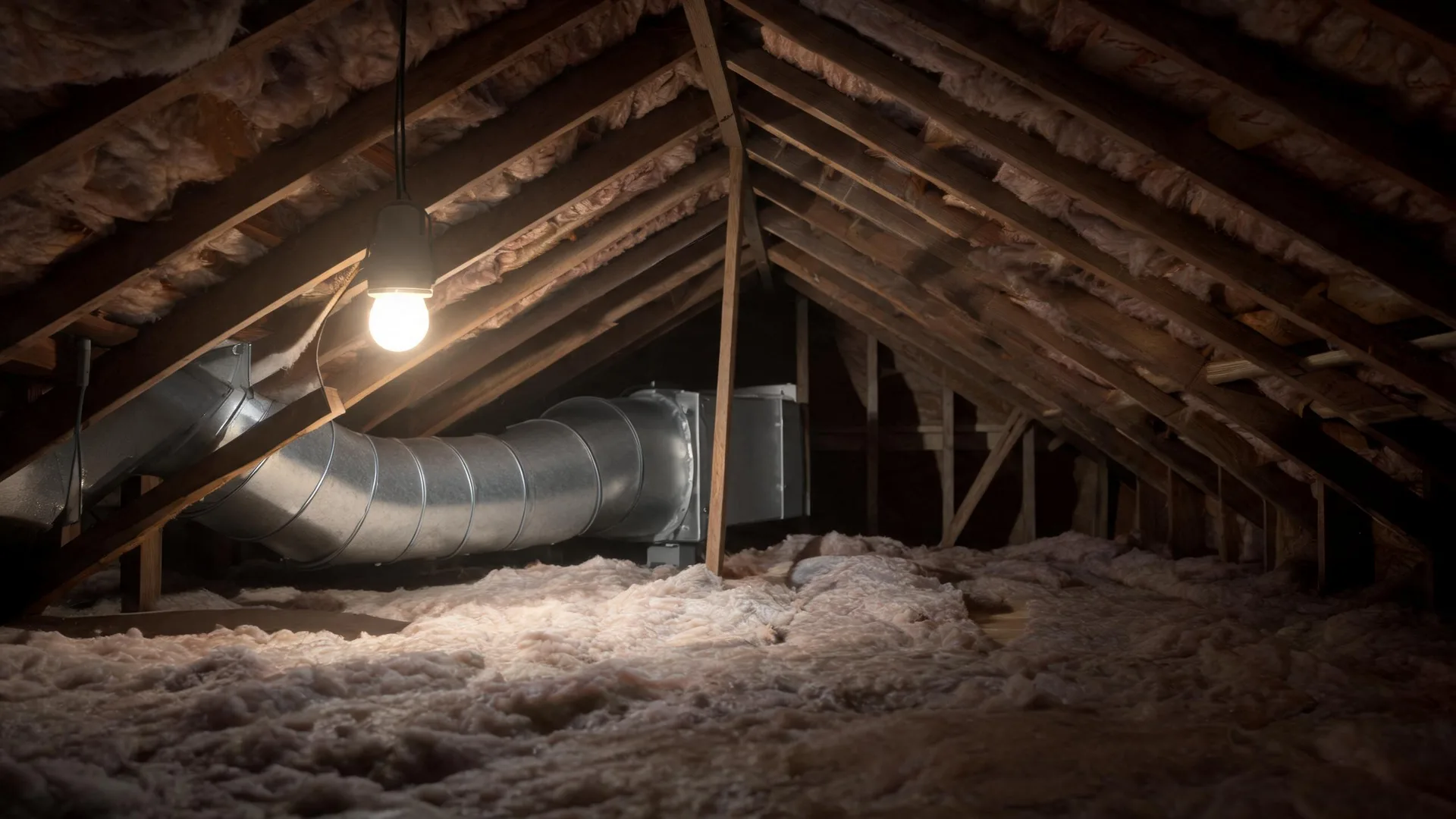
A SEER2 number assumes the system is working the way it was designed to, with the refrigerant charge correct and enough airflow moving across the coil. A system installed into ductwork that's too small for it, or charged wrong at startup, runs below its rating for as long as it sits in the house. Sizing and setup decide whether that number on the label ever shows up on the bill.

Overhead view of an air conditioning condenser unit on a concrete pad next to a house with asphalt shingle roofing and vinyl siding.

Going above the federal minimum saves little here, about $20 a year.

  • A higher-efficiency unit$370 a year
  • A new unit at the federal minimum, 14.3 SEER2$390 a year

Estimates for a typical Dillon County home, from EIA household energy data, South Carolina fuel prices and NOAA climate normals. Your home will differ.

Installation starts with the ductwork already in the house, not the new unit. A contractor checks the supply and return sizes against what the new system needs to move, because a bigger coil pulling air through the same old ducts just means more noise and less cooling at the vents. The indoor coil and furnace or air handler usually go first, then the line set runs out to where the outdoor unit sits on its pad. Once the outdoor unit is connected, the system gets charged with refrigerant to the exact weight the manufacturer specifies, not just until the air coming out feels cold. After that the contractor checks airflow across the coil and tests the system through a full cooling cycle before calling the job done. None of that shows up on the label, but it's what decides whether the system runs the way the label says it will.