Aerial view of a gray central air conditioning condenser unit on a concrete pad next to a house with vinyl siding.

AC Installation in Hartsville, SC

Tell us about the job

Takes about a minute. No obligation.

New system or replacementCentral ACDarlington County, SC
Step 1 of 2

What ZIP code is the job in?

Weather here is rough on an outdoor unit

Darlington County logged 159 severe weather events between 2015 and 2024, most of them damaging wind. A new condenser needs a spot that stays clear of falling limbs and away from runoff, and a contractor can point out where that is on your property.


Plan for the power going out, not just the heat

Almost half of South Carolina households went at least a day without power at some point in 2024. When that happens, the install is what decides how fast the house cools back down once power is back, and whether a generator hookup is worth asking about now.

5 months
May through September, your air conditioner is on duty
90°F
the average summer afternoon it cools against
18 hail events
in ten years, and hail bends the fins on outdoor coils
13.4 SEER2
the federal minimum any new unit must meet
Isometric cutaway illustration of a house interior showing ducted air handling equipment and duct runs through rooms, connected by piping to an outdoor condenser unit on a pad outside the wall.
Your air conditioner works hardest from June through September.

NOAA nClimDiv, 1991–2020 normals

Almost 9 out of 10 homes in Darlington County heat with electricity.

A heat pump installed here can cover your summer cooling and your winter heat in one system.

At 14.23 cents a kilowatt-hour, running May through September into 90 degree afternoons, efficiency is what keeps the bill down

Power costs 14.23 cents a kWh statewide
Cooling runs May through September
Summer afternoons average 90°F

Hartsville sits in climate zone 3A, and any split-system air conditioner installed here under 45,000 Btu/h has to meet 14.3 SEER2. That's the Southeast's own minimum, set higher than the 13.4 SEER2 the rest of the country allows. A unit rated below that line can't legally go in a Darlington County home no matter what it costs. On top of that, a new system may qualify for a federal tax credit, which is worth asking a contractor about when you're comparing models.

Install before May, not during it

Cooling here runs May through September. If your system is on its way out, replacing it in April gets it done before that first hot month hits, on a schedule you control instead of one a breakdown picks for you.

Find a contractor
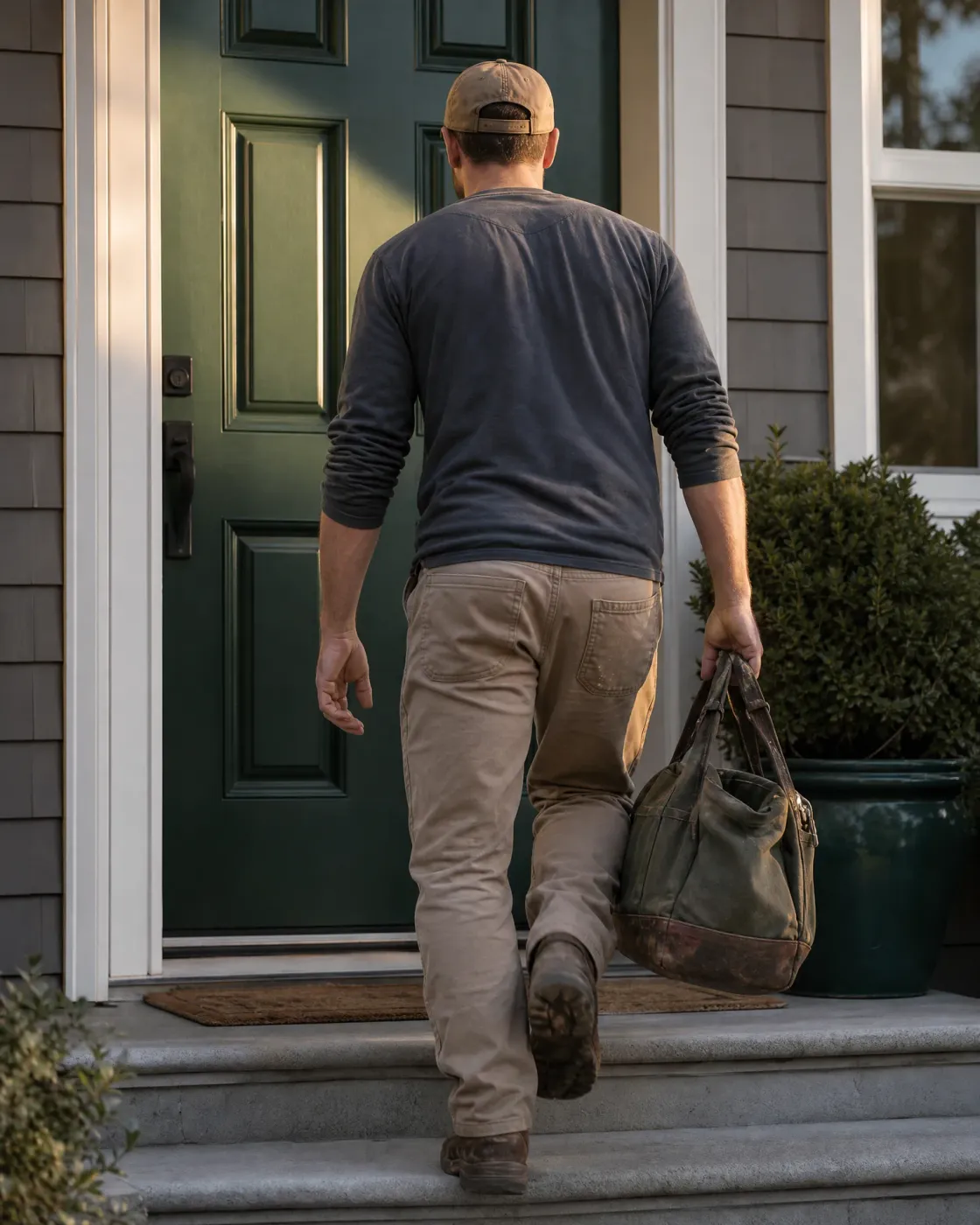
A man in a cap, dark long-sleeve shirt and tan work pants walks up concrete steps toward a dark green front door, carrying a worn canvas duffel bag.
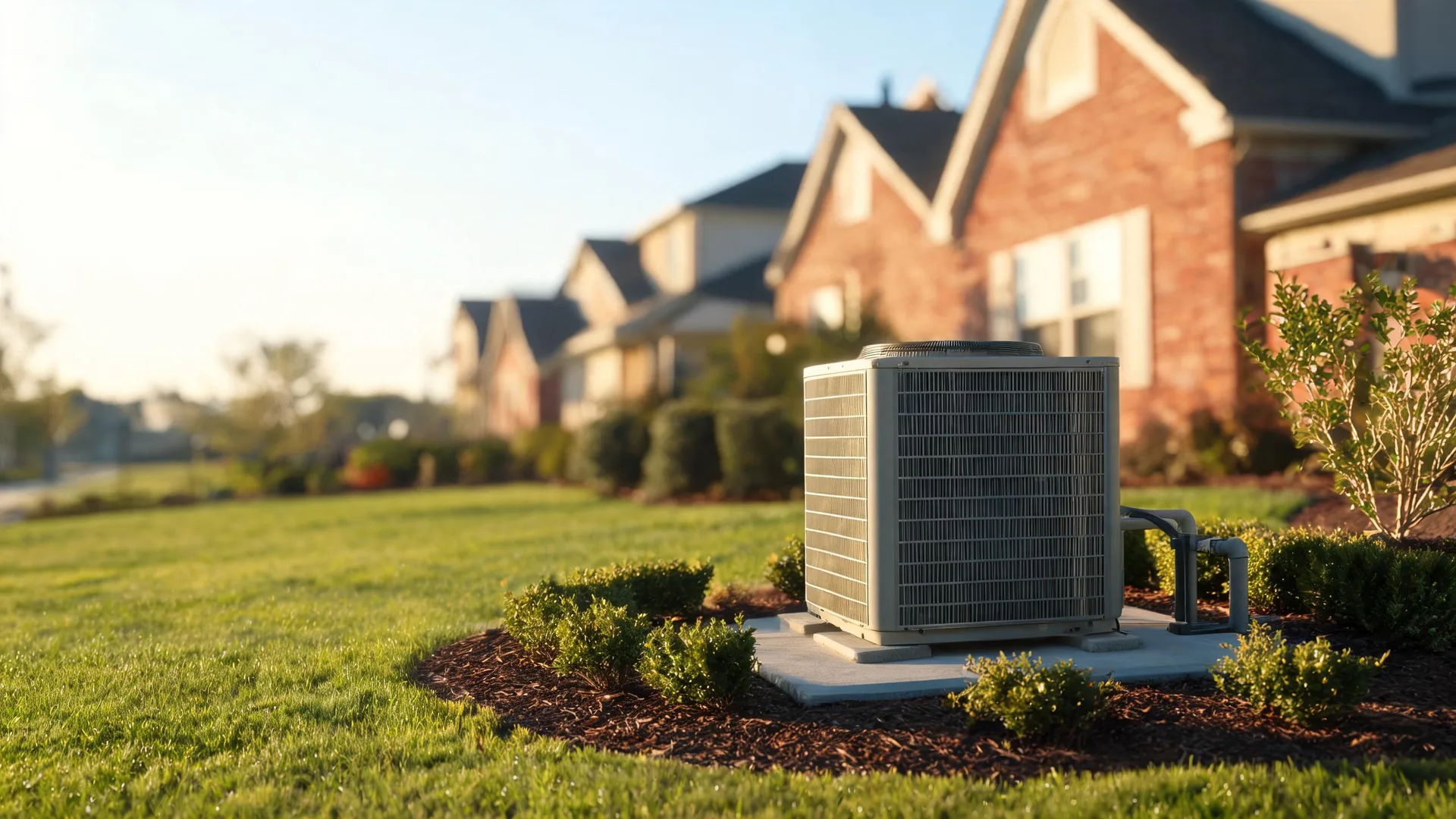
An outdoor air conditioning condenser unit mounted on a concrete pad surrounded by gravel, photographed against a partly cloudy blue sky.

Five months of heat, every year, for as long as it's here

Five months of cooling here means five months of a condenser running through 90 degree afternoons. Day after day the compressor cycles on and off, all summer long. A unit sized too big for the house short cycles, starting and stopping more than it should. A unit sized too small runs close to constantly trying to keep up. Either way the parts that fail first, the capacitor, the contactor, show wear sooner than they would somewhere milder. Sizing the system to the house, not just picking a number off a chart, gives it a fair shot at holding up through summers like these.

The old unit gets hauled away

The refrigerant gets recovered first. That's not optional, it's the law, and a licensed contractor has the equipment to pull it from the old system before anything gets disconnected. After that the condenser and the indoor coil come out, the line set and old pad or bracket come out with them if they're not being reused, and the metal goes off to a scrap recycler. Nothing about this takes extra planning on your end.

Your new system may not match the old footprint

A straight swap sounds simple but the new condenser might not bolt to the same pad, and the old line set may be the wrong diameter for the new system. The indoor coil might not match the new unit's cabinet either. None of that is a problem, it just means the install includes some work beyond unhooking one unit and hooking up the next.

An outdoor air conditioning condenser unit on a concrete pad next to the gray vinyl siding of a residential home.

A higher-efficiency unit would save about $30 a year to run in Darlington County compared with a new unit at the federal minimum.

  • A higher-efficiency unit$360 a year
  • A new unit at the federal minimum, 14.3 SEER2$390 a year

Estimates for a typical Darlington County home, from EIA household energy data, South Carolina fuel prices and NOAA climate normals. Your home will differ.

Installation day starts with a load calculation, not a delivery truck. A contractor measures the house, checks the ductwork, and confirms the new system matches what the house actually needs before anything gets carried in. Once that's settled, expect the old equipment disconnected and recovered, new line sets run or reused, and the indoor coil and condenser set in place and sealed. The system gets charged with refrigerant to the manufacturer's spec, not just topped off by eye. Then it runs. A contractor checks the temperature split at the vents, the pressures in the lines, and the airflow before calling it done. That last check matters more than how fast the crew works. A system that looks installed but was never tested properly is the one that fails in the first few weeks.