Electricity here runs 14.23 cents per kilowatthour
South Carolina homes paid that rate in 2024. An AC that struggles to hold its temperature, or cycles more than it should, turns that rate into a bigger bill every month it runs.
Takes about a minute. No obligation.
South Carolina homes paid that rate in 2024. An AC that struggles to hold its temperature, or cycles more than it should, turns that rate into a bigger bill every month it runs.
When you're choosing a new system instead of patching the old one, the SEER2 rating on the unit you pick decides what every summer costs you from here on. That's worth comparing before you decide, not after.

NOAA nClimDiv, 1991–2020 normals
Williamsburg County homes split evenly between built before 1985 and after.
A standard-sized, standard-efficiency system fits either one without upsizing or special equipment.




Ask to see the SEER2 rating before you settle on a unit, not after it's installed. Two systems can cool a Kingstree home the same way on a mild day and still land on different bills once summer sets in, because the rating tells you how much electricity each one pulls to do that same job. A contractor quoting your install should be able to tell you that number for whatever they're proposing, along with the one for the system it's replacing if you're swapping out. At 14.23 cents a kilowatt-hour, the gap between a low rating and a high one is not something you feel once. It's there on every bill for as long as the system runs.
Any new system installed here has to meet 14.3 SEER2, the Southeast minimum and a step above what's required elsewhere in the country. That floor is already set before a contractor writes a quote, so the number worth asking about is how far above it a unit goes, not whether it clears it. A federal tax credit is available for qualifying high-efficiency equipment, which is worth factoring in while you're comparing systems, not after you've picked one.
Find a contractorMay through September, the afternoon high here averages 90 degrees. That's the stretch this system has to work through, every year, and it's not a handful of hot days, it's the whole summer holding steady at that mark. A system sized right for this heat will run long hours across those five months without the strain showing up early. That's what sizing it correctly buys you here, not a special unit, just the right one for what the summer actually asks of it.
A real install disconnects the old condenser and air handler, recovers the refrigerant from the lines, and hauls the equipment away. The refrigerant can't just be vented, it has to be captured, so factor that step into any quote you're comparing. A contractor who's quoting a straight swap should already have this built into the job.
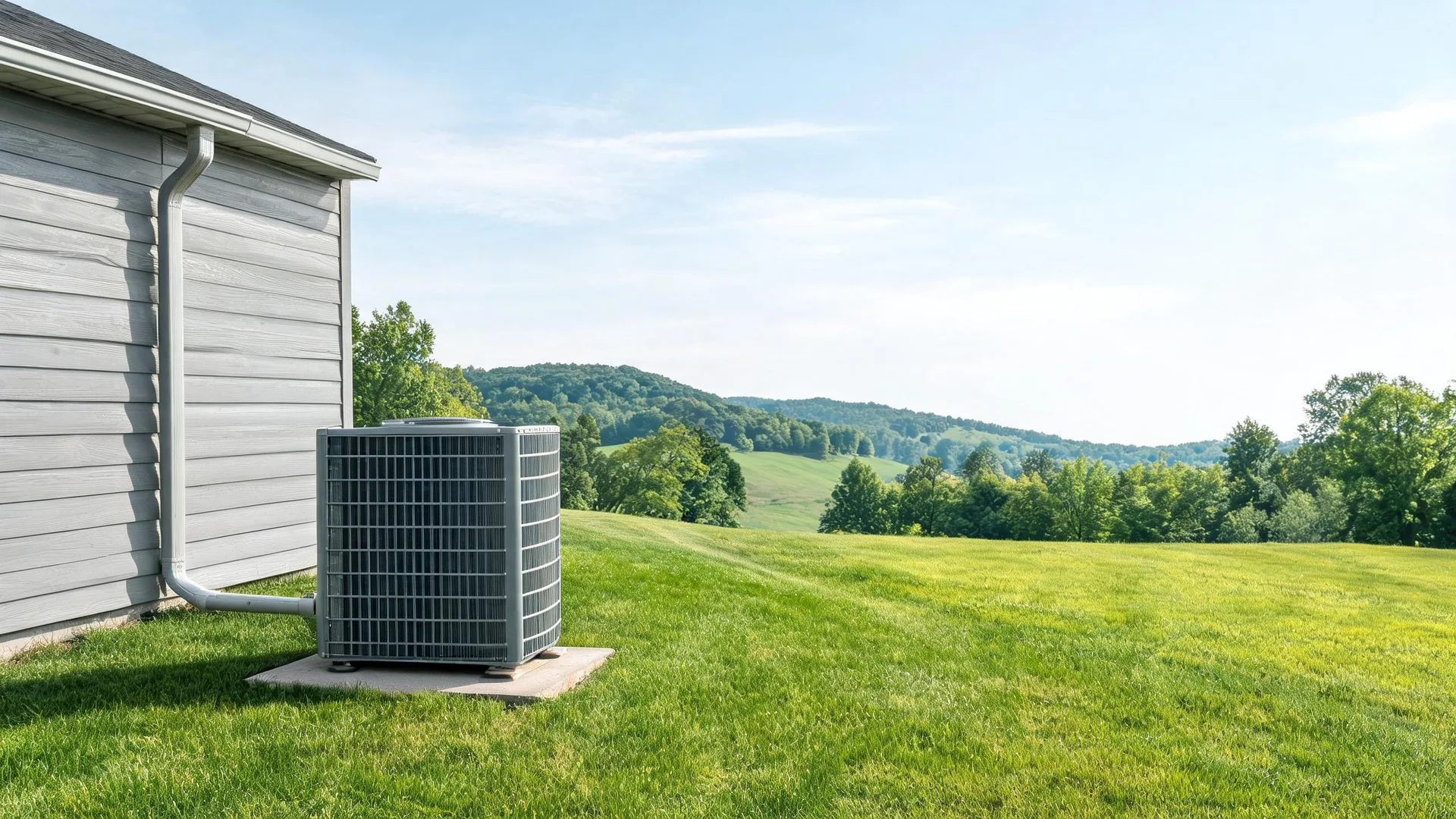
The copper line set running between the condenser and the air handler often gets reused if it's in good shape, and the concrete pad outside usually stays put too. What changes is everything that wears, the compressor, the coil, the fan motor. Ask whether the line set is being reused or replaced, since a mismatch between old lines and a new system can cause problems down the road that show up long after the install is done.
Estimates for a typical Williamsburg County home, from EIA household energy data, South Carolina fuel prices and NOAA climate normals. Your home will differ.
The old system comes apart first. Refrigerant gets recovered from the lines, the power gets locked out, and the condenser and air handler get disconnected before anything new is set in place. Once the space is clear, the new equipment goes in, the line set gets connected, and the electrical and condensate drain get tied into it. The step that takes the longest is charging the system to the exact refrigerant level the manufacturer specifies, then checking airflow across the coil. A system that's even a little overcharged or undercharged will still run, just not the way it's supposed to, and that kind of mistake can go unnoticed for a long time before the compressor shows the wear. Before the job is called finished, the system should get cycled and watched under load, not just switched on and left.