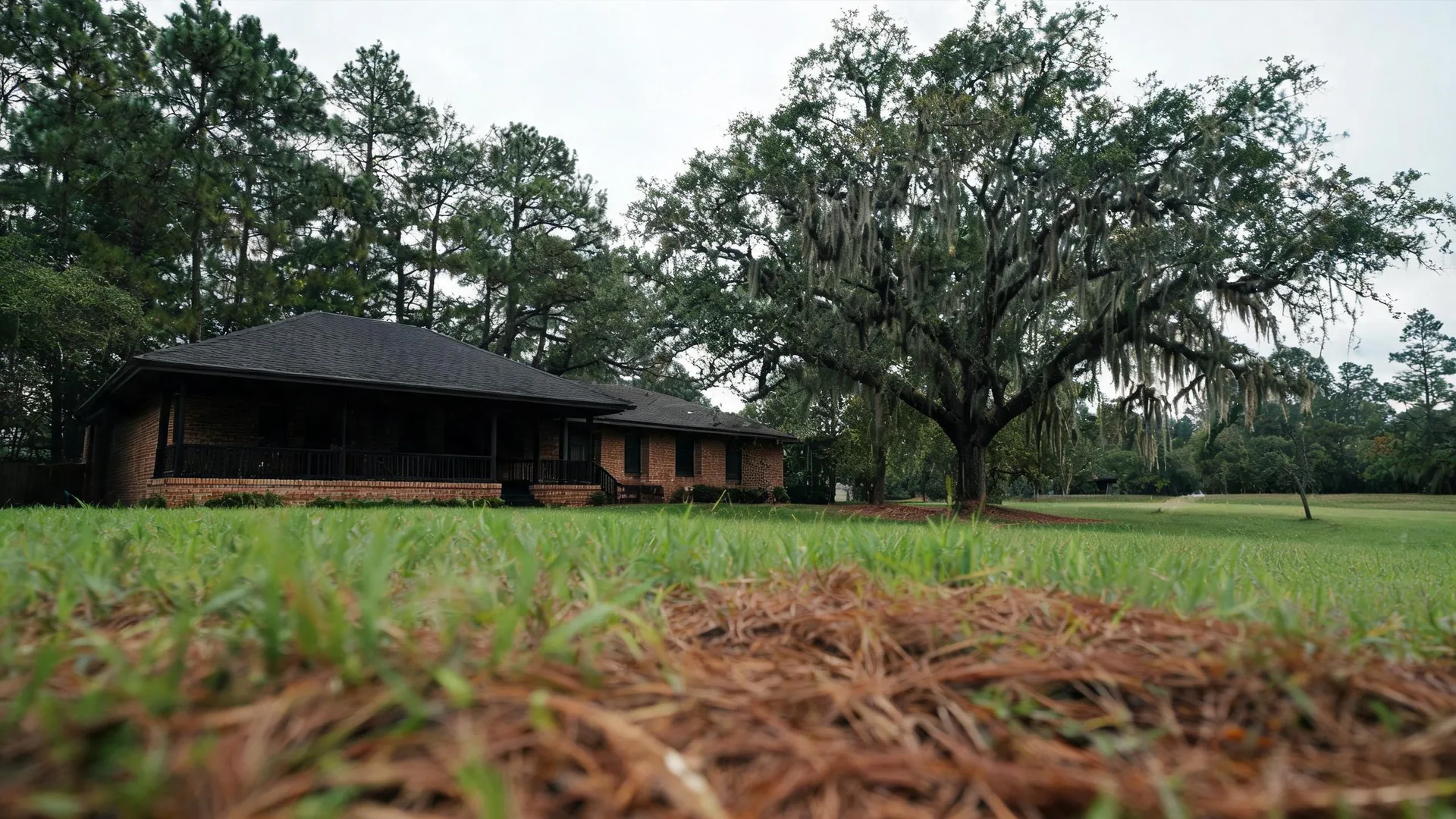







Low-angle view across a lawn with pine straw in the foreground toward a single-story brick house with a dark shingled roof and covered porch, beside a large moss-draped oak and pine trees under an overcast sky.

AC Installation in Lancaster, SC

Tell us about the job

Takes about a minute. No obligation.

New system or replacementCentral ACLancaster County, SC
Step 1 of 2

What ZIP code is the job in?

The size of the unit matters more than the brand on it. A system sized too large for the space runs in short bursts, shuts off before it pulls the moisture out of the air, then kicks back on. One sized too small runs constantly and still can't keep up on the hottest days. Getting that right takes a load calculation, not a guess based on the old unit or the square footage alone. Ductwork plays into it too. If the ducts are undersized or leaky, a new high-output system just pushes air into the same bottleneck the old one had. The thermostat, the line set, the pad the unit sits on, all of it adds labor beyond just setting a box outside. The quote reflects what the house actually needs to move air through it, not just what condenser gets bolted to the wall.

5 months
May through September, your air conditioner is on duty
89°F
the average summer afternoon it cools against
46 hail events
in ten years, and hail bends the fins on outdoor coils
13.4 SEER2
the federal minimum any new unit must meet
Isometric cutaway illustration of a small house showing interior rooms with furniture, an indoor air handler with ducts in the attic space, and refrigerant lines running to an outdoor condenser unit on a pad.
Your air conditioner works hardest from June through September.

NOAA nClimDiv, 1991–2020 normals

Electricity in South Carolina runs 14.23 cents per kilowatt-hour.

A unit sized and installed right earns that cost back every time it cycles on.

Put in a new system before May, not after cooling starts

Cooling runs May through September
Summer afternoons average 89°F
133 damaging wind events from 2015 to 2024
Built for a Lancaster summerCooling runs May through September here, with afternoon highs averaging 89°F in June, July and August.

That rate applies to every kilowatt the system pulls, so the SEER2 number on the unit being installed is worth asking about before it goes in. A higher rated system uses less power to move the same amount of heat out of the house. The difference shows up on the bill every month the system runs, not in one season and not the other. Ask the contractor what size and rating they're quoting and why, not just what it costs installed.

Most homes here already have the setup this install fits into

This county runs mostly on gas heat, electric air conditioning, or both in the same house, so a new AC going in is most often paired with a gas furnace already in place. That's worth telling the contractor up front, since it changes what the installation needs to account for beyond the condenser itself.

Find a contractor
A man in a cap, dark t-shirt and tan work pants walks up concrete steps toward a dark green front door, carrying a waxed canvas tool bag, with a potted shrub beside the entry.
An outdoor air conditioning condenser unit mounted on a concrete pad surrounded by gravel, photographed against a partly cloudy blue sky.

Five months of running, every year

Five months of cooling here means five months of daily cycling, and a system sized wrong wastes every one of them. An oversized unit short cycles instead of running steady, which is the opposite of what this county needs from it. Get the load calculation done before the install, not after the first summer shows the problem. The same goes for the ductwork question raised above. If the ducts stay undersized, a bigger or higher rated condenser just means more strain against the same bottleneck, all summer, every summer this system is in the house.

What the rating actually measures

The rating on the label compares how much heat the system moves against how much power it pulls to do it. It is measured under lab conditions, not the conditions in any particular house. A unit works harder on the hottest afternoons and eases off on milder days, so the rating describes an average, not what the system does every hour it runs.

The rating only holds if the install is right

A high rated condenser paired with the wrong size system, leaky ducts, or a refrigerant charge that's off won't actually perform at the number on its sticker. The lab controls the test conditions. The installer controls whether this system gets anywhere close to that number in the house it's going into. Ask what's being done to make sure it runs the way the rating says, not just which rating is on the box.

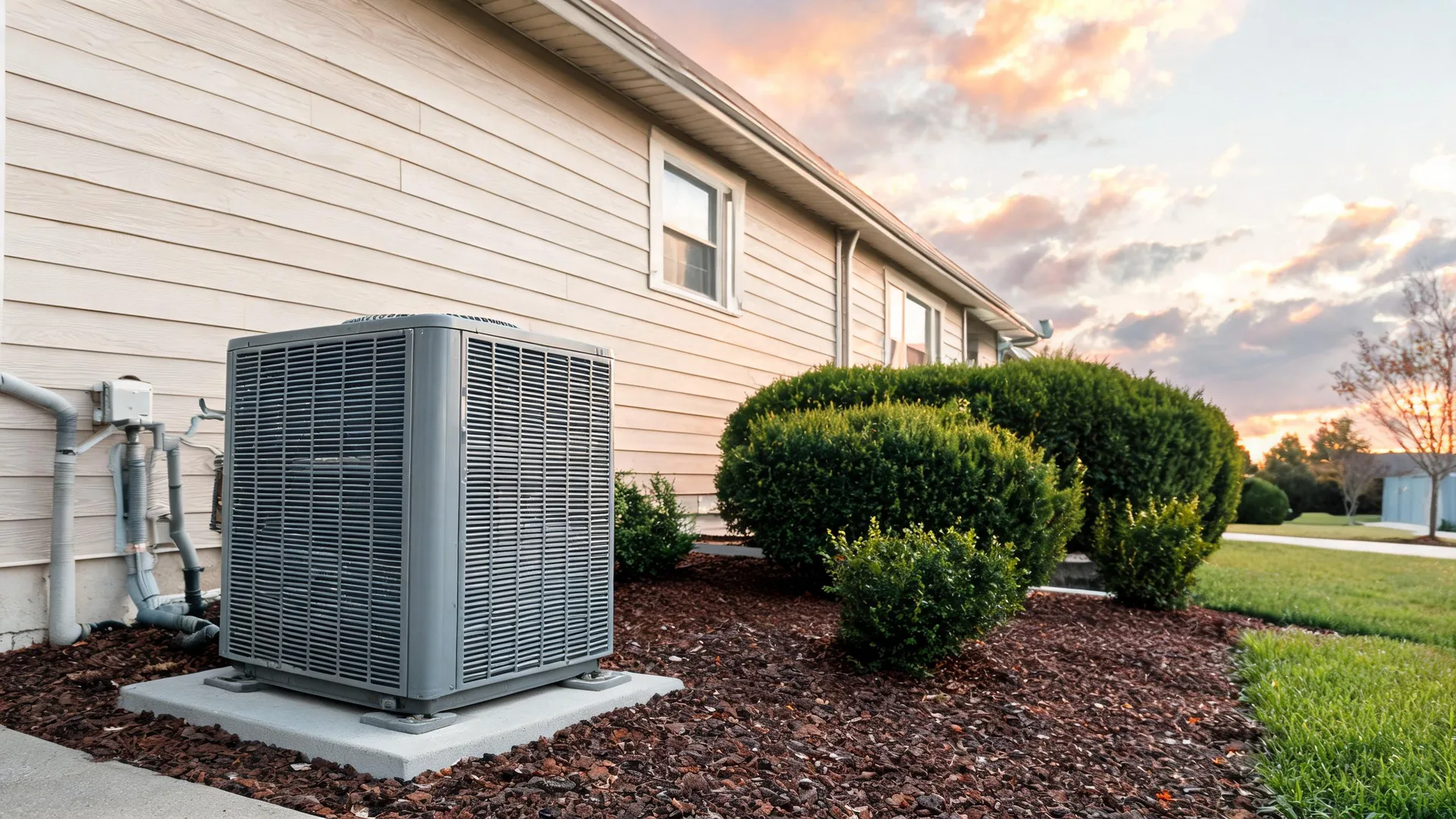
An overhead view of a residential air conditioning condenser unit mounted on a concrete pad next to a house with vinyl siding.

Going above the federal minimum saves little here, about $20 a year.

  • A higher-efficiency unit$310 a year
  • A new unit at the federal minimum, 14.3 SEER2$330 a year

Estimates for a typical Lancaster County home, from EIA household energy data, South Carolina fuel prices and NOAA climate normals. Your home will differ.

Installation day starts with the old system coming out, not the new one going in. The condenser outside, the coil above the furnace or air handler, the line set connecting them, all of it gets disconnected and hauled off before anything new gets set. The refrigerant in the old lines gets recovered, not vented, that's the law and it matters for what happens next. Once the old coil's out, the installer checks the line set itself, whether it gets reused or replaced depends on its condition and what the new system needs. A new pad goes down for the condenser, level ground matters more than people think since a unit that settles crooked strains the lines over time. Setting the coil, running new lines if needed, connecting the thermostat, then pulling a vacuum on the system before any refrigerant goes in, that last step pulls out moisture and air that don't belong in a sealed system. Only after it holds vacuum does the charge go in, measured against what the system actually needs, not just topped off and left.