




A row of single-story houses with porches, one brick and others with pale siding, behind a trimmed hedge and lawn, under oak branches draped with Spanish moss.

AC Installation in Manning, SC

Tell us about the job

Takes about a minute. No obligation.

New system or replacementCentral ACClarendon County, SC
Step 1 of 2

What ZIP code is the job in?

Any new central air system going into a home in Clarendon County has to meet 14.3 SEER2, the minimum for the Southeast. That's higher than the 13.4 SEER2 floor manufacturers build to nationally, so a unit sold elsewhere in the country may not be legal to install here. The requirement exists because summer runs long here and stays humid for most of it, and the system needs to handle that load efficiently rather than just get through it. A contractor installing here should already be working from the Southeast spec, not the national one. On top of meeting that minimum, a qualifying system may also count toward the federal tax credit available for high-efficiency equipment.

5 months
May through September, your air conditioner is on duty
91°F
the average summer afternoon it cools against
8 hail events
in ten years, and hail bends the fins on outdoor coils
13.4 SEER2
the federal minimum any new unit must meet
Isometric cutaway illustration of a house showing attic ductwork, an indoor air handler, and an outdoor condenser unit connected by lines.
Your air conditioner works hardest from June through September.

NOAA nClimDiv, 1991–2020 normals

Cooling runs May through September here.

April is the month to have a new system in, before the first hot stretch hits.

At 14.23 cents a kWh, every point of SEER2 shows up on the bill

Power costs 14.23 cents a kWh statewide
Cooling runs May through September
Summer afternoons average 91°F

Electricity heats 89.6% of homes in Clarendon County. Gas furnaces are rare here. Utility gas accounts for 2.1%, propane another 6.6%. That means a new AC almost always pairs with an electric system on the other end, a heat pump or electric resistance heat, not a gas furnace sharing the ducts. If your home already runs on electricity, matching the new outdoor unit to what's already there is the simplest path. A contractor working in this county sees this setup far more than any other, and that matters once summer sets in and the system is running every day.

A standard system, sized right, is what this home needs

Half the homes in Clarendon County were built in 1990 or earlier, half in 1990 or later. Mobile homes make up more than a third of the housing here. None of that changes what a new AC needs to be. A standard system, sized to the house, handles this fine whether it's going into an older place or a newer one. The job is matching the unit to the home in front of it, not reaching for something bigger than it needs.

Find a contractor
A man in a cap, dark T-shirt and work pants seen from behind, carrying a canvas tool bag as he climbs porch steps toward a dark green front door.
A gray residential air conditioner condenser unit mounted on a concrete pad in an open grass field.

Five months of heat, every year, is what this system is built for

Cooling runs May through September here, and the afternoon high averages 91°F across June, July and August. That's most of the day, every day, for five months straight. A system sized right for this load can handle that kind of year after year. One sized wrong works harder than it should from the first week it runs. Wind is part of the picture too. Damaging wind has hit this county close to a hundred times in the last decade, so outages happen, and whatever gets installed has to come back from that, not just run well between storms.

Sizing comes from a room by room load calculation

A contractor measures the house itself. Square footage, window area and direction, ceiling height, how many exterior walls each room has. That calculation says how much heat the house gains on the hottest afternoon, and the system gets matched to that number. Going by the size of the old unit or a rule of thumb skips the part that actually matters, which is this specific house.

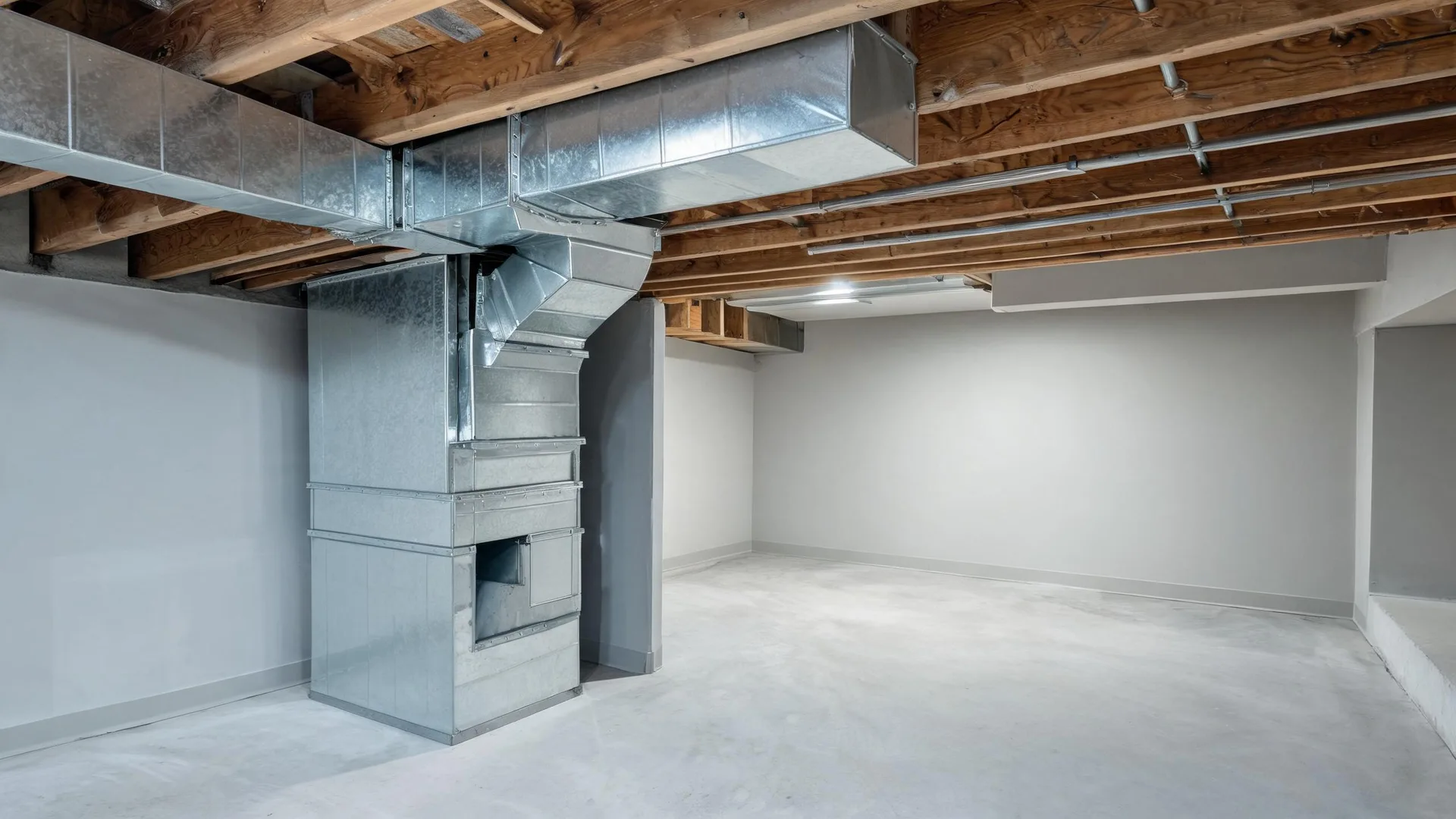
Both oversized and undersized units wear out faster

A unit too big for the house cools the air fast and shuts off before it pulls the moisture out. The house feels clammy even at the right temperature, and the compressor short cycles on and off instead of running a full cycle. A unit too small never catches up on the hottest days and runs nearly nonstop trying. Either way the wear lands on the same parts, and they give out sooner than they should.

Overhead view of a gray outdoor AC condenser unit on a concrete pad beside a mulched garden bed and a house with vinyl siding.

Going above the federal minimum saves little here, about $20 a year.

  • A higher-efficiency unit$390 a year
  • A new unit at the federal minimum, 14.3 SEER2$410 a year

Estimates for a typical Clarendon County home, from EIA household energy data, South Carolina fuel prices and NOAA climate normals. Your home will differ.

Install day starts with the old system coming out. The outdoor unit, the indoor coil, the line set between them, all of it comes out and the old refrigerant gets recovered rather than vented. If the ductwork is being reused, a contractor checks it for leaks and crushed runs first. A new system pushing air through bad ducts never performs the way it should. Setting the new outdoor unit and coil comes next. New line sets go in if the old ones don't hold up, and the system gets charged with refrigerant to the exact weight the manufacturer specs. The last part is the one that gets skipped when a job is rushed. That's running the system, checking the charge against actual temperature and pressure readings, and confirming airflow at the vents instead of just confirming it turns on.