






Night view of illuminated white Southern-style houses with wraparound porches beneath Spanish moss-draped oak trees.

AC Installation in Saluda, SC

Tell us about the job

Takes about a minute. No obligation.

New system or replacementCentral ACSaluda County, SC
Step 1 of 2

What ZIP code is the job in?

Most houses in Saluda County run on electric heat, 72.2 percent of them. Gas only reaches 8.8 percent, with another 13.3 percent on bottled or LP. That matters for an AC install because a home already wired for electric heat usually has the panel capacity an air conditioner needs, and if you're adding a heat pump instead of straight AC, you're working with a setup the house already expects. If your home runs on gas furnace with AC bolted on, the install still works the same way, you're just in the smaller group here. Either way, what you have in now is the starting point for sizing what goes in next.

5 months
May through September, your air conditioner is on duty
91°F
the average summer afternoon it cools against
19 hail events
in ten years, and hail bends the fins on outdoor coils
13.4 SEER2
the federal minimum any new unit must meet
Isometric cutaway illustration of a single-story house showing interior rooms with furniture, attic ductwork connected to an indoor air handler, and an outdoor condenser unit on a pad linked by refrigerant lines.
Your air conditioner works hardest from June through September.

NOAA nClimDiv, 1991–2020 normals

South Carolina electricity ran 14.23 cents per kilowatt-hour in 2024.

A new AC unit sized and installed right keeps that rate from turning into a high bill every month it runs.

Old homes or new, a standard system fits Saluda County

Half the homes here were built by 1987
Cooling runs May through September
Summer afternoons average 91°F
Get it in before MayCooling runs May through September here, five months a year

Cooling runs five months here, May through September, and June through August the afternoon high averages 91°F. That's not a few hot spells, that's a whole summer of the compressor kicking on every day. A system sized wrong for your house will run longer than it should trying to catch up, and in a Saluda summer that adds up fast. This is the kind of climate where the cheapest unit on the quote sheet often isn't the one that holds up. Get the sizing right and the install right, and the system spends this stretch working the way it's supposed to instead of fighting it.

Whatever goes in has to meet South Carolina's efficiency rule

Saluda County sits in zone 3A, and any split-system AC installed here has to clear 14.3 SEER2 under 45,000 Btu/h, a higher bar than the national minimum. That rules out some of the lower-end units you'll find listed elsewhere. A federal tax credit is available on qualifying high-efficiency equipment, worth asking about when you're comparing what goes in.

Find a contractor
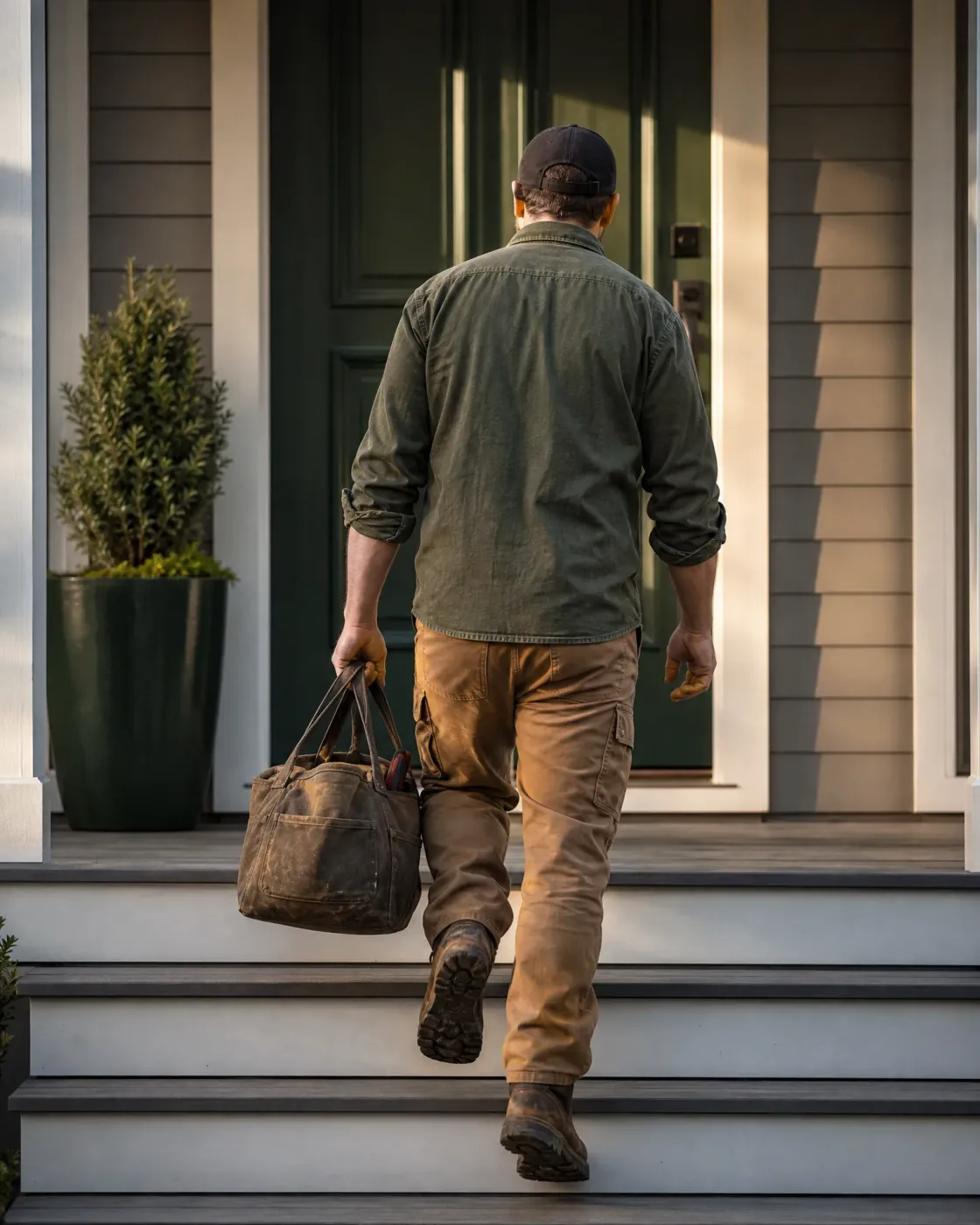
A man in a cap, green shirt and tan work pants carries a worn canvas duffel bag as he climbs steps toward a dark green front door, with a potted shrub beside the porch.
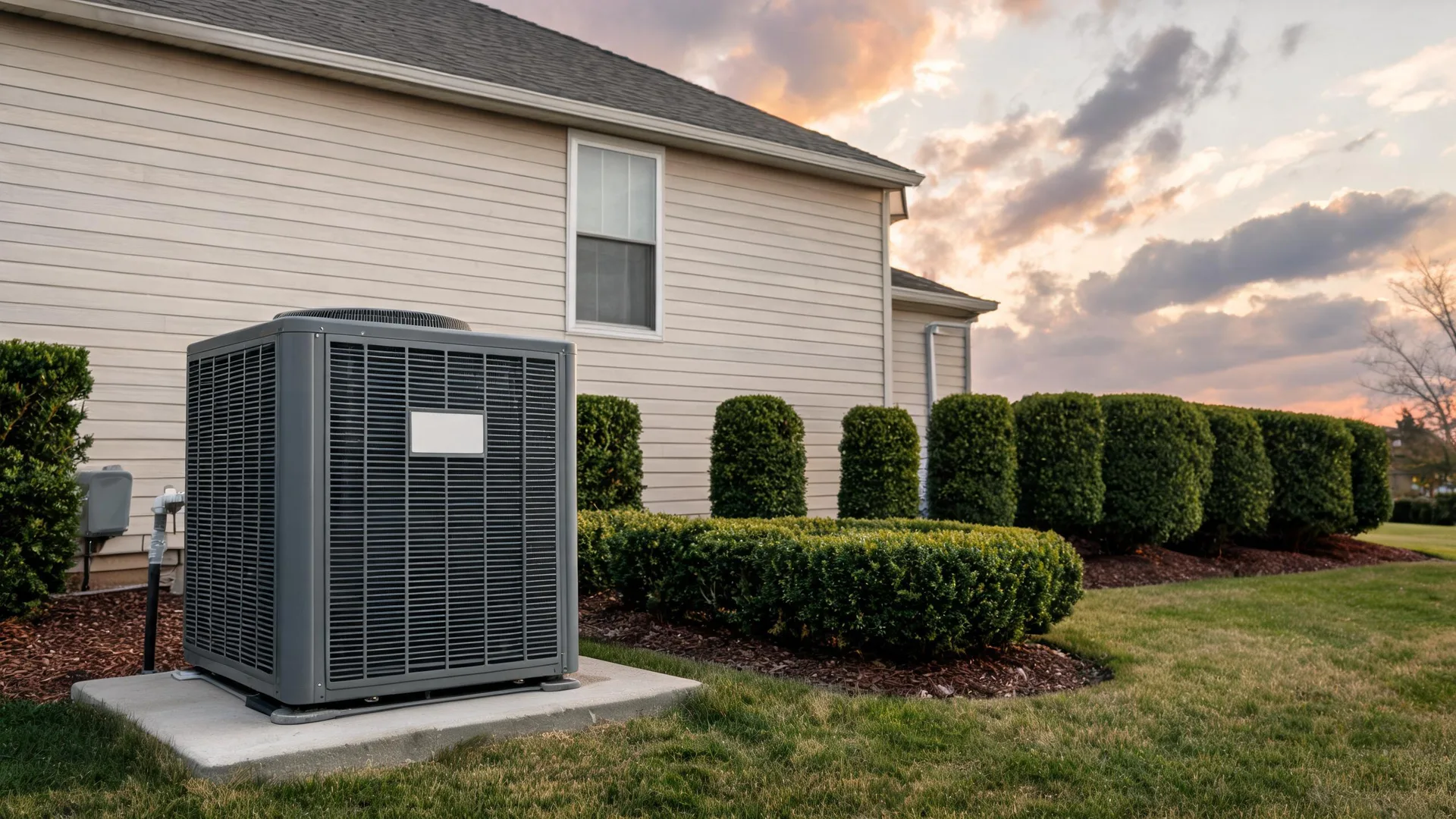
A gray residential air conditioner condenser unit mounted on a concrete pad in an open grass field.

Five months of running is five months of wear

Five months of the compressor cycling on every afternoon wears on a system faster than a split between heating and cooling ever would. Get the size wrong in either direction and that wear shows up sooner, a unit too small running flat out all June, July and August, one too large short cycling the whole time. Ask whoever quotes the job to show you the load calculation for your house, not a number pulled from the square footage alone.

Ask what the load calculation actually covers

A proper sizing calculation accounts for window area, ceiling height, insulation and which way the house faces, not just square footage. Homes the same size on paper can need different tonnage once those factors are weighed. If the number a contractor gives you matches every other house on their list, ask what they measured to get it.

Ask how the ductwork was checked, not just the unit

A new condenser pushing air through old, leaky or undersized ducts will never deliver the capacity on its nameplate. Ask whether the ducts were inspected or tested as part of the quote, and whether any changes to the duct run are included in the price or come as a surprise later.

Aerial view of a residential air conditioning condenser unit mounted on a concrete pad next to a house with vinyl siding and a sliding glass door.

Going above the federal minimum saves little here, about $20 a year.

  • A higher-efficiency unit$360 a year
  • A new unit at the federal minimum, 14.3 SEER2$380 a year

Estimates for a typical Saluda County home, from EIA household energy data, South Carolina fuel prices and NOAA climate normals. Your home will differ.

Installation day starts with the old equipment coming out, not the new one going in. The line set gets disconnected, the refrigerant recovered, the old condenser and coil removed before anything new sets down. Setting the new condenser pad and running line set takes part of the day on its own, especially if the new unit sits in a different spot than the old one. Inside, the coil goes in above or beside the furnace or air handler, and that connection has to be sealed tight or the system loses capacity before it ever runs. Once everything's connected, the line gets evacuated to pull out moisture and air, then charged with refrigerant to the exact weight the manufacturer specifies, not just until the gauges look right. The last part of the day is airflow and startup, checking static pressure, confirming the thermostat talks to the system, and running it through a full cycle before anyone calls it done.