Aerial view of a square outdoor air conditioning condenser unit on a concrete pad beside a house wall with a sliding glass door.

AC Installation in Walterboro, SC

Tell us about the job

Takes about a minute. No obligation.

New system or replacementCentral ACColleton County, SC
Step 1 of 2

What ZIP code is the job in?

This county sees serious weather

Colleton County logged 614 severe weather events between 2015 and 2024, most of it damaging wind. Tornadoes and hurricanes have come through too. An outdoor AC unit here takes on wind-blown debris more often than units in calmer parts of the country.

Power doesn't always come back fast

Almost half of South Carolina households lost power for 24 hours or more in 2024. A new AC install is a good time to think through what happens to cooling during an outage, and where the outdoor unit sits matters for how well it holds up when the next storm comes through.

6 months
May through October, your air conditioner is on duty
90°F
the average summer afternoon it cools against
13 hail events
in ten years, and hail bends the fins on outdoor coils
13.4 SEER2
the federal minimum any new unit must meet
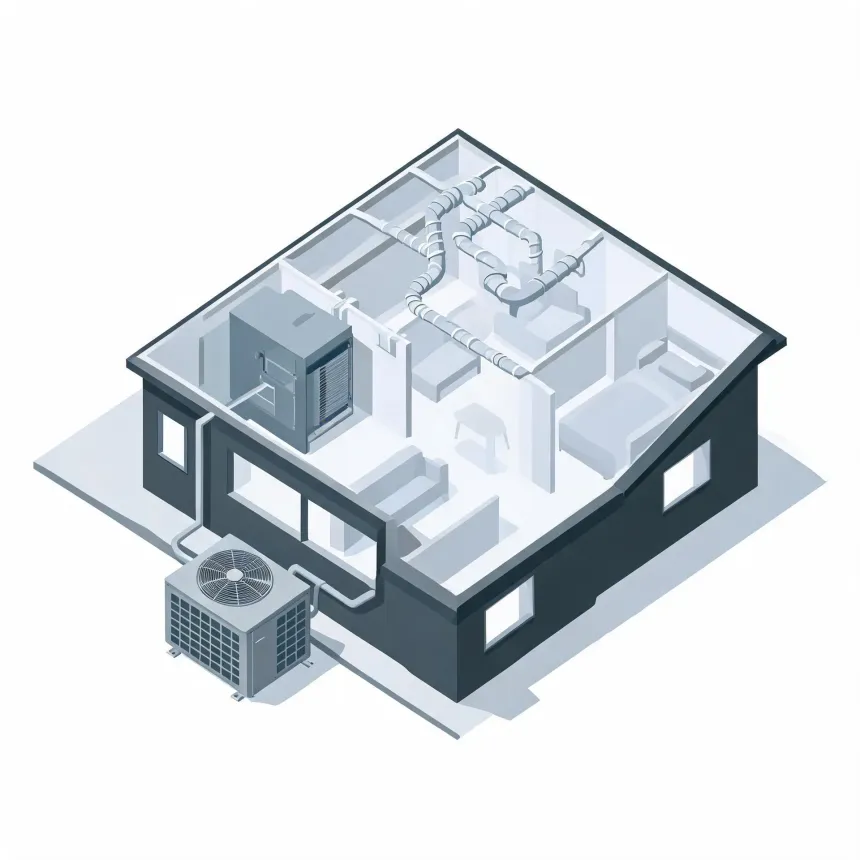
Isometric cutaway illustration of a small house showing interior rooms with furniture, ceiling ductwork and an air handler, plus an outdoor condenser unit connected by refrigerant lines beside the building.
Your air conditioner works hardest from June through September.

NOAA nClimDiv, 1991–2020 normals

Cooling runs May through October here, so April is the month to get a new system in.

Install before May and it happens on your schedule, not during the first hot week of the year.

No reason to size up or upgrade for this county

Half the homes here were built by 1987
Cooling runs May through October
Summer afternoons average 90°F
Most homes here run on electric heat78.8% of Colleton County homes heat with electricity, so an electric AC install matches what's already in place.

Electricity in South Carolina ran 14.23 cents per kilowatthour in 2024. A system that runs all summer adds that up fast. A unit sized right for this house draws less to do the same job, bill after bill. Efficiency matters more here than in a place where the AC barely runs. Ask what SEER2 rating you're getting, since that number is what decides how much of that rate you pay back every month.

Six months of 90-degree afternoons. Size this one right.

Afternoon highs average 90°F across June, July and August here, and the system runs May through October to keep up. Six months of that kind of heat wears parts faster than a season or two ever would. Get the size right at install and the unit spends less effort doing the same job, all summer, every summer.

Find a contractor
A man in a cap, dark long-sleeved shirt and brown work pants climbs porch steps toward a dark green front door, carrying a canvas tool bag filled with hand tools.
A gray residential air conditioning condenser unit mounted on a concrete pad outdoors, surrounded by green grass under a partly cloudy blue sky.

What actually sets the price

What drives the cost of an install is mostly what has to change to make the new system fit. A straight swap, same spot, same size, same ductwork, is the simplest version of this job. Add a line set that has to run further, a return that's too small for the new unit, or a disconnect and pad that don't meet code anymore, and the job grows. The unit itself is priced by size and efficiency, but the labor around it often costs as much as the equipment. A contractor who sizes the system with a load calculation instead of guessing off the old tonnage is doing the part of the job that protects you from paying for capacity you don't need, or living with a system that can't keep up because it has too little.

Get a load calculation, not a guess

Ask the contractor to size the system room by room, based on insulation, windows and layout, instead of matching the tonnage of what's already out there. A unit sized off the old equipment can inherit a mistake nobody caught the first time.

Ask what happens to the ductwork

A new system moves a different amount of air than the old one. Ductwork that was fine for the old unit can be undersized or leaky for the new one, and that shows up as rooms that never feel right no matter how the thermostat is set.

Overhead view of an outdoor AC condenser unit on a concrete pad next to a house with a dark shingle roof.

A higher-efficiency unit would save about $30 a year to run in Colleton County compared with a new unit at the federal minimum.

  • A higher-efficiency unit$410 a year
  • A new unit at the federal minimum, 14.3 SEER2$440 a year

Estimates for a typical Colleton County home, from EIA household energy data, South Carolina fuel prices and NOAA climate normals. Your home will differ.

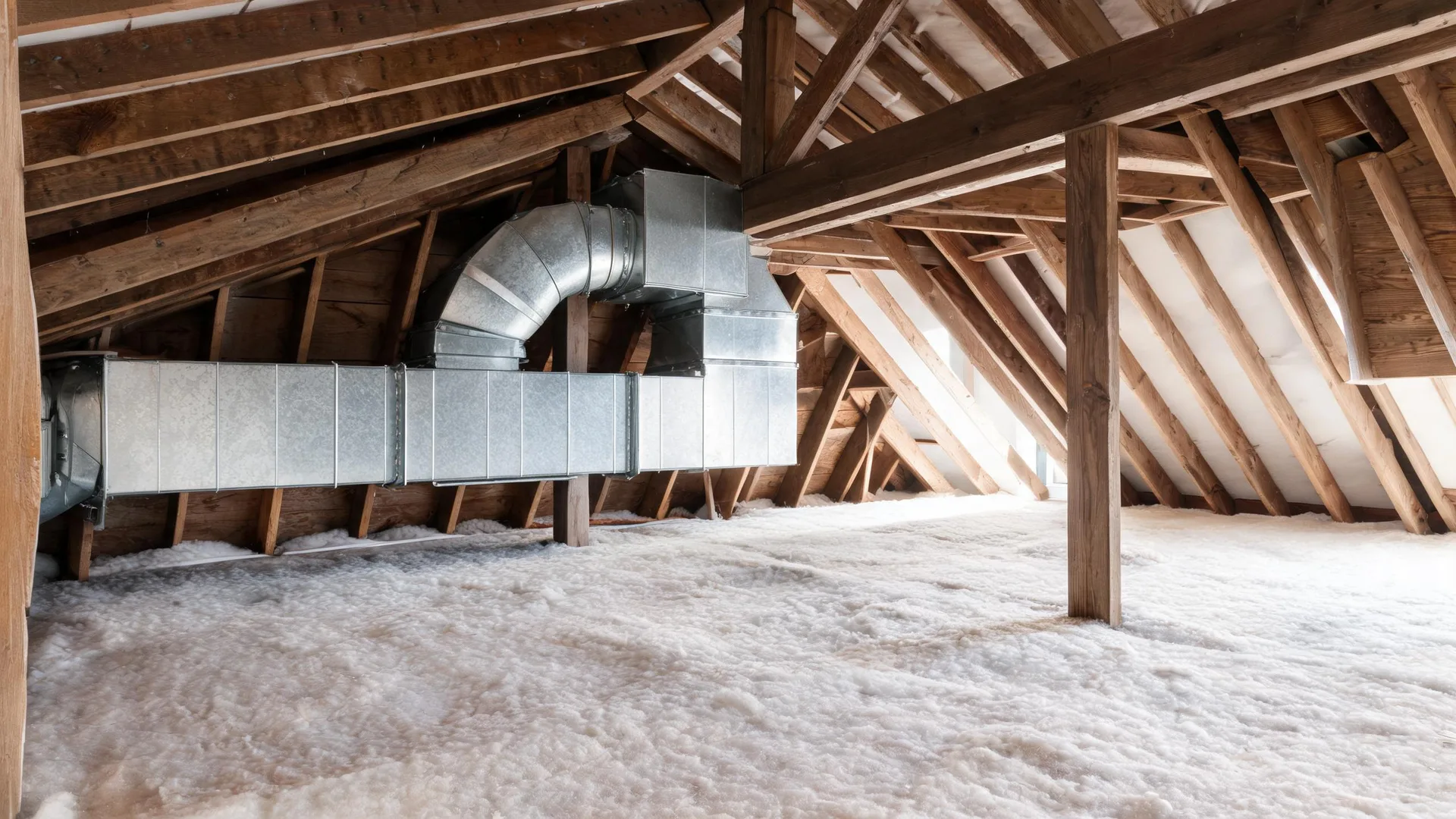
Installation starts with the old system coming out, the indoor coil, the outdoor unit, the lines connecting them. A good contractor checks the line set before reusing it, since the wrong diameter or a line that's been sitting open to air can carry contamination into the new compressor. The new outdoor unit gets set on a pad, leveled, with clearance around it for airflow. Lines get connected, the system gets evacuated to pull moisture and air out before refrigerant goes in, and that step matters more than it looks like from outside. Once it's running, a contractor checks the charge, the airflow at the vents, and the temperature split between the air going in and the air coming out. That split tells you whether the system is doing its job, not just whether it turns on.