This county sees serious storms
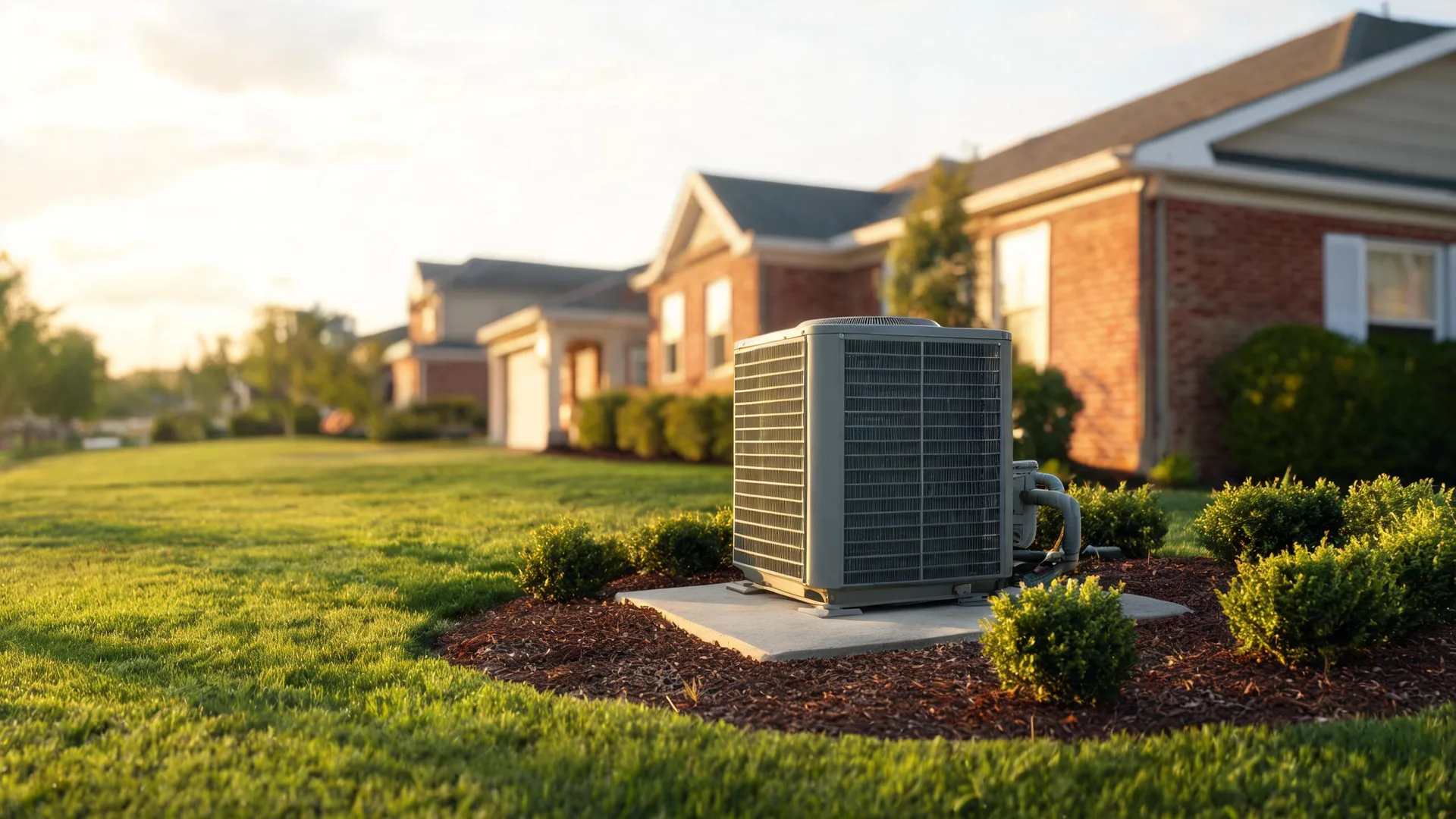
Greenville County recorded 215 severe weather events between 2015 and 2024, including damaging wind and hail. An outdoor AC unit sits through all of it, exposed to debris and hail with nowhere to hide.
Takes about a minute. No obligation.
Greenville County recorded 215 severe weather events between 2015 and 2024, including damaging wind and hail. An outdoor AC unit sits through all of it, exposed to debris and hail with nowhere to hide.
Nearly half of South Carolina households went at least 24 hours without power in 2024. A long outage means your AC is off no matter what shape it's in. Maintenance before storm season catches a bent fin or a loose connection while a technician can still get to it easily.

NOAA nClimDiv, 1991–2020 normals
Your AC runs from May through September here, with afternoon highs averaging 87°F through the summer.
Five straight months of hard running wears parts down, and a technician needs to find them before they fail.



Half the homes in Greenville County were built in 1992 or later. If yours is one of them, there's a decent chance the AC system is newer too, especially if it's the original unit. A younger system has most of its working life still ahead of it. A yearly check is what keeps it on that path, catching a worn part or a weak connection while it's a small fix and not a breakdown. That's a different visit than the one where a tech is only showing up because something already quit.
Cooling runs May through September here, and May starts the job at full load. April is the month to get the AC checked, before it has to carry that.
Find a contractorGet the unit checked before May, while a technician can still work on it without a houseful of heat pushing the clock. A worn capacitor or a dirty coil is a quick fix in spring. The same part failing in August means days waiting on a part and a crew with an open slot, while the heat keeps climbing outside.
Check the filter and swap it when it looks gray or clogged. A blocked filter starves the coil of airflow, and the coil can ice over even on a hot day. Outside, keep the unit clear of leaves, grass clippings and anything growing against the cabinet. The outdoor coil needs open air on all sides to shed the heat it's pulling out of the house.
The refrigerant charge, the capacitor and the electrical connections inside the cabinet are a technician's job, not a homeowner's. Opening that panel without the right tools and training risks a shock or a burned finger on a hot component. If the unit is making a new noise, tripping a breaker or blowing warm air, that's a sign to call for service rather than something to chase down yourself.
A tune-up checks the refrigerant charge, cleans the coils, tests the capacitor and tightens the electrical connections.
A tune-up starts with the coil. A technician checks the outdoor coil for dirt and bent fins, because a coil caked with grime can't shed heat the way it needs to. Refrigerant charge gets checked next, since a system low on refrigerant works harder and cools less, and the only way to know the charge is right is to measure it. The capacitor and contactor get tested under load, not just looked at, because a capacitor can read fine sitting still and still fail the moment the compressor asks it for a jolt. The condensate drain gets cleared too, since a clogged drain backs up and can shut the system down or leak into the house. Electrical connections get tightened, because a loose connection generates heat on its own and that heat wears the connection further each time the unit runs.