






A single-story brick house with a white-columned wraparound porch and a neighboring light-colored siding house, seen across a lawn behind a trimmed hedge, under oak branches draped with Spanish moss.

AC Maintenance in Lexington, SC

Tell us about the job

Takes about a minute. No obligation.

Tune-up, service, or cleaningCentral ACLexington County, SC
Step 1 of 2

What ZIP code is the job in?

Short cycles are the first thing to notice. If the unit kicks on, runs a few minutes, then shuts off before the house actually cools, something is making it trip early, and that wears on the compressor every time it happens. Weak airflow from the vents is another sign, even when the filter is clean, since it points to a problem at the coil or the blower rather than something you can fix by swapping a filter. Listen for the unit struggling to start, a hum or a hard click before it finally kicks on. Water pooling near the indoor unit means the condensate drain is clogged or the coil is icing up and dripping as it thaws. None of these mean the system is about to fail, but each one is the kind of thing a technician catches early during a maintenance visit, before it turns into a repair.

5 months
May through September, your air conditioner is on duty
91°F
the average summer afternoon it cools against
74 hail events
in ten years, and hail bends the fins on outdoor coils
325 wind events
in ten years, and wind drives debris into outdoor units
Isometric 3D cutaway render of a house with dark siding showing interior rooms, ductwork and an air handler, connected by lines to an outdoor condenser unit on a white background.
Your air conditioner works hardest from June through September.

NOAA nClimDiv, 1991–2020 normals

Electricity in South Carolina ran 14.23 cents per kilowatt-hour in 2024.

A neglected AC pulls more of it every time it runs, and in Lexington it runs most of the year.

Five months of 91 degree afternoons, and storms on top of that

Cooling runs May through September
Summer afternoons average 91°F
325 damaging wind events from 2015 to 2024

Cooling starts in May here and runs through September. April is the month to get the unit looked at, right before it has to work. A system that sat idle all winter can have a weak capacitor or a dirty coil that never showed up until the first hot day, and by then it's already struggling instead of running the way it should. Getting it checked in April means any of that gets caught before the season starts, not during it.

A newer system is worth keeping that way

Half the homes in Lexington County were built in 1993 or later. A lot of these systems still have real years left in them. A yearly check is what keeps one that age from losing ground. The coil stays clean, the refrigerant charge stays correct, and small problems get caught while they're still small.

Find a contractor
A man in a dark shirt and brown work pants, seen from behind, carries a worn duffel bag up stone steps toward a dark green front door of a house with light siding and a potted shrub.
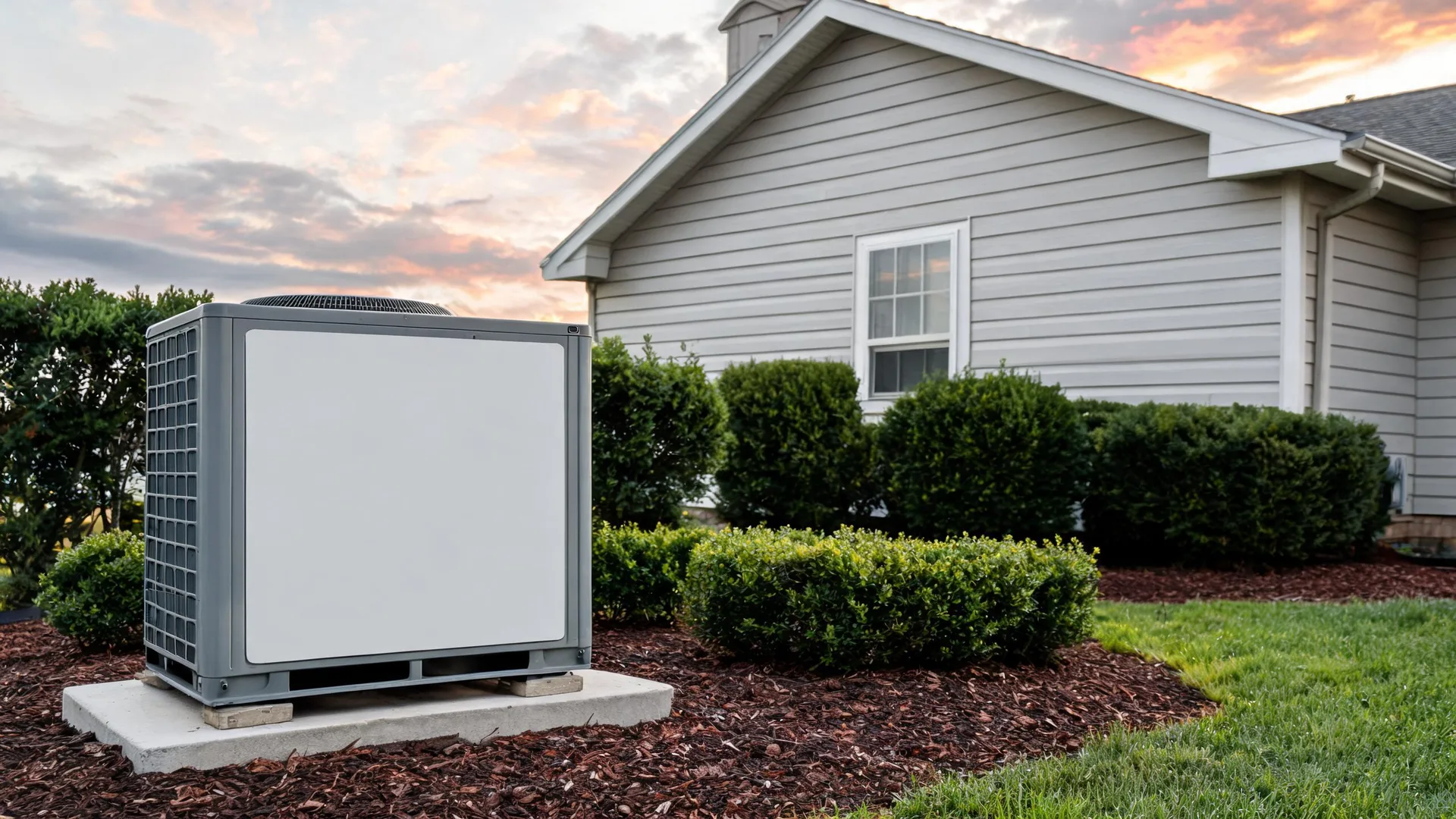
A gray cylindrical air conditioning condenser unit mounted on a concrete pad next to a light-colored vinyl-sided house exterior.

A full season of this, every year

Five months of afternoons near 91 degrees is a long stretch for one machine to carry alone. Add the wind and hail this county sees most years, and a yearly check becomes less about convenience and more about catching what the season already did to it. A technician checking the system in spring can see what a storm knocked loose or what a summer of hard running wore down, before the next stretch of heat asks the unit to do it again.

What gets measured, not guessed at

A technician checks the refrigerant charge against the system's actual pressure and temperature readings, not a glance at the lines. Too little charge and the coil can ice over. Too much and the compressor runs hotter than it should. Either way, the unit can seem to run fine for months while it quietly shortens its own life, and nothing on the outside shows it.

Parts that fail without warning first

A capacitor either holds its charge or it doesn't, and there's no in-between stage where it runs weak long enough for anyone to notice from inside the house. Testing it during a visit catches a part that's drifted out of spec before it leaves the compressor trying to start without the jolt it needs.

Aerial view of a gray central air conditioning condenser unit on a concrete pad next to a house with vinyl siding.

Book your AC tune-up in April, before homes here start needing cooling in May.

  1. Jan
  2. Feb
  3. Mar
  4. Apr
  5. May
  6. Jun
  7. Jul
  8. Aug
  9. Sep
  10. Oct
  11. Nov
  12. Dec

A tune-up checks the refrigerant charge, cleans the coils, tests the capacitor and tightens the electrical connections.

A tune-up starts outside, at the condenser. The coil gets cleaned, since dirt and grass clippings packed against the fins make the whole system work harder to shed heat. The fan blade gets checked for a wobble, and the electrical connections get tightened, since a loose one runs hot and fails. Inside, the evaporator coil gets inspected for the same buildup, and the condensate drain gets cleared so it isn't sitting there waiting to clog. A technician measures the temperature of the air going in and the air coming out, which says whether the system is actually moving heat the way it should. The refrigerant charge gets checked against pressure readings, and the capacitor and contactor get tested under load, not just looked at. None of this is guesswork. Each check either passes or it doesn't, and a part that's drifting toward failure shows up on a gauge well before it shows up as a warm house.