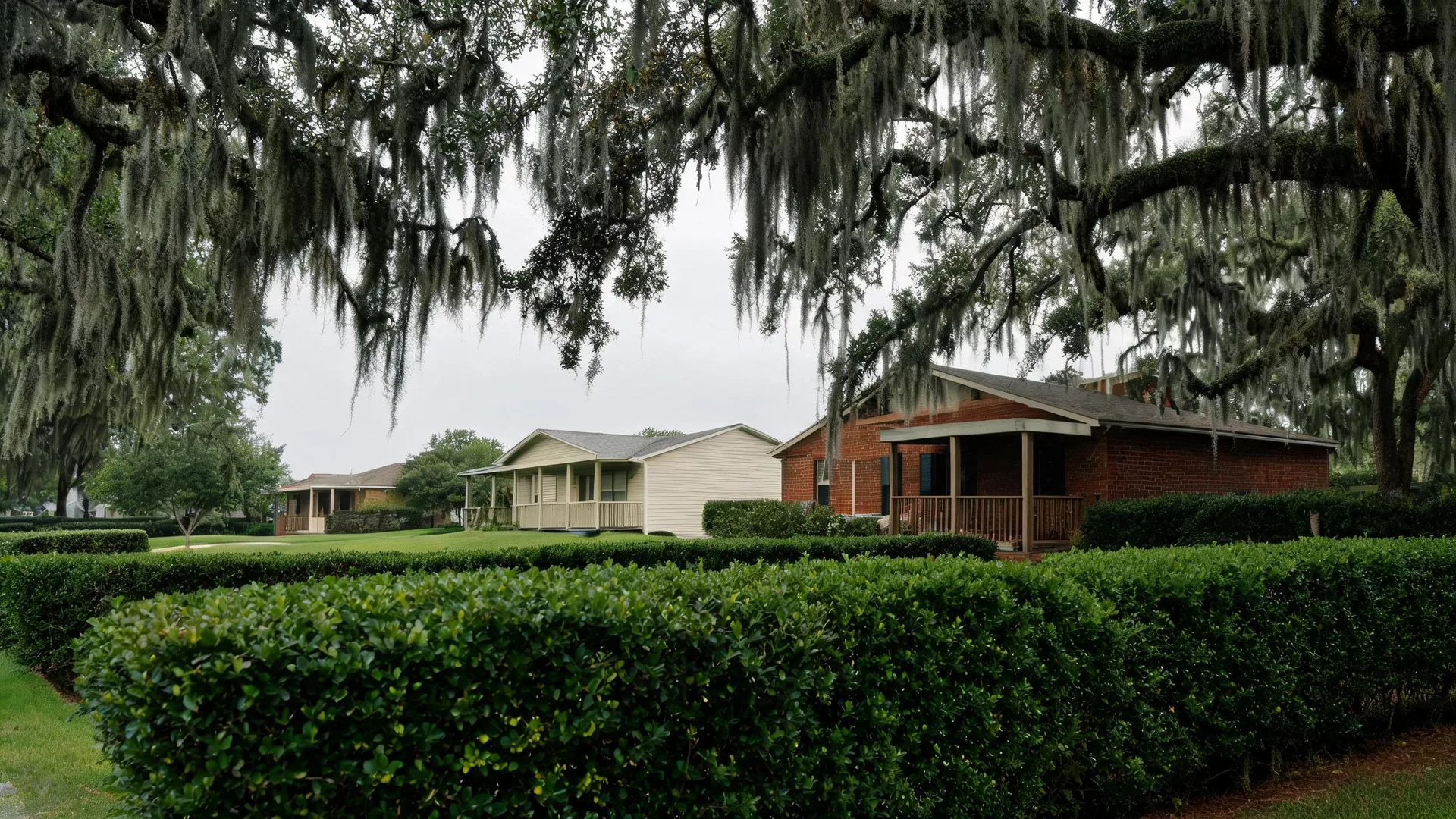






Single-story brick and white-sided houses behind a trimmed hedge and lawn, framed by overhanging oak branches draped with Spanish moss under an overcast sky.

AC Repair in Gaffney, SC

Tell us about the job

Takes about a minute. No obligation.

RepairCentral ACCherokee County, SC
Step 1 of 2

What ZIP code is the job in?

Cherokee County saw 80 severe weather events between 2015 and 2024, and damaging wind caused most of them. Wind throws branches and debris into the coil and fan. Hail dents the fins and housing. A unit can take that kind of hit and keep running for a while before the damage shows up as a real failure. If your outdoor unit has been through a storm, worth having it looked at even if it's still cooling the house fine.

5 months
May through September, your air conditioner is on duty
88°F
the average summer afternoon it cools against
18 hail events
in ten years, and hail bends the fins on outdoor coils
49 wind events
in ten years, and wind drives debris into outdoor units
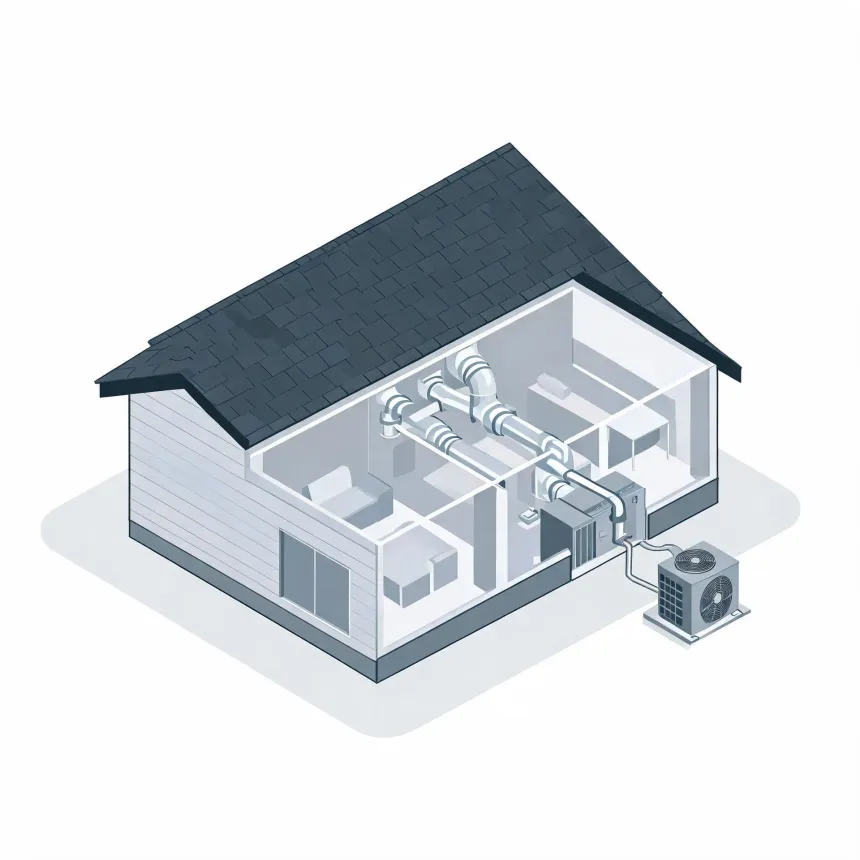
Isometric cutaway illustration of a house with a dark shingled roof, showing interior ductwork connected to an indoor air handler and an outdoor condenser unit beside the building.
Your air conditioner works hardest from June through August.

NOAA nClimDiv, 1991–2020 normals

AC runs May through September here, five months straight.

A unit that sat idle all April gets tested hard the first hot week in May, and a weak part usually fails right then.

A system that's already struggling costs more to let ride here than most places

Power costs 14.23 cents a kWh statewide
Cooling runs May through September
Summer afternoons average 88°F
Power here costs moreSouth Carolina homes paid 14.23 cents per kilowatthour in 2024, and a struggling AC burns through it faster.

Most AC failures here come down to something ordinary. A worn capacitor. A dirty coil. A thermostat that's wired wrong. Nothing about Cherokee County makes a system more likely to fail than the same system anywhere else. Half the homes in the county were built in 1984 or earlier, and mobile homes make up more than a quarter of the housing stock here. If your AC came with the house, or came with the mobile home, it's worth finding out how old the unit actually is before you decide what to do about it. An older unit can usually still be fixed. At some point the question isn't what's wrong, it's whether fixing it still makes sense.

If a storm already hit the unit, don't wait for it to fail

If the outdoor unit has been through wind or hail and something's finally acting up, get it looked at before the next hot stretch asks more of it.

Find a contractor
A man in a cap, dark long-sleeved shirt and brown work pants climbs porch steps toward a dark green front door, carrying a canvas tool bag filled with hand tools.
A gray residential air conditioning condenser unit mounted on a concrete pad outdoors, surrounded by green grass under a partly cloudy blue sky.

Keeping it running doesn't fix what's wrong

A system that's struggling still runs if you let it, and that's the problem. A weak capacitor makes the compressor draw harder to start each cycle, and every cycle it survives leaves it a little closer to not starting at all. A dirty coil makes the compressor push against higher pressure than it was built for, and heat is what wears a compressor down. Low refrigerant lets the evaporator coil get cold enough to frost over, and once ice builds on it, airflow drops and the compressor runs even though it's barely cooling anything. None of these fix themselves by running longer. They get worse, and the part that finally gives out is usually the compressor itself.

Check the filter first

A clogged filter starves the evaporator coil of airflow until it ices over. Pull the filter and hold it up to a light. If you can't see light through it, that's likely part of the problem, and a clean filter is something you can swap yourself before anyone comes out.

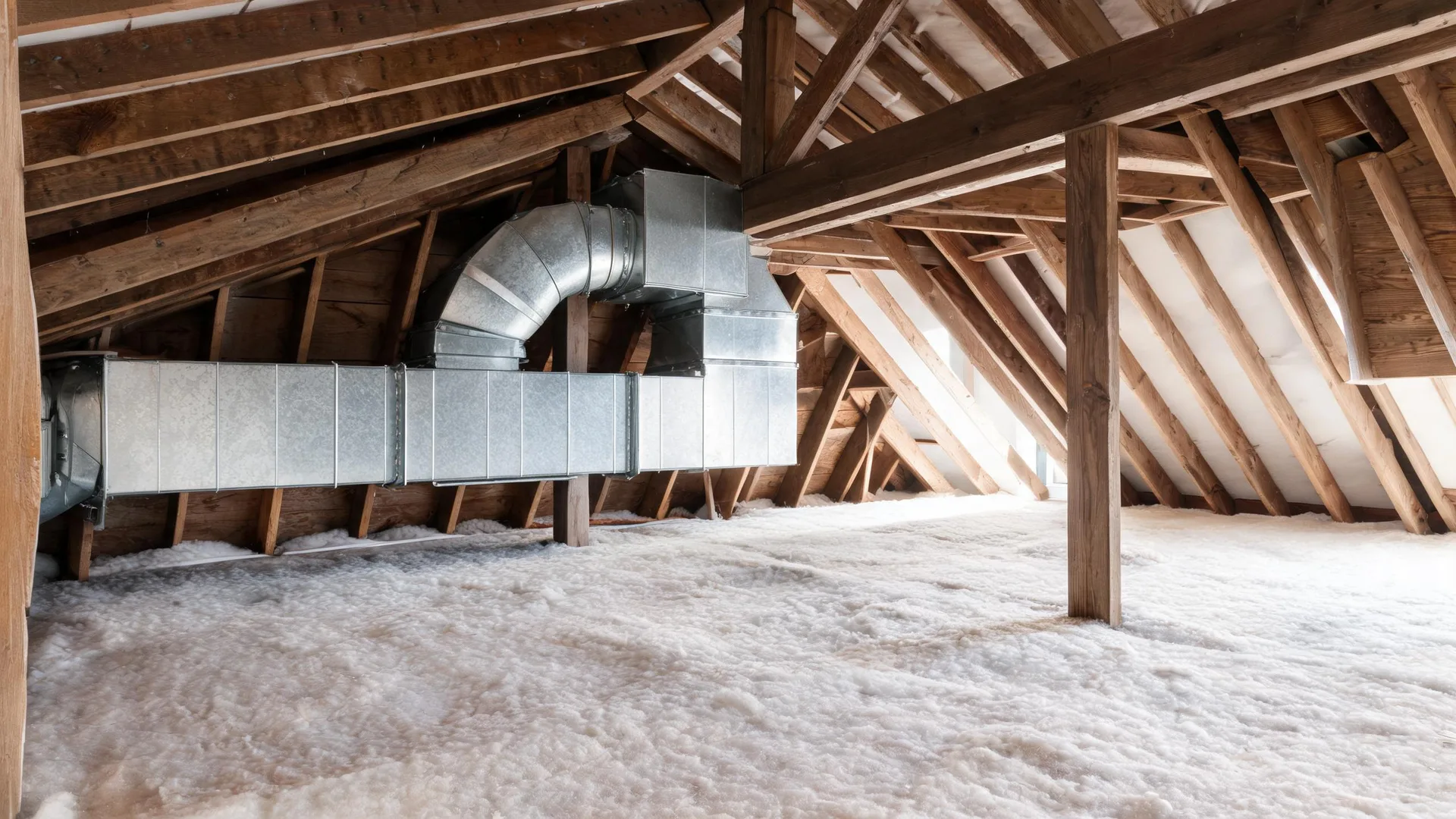
Check the outdoor unit and the breaker

Make sure the outdoor unit isn't blocked by grass, leaves or a fence board, and that the fan inside the cage spins freely. Check the breaker panel for anything tripped. If the thermostat is set below room temperature and nothing happens outside, that points to the electrical side rather than something a filter change would fix.

Aerial view of a square outdoor air conditioning condenser unit on a concrete pad beside a house wall with a sliding glass door.

A new air conditioner would cut about $40 a year off cooling for a typical Cherokee County home.

  • A new one at the federal minimum, 14.3 SEER2$310 a year
  • An older air conditioner$350 a year

Estimates for a typical Cherokee County home, compared with an older unit built to the previous federal minimum, from EIA household energy data, South Carolina fuel prices and NOAA climate normals. Your home will differ.

Repair makes sense when a part like a capacitor or contactor has failed.

Replacement makes sense when the compressor has failed or the system uses R-22 refrigerant, which is no longer made.

A diagnostic visit starts outside at the condenser. The tech checks the capacitor, the contactor, and the amp draw on the compressor while it's running. Inside, the coil gets checked for ice or buildup, and the refrigerant charge gets checked if the gauges say it's low. A lot of the call is confirming what the symptoms already pointed to. A hard start, a short cycle, a coil that won't stay clear. If the unit's been through wind or hail, the fins and the fan get a closer look even if nothing's obviously bent. Whatever's found gets explained before any part gets replaced. The decision on whether it's worth fixing is yours to make.