Jasper County sees more than its share of storms
Jasper County logged 224 severe weather events over the last decade. Most of that was damaging wind, with tropical storms and hurricanes passing through 10 times in the same stretch.
Takes about a minute. No obligation.
Jasper County logged 224 severe weather events over the last decade. Most of that was damaging wind, with tropical storms and hurricanes passing through 10 times in the same stretch.
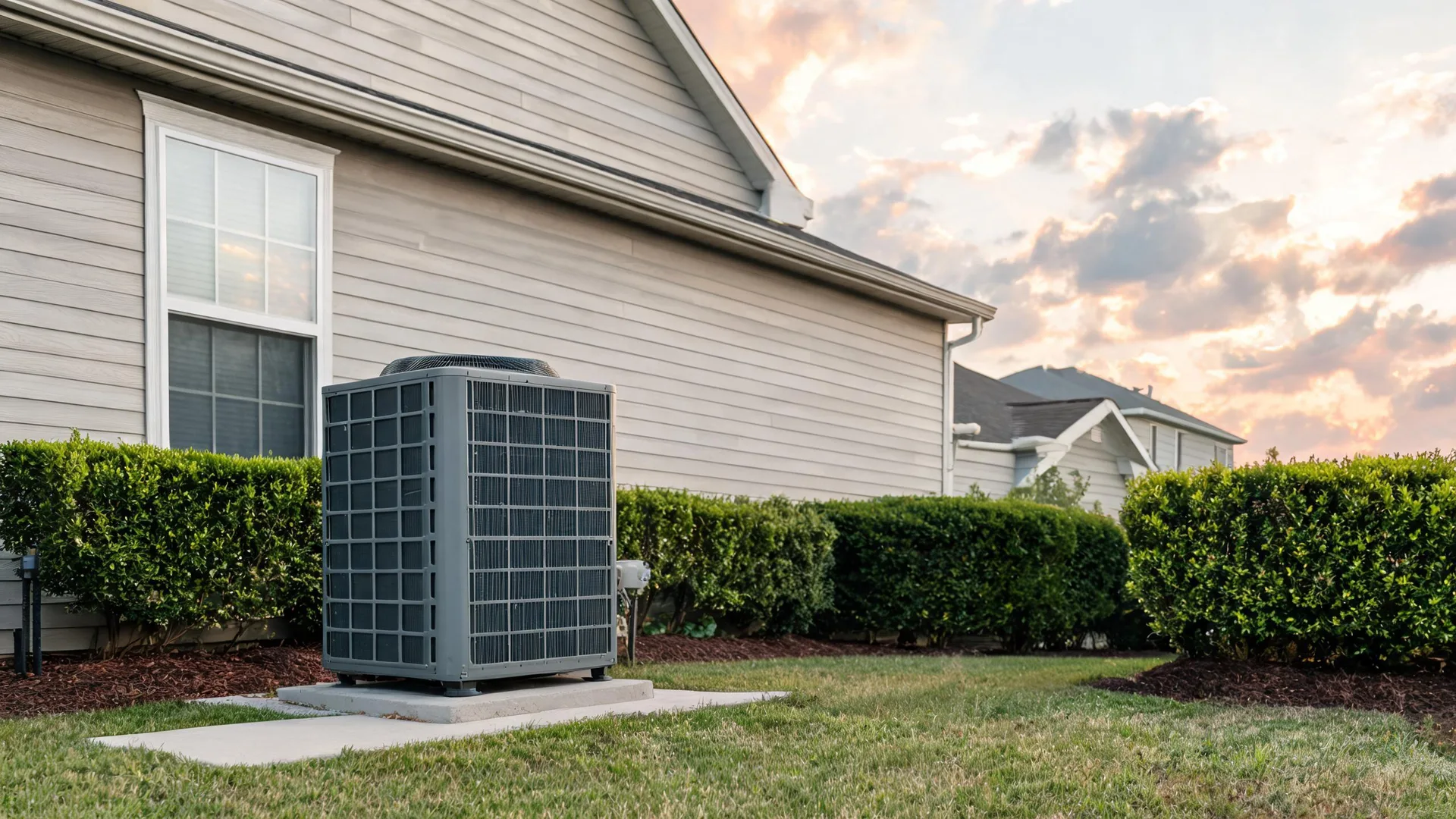
Wind-driven debris and hail reach the condenser before anything else on your property. If yours has been through a storm, have it looked at even if it's still blowing cold air.

NOAA nClimDiv, 1991–2020 normals
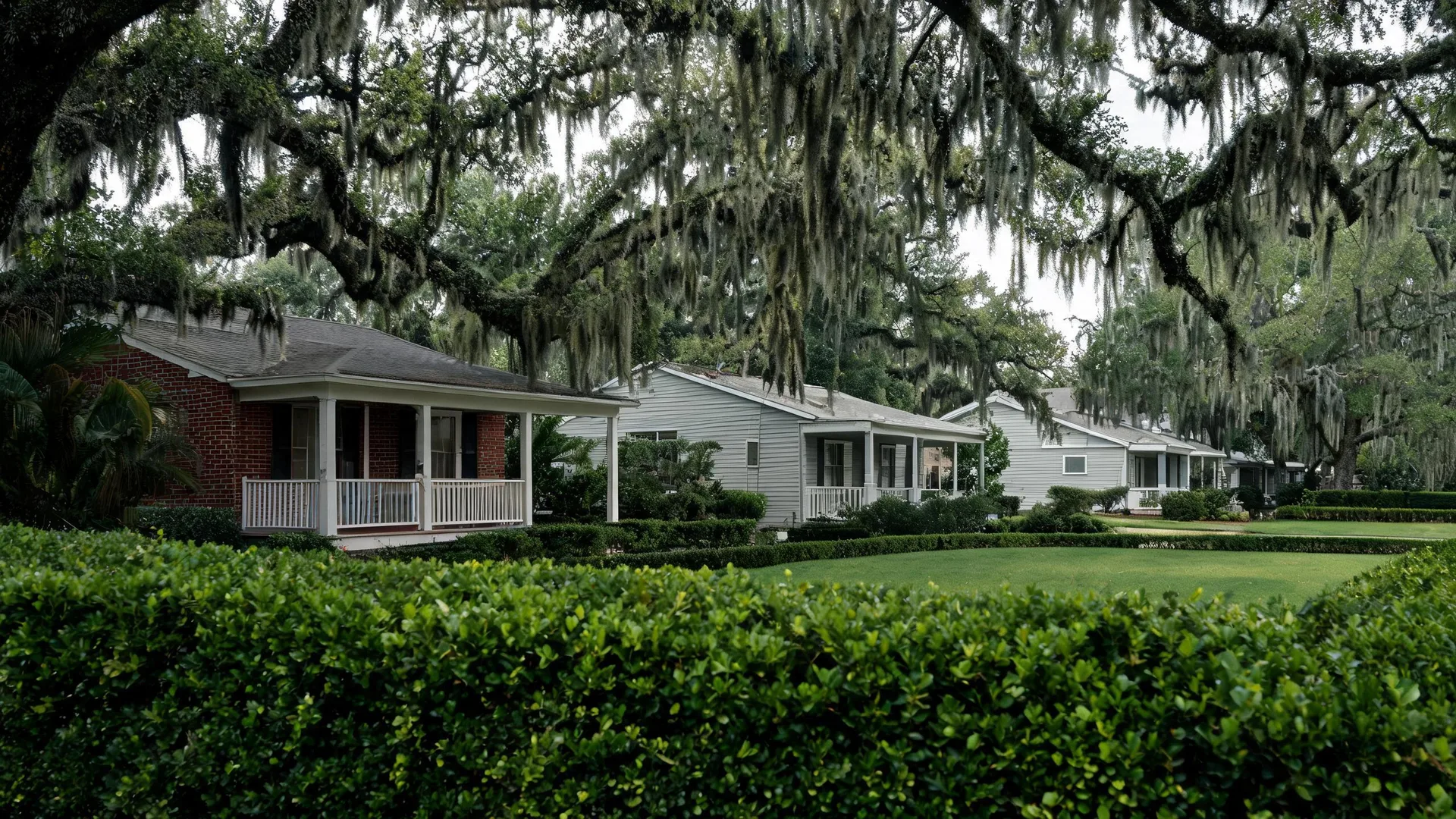
Half the homes in Jasper County were built in 2003 or later.
A system installed with a newer house in Hardeeville still has years of life in it, which is why repair is usually the right call.




South Carolina homes paid 14.23 cents per kilowatthour in 2024. A system that's low on charge or struggling with a weak capacitor runs longer to do the same job, and every hour of that shows up on the bill. It won't announce itself as a repair problem. It just costs you more, month after month, until someone looks at it. Get it checked before another summer runs on it like that.
If your condenser has been through wind or hail this year, get it checked before the next storm season starts, even if it still runs.
Find a contractorThat math only works if the system is original to the house. Plenty of them are not. If yours is the one that came with the house when it was built, there's good reason to think it has years left, and calling someone out to fix it makes more sense than replacing it. A technician can confirm the install date once they're looking at the unit itself.
When a capacitor is going bad, the compressor struggles to start and runs under strain the whole cycle. Left alone, that strain is what burns out a compressor that otherwise had years left in it.
A system low on charge still blows cold air, so it's easy to ignore. But running low on refrigerant makes the compressor pull liquid it isn't built to handle, and that kind of damage doesn't get fixed with a simple recharge.
Estimates for a typical Jasper County home, compared with an older unit built to the previous federal minimum, from EIA household energy data, South Carolina fuel prices and NOAA climate normals. Your home will differ.
Repair makes sense when a part like a capacitor or contactor has failed.
Replacement makes sense when the compressor has failed or the system uses R-22 refrigerant, which is no longer made.
Age isn't the only thing worth weighing. How the system has been treated matters just as much. A unit that's had its filter changed on schedule and its coils kept clean has an easier life than one that's been run hard with a clogged filter choking airflow. That kind of neglect wears on the compressor the same way a bad capacitor does, just slower. So when a repair comes up, it's worth asking the technician not just what broke, but what kind of shape the rest of the system is in. One repair on a unit that's otherwise been cared for is usually nothing to worry about. The same repair on a system that's needed a service call every summer for the last few years is a different conversation. Frequency tells you something a single breakdown can't.