







Three white clapboard houses with wraparound porches glow with warm interior and landscape lighting beneath Spanish moss-draped oak trees at dusk.

AC Repair in Hilton Head Island, SC

Tell us about the job

Takes about a minute. No obligation.

RepairCentral ACBeaufort County, SC
Step 1 of 2

What ZIP code is the job in?

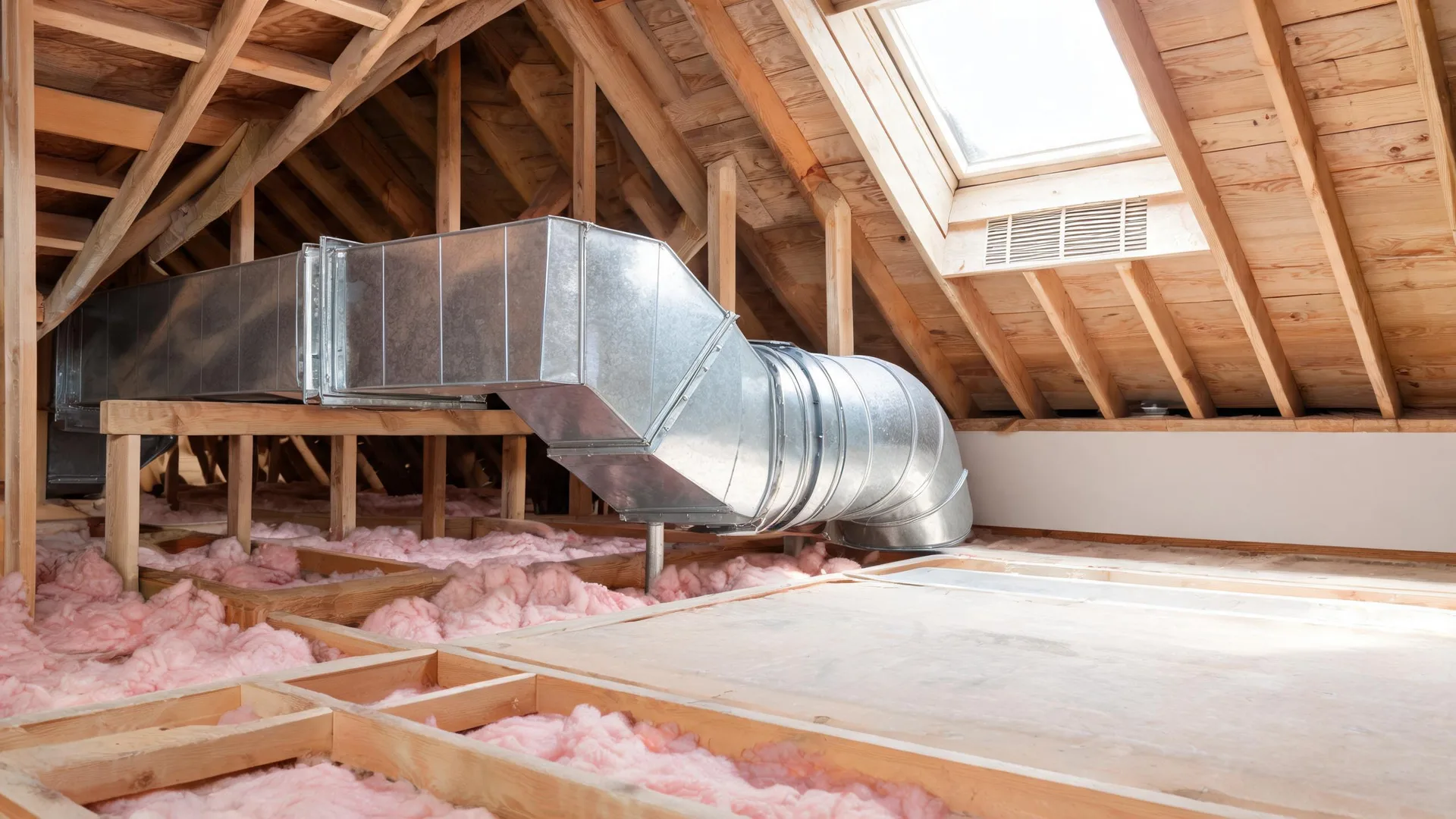
A warm house from a failing AC is an annoyance. A warm compressor can be the end of it. When refrigerant charge is low, the compressor runs hotter than it should, and running it that way breaks down the oil that keeps its internal parts moving against each other. Keep running it low on charge and you can go from a repair to a full replacement. A weak capacitor causes something similar in the fan motor, forcing it to draw more current than its windings are built for until it finally seizes. If the system is icing over the coil, running it longer just packs on more ice and blocks airflow completely, which stresses the compressor even more. None of these get better on their own. Shutting the system off when you notice something off, a new noise, weak airflow, ice on the lines, buys the parts that are struggling a chance to survive until someone can look at it.

6 months
May through October, your air conditioner is on duty
89°F
the average summer afternoon it cools against
20 hail events
in ten years, and hail bends the fins on outdoor coils
304 wind events
in ten years, and wind drives debris into outdoor units
Isometric line illustration of a cutaway single-story house showing interior rooms, ductwork, an indoor air handler or furnace, and a refrigerant line running to an outdoor condenser unit on a pad.
Your air conditioner works hardest from June through September.

NOAA nClimDiv, 1991–2020 normals

Half the homes on Hilton Head were built in 1999 or later.

A system that age still has a lot of life in it, which is why repair is usually the right call here.

Cooling starts in May here, and that first month is when weak parts give out

Cooling runs May through October
Summer afternoons average 89°F
304 damaging wind events from 2015 to 2024
Six months of cooling a year, with summer heat pushing 90Afternoon highs average 89°F through June, July and August

South Carolina homes paid 14.23 cents per kilowatthour in 2024, on the high side for the region. An AC that's low on charge or struggling with a weak capacitor doesn't just risk breaking down, it pulls harder to do the same job, and you pay for that every time it runs. A system working against ice on the coil or a failing motor can run long stretches without actually cooling the house. That's cost with nothing to show for it. Getting the actual problem fixed stops the bleeding either way, whether it's a bad part or a bill that keeps climbing.

Repair it

If your system came with a newer house, it likely has plenty of life left. Repair is usually the right call.

Find a contractor
A man in a cap, dark shirt and tan work pants walks up porch steps toward a green front door, carrying a worn canvas tool bag, with a potted shrub beside the entry.
A gray cylindrical air conditioning condenser unit mounted on a concrete pad next to a light-colored vinyl-sided house exterior.

What to check before you call

Before anyone comes out, there are a few things worth checking yourself. Look at the thermostat first. Make sure it's set to cool, not just on, and that the set temperature is actually below room temperature. A dead thermostat battery can shut the whole system down and look like something much worse. Next, check the air filter. A filter clogged with dust chokes airflow, and that alone can freeze the coil and stop the system cold. Go outside and look at the outdoor unit. If leaves, grass clippings or a fallen branch are blocking it, clear the area around it so air can move through. Check your breaker panel too. A tripped breaker is sometimes the whole story. If you see ice anywhere on the lines or the indoor coil, turn the system off and let it thaw completely before anyone tries to diagnose it, because ice hides what's actually wrong underneath. None of this fixes a failing capacitor or a refrigerant leak. But it rules out the simple stuff fast, and it tells the contractor exactly what you saw before they even open the panel.

What actually wears out

A run capacitor loses its charge over years of starting the fan motor and the compressor, and once it's weak, both have to work harder to start up. Contactor points pit and burn from switching power on and off thousands of times. Refrigerant leaks out slowly at a fitting or a worn spot in the coil, so the system loses its charge a little at a time. None of these happen because of one bad day. They happen because the part has been cycling for years.

Why it shows up as a breakdown

A failing part rarely announces itself ahead of time. The capacitor holds enough charge to start the motor until the day it doesn't, and the fan just sits there humming. A slow refrigerant leak gives you weeks of slightly weaker cooling before the compressor finally runs hot enough to trip off. By the time you notice warm air or a system that won't start, the part has usually been degrading for a while. What looks sudden is the end of a process that started a long time before.

An outdoor central air conditioning unit mounted on a concrete pad beside a blue-sided house at sunset.

A new air conditioner would cut about $70 a year off cooling for a typical Beaufort County home.

  • A new one at the federal minimum, 14.3 SEER2$480 a year
  • An older air conditioner$550 a year

Estimates for a typical Beaufort County home, compared with an older unit built to the previous federal minimum, from EIA household energy data, South Carolina fuel prices and NOAA climate normals. Your home will differ.

Repair makes sense when a part like a capacitor or contactor has failed.

Replacement makes sense when the compressor has failed or the system uses R-22 refrigerant, which is no longer made.

When a repair call turns into a replacement conversation, it's rarely about one part. It's about the compressor, because that's the one part nobody swaps out cheap. A tech can tell you a capacitor or a contactor is a straightforward fix on its own. But if the compressor's been running hot for a while, low on charge or starved for airflow, the question changes. You're not asking whether the broken part is worth fixing. You're asking whether the compressor behind it still has good life in it, or whether it's already been quietly damaged by whatever caused the breakdown in the first place. The same symptom, a system that won't cool, can lead to different answers depending on what's actually been happening inside the cabinet before anyone noticed.