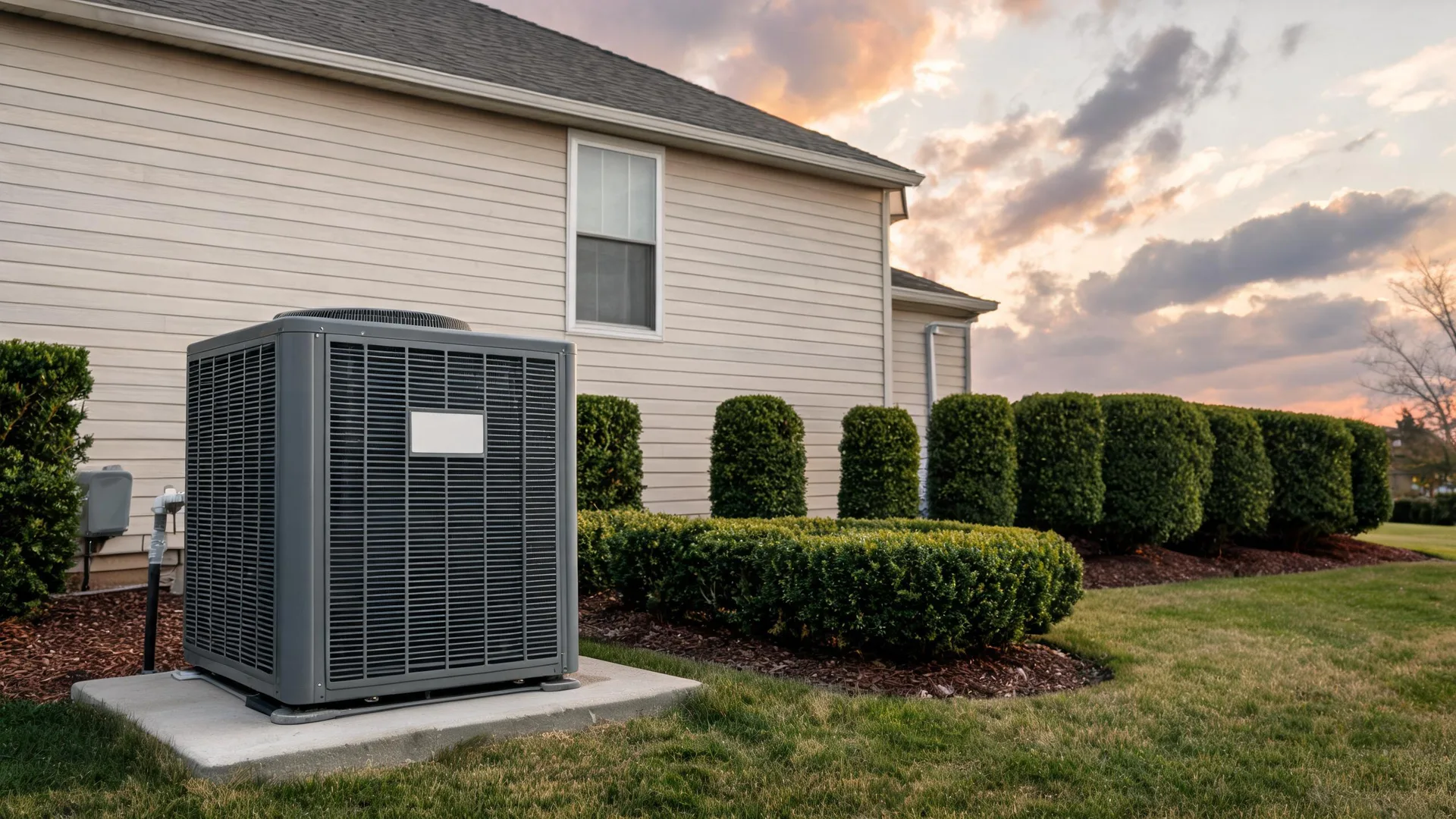
An outdoor air conditioning condenser unit on a concrete pad next to the gray vinyl siding of a residential home.

AC Repair in Lancaster, SC

Tell us about the job

Takes about a minute. No obligation.

RepairCentral ACLancaster County, SC
Step 1 of 2

What ZIP code is the job in?

The tech checks the whole system, not just the symptom

A tech will check refrigerant pressure, look at the capacitor and contactor, test the condenser fan, and check airflow across the indoor coil. Warm air at the vents can trace back to a dirty coil, a failing capacitor, or a refrigerant leak, and those each need a different fix.


What they find decides what happens next

If the fix is a part like a capacitor or a fan motor, that can often get handled the same visit. A refrigerant leak takes more time to find and seal. The diagnosis tells you which one you're dealing with before any repair starts.

5 months
May through September, your air conditioner is on duty
89°F
the average summer afternoon it cools against
46 hail events
in ten years, and hail bends the fins on outdoor coils
133 wind events
in ten years, and wind drives debris into outdoor units
Isometric cutaway illustration of a small home interior with furniture and ducting, showing an indoor air handler connected by lines to an outdoor condenser unit on a pad.
Your air conditioner works hardest from June through September.

NOAA nClimDiv, 1991–2020 normals

Check the breaker and the thermostat batteries before anything else.

A tripped breaker or a dead thermostat looks exactly like a dead system, and takes a minute to rule out.

Five months of 89 degree afternoons, and summer storms on top of that

Cooling runs May through September
Summer afternoons average 89°F
133 damaging wind events from 2015 to 2024

Half the homes in Lancaster County were built in 2000 or later. If that's your house, the AC is probably not original equipment either, and a repair is still the right call before anyone talks about replacing it. A capacitor, a fan motor, a low charge, none of that means the system is done. Worn parts fail on newer systems too. The age of the house doesn't tell you the age of the unit, so it's worth checking the nameplate or asking the tech what year it was installed.

A system that's struggling still runs up the meter

South Carolina electricity ran 14.23 cents per kilowatthour in 2024. A capacitor or coil that's making the system struggle doesn't stop it from running, it just makes it run longer and pull more power to do the same job.

Find a contractor
A man in a cap, green shirt and tan work pants carries a worn canvas duffel bag as he climbs steps toward a dark green front door, with a potted shrub beside the porch.
A gray residential air conditioner condenser unit mounted on a concrete pad in an open grass field.

Five months of this a year wears a system down early

May through September, the condenser outside is running most afternoons near 89 degrees. That is a long stretch of hard running before a part starts to slip. Add the wind and hail this county sees most years and a system can take damage that does not show up at the vents right away. If yours is cycling strange or not keeping up, get the cause found before the season puts more hours on it.

A weak capacitor keeps pulling against a dying start

A capacitor that's starting to go still gets the compressor running most of the time, so the system keeps limping along instead of stopping clean. Every hard start heats the windings a little more than a normal one would. That heat damage adds up and doesn't reverse.

Low refrigerant lets the coil ice over if it runs long enough

A system low on charge will still blow air, just not cold enough, so people let it ride. Run it that way long enough and the indoor coil frosts, then ices solid, and airflow drops to nothing. Past that point you're often waiting on a thaw before anyone can even test it right.

Aerial view of a residential air conditioning condenser unit mounted on a concrete pad next to a house with vinyl siding and a sliding glass door.

A new air conditioner would cut about $50 a year off cooling for a typical Lancaster County home.

  • A new one at the federal minimum, 14.3 SEER2$330 a year
  • An older air conditioner$380 a year

Estimates for a typical Lancaster County home, compared with an older unit built to the previous federal minimum, from EIA household energy data, South Carolina fuel prices and NOAA climate normals. Your home will differ.

Repair makes sense when a part like a capacitor or contactor has failed.

Replacement makes sense when the compressor has failed or the system uses R-22 refrigerant, which is no longer made.

A repair fixes what broke. It doesn't reset the clock on everything else in the system, and it doesn't need to. Most AC failures come down to one worn part giving out while the rest of the system is fine, so replacing a capacitor or a fan motor is no different from replacing a belt on a car with a good engine. The question worth asking isn't how old the system is, it's whether this is the first real repair it's needed or the third one this year. A compressor that's starting to fail will often get preceded by months of smaller complaints, weak cooling, odd cycling, a breaker that trips now and then. One repair is just a repair. A pattern of them is the system telling you it's done.