Most failures start small
A capacitor weakens over months before it finally fails outright. A contactor's points pit and burn a little more every cycle. By the time the system won't start at all, that part was already struggling for a while.
Takes about a minute. No obligation.
Warm air coming out of the vents when the thermostat is set cold usually means the compressor is struggling or the refrigerant charge is low. A hissing or bubbling sound near the unit points to a refrigerant leak, and that will not fix itself. If the air handler is running but the house will not cool down, check whether the outdoor unit is running too. Sometimes it is not, because a failed capacitor or contactor kept it from starting. Short cycling, where the system turns on and off every few minutes, puts a lot of wear on the compressor and is worth having looked at soon. Water pooling near the indoor unit usually means the condensate drain is clogged, and left alone it can damage the floor or the unit itself.

NOAA nClimDiv, 1991–2020 normals
AC runs here from May through September.
The first hot stretch in May is when a weak capacitor or low charge finally gives out.

Electricity in South Carolina ran 14.23 cents per kilowatthour in 2024, and a struggling AC uses more of it to do the same job. A low charge makes the compressor run longer to reach the thermostat's setting. A weak capacitor can cause hard starts that pull extra current every time the unit cycles on. None of that shows up as a single bad month. It shows up as every bill running higher than it should for as long as the problem sits there. Fixing what's wrong now stops the waste instead of paying for it all summer.
Problems tend to show up in the first weeks of the season, when the load hits a part that was already weak.
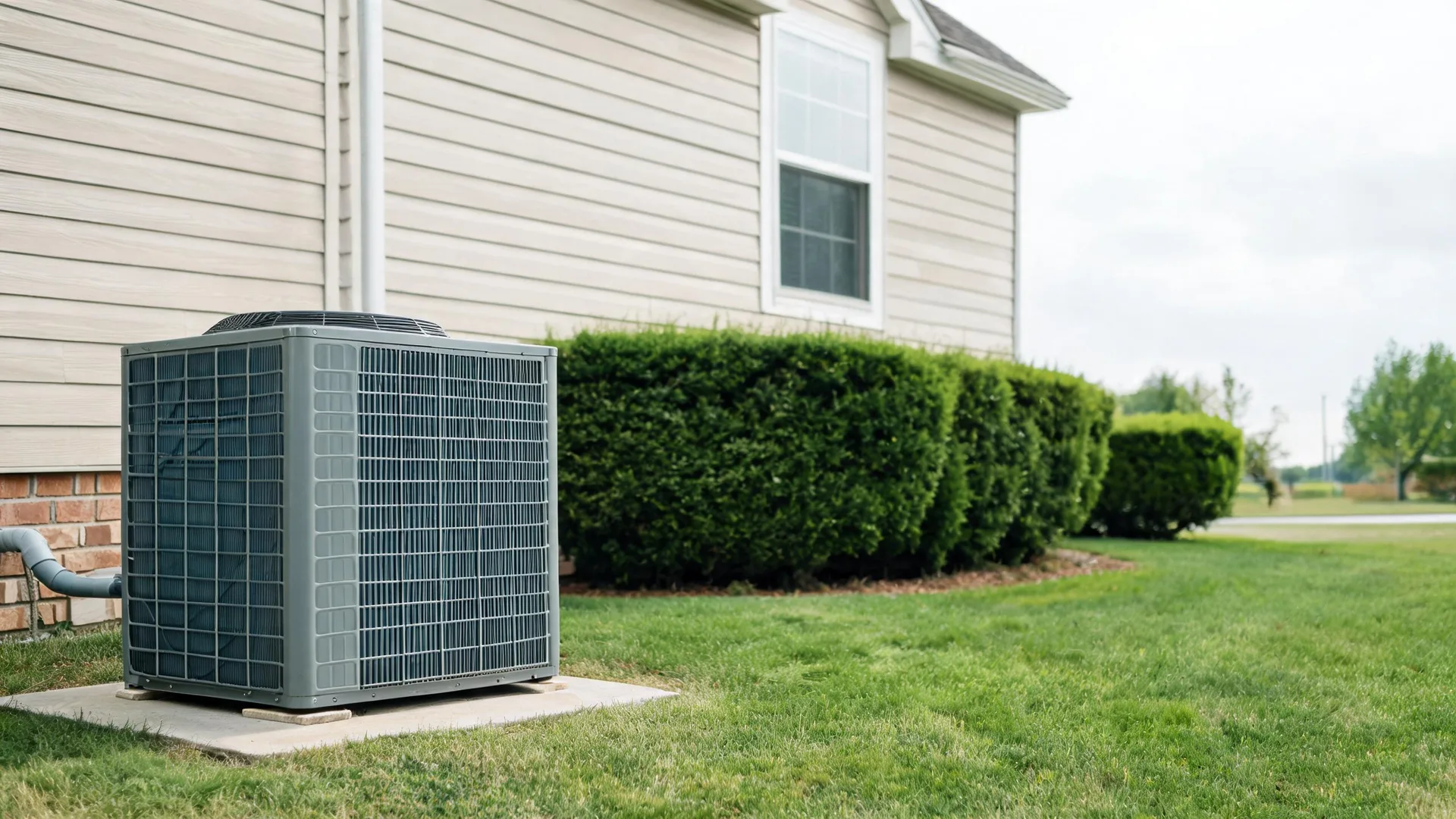
Find a contractorThe heat already explains the wear. What's harder to see is what the storms do to the outdoor unit sitting outside taking it. Horry County had 111 damaging wind events and 49 hail events over the past ten years. A unit that took a hit from one of those does not always fail right away. Something gets knocked loose or bent slightly out of place, and it runs fine for months before it finally gives out. When a part fails now, it is worth asking a tech to check more than the part itself. A weak capacitor might be the whole problem, or it might be the second thing to go after something else got damaged and never got looked at.
A capacitor weakens over months before it finally fails outright. A contactor's points pit and burn a little more every cycle. By the time the system won't start at all, that part was already struggling for a while.
If one part failed, a tech checking only that part is guessing it worked alone. A burned contactor can point back to a compressor pulling too much current. A tripped breaker can mean the capacitor already let go. Worth asking what's connected to what's broken.
Estimates for a typical Horry County home, compared with an older unit built to the previous federal minimum, from EIA household energy data, South Carolina fuel prices and NOAA climate normals. Your home will differ.
Repair makes sense when a part like a capacitor or contactor has failed.
Replacement makes sense when the compressor has failed or the system uses R-22 refrigerant, which is no longer made.
A diagnostic visit starts before the panel comes off. A tech will ask what the system was doing. Warm air, short cycling, a smell, a sound, and when it started. Then comes the gauges, checking refrigerant pressure on both the high side and the low side, because that reading alone rules a lot of things in or out. Electrical testing comes next. The capacitor, the contactor, the wiring at the disconnect. A tech will also check amp draw on the compressor and the fan motor while the system runs, since a motor pulling too much current is often further along than it looks. The condensate line gets checked too, since a clog there causes problems that have nothing to do with cooling output but get blamed on the system anyway. The numbers point to the part, and the part either gets replaced or it doesn't.