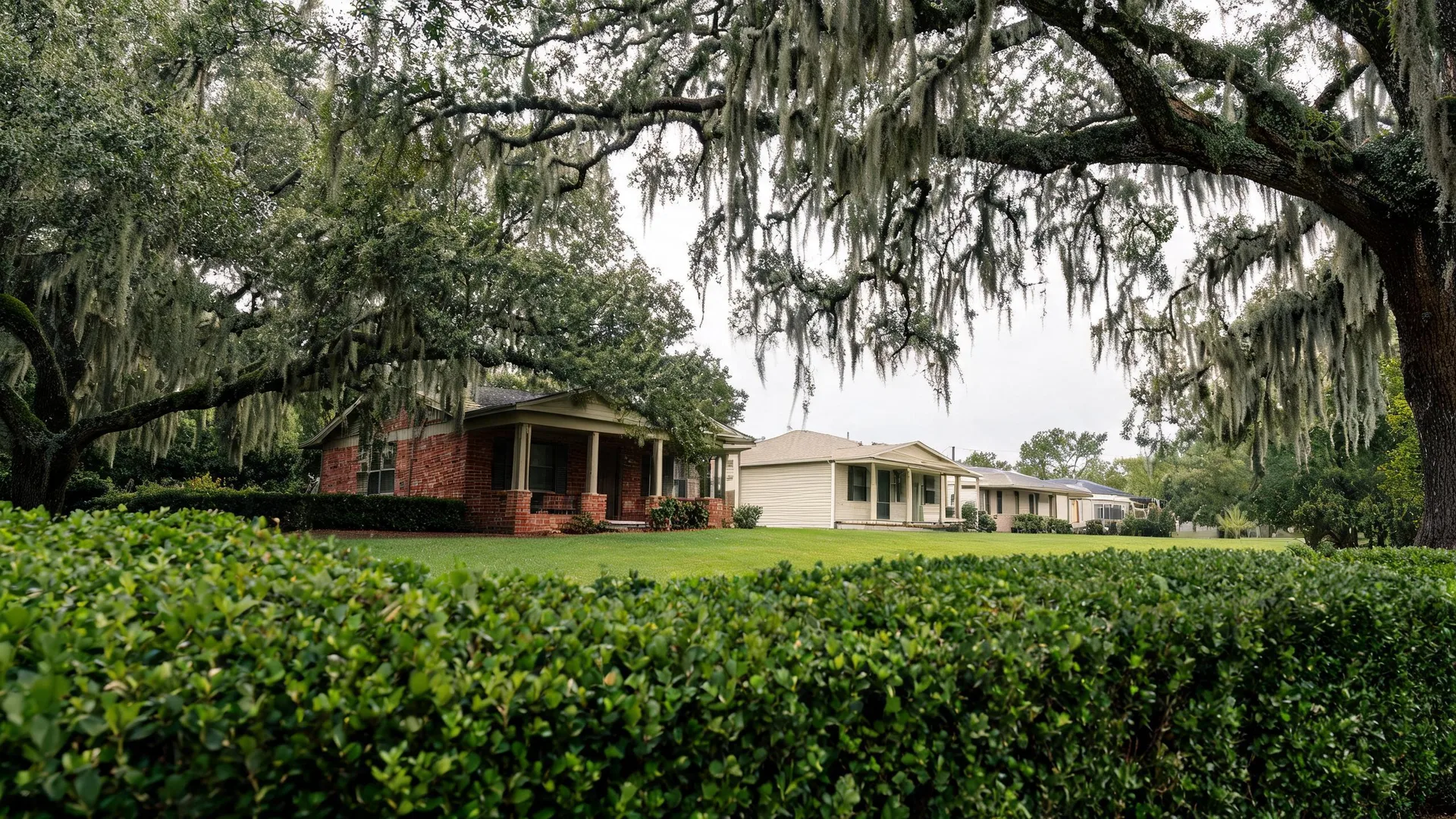





A single-story brick house with a covered porch sits on a mown lawn behind a long trimmed hedge, framed by large oak branches draped with hanging moss, with additional light-colored houses in the background under an overcast sky.

AC Repair in Saluda, SC

Tell us about the job

Takes about a minute. No obligation.

RepairCentral ACSaluda County, SC
Step 1 of 2

What ZIP code is the job in?

Saluda County saw 103 severe weather events between 2015 and 2024, most of it damaging wind. Wind throws branches and debris into an outdoor AC unit, and hail dents the fins around the coil and bends the cage around it. A unit can take a hit like that and keep running for a while before the damage catches up with it. The county has also seen tornadoes and hurricanes pass through in that stretch. If your outdoor unit has been through weather like that, it's worth having someone look at it even if the air coming out still feels fine.

5 months
May through September, your air conditioner is on duty
91°F
the average summer afternoon it cools against
19 hail events
in ten years, and hail bends the fins on outdoor coils
74 wind events
in ten years, and wind drives debris into outdoor units
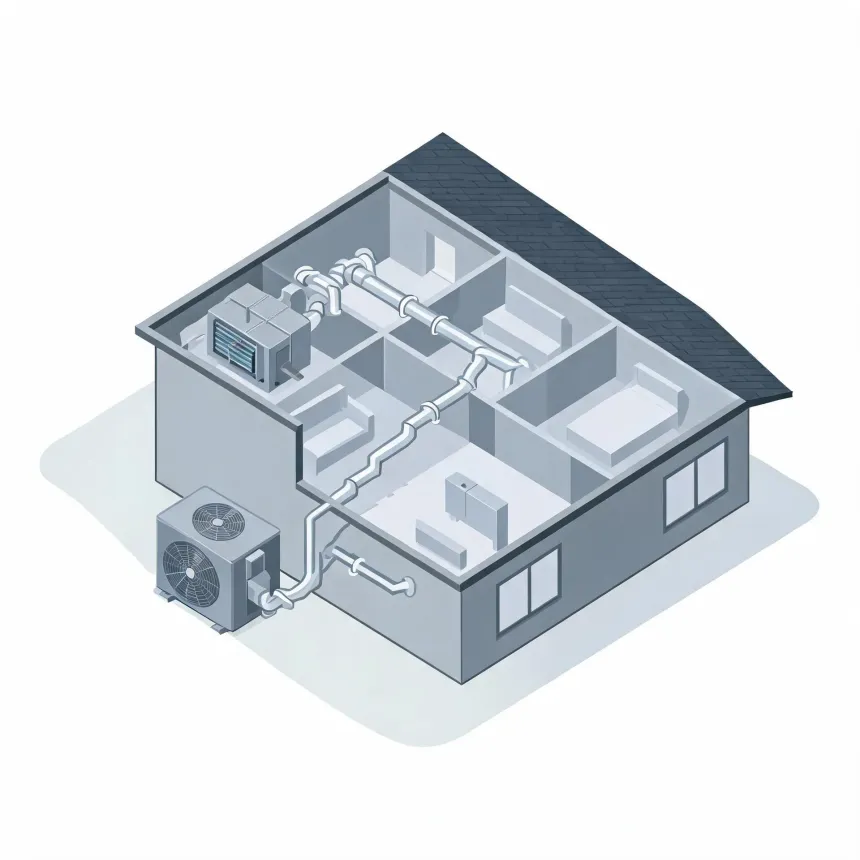
Isometric grey illustration of a cutaway single-story house showing interior rooms, ceiling ductwork connected to an indoor air handler, and an outdoor condenser unit linked by lines outside the wall.
Your air conditioner works hardest from June through September.

NOAA nClimDiv, 1991–2020 normals

A struggling compressor keeps drawing full power even as it fails.

Shutting the system off before the call stops a bad part from turning into a replacement.

Saluda's AC problems are mostly ordinary ones

Half the homes here were built by 1987
Cooling runs May through September
Summer afternoons average 91°F
South Carolina power costs add up fastElectricity here ran 14.23 cents per kilowatt-hour in 2024, and a failing AC burns through it faster.

Cooling runs May through September here. April is the month before that starts, and it's the better time to catch a weak part. A unit that sat idle all winter won't show a problem until it has to run hard, and that first hard run usually comes in May. If a capacitor or contactor was already marginal last fall, the first real heat is what finishes it off. Finding that in April means someone looks at it on an easy day instead of after it's already quit on you.

Storm damage on your AC unit doesn't always show up right away

If hail or debris from one of those storms ever hit your outdoor unit, have it looked at even though it still runs. Bent fins and a dented cage don't always show up as a problem right away, but they put more strain on the compressor over time.

Find a contractor
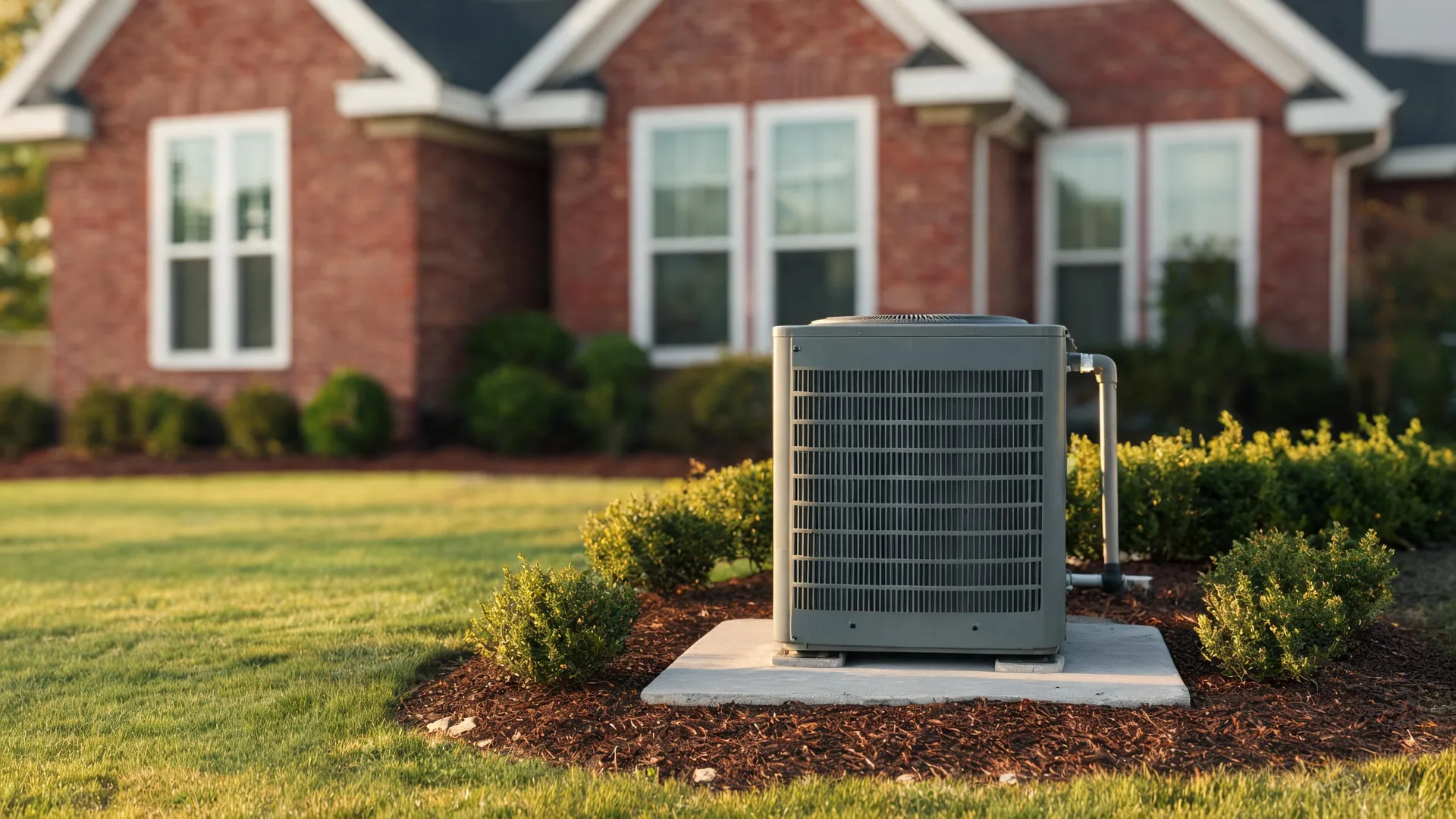
A gray residential air conditioner condenser unit mounted on a concrete pad in an open grass field.

Five months of this heat, every year

Cooling runs five months here, May through September, and the afternoon high averages 91 degrees through the hottest stretch of that. The compressor is what holds the house against that heat, and it runs long hours to do it. A part that's been marginal, a weak capacitor, a contactor with some pitting, is more likely to give out under that load than on a mild day. If your system's been making a new noise or not keeping up the way it used to, this is usually why.

The sound changes before the cooling does

A grinding or screeching from the outdoor unit usually means a bearing in the fan motor is going. A hard clicking that repeats without the system starting is a relay or capacitor trying and failing to get the compressor going. Either one is worth a call before the unit tries hard enough to do real damage to itself.

Warm air from the vents means the job got bigger

A system that's low on refrigerant or has lost the compressor won't just cool less, it'll blow air that's barely different from the room. That's a different repair than a weak capacitor or a dirty coil, and it's worth getting someone out quickly since a compressor running low on charge can wear itself out further the longer it keeps trying.

Aerial view of a square outdoor air conditioning condenser unit on a concrete pad beside a house wall with a sliding glass door.

A new air conditioner would cut about $60 a year off cooling for a typical Saluda County home.

  • A new one at the federal minimum, 14.3 SEER2$380 a year
  • An older air conditioner$440 a year

Estimates for a typical Saluda County home, compared with an older unit built to the previous federal minimum, from EIA household energy data, South Carolina fuel prices and NOAA climate normals. Your home will differ.

Repair makes sense when a part like a capacitor or contactor has failed.

Replacement makes sense when the compressor has failed or the system uses R-22 refrigerant, which is no longer made.

The decision usually comes down to the compressor and how old the system is when it fails. A capacitor, a contactor, a fan motor, even a circuit board, those are worth fixing almost every time because the compressor and coils, the expensive parts, are still fine underneath. A failed compressor is a different question. Replacing one costs enough that it starts competing with the price of a new outdoor unit, and a compressor that failed once on an older system is telling you something about everything else that's run alongside it for just as long. If the system is getting up there in age and the repair bill is close to what a new unit would run, most people are better off putting that money toward the replacement instead of patching the old one and waiting to see what fails next.