




Night view of illuminated white Southern-style houses with wraparound porches beneath Spanish moss-draped oak trees.

AC Repair in Union, SC

Tell us about the job

Takes about a minute. No obligation.

RepairCentral ACUnion County, SC
Step 1 of 2

What ZIP code is the job in?

Union County saw 73 severe weather events between 2015 and 2024, and most of that was wind. That's what the outdoor unit sits through, year after year. Hail hit here too, and it dents fins and bends the cabinet even when the unit keeps running afterward. If yours took a hit and still seems fine, it's worth having a contractor check the coil and the fan blade anyway. Power cuts are common here as well, and a long outage puts its own strain on the system once the power comes back and it kicks on again.

5 months
May through September, your air conditioner is on duty
90°F
the average summer afternoon it cools against
11 hail events
in ten years, and hail bends the fins on outdoor coils
52 wind events
in ten years, and wind drives debris into outdoor units
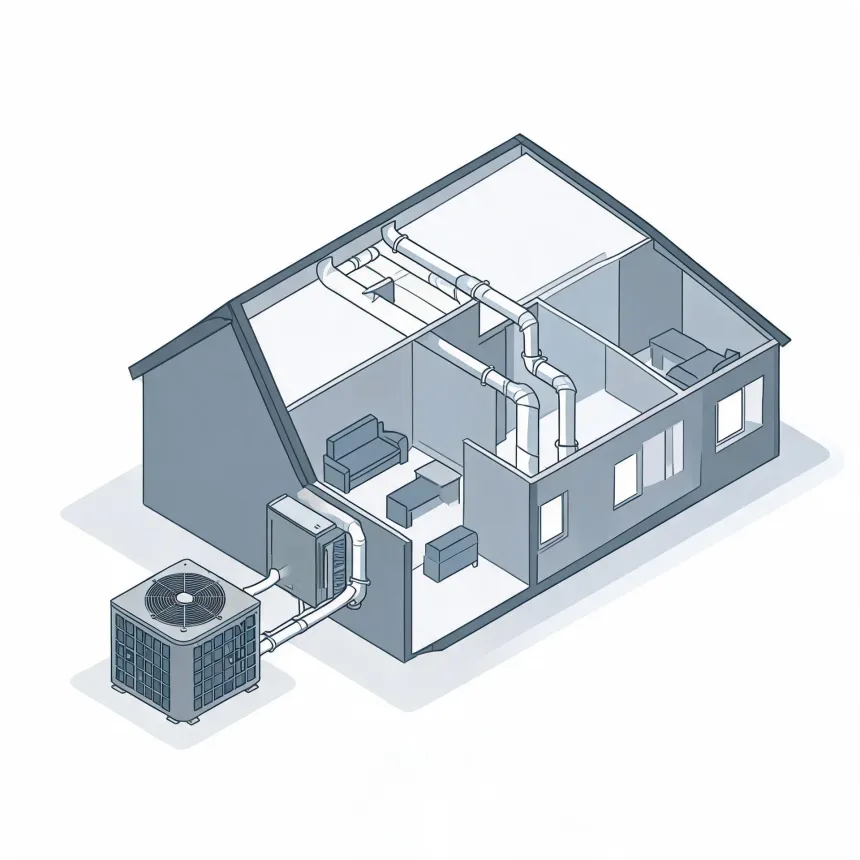
Isometric line illustration of a cutaway house showing interior rooms with ductwork, an indoor air handler, and an outdoor condenser unit connected by lines, on a white background.
Your air conditioner works hardest from June through September.

NOAA nClimDiv, 1991–2020 normals

Warm air from the vents means the system is running but not cooling.

A compressor or charge problem causes that, and it won't fix itself.

At 14.23 cents a kWh, a struggling AC runs up your bill all summer

Power costs 14.23 cents a kWh statewide
Cooling runs May through September
Summer afternoons average 90°F

Half the homes in Union County were built in 1972 or earlier. If yours is one of them, the AC inside it may not be original, but it's worth asking the contractor how old the unit actually is. A system that's run through years of wind, hail and power cuts has had a harder life than one that's sat untouched. When a repair comes up on an older unit, ask how many years it likely has left before deciding whether to fix it.

Get it checked before May asks something of it

Cooling starts here in May, and April is when a weak part finally gets found out. A system that made it through last summer can still have a capacitor or contactor on its way out, and the first hot stretch is what pushes it over. Getting it looked at now means it's working before the load hits, not after.

Find a contractor
A gray residential air conditioning condenser unit mounted on a concrete pad outdoors, surrounded by green grass under a partly cloudy blue sky.

Five months of 90 degree afternoons

Cooling here runs May through September, five months straight. June, July and August bring afternoon highs averaging 90°F. That's a long stretch for a compressor to run near its limit, day after day. A system working this hard doesn't get much of a break. Small problems show up early, and a capacitor or contactor that's been straining all summer tends to fail right when you need it least.

Check the thermostat and the filter first

Set the thermostat below room temperature and listen for the system to kick on. If it doesn't start, check the breaker before anything else. Then pull the filter and hold it up to a light. If you can't see light through it, air can't get through it either, and the system may be icing up the coil or shutting itself down to protect the compressor.

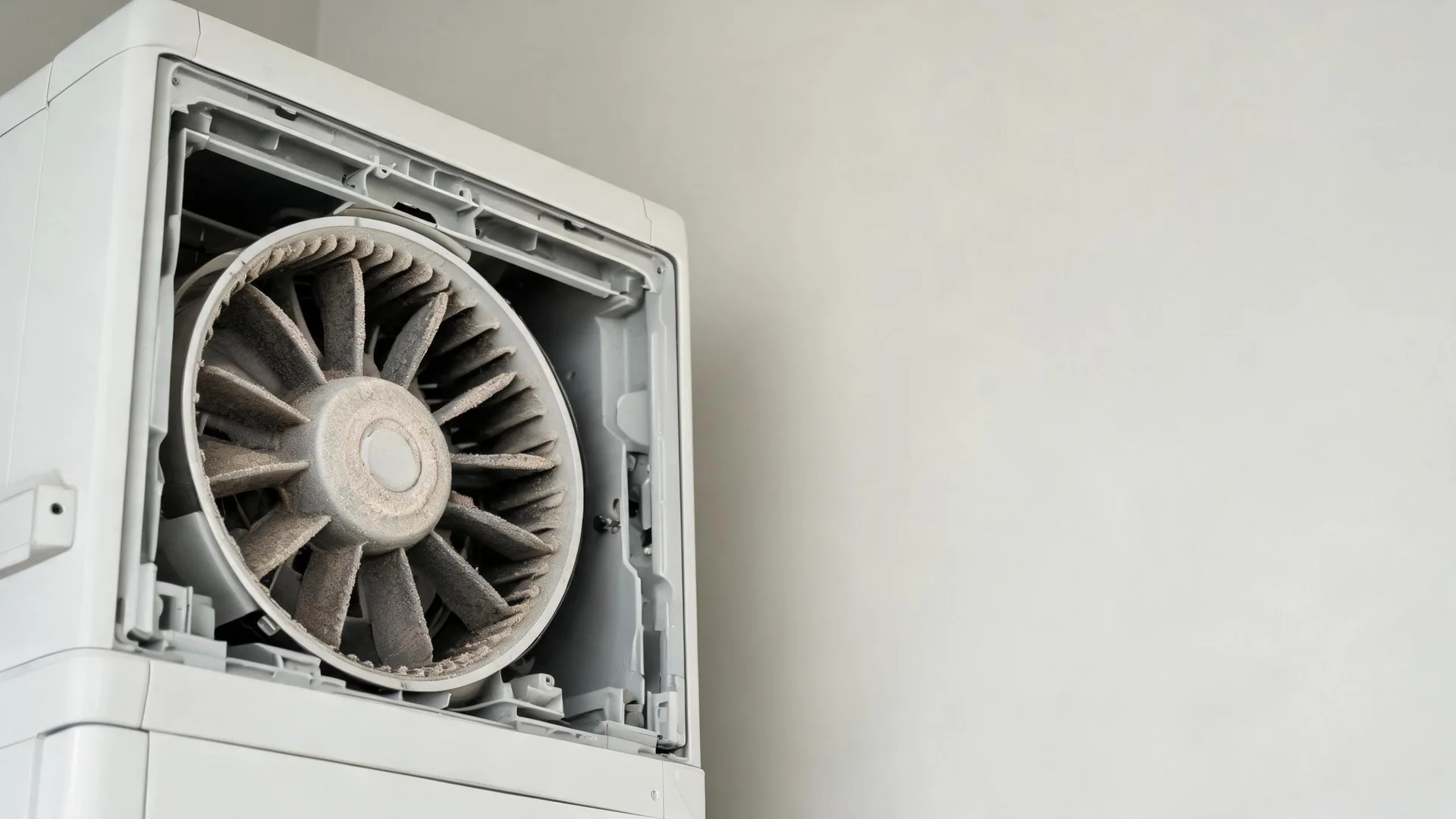
Look at the outdoor unit, but don't touch the wiring

Walk around the outdoor unit and clear away leaves, grass clippings or anything blocking the fins. Check that the fan is spinning when the system is running. If it's humming but not turning, or it's making a loud rattle or squeal, that's a sign for a contractor, not a wire to test yourself.

Overhead view of a gray outdoor AC condenser unit on a concrete pad beside a mulched garden bed and a house with vinyl siding.

A new air conditioner would cut about $50 a year off cooling for a typical Union County home.

  • A new one at the federal minimum, 14.3 SEER2$340 a year
  • An older air conditioner$390 a year

Estimates for a typical Union County home, compared with an older unit built to the previous federal minimum, from EIA household energy data, South Carolina fuel prices and NOAA climate normals. Your home will differ.

Repair makes sense when a part like a capacitor or contactor has failed.

Replacement makes sense when the compressor has failed or the system uses R-22 refrigerant, which is no longer made.

A contractor starts outside, checking the capacitor and contactor before anything else, since those fail more than any other part. They'll check the refrigerant charge with gauges, because low charge means either a slow leak or a system that was never charged right to begin with. Inside, they're looking at the coil for ice or buildup, and checking that the blower wheel is actually moving the air it should. They'll test the run capacitor's actual value against what's printed on it, since a capacitor can read weak long before it fails outright. If the compressor is cycling on overload, they'll check the amp draw against what the unit calls for, and listen to it run before deciding whether it's a wiring issue or the compressor itself giving out. Most of this is pinpointing which part quit, not just confirming that something has.