A lit antebellum-style two-story house with white columns and a wraparound porch at night, framed by live oak trees draped in Spanish moss.

AC Repair in Walterboro, SC

Tell us about the job

Takes about a minute. No obligation.

RepairCentral ACColleton County, SC
Step 1 of 2

What ZIP code is the job in?

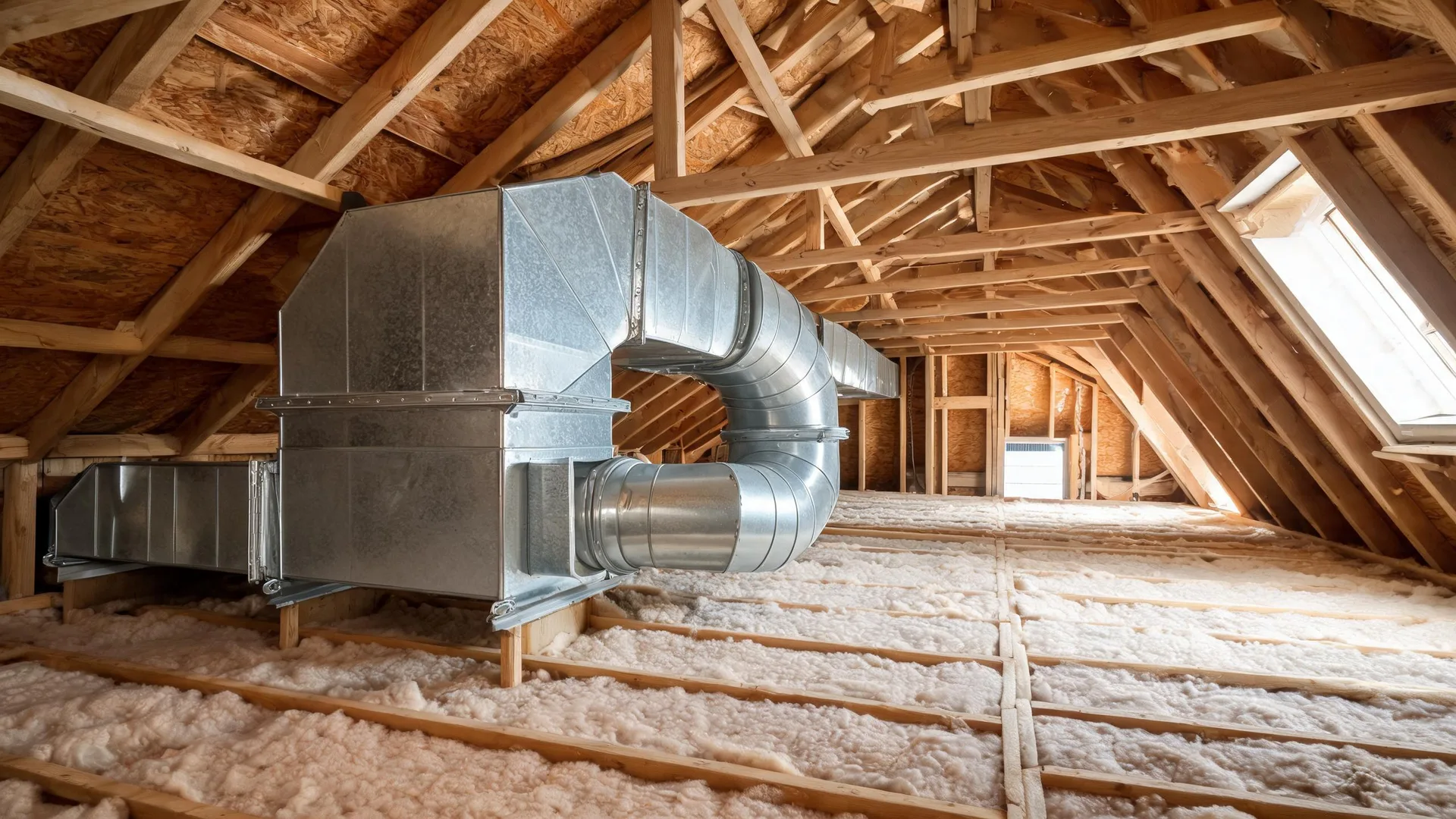
The tech checks the whole system, not just the symptom

A warm house can come from a failed capacitor, a dirty coil, a low refrigerant charge, or a clogged filter choking the airflow. The tech checks refrigerant pressure, electrical draw on the compressor and fan motor, and airflow across both coils before naming the cause. One symptom can have several possible sources behind it.

What you learn before any repair starts

The tech should tell you what failed and why before touching anything. If the compressor is drawing too much current or the coil is iced over, that changes whether a repair makes sense or the unit is nearing the end of its life. You decide once you know what you're looking at, not before.

6 months
May through October, your air conditioner is on duty
90°F
the average summer afternoon it cools against
13 hail events
in ten years, and hail bends the fins on outdoor coils
561 wind events
in ten years, and wind drives debris into outdoor units
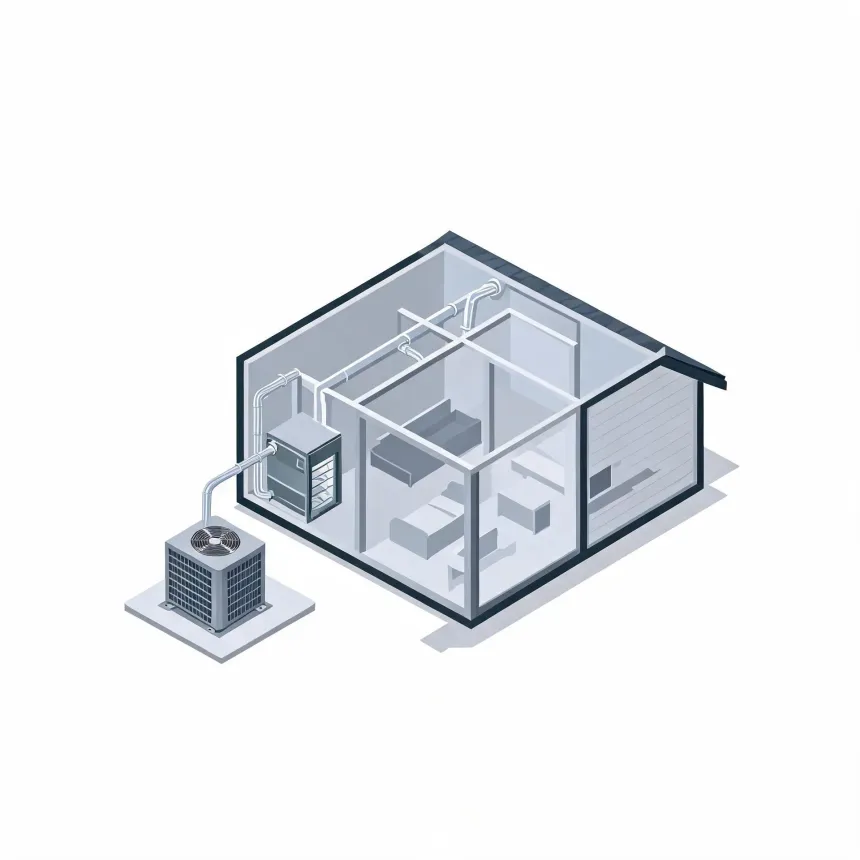
Isometric grayscale illustration of a cutaway house showing interior rooms, ductwork, an indoor air handler, and an outdoor condenser unit on a pad connected by lines.
Your air conditioner works hardest from June through September.

NOAA nClimDiv, 1991–2020 normals

South Carolina runs among the higher electric rates in the country, 14.23 cents a kilowatt-hour in 2024.

An AC losing its charge or running a bad capacitor draws more power to do less cooling, and you pay for that every month it sits unfixed.

Six months of 90 degree afternoons, and the wind to go with it

Cooling runs May through October
Summer afternoons average 90°F
561 damaging wind events from 2015 to 2024

Half the homes in Colleton County were built in 1987 or earlier, half in 1987 or later. That split doesn't tell you much about the unit sitting outside, since the AC may have been swapped out long after the house went up. What matters is whether yours is original to the house or a later replacement. Mobile homes make up more than a third of the housing stock here, and the systems in them work the same as any other home's, same compressor, same coil, same capacitor. If the air coming out is warm, something failed, and the job is finding what, not guessing based on the house around it.

Stop paying for a struggling machine

Power costs more here, so a machine that's running badly costs you every month. Get it fixed soon.

Find a contractor
A gray metal air conditioning condenser unit mounted on a concrete pad in a flat grassy field under a partly cloudy sky.

Six months of this wears parts down early

Six months is a long run for a machine that only gets more stressed as the summer goes on. By August it's been working against 90 degree afternoons for weeks, and whatever was marginal in May is often failed by then. A capacitor that was weak at the start of the season doesn't get stronger. If your AC has been struggling, the heat and the time both worked against it, and the part that's tired now was probably tired a month ago too. Getting it looked at now is what keeps a small repair from turning into a system replacement.

A weak compressor keeps drawing hard until it burns out

A compressor that's starting on a failing capacitor pulls high amperage every time it kicks on. Each start heats the windings a little more than the last. Left running, it goes from a part you replace for less to a compressor that's seized, and that's a different repair entirely.

A frozen coil melts, floods, and takes the compressor with it

Low refrigerant or blocked airflow lets the evaporator coil ice over. Keep running it and that ice can melt into the pan faster than it drains, or liquid refrigerant can come back through the line and reach the compressor, which it was never built to handle.

An overhead view of a residential air conditioning condenser unit mounted on a concrete pad next to a house with vinyl siding.

A new air conditioner would cut about $70 a year off cooling for a typical Colleton County home.

  • A new one at the federal minimum, 14.3 SEER2$440 a year
  • An older air conditioner$510 a year

Estimates for a typical Colleton County home, compared with an older unit built to the previous federal minimum, from EIA household energy data, South Carolina fuel prices and NOAA climate normals. Your home will differ.

Repair makes sense when a part like a capacitor or contactor has failed.

Replacement makes sense when the compressor has failed or the system uses R-22 refrigerant, which is no longer made.

When a repair makes sense comes down to what actually failed. A capacitor, a contactor, a fan motor, these are parts that fail on their own, without taking anything else down with them. Replace the part and the system runs the way it did before. A compressor is different. It doesn't fail by itself, usually something upstream killed it, and putting in a new one on a system that still has whatever caused the problem is asking for a repeat. The age of the unit matters less than what's wrong with it right now. An older system with a bad capacitor is still a straightforward fix. A newer system with a failed compressor is a harder call, because you're paying for a major part on a system that already let one go. Ask what failed, why it failed, and whether that same cause is still sitting there waiting to take out the next part too.