Heat pump blowing cold air in Spartanburg, SC

RepairHeat PumpSpartanburg County, SC
Step 1 of 2

What ZIP code is the job in?

Why is my heat pump blowing cold air in Spartanburg?

Cold air coming out of the vents when you expect heat is unsettling, especially once the weather here turns cold. Before you assume the unit is broken, it helps to know that heat pumps work differently from a furnace, and some of what feels cold is actually normal. The question is whether what you're feeling is the system working as designed or a sign something has failed.

Air that feels cool but not cold usually means the system is working normally

A heat pump moves heat from the outside air into your home rather than burning fuel to create it, so the air coming out of the vents is warmer than the air in the room, not hot like a furnace would deliver. On a cold morning that air can feel cool against your skin even though the system is heating. If the air coming out is truly cold, not just mild, that points to a real problem: the system may have switched into emergency heat, the outdoor unit may be iced over, or the refrigerant charge may be low. Winters in Spartanburg County get cold enough that a heat pump working too hard, or not working at all, shows up fast in the comfort of the house.

A gray outdoor heat pump unit on a concrete pad beside a house with horizontal lap siding, connected by conduit and a flexible line to a wall-mounted disconnect box, with low shrubs and mulch nearby.

Normal Operation

If your outdoor unit looks like this, fan running, lines intact, nothing iced over, it's likely doing its job. Heat pumps move warm air at a lower temperature than a furnace would, so the air at the vent can feel cool even while the house warms up.

An outdoor air conditioner condenser unit on a concrete pad beside a house with horizontal lap siding, with a shrub to the left, bare dirt in front, and conduit and a metal disconnect box on the wall.

Something's Wrong

If the outdoor unit is caked in ice, the fan isn't turning, or the air inside stays cold no matter how long it runs, that's different. A failed reversing valve or a low refrigerant charge can leave you with nothing but cold air blowing through the house all winter.

Why does your heat pump work so hard in Spartanburg?

  • Winter nights average 33°F

    Winter nights here average 33°F, cold enough that your heat pump leans on its backup heat more than you'd expect, and that backup is what masks a real problem.

  • Heat runs October through April

    Heat runs October through April here, seven months of the unit cycling on and off, so a part that's starting to fail gets found early rather than late.

  • Cooling runs May through September

    Cooling runs May through September, the other five months, when the same unit works in reverse, which is why trouble can show up in any season, not just winter.

NOAA nClimDiv 1991-2020

A smiling bearded man in a dark green long-sleeved shirt sits on a leather couch in a living room, with a bowl of popcorn and a remote control on a wooden table in the foreground.
A smiling man in a dark blue T-shirt sits on a couch in a dimly lit living room with a bowl of popcorn and a remote on a wooden table, a lit floor lamp and bookshelves behind him, and windows showing greenery.
A smiling man in a dark long-sleeved henley shirt sits on a beige sofa in a living room, with a bowl of popcorn and a remote on the table in the foreground and shelves, a lamp, and a doorway behind him.
A smiling man with dark curly hair in a dark green henley shirt sits on a light sofa in a living room with large windows, a lamp, shelving, a stone fireplace, and a bowl of popcorn in the foreground.

Defrost Cycle or Real Problem

Defrost Cycle

  • The outdoor unit can look frosted or iced along the coil, and for fifteen minutes or so the system reverses itself to melt that off.
  • During this, the indoor vents will blow cool air, sometimes with steam rising off the outdoor unit as the frost melts.
  • Backup heat usually kicks in during defrost to keep the house from feeling the cold air too much, so you may hear a second sound start up.
  • This happens on its own a few times during a cold snap and ends on its own, no switches to flip.
  • If the outdoor fan is running and the coil clears within the cycle, the unit is doing what it's built to do.

Real Malfunction

  • Cold air that doesn't warm back up after fifteen or twenty minutes points to something other than a normal defrost.
  • Ice that builds up and stays, rather than clearing when the cycle ends, usually means the reversing valve or a sensor isn't working right.
  • A low refrigerant charge keeps the system from moving enough heat, so the air at the vent stays cool no matter how long it runs.
  • If the backup heat never engages during defrost, or you don't hear it come on at all, that's worth a technician checking out.
  • An outdoor fan that isn't spinning, or one that's iced solid and silent, means the unit can't get rid of the cold it's supposed to release.
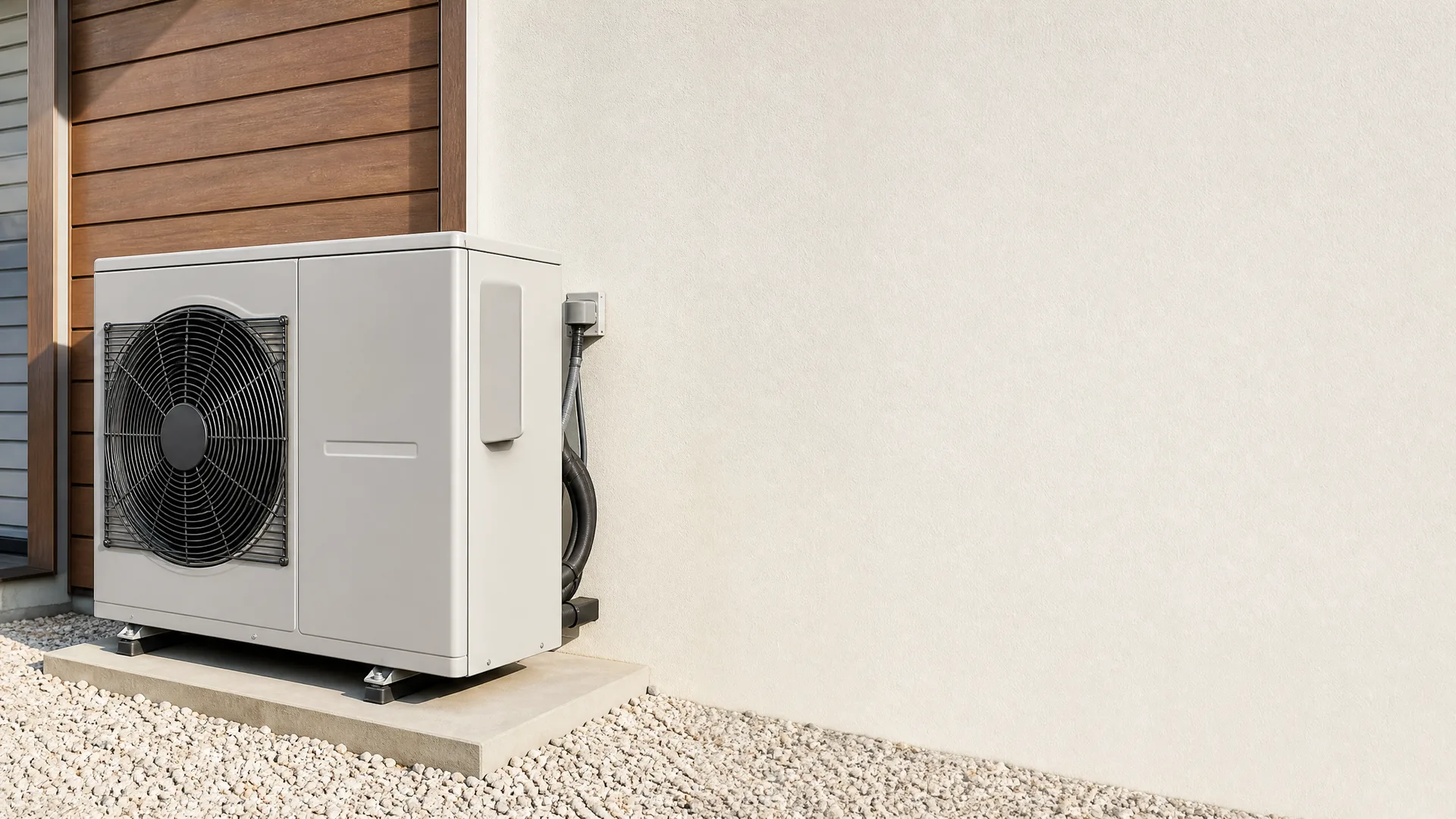
A white outdoor heat pump unit with a fan grille sits on a concrete pad surrounded by light gravel, against a beige stucco wall with wood paneling to the left.

What the Thermostat Setting Tells You

Check whether the thermostat is set to EMERGENCY HEAT instead of HEAT. Emergency heat shuts off the heat pump entirely and runs only the backup electric strips, which still warm the house but will cost more to run over a full winter. If it's been sitting on emergency heat since a cold snap, switching it back to HEAT lets the heat pump take over again, with backup heat stepping in only when needed.

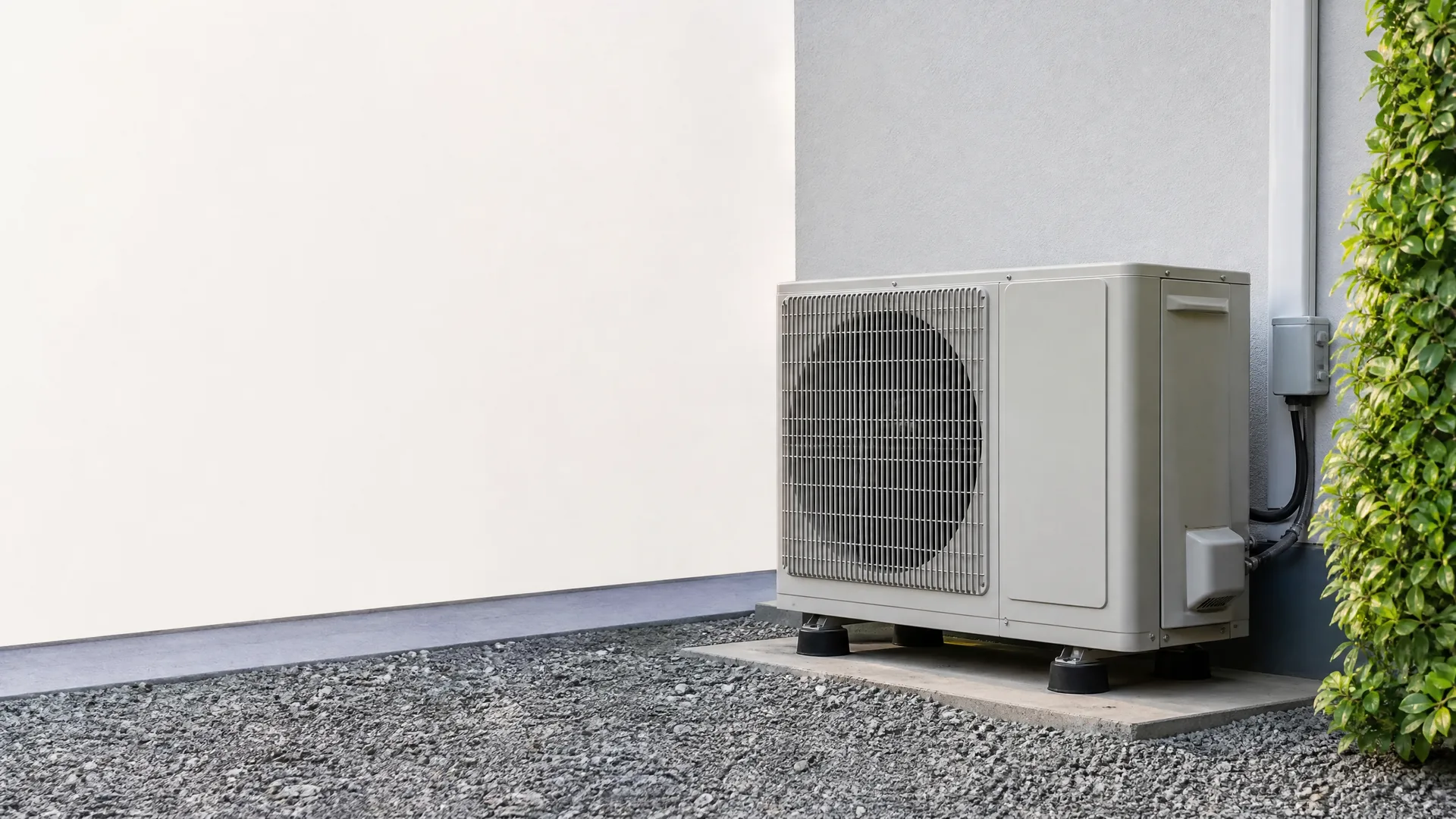
An outdoor air-source heat pump unit with a circular fan grille stands on a concrete pad over gravel beside a light stucco wall, with a green shrub at the right edge.

Why the Air Temperature Alone Misleads

A heat pump puts out air around 95 to 105 degrees, well below the 120 degrees or so a gas furnace produces, so it can feel cool against your skin even while it's working correctly. What matters more than how the air feels at the vent is whether the house is actually reaching the temperature set on the thermostat. If the house is holding that temperature, the system is doing its job even when the air itself feels cool.

Is something actually wrong, or is it just doing this?

Walk through the house and feel each vent. If the air feels cool but the rooms are slowly warming up, the system may just be running normally, at a lower output temperature than you're used to from a furnace. What's worth paying attention to is air that stays cold for hours, a thermostat that won't climb to the set temperature, or the outdoor unit running nonstop without ever cycling off. Ice building up on the outdoor coil and staying there, past a normal defrost cycle, is another sign. Left alone through a cold stretch, a heat pump that's actually failing will lean harder on backup electric heat, and your bill will show it before the house ever warms up.

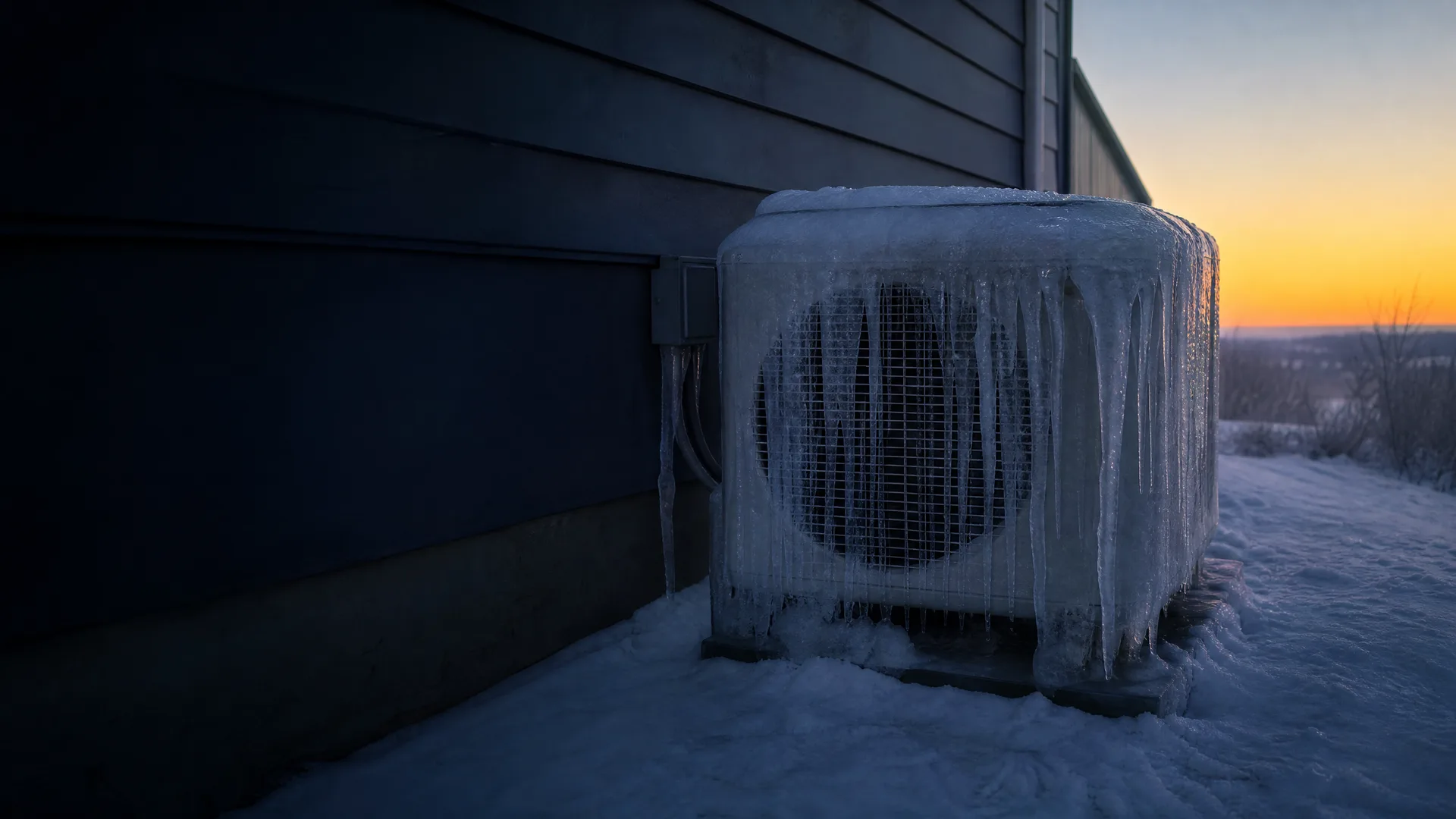
An outdoor heat pump unit encased in thick ice with hanging icicles, standing on snow beside a dark wood-sided building at dusk.

You go out for the paper a little after seven and the side yard is still gray. The outdoor unit sits coated in ice, thick over the coil and up the sides, nothing like the thin frost you've seen before on cold mornings. The fan isn't moving. Inside, the vents are pushing air that feels cold on your hand, not the cool-but-rising feel from other mornings, just cold, and it's stayed that way longer than you'd expect. The grass around the unit is stiff with frost too, and the sun hasn't gotten far enough over the trees to touch any of it yet. You stand there a minute looking at it before you go back in.
Hand off the heat pump problem

A licensed pro who repairs heat pumps in Spartanburg County gets your request.

There's no charge for the request.

When It's Worth a Call

If the air stays cool for more than twenty or thirty minutes, or the house is actually losing heat instead of slowly gaining it, that's past what a normal defrost cycle or low output temperature explains. A thermostat set correctly to HEAT, vents that stay cold room after room, or an outdoor unit that's iced over with the fan not spinning are all signs the system needs a technician rather than patience. So is a breaker that won't stay reset, or strip heat that never kicks in when the heat pump can't keep up on a cold night. A local contractor who works on these systems all winter can tell you quickly whether it's a stuck reversing valve, a failed defrost control, or something electrical, rather than you guessing at it room by room.

When It Can Wait Until Morning

If the ice is thin, the fan outside is still turning, and the vents are putting out air that's cool but the house is holding its temperature or warming slowly, the system is probably mid-cycle or just running at a lower output than a furnace would give you. Emergency heat left on by mistake looks alarming but isn't a repair, it's a switch. None of these need a night call. Set the thermostat back to HEAT if it was on EMERGENCY HEAT, give the defrost cycle its fifteen minutes, and check again once the house has had time to catch up. If it still feels wrong once you've ruled those out, that's the point to get someone local out to look at it, not before.

An outdoor air conditioning condenser unit on a concrete pad beside a house with horizontal siding above a brick foundation, with a flexible conduit running to a wall-mounted disconnect box.
Before you get your heat pump repair
A gray outdoor heat pump unit on a concrete pad beside a house with horizontal lap siding, with a conduit running to a wall-mounted disconnect box and a green shrub to the left.
After you get your heat pump repair

A heat pump doesn't make heat the way a furnace does. It moves it. The reversing valve flips the refrigerant flow so the same equipment that kept your house cool in July switches to pulling warmth out of the outside air in January. That works fine most days. But once it's cold enough outside, usually somewhere below 35°F to 40°F, there's less heat out there to grab, and the system leans on backup electric strips to make up the difference. While all this is happening, the compressor can settle into a long, steady run rather than cycling on and off, and that keeps the air at the vent feeling cooler even while the house is warming up. Airflow matters too. A dirty filter chokes the air moving across the indoor coil, and that alone drops the vent temperature. If the refrigerant charge is low, the system can run all day and still not move enough heat. And if a part inside the reversing valve fails, the whole system can get stuck cooling when you've asked it to heat.

How a Heat Pump Actually Heats

  • A reversing valve switches the refrigerant flow so the same system that cools your house in July pulls heat from outside air in January.
  • At low outdoor temperatures, usually below 35°F to 40°F, that outside heat is harder to pull in, so the backup electric strips kick in to help.
  • The compressor runs continuously in a mode called a low or long cycle, which keeps the vents feeling cooler even as the room temperature climbs.
  • A dirty air filter restricts airflow across the indoor coil, and that alone can make the air leaving the vents feel noticeably cooler than it should.
  • Low refrigerant charge keeps the system from moving enough heat, and the vents will blow air that stays cool no matter how long the system runs.
  • A failed component in the reversing valve can leave the system stuck in cooling mode even when the thermostat is calling for heat.
A gray outdoor condenser unit on a concrete pad beside a house with horizontal lap siding, with a wall-mounted disconnect box, conduit and insulated refrigerant lines, a shrub at left and gravel at right.
The fan is running, the lines are intact, and nothing is iced over, the outdoor signs of a heat pump doing its job.
A gray outdoor air conditioning condenser unit on a concrete pad beside a house with light vinyl siding, with a gray electrical disconnect box and conduit on the wall to the right.
Dirt packed into the fins and a coil that's been weathering for years makes the unit work harder to move the same heat.
A woman in a dark teal knit sweater reclines on a sofa with eyes closed and a slight smile, covered by a gray fleece blanket, with a lit table lamp, potted plant, and framed picture behind her.
A smiling man with gray hair and a beard wearing a navy crewneck sweater sits at a dinner table with wine glasses, bowls of food, and lit candles, with a lamp, plant and window behind him.

You live with a heat pump that's been quietly losing ground for a season or two, vents running cooler than they used to and the backup heat kicking in more than it should.

You live with a heat pump that someone local checks and services on schedule, so when it does act up in the cold, you already know whether it's normal or not.

Power here costs 14.25 cents per kilowatt-hour

At 14.25 cents per kilowatt-hour, running the backup electric strips costs more than the heat pump alone. That's why a unit stuck on emergency heat or leaning on backup more than it should shows up fast on your bill, not just in how warm the house feels.

EIA-861 2025

A heat pump blowing cool air isn't always a sign of trouble. Sometimes it's a defrost cycle running its course, or just the lower output temperature this kind of system puts out compared to a furnace. But when the air stays cool past thirty minutes, the house loses ground instead of warming, or the outdoor unit is iced over with the fan stopped, that's a system that needs a tech, not a thermostat adjustment. Someone who works on heat pumps through a Spartanburg winter sees the same handful of failures over and over, a stuck reversing valve, a low refrigerant charge, a defrost control board that's quit, and knows which one fits what you're describing before they get to the house. You'll be matched with one licensed local contractor for the job, not a list of names to sort through and call yourself. Whatever's behind the cool air at your vents, it has a straightforward explanation, and someone nearby who already knows this equipment can find it.

A beige upholstered armchair with a dark green pillow sits beside a woven basket holding a cream fringed throw, with a potted leafy plant in a second basket near a window.
Sunlit living room corner with a beige upholstered sofa and striped linen cushion, a potted small-leaved tree in a woven basket beside sheer curtains, a framed artwork on the wall, and a jute rug on a wood floor.
A wooden storage bench with a long linen bolster cushion sits against a pale wall beneath hanging jackets, beside a doorway showing a plant and chair in sunlight, with a woven rug on the wood floor.
A dark wood sideboard holding a shallow wooden bowl and a pale ceramic vase with leafy branches, against a beige wall with a framed artwork and a window showing a sunset sky and trees.
A lit ceramic table lamp with a tapered fabric shade sits on a wooden side table beside a small wooden bowl, with a woven basket on the shelf below, next to a gray upholstered sofa and a dark-framed window at dusk.

Send one request and you're done looking

The pro who gets in touch is licensed in South Carolina and works in Spartanburg County.

Hand it over

You only hire the pro if you want to.