Side profile of a bearded man wearing a faded dark blue baseball cap and a matching dark T-shirt against a plain light gray background.

What defrost mode means on a South Carolina heat pump

RepairHeat PumpSouth Carolina
Step 1 of 2

What ZIP code is the job in?

Why does my heat pump blow cold air and act weird in winter?

You walk outside and hear the unit running, maybe see steam or frost coming off it, and the air coming from your vents feels cold instead of warm. It can look like a breakdown. In South Carolina winters, where the heat pump is doing most of the work to keep the house warm, this is unsettling enough that people start looking for someone to come fix it right away.

That's defrost mode, and the unit is clearing ice off itself

A heat pump pulls heat from the outside air even in cold weather, and that process can coat the outdoor coil in frost. When enough builds up, the system switches briefly into defrost mode to melt it off. During that time it runs like an air conditioner in reverse, which is why the air inside your house turns cold for a few minutes. You may also see steam rising off the outdoor unit. In South Carolina, where winters are mild compared to much of the country but still dip below freezing at night, this cycle happens on and off through the coldest stretches. It's normal and it should end on its own within ten to fifteen minutes. If it runs long past that, or kicks on constantly, something is wrong with the sensor or the control board.

A gray outdoor condenser unit on a concrete pad beside a light green lap-sided house, with a wall-mounted electrical disconnect box, mulch bed with shrubs, river rock, and a paved walkway in the foreground.

Normal defrost cycle

The unit runs, you might see a little steam coming off the coil, and it shuts off again in ten or fifteen minutes. The fan outside stops while it's happening. Once it's done, warm air comes back through your vents like normal. This is the coil shedding ice it picked up in the cold.


An outdoor air conditioner condenser unit on a concrete pad beside a house with horizontal lap siding, with refrigerant lines entering the wall and a shrub on bare soil to the left.

Something's wrong

Ice keeps building on the coil instead of melting off, or you see it coating the lines going into the wall. The outdoor fan runs the whole time, or the unit won't come back on. Cold air keeps blowing inside well past when it should have switched back to heat.

A middle-aged man with grey hair and a beard, wearing a grey knit sweater, sits on a light sofa in a sunlit living room with a houseplant, wooden cabinet and framed landscape picture behind him.
A man with greying hair and a beard in an olive sweater sits on a sofa in a living room, looking to his left, with an armchair, round side table and large glass doors onto trees behind him.
A gray-haired bearded man in a dark blue shirt over a white t-shirt sits on a leather sofa in a living room with built-in shelves, a floor lamp, an armchair and large windows, looking off to the side.
A man with gray-brown hair and stubble in a dark sweater sits on a light-colored sofa in a living room, looking off to the side, with a houseplant, framed picture, shelving and a sunlit window behind him.
A gray outdoor condenser unit on a concrete pad beside a house with horizontal lap siding, connected by conduit and lines to a wall-mounted disconnect box, with a shrub and gravel bed to the left.

What a working unit looks like

The coil and fan grille stay clear enough to see through. Refrigerant lines run clean up the wall to the disconnect box. Air moves through the coil the way it should, so the unit can pull in heat and send warm air through your vents without a fight.

An outdoor air conditioner condenser unit on a concrete pad beside a house with horizontal lap siding, with refrigerant lines and a gray electrical disconnect box on the wall, surrounded by bare dirt.

What stops defrost from working

Dirt and grime packed into the coil guard block airflow the same way ice does. A heat pump in this shape may run its defrost cycle longer than it should, or go into defrost when it doesn't need to, because the coil can't shed heat properly either way.

Is my heat pump stuck, or is it just defrosting?

You might have checked on the unit two or three times this week because something felt off. Maybe the fan outside hasn't kicked back on in a while, or the ice on the coil looks thicker than steam, more like a solid sheet creeping up the sides. Cold air keeps blowing through your vents longer than you'd expect, and the house is losing ground against the chill. If the unit never completes that cycle and switches back to heating, it will keep running without actually warming your home, and in South Carolina's cold snaps that means your electric bill climbs while the rooms stay cold. A unit that can't finish defrost on its own usually has a part that's failed, not just bad timing.

A dark bedroom at night with a rumpled duvet and pillows on a bed beside a rain-streaked, condensation-covered window with distant lights, a curtain, and a bedside lamp.

It's gone eleven and you're still awake, sheets stuck to your back. You got up twice already to bump the thermostat, and both times the air coming through the vent felt wrong, not warm, just damp and cool. Outside the window you can hear the unit running steady, no click, no pause. You push up on one elbow and look toward the wall where the line set runs, like you could see the ice from here. The ceiling fan turns overhead and does nothing. You lie back down, push the damp sheet off your legs, and wonder if it's going to run like this all night.

No phone calls to make

If you're still not sure whether your unit is defrosting normal or stuck, you don't have to keep watching the coil through the window to find out. A local contractor who works on heat pumps all winter can look at yours and tell you in minutes what the ice and the fan are actually doing, because they've seen the same unit act this way on other houses nearby. Request gets sent to one licensed contractor near you, not a handful, so you're not fielding five calls back while you're trying to figure out why your house is cold. That saves you the usual runaround of searching around, calling a few places, explaining the frost and the cold air every time, then sitting with quotes trying to guess which one is right. Instead you explain it once, to the person who's coming to look at it, while you're still standing there wondering if the fan outside has stopped for too long.

How Defrost Mode Actually Works

  • A sensor on the outdoor coil tracks temperature and tells the control board when frost has built up enough to matter.
  • The reversing valve flips the whole system into cooling mode for a few minutes so hot refrigerant runs through the outdoor coil instead of the indoor one.
  • That hot refrigerant melts the frost off the coil while the outdoor fan shuts off so it doesn't blow cold air across the ice.
  • A backup heat source, usually electric strips, kicks on inside to keep the air coming out of your vents from feeling cold during the cycle.
  • Once the coil sensor or a timer tells the board the frost is gone, the reversing valve switches back and the unit goes back to heating your house.
  • The whole thing runs on a timer in most systems, so it checks for frost every thirty to ninety minutes whether ice has actually built up or not.

Your heat pump spends the winter pulling heat out of the outdoor air, even when it's cold outside, and that process leaves moisture on the outdoor coil. In South Carolina's damp air, that moisture turns to frost fast once temperatures drop toward freezing. Left alone, the frost would build up until air couldn't move through the coil at all. The control board watches for this through a sensor mounted on the coil itself, reading its temperature the way a thermostat reads a room. When the board decides there's enough frost to deal with, it reverses the flow of refrigerant, the same reversing valve that lets the system switch between heating and cooling your house in the first place. For a few minutes, hot refrigerant that would normally heat your home gets sent outside instead, straight into the coil, to melt the ice off it. The outdoor fan shuts off during this part so it isn't blowing cold air over the coil while it's trying to warm up. Since the system is pulling heat from inside instead of making it, something has to cover for the house during that stretch. That's the electric strips, switching on to keep the vents from blowing cold while the coil clears. Once the sensor shows the coil is clear, or a timer built into the board runs out, the valve flips back and the unit goes back to heating normally. Most systems check for frost this way every thirty to ninety minutes, whether ice has built up yet or not.

A woman with shoulder-length graying brown hair in a cream knit cardigan sits in a dark armchair indoors, looking off to the side with a slight smile, with a shelf, window and houseplant blurred behind her.
A woman with dark hair in a bun sits on a sofa with a child resting his head on her shoulder, both wrapped in a cream knit blanket, with a lit lamp and bookshelf in the dim background.

10 to 15 minutes

That's roughly how long a normal defrost cycle runs before the system switches back to heating. If yours is running much longer than that, something may be wrong.

Answer a few questions

Backup heat kicks in

While the outdoor unit is in defrost, electric backup heat often runs to keep air coming through your vents from feeling cold. That's normal, not a sign of trouble.

Answer a few questions
An outdoor air conditioner condenser unit with rust spots on its top grille sits on a concrete pad beside a house with light horizontal siding, with conduit lines and an electrical box on the wall and a mulch bed to the right.
Before you get your heat pump repair
A gray outdoor condenser unit on a concrete pad beside a light-colored lap-sided house, with a wall-mounted disconnect box, refrigerant lines, mulch bed and shrubs, and a concrete walkway in the foreground.
After you get your heat pump repair

Power costs 15.12 cents per kilowatt-hour statewide

Since most homes here heat with electricity, your heat pump is running up against that 15.12 cents whenever backup heat kicks in during defrost. A stuck defrost cycle that runs long, or one that trips backup heat too often, shows up on your bill fast.

EIA-861 2025 statewide residential average

Defrost mode is the system clearing frost off the outdoor coil so it can keep pulling heat from the air. A normal cycle runs ten to fifteen minutes and then your heat pump goes back to warming the house. If it's running longer than that, running too often, or the coil still looks iced over after, something in the defrost control needs a licensed eye on it, not more waiting. A contractor who works on heat pumps all winter in South Carolina has seen this exact problem on units like yours and knows which part usually causes it, the sensor, the reversing valve, or the control board. You'd be matched with one local contractor rather than left fielding calls from several, so you explain the problem once, to the person who's actually coming to look at it. That's the whole decision in front of you now: let it keep running long and tripping your backup heat, or get it looked at before a cold snap makes it worse.

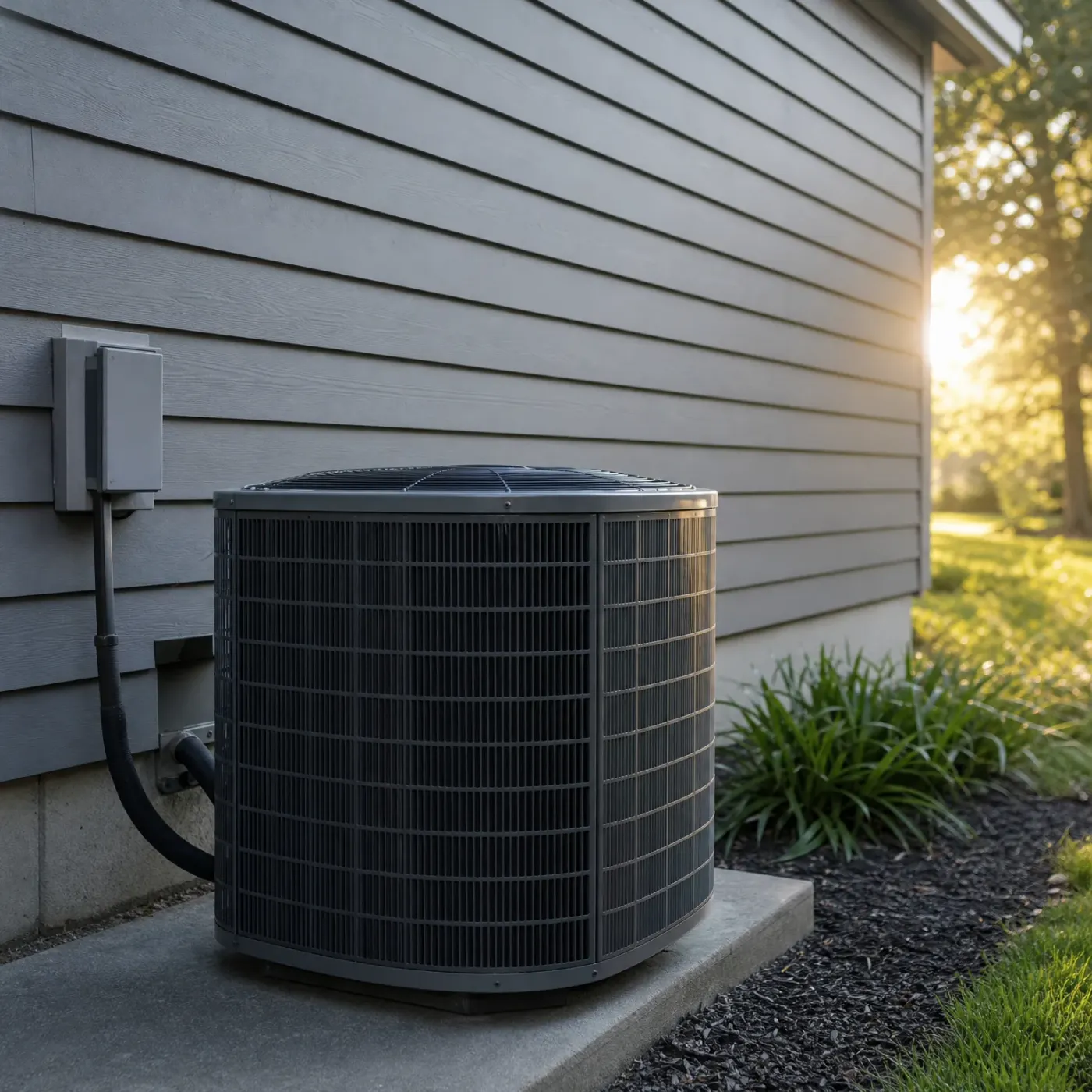
An outdoor air conditioner condenser unit on a concrete pad beside a gray horizontal-lap-sided house, with an electrical disconnect box and refrigerant line on the wall, grass, shrubs and a tree with low sun behind.

Skip the search

Describe it once

The pro who reaches out is licensed in South Carolina.

You only hire the pro if you want to.