

Normal operation
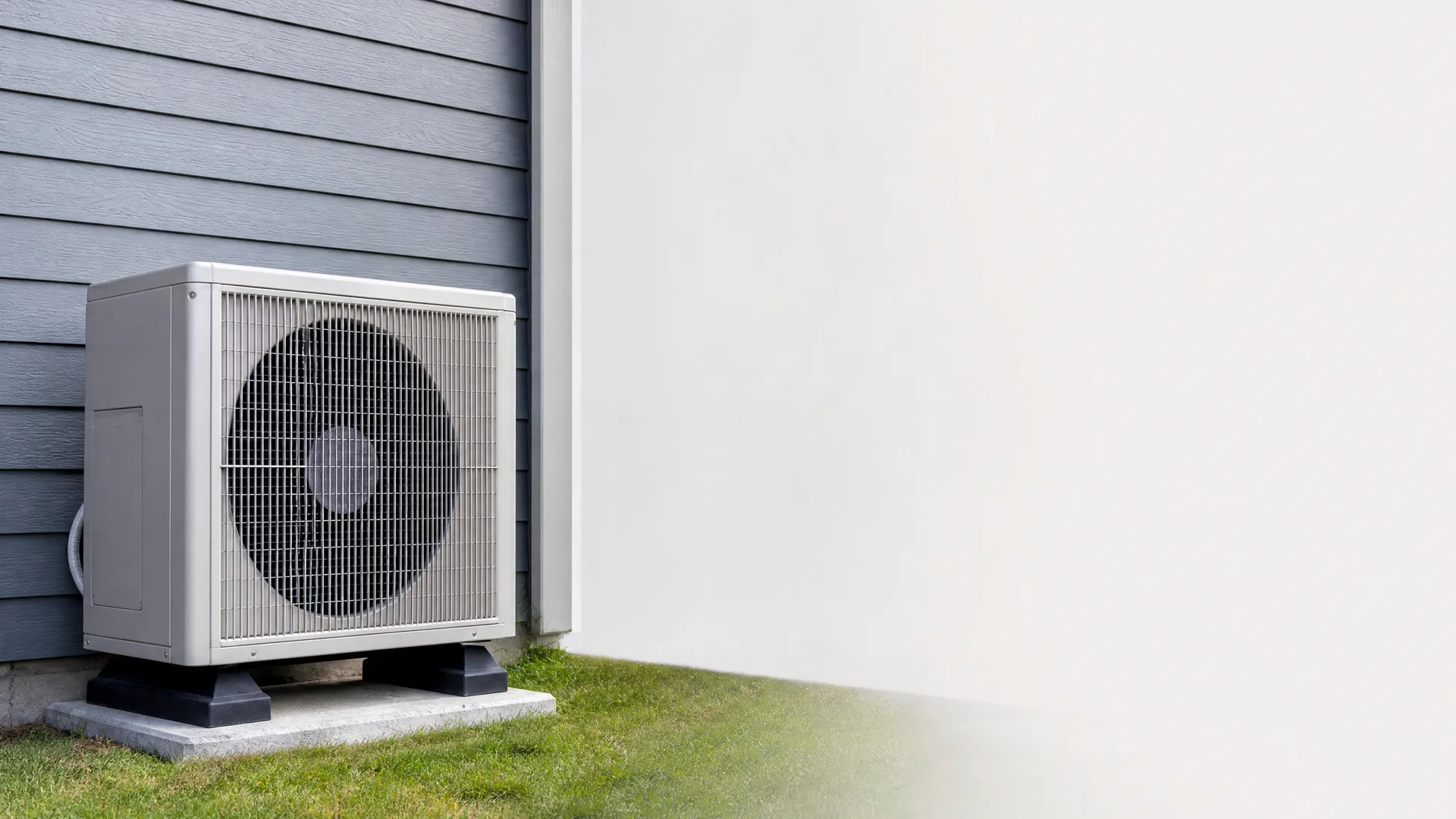
This is what the outdoor unit looks like when the heat pump is doing the work. The fan runs, the compressor cycles, and warm air comes from the vents without the backup strip heat kicking on. Your power bill reflects that.
A heat pump stuck on emergency heat means the outdoor unit has stopped working and the system has dropped back to its backup electric strip heat to keep your house warm. Something is keeping the compressor or outdoor fan from running: a tripped breaker, a frozen outdoor coil, a bad defrost control, or a sensor that shut the unit down to protect it. The thermostat may show an "EM HEAT" light on its own if it senses the outdoor unit isn't responding, even if nobody switched it. Emergency heat will keep the house warm for now, since it runs on electricity straight through resistance coils, but it costs more to run than the heat pump itself and it isn't meant to carry the house for long. Winters in Goose Creek are mild, so the backup heat can mask the problem for days before anyone notices the bill. The outdoor unit needs a look before you switch back to normal heat.

This is what the outdoor unit looks like when the heat pump is doing the work. The fan runs, the compressor cycles, and warm air comes from the vents without the backup strip heat kicking on. Your power bill reflects that.

Outside, the unit sits quiet. No fan turning, no hum from the compressor. Inside, the thermostat may show an emergency heat light on its own, or the house is warm but running up the bill faster than it should.
Winter nights average 38°F
Nights average 38°F in December and January. Emergency heat can keep up with that, but it runs on electric strip heat alone, and the difference shows on your bill fast.
Heat runs November through March
Heat runs November through March here. That's five months the outdoor unit needs to carry the load. Stuck on emergency heat for any stretch of that costs more every day it continues.
Cooling runs May through October
Cooling runs May through October, the longer season here. The outdoor unit that's stuck doing nothing right now is the same one you'll need come May, so it's worth fixing properly.
NOAA nClimDiv 1991-2020
Emergency heat has no thermostat trick that turns it off. The switch is either on the thermostat itself or on a control board near the air handler, and if no one moved it, a lockout from the outdoor unit put the system there.
A heat pump that won't leave emergency heat needs a contractor to find out why the outdoor unit is locked out, not a reset at the thermostat. The switch only reflects what the system is doing, it doesn't decide it.




The air handler and the outdoor unit talk to each other constantly. The control board inside the air handler waits for a signal that the outdoor unit is running normally, and the instant that signal drops, it falls back on strip heat to keep the house warm. Strip heat is just electric resistance coils, the same idea as a toaster, so it needs nothing from the compressor or outdoor fan to work. That's why the house stays warm even while the outdoor unit sits dead. What stops the signal varies. A pressure switch tripping, high head pressure, or a compressor that's locked up can each force the outdoor unit into lockout without any input from the thermostat. If the defrost board that manages ice on the outdoor coil fails, it can strand the system there too. A lot of thermostats show a small flame or "EM HEAT" icon when this happens, and if that icon stays lit after you cycle power, it means the system locked itself out rather than someone bumping a switch. Watch the breaker for the air handler during this: strip heat pulls steady, heavier current the whole time it runs, with no cycling up and down the way a compressor draws.


The outdoor unit loses power, trips its breaker, or locks out on a fault.
The control board stops getting the signal it expects from outside.
The board switches the air handler over to the electric strip heat coils.
The thermostat shows emergency heat is on and stays there until the lockout clears.


Right now your electric bill is climbing every day the outdoor unit sits idle, and strip heat doesn't fix itself. Winters in Goose Creek don't ask much of a heat pump, which is exactly why this is worth sorting out fast: once the compressor is back doing the work, your bill drops back to where it belongs, instead of running up through the rest of the season on electric resistance alone. Finding out why the outdoor unit won't run means a contractor who can check the breaker, the control board, and the lockout, not another hour on hold or three more quotes to compare while the strips keep heating your house the expensive way. Send the request once and that search is done. You stop being the one tracking down who's available and who isn't, and the house stops running on its backup system while you wait.
The vents still put out warm air, so nothing feels wrong at first. What changes is how long the air handler runs. Strip heat doesn't modulate the way a heat pump does, it's on or off, so it pushes a burst of warm air then shuts off and starts again. Some homeowners notice the air feels a little different, a bit drier or hotter at the vent, since resistance coils run hotter than a heat pump's coil ever does.
Electric resistance heat costs more to run than a heat pump moving the same amount of warmth, and the difference shows up fast on a December or January bill. A heat pump stuck on strip heat for even a few days during a cold snap can push the bill up noticeably. Power here is priced about the same as anywhere else in the region, so this isn't a case of an unusually high rate, it's the strip heat itself costing more to run than the compressor it replaced.
Look at the vents and you won't see anything wrong. Warm air is still coming through. What changed is the air handler runs longer and in bigger bursts, because the strip heat coils are doing all the work the compressor used to share. You may notice the outdoor unit sitting quiet, fan not turning, no hum from the compressor. The thermostat itself might say "emergency heat" or show a small flame or "EM" icon, which is the clearest sign something tripped the system over. Left alone through a cold snap, the coils keep running and the bill keeps climbing, and the house never gets any warmer for it.


You'd be checking who works on heat pumps in Berkeley County, explaining the emergency heat problem over and over, and comparing quotes while your bill climbs.
Finding a contractor stops being your problem. You describe it once, and the search for someone to fix the outdoor unit is off your plate.
At 15.58 cents per kilowatt-hour, every hour your system leans on strip heat instead of the compressor costs more than it should. Those coils draw a lot of power to do what the outdoor unit normally handles for less. Left stuck on emergency heat through a cold snap, that difference adds up fast.
EIA-861 2025
A heat pump stuck on emergency heat has already told you what's wrong: the outdoor unit stopped working, and the air handler fell back on strip heat to keep the house from going cold. That part isn't a mystery. What caused it is the question left to answer, and it's usually one of a short list: a tripped breaker, a coil that froze or packed with dirt, or a lockout fault the outdoor unit set on itself. None of that has anything to do with Goose Creek winters being too much for the system. They aren't. A heat pump here is sized to handle nights in the high 30s without help, so if yours needs strip heat to keep up, something failed, and it's a repair, not the season.
Left alone, the arrangement works, in the sense that the house stays warm. It just costs more for every hour it continues, since strip heat draws power the compressor doesn't. That's the part that doesn't fix itself waiting.
Finding out which part failed takes someone who works on heat pumps, not guesswork from the thermostat. Once that's done and the compressor is back on, the air handler goes back to shorter, steadier runs instead of long bursts, and the bill follows it down. Sending the form means you're not the one calling around Berkeley County looking for who does this work, explaining the same problem twice, and sorting through quotes on your own. That part stops being yours to carry.

Sending the form costs nothing.
Every day the outdoor unit sits idle is another day of strip heat running the bill up, and that doesn't change until someone gets the compressor going again. Send the request and stop checking who in Berkeley County works on heat pumps or explaining the problem to another company on the phone.