
Running the way it should
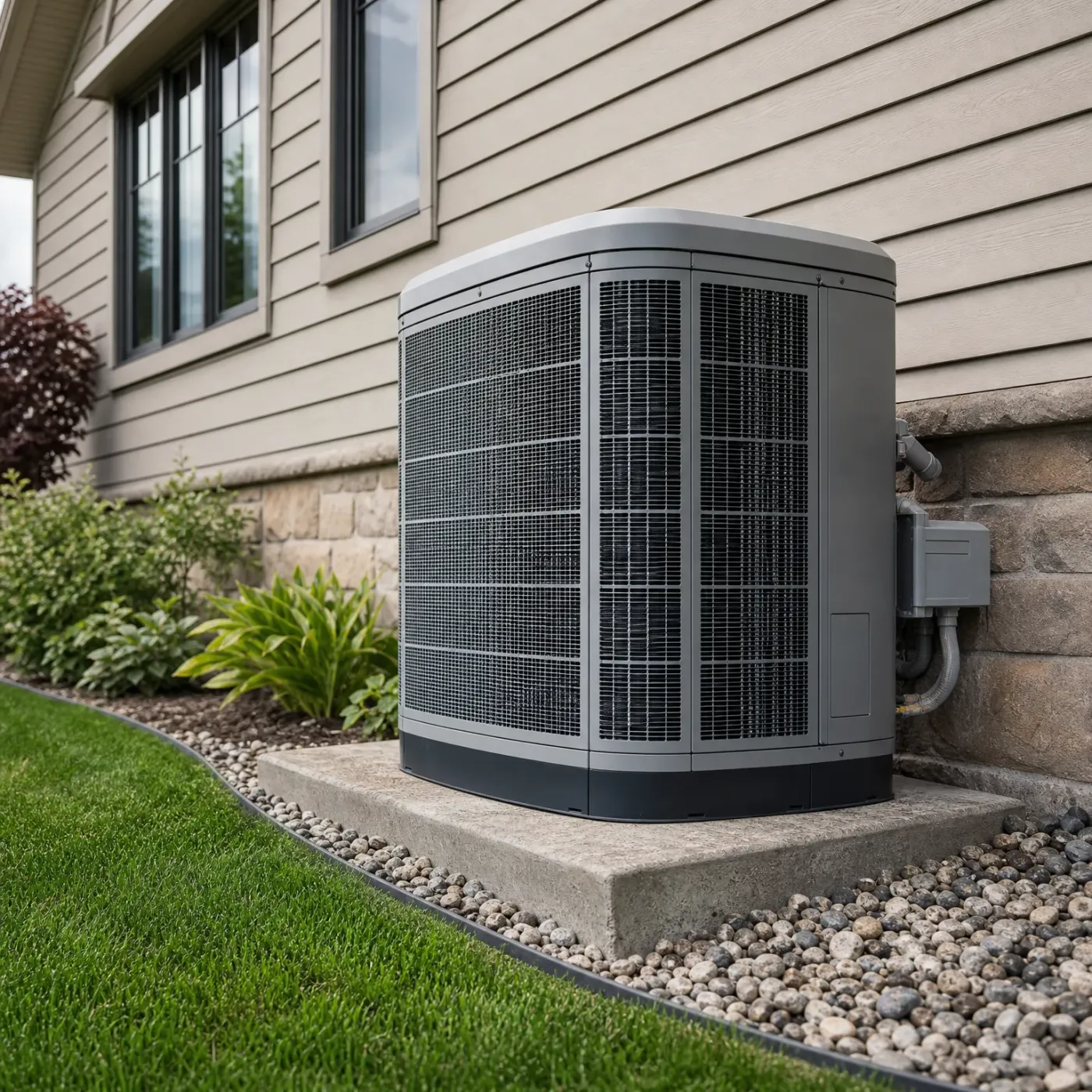
The coils are clean and the unit sits clear on its pad, so air moves through it the way it was built to. It cycles on, runs, and shuts off without strain. A heat pump kept this way is the one that reaches 15 years.
A heat pump in Columbia usually runs 12 to 15 years before it needs to be replaced. It works harder here than it would somewhere with a milder summer, since it runs almost nonstop from the heat and humidity, but Richland County winters are mild enough that it isn't straining through a long heating season on the other end. That mix of long cooling months and short, easy winters tends to land a heat pump in that range rather than cutting it short. Where yours falls in those years depends on how well it was installed, how it's been maintained, and whether it's gotten the repairs it needed along the way. If yours is already past the 12 year mark, or it's running constantly without keeping the house comfortable, it's worth having someone look at whether repair still makes sense or replacement is the better move.

The coils are clean and the unit sits clear on its pad, so air moves through it the way it was built to. It cycles on, runs, and shuts off without strain. A heat pump kept this way is the one that reaches 15 years.

Dirt packed into the coils blocks the airflow the unit needs to move heat in or out of your house. It has to run longer to do the same job, and in a Columbia summer that means running most of the day. A heat pump under that kind of strain for years rarely makes it to 12.
Winter nights average 36°F
Winter nights average 36°F, so the heat pump still has to pull warmth from cold air most mornings, November through March.
Heat runs November through March
Heat runs November through March. That's five months of pulling double duty, since the same unit handles both sides of the year.
Cooling runs May through September
Cooling runs May through September. Five months of long, steady runtime wears on the same compressor that carries winter, too.
NOAA nClimDiv 1991-2020
A heat pump doesn't just cool the house, it heats it too, and the part that makes that possible is the reversing valve. That valve switches the flow of refrigerant so the same unit that pulls heat out of your house in July pulls heat out of the outside air in January. That sounds backward for a cold morning, but even cold air holds enough heat for the system to use, and with Richland County winters as mild as they are, the compressor isn't straining against real cold the way it would up north. The outdoor unit also runs a defrost cycle, melting frost off the coil so it can keep pulling heat efficiently. In a humid climate like Columbia's, that cycle kicks in more often, because humid air frosts the coil faster than dry air does. None of this is free wear. The compressor and the reversing valve are working every month, not just through a hard summer or a hard winter, so there's no stretch of the year where the system just idles. That's also why upkeep matters more here than it would somewhere with a true off season. A dirty outdoor coil or refrigerant that's low forces the compressor to run longer to reach the same setting on the thermostat, and that extra runtime adds up fast on a system that already runs most of the year.


Send the form and stop researching installers for the new heat pump.
Your request goes to a Richland County pro who takes heat pump jobs.
It costs nothing to send, and you don't have to hire anyone.




That range assumes the coils stay clean and the unit gets a yearly check. Skip that upkeep here and the humidity load can shorten it by several years.
The reversing valve is what wears first, since it switches direction every time the system swaps between heating and cooling. A new install starts that wear fresh.


The thermostat calls for heat and the reversing valve shifts position.
The outdoor coil pulls heat out of the cold air outside.
Refrigerant carries that heat inside to the indoor coil.
The indoor coil releases the heat and the blower pushes warm air through the ducts.
You might notice the air from the vents feels lukewarm instead of warm, even with the thermostat set the same as always. The unit outside might run longer than it used to, cycling on and off more through the day. Some rooms stay cooler than others. You might hear a rattle or a grinding sound when it kicks on, or notice ice built up on the outdoor coil during a cold snap. The power bill creeps up without a reason you can point to. None of this means the unit is finished, but if it's been running for over a decade and now needs a repair every few months, that pattern usually doesn't reverse itself, and the breakdowns tend to land on the days you need heat or cooling most.

This is what lets a unit reach 15 years. The cabinet is free of grime, the pad is clear, and the disconnect box and conduit are mounted clean against the siding. Air moves through the coil the way the unit was built to, and the compressor inside doesn't strain to make up for it.

Dust and dirt have built up thick across the cabinet, and that layer blocks the airflow the coil depends on. The unit still runs, the lines and conduit still carry power and refrigerant to it, but it's pulling harder to do the same job. That's the wear that pushes a heat pump toward 12 years instead of 15.


At 16.47 cents per kilowatt-hour, every extra year you run an aging heat pump past its prime shows up on your bill, since a unit with worn coils or a failing reversing valve pulls more power to do the same job. Replacing it before it gets there keeps that cost from creeping up on you.
EIA-861 2025
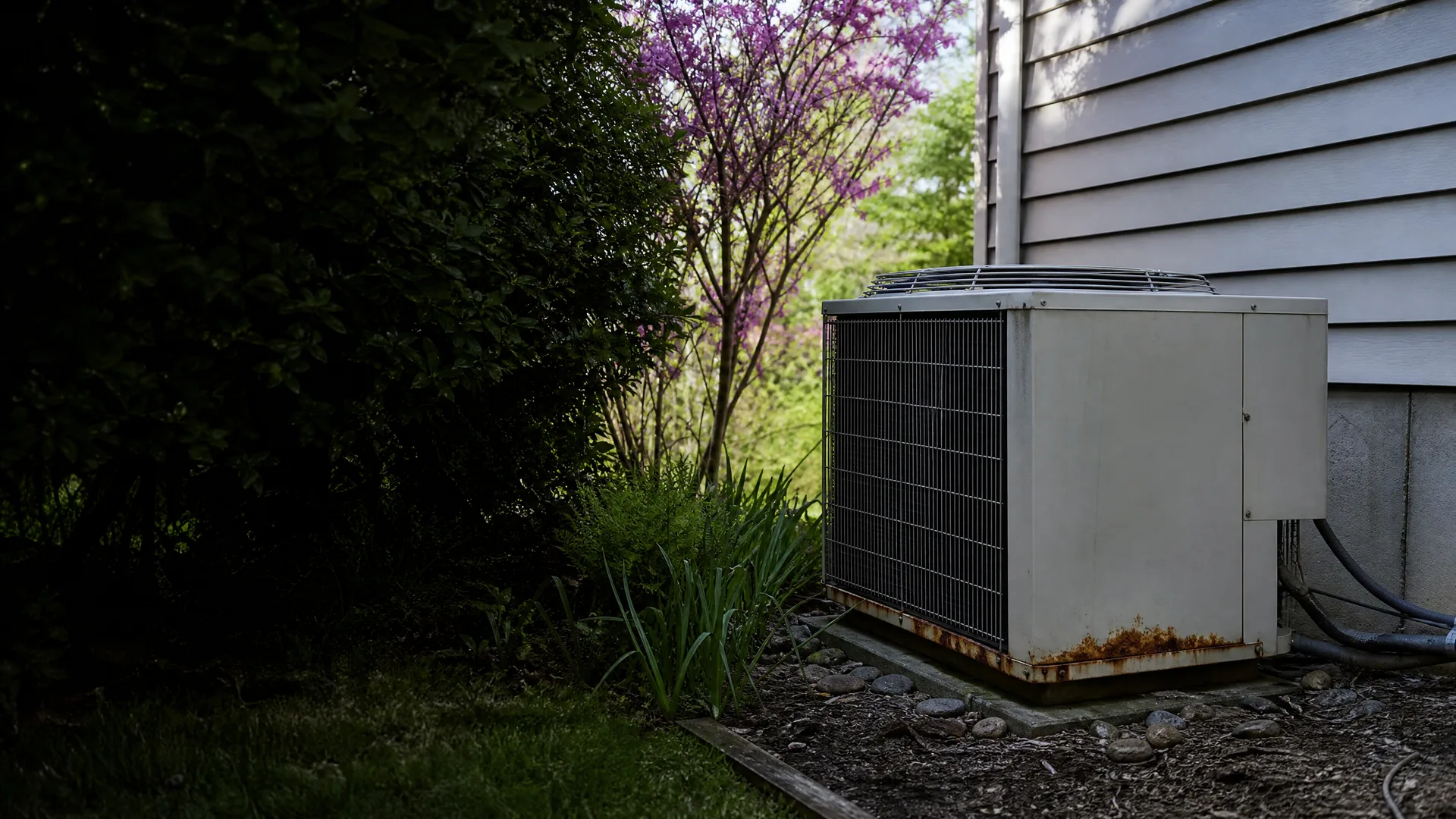
You're out checking the azaleas on a mild spring afternoon when you notice the unit tucked against the side of the house. Rust has crept along the base, flaking where the metal meets the pad. You crouch down and see it's sitting a little crooked, the ground beneath it soft from last week's rain. The fan spins up when the thermostat clicks over, but it sounds like more effort than it used to, a low strain under the hum. You think about how many winters that rust has been building, one mild season after another, and you stand back up without touching it, making a note to look into it before summer gets here.
A heat pump in Richland County lasts 12 to 15 years, and where yours lands in that range comes down to how clear the coils stayed and how clean the pad underneath it was kept. Mild winters here help the unit along. Long, muggy summers push back the other way. If yours is showing its age, lukewarm air, longer run times, a higher bill than last July, that's the unit telling you where it stands.
Once you know roughly where your system falls, the next step isn't research. It's getting someone out to look at the actual unit on your actual pad and tell you what condition it's really in. Answer a few questions about your place and a contractor who works in Richland County will reach out to go over it with you. That's one less thing you have to figure out on your own before the weather makes the decision for you.



After this form, you can stop searching for a heat pump pro.
There's no charge for the request.