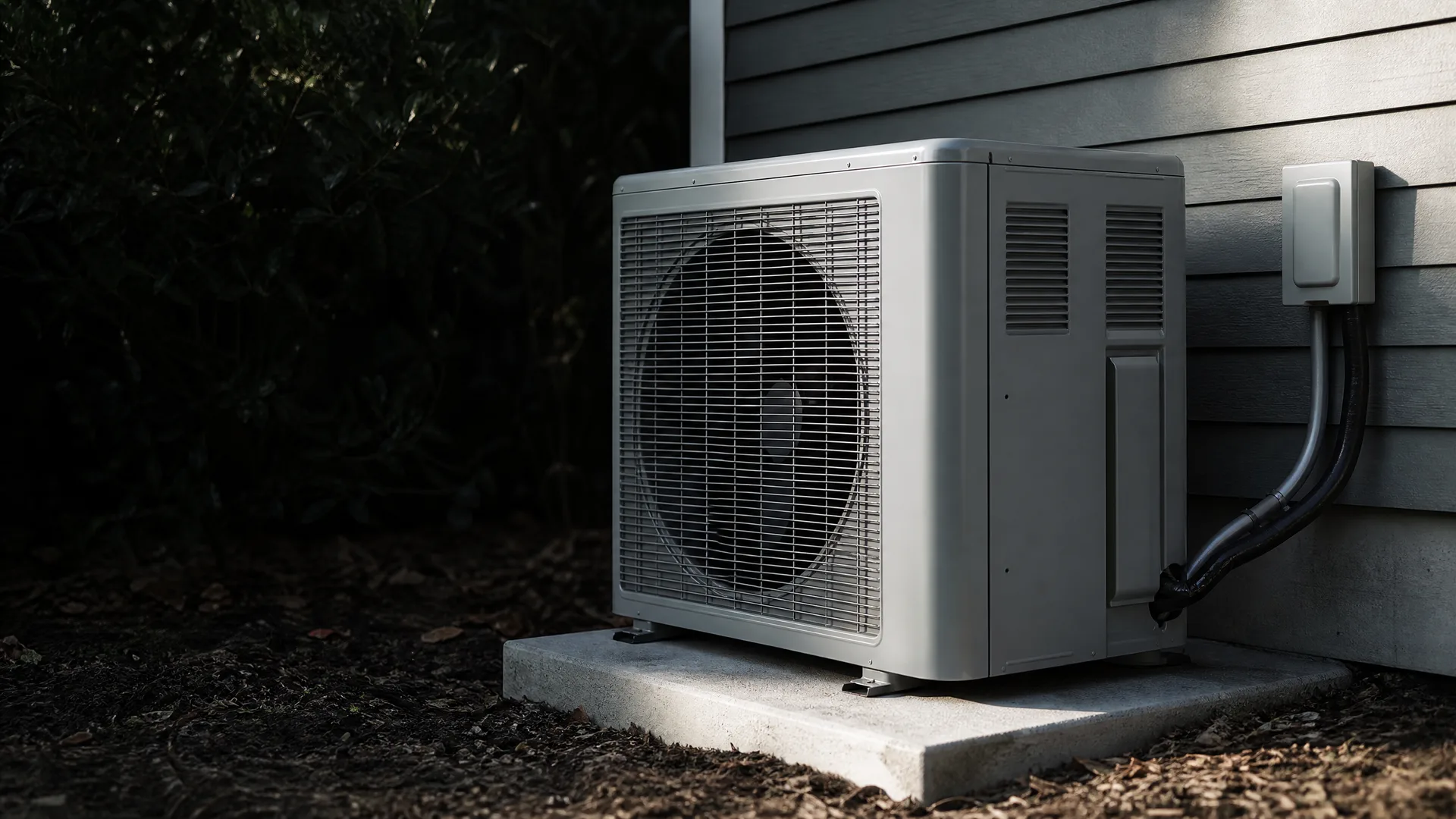
A local installer who puts in heat pumps gets your project.
A heat pump in South Carolina works hard both ways. It cools the house through a long, muggy summer, then switches over and heats through winter without a furnace behind it. That double duty is why the question of repair or replace comes up more here than it does where a furnace shares the load.
If yours is struggling, the answer depends on things a page can't know from here. What's wrong with it, what it would cost to fix versus replace, and whether the unit is old enough that another repair just delays the next one. A contractor who's looked at the system can tell you that. This page can't.
What it can do is save you the part that has nothing to do with the actual decision. Finding a contractor who works on heat pumps, calling two or three of them, explaining the same symptoms each time, waiting on callbacks, trying to compare quotes that aren't quite for the same work. That's hours most homeowners don't have spare, especially when the house is sitting at 80 degrees while you're making calls.
Answer a few questions here and you get matched with a contractor who handles heat pump installs in South Carolina, one suited to what you've described about your system and your situation. They reach out to you. No guessing which company to call first, no sitting on hold, no repeating yourself to a third dispatcher.
Power costs here run about average for the country, which matters more for a heat pump than for most systems, since it's running on electricity year round rather than half the year. Whether that points toward fixing what you have or putting in something new is exactly the kind of answer a contractor can give once they know your equipment.
The rest of this page walks through how that decision usually gets made. The button is for when you're ready to stop researching and start talking to someone who can look at the actual unit.
A heat pump that's struggling in year ten or eleven is usually past the point where repair makes sense on its own. The compressor and the reversing valve take the brunt of running cooling all summer and heat all winter with no furnace to share the load, and once one of those fails, the cost of fixing it starts competing with the cost of a new system. If the problem is a capacitor, a contactor, or a low charge from a slow leak, repair still holds up and is the right call. If it's the compressor itself, or the unit is older and losing refrigerant a second time, replacement is usually the better money. A contractor who looks at the unit's age, what's failed, and how it's been running can tell you which side of that line you're on, and that's the judgment call worth getting before you spend on either one.
Running fine, with clean lines and no strain on the system, is worth a straight repair when something small goes wrong.
When the unit sits exposed on bare concrete with no service left to give, replacement stops the cycle of repeat calls.
Most of what goes wrong with a heat pump traces back to the fact that one unit does both jobs. The reversing valve is what switches the system between cooling and heating, and years of flipping back and forth wear on it. In winter, the outdoor coil can ice over if the defrost cycle isn't working, usually because of a bad board or sensor rather than the weather itself. Refrigerant charge matters in both directions too. Run low, and you'll feel it as weak cooling in summer and weak heat in winter, since it's the same refrigerant doing both. South Carolina adds its own wear. With no furnace to take over the cold months, the outdoor compressor runs closer to year round than it would up north, so it simply logs more hours. If the emergency heat strip is kicking on during mild weather, that's usually the heat pump falling behind, not the thermostat. And a grinding or squealing sound from the outdoor unit is worth checking on its own. Often it's just the fan motor bearings, not the compressor.
How a Heat Pump Actually Fails
The reversing valve is what lets the same unit cool in July and heat in January, and it's a common failure point after years of switching back and forth.
A heat pump that won't defrost properly in winter will ice over the outdoor coil, and a bad defrost board or sensor is often the cause.
Low refrigerant charge shows up as weak cooling in summer and weak heat in winter, since the same charge runs both cycles.
The outdoor unit's compressor runs nearly year round in South Carolina, with no furnace to take over the coldest months, so it logs more hours than in states with real winters.
An auxiliary or emergency heat strip kicking on during mild weather usually points to the heat pump itself failing to keep up, not a thermostat problem.
A grinding or squealing sound from the outdoor unit often means the fan motor bearings are worn, separate from any issue with the compressor.
A heat pump running on a worn reversing valve or a compressor that's lost its edge is already deciding the question for you. You can keep paying someone to come look at it, or you can get a straight read on whether this one is worth saving. Getting there on your own means finding a few installers, waiting on calls back, walking each one through the same history of what the unit has been doing, then lining up quotes that don't quite match to figure out who's telling you the truth. With your winters running on electric heat and no furnace behind this system, getting the replacement sized and installed right matters more than it would with a backup source to fall back on. Sort that out once, hand off the details, and let a contractor who installs these for a living tell you what your house actually needs.
What a Tired Heat Pump Costs You
A heat pump that's losing the fight with South Carolina summers shows up as a house that won't hold 72 no matter how long the unit runs.
In winter the same worn system struggles to keep rooms even, since there's no furnace backing it up when the compressor is tired.
A failing reversing valve or a weak compressor shows up on the power bill months before the unit actually quits.
Ice on the outdoor coil that won't clear on its own points to a defrost problem, and running the unit through more winters like that risks the compressor.
A unit past its working life puts you at risk of losing cooling or heat during the exact weeks you need it most.
Calling around for quotes, explaining the same symptoms to three different contractors, and sorting through estimates is its own job on top of a house that already isn't comfortable.
A heat pump that's slipping doesn't quit all at once. It shows up first as a house that never quite feels right, warm spots in August, cool spots in January, and a system that runs longer than it used to just to get there. Electricity here isn't unusually expensive, so when the bill creeps up month over month, that's the unit itself losing efficiency, not the rate. A reversing valve that's starting to stick or a compressor that's lost its edge will cost you in power well before either one fails outright. Outside, ice building up on the coil and staying there is a sign the defrost cycle isn't doing its job, and every winter that goes on is another winter asking a weakening compressor to work harder than it should. The real risk isn't just comfort. It's timing. These systems tend to give out during the stretch of weather that made you need them in the first place, the hottest week of summer or a cold snap in January, because that's when they're working hardest. Past a certain point you're not maintaining a heat pump anymore, you're managing its decline, and that means repeat service calls, rising bills, and a system you can't fully trust through the next extreme week. Getting a straight answer on where your unit stands beats finding out the hard way, and it saves you the separate job of calling around and repeating the same story to every contractor you reach.
A summer dew point averaging 69°F, as tracked by NOAA, is the sticky kind of air that makes a house feel warm even after the thermostat says it hit 72. A heat pump doesn't just cool that air, it has to wring the moisture out of it too, and that second job is what wears on the system over a South Carolina summer. A unit that's losing ground will leave the house feeling damp and heavy even while it's running close to nonstop. That's the compressor working through moisture load on top of heat, every day from June through August.
NASA POWER T2MDEW county cells weighted by homes
Before you get your heat pump installationAfter you get your heat pump installation
What a repair actually buys you
A repair on a heat pump means swapping one worn part, a capacitor, a contactor, a fan motor, while the compressor and reversing valve keep running on whatever they've got left. If those two are sound, the fix holds. If they're the ones failing, you've paid to delay the same decision by a season, maybe less. A contractor who checks the compressor and valve before quoting a repair is telling you something useful either way.
What a new system changes
A new heat pump comes with a compressor and reversing valve that haven't spent years cycling through South Carolina summers and winters back to back. It also carries a warranty that an aging unit no longer has, so a failure in year one isn't an out-of-pocket call. Efficiency improves too, since older units lose capacity well before they stop running altogether, which is part of why the house stops holding 72 even with the system working.
Power costs 15.12 cents per kilowatt-hour statewide
Since your heat pump covers both your heating and cooling, every degree it moves runs through that 15.12 cent rate all year, not just in summer. A newer unit that holds its charge and defrosts properly uses less power to do the same job, so the rate matters more once the system starts slipping.
EIA-861 2025 statewide residential average
1
A refrigerant line connects the indoor air handler to the outdoor unit.
2
The reversing valve gets set to switch between heating and cooling.
3
The compressor, condenser coil, and lines get checked for a proper charge.
4
The thermostat gets wired and calibrated to run the new system.
A heat pump that's past saving doesn't get better on its own
A heat pump running on a tired compressor or a reversing valve that won't switch cleanly is going to keep costing you calls, whether it's this summer or next winter. The signs don't reverse themselves. A unit that's eleven years old, icing over in January or losing the fight against a 69°F dew point in July, is telling you where this is headed.
Getting a straight answer on your own means calling around, explaining the same problem to three different companies, and sorting through quotes that don't line up. You don't have to do that part. You can be matched with a contractor who looks at your system, your house, and what you're dealing with, and takes it from there.